
Flowers
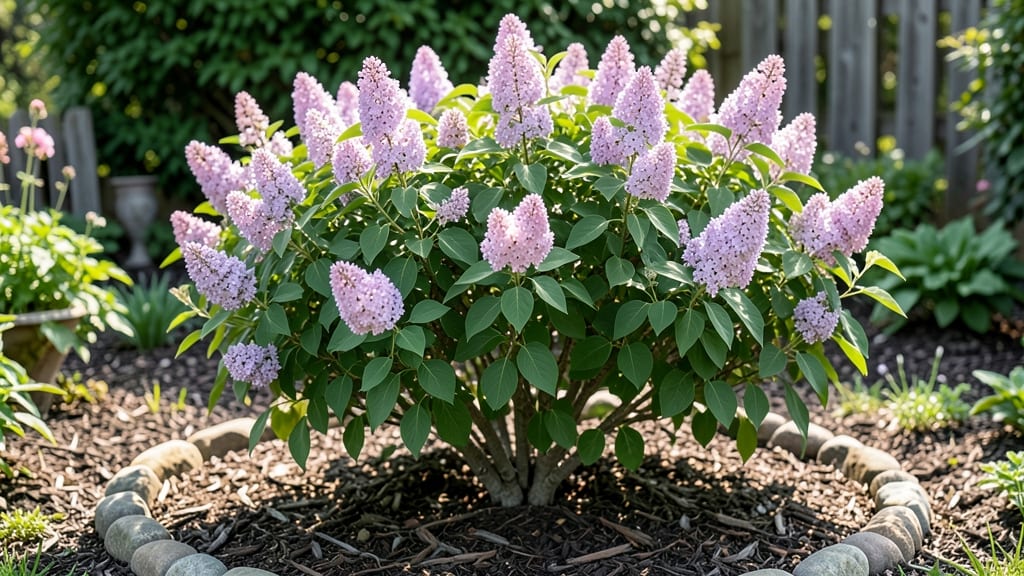
The Miss Kim lilac flower is the secret weapon for year-round fragrance in compact spaces—its delicate blooms perfume the air from early spring through summer, and with the right care, even the foliage carries a sweet scent.
I planted mine last fall, and now it’s the first thing neighbors comment on when they walk by. The key? Understanding its soil cravings, sunlight preferences, and how to prune it just enough to keep it lush without sacrificing next year’s blooms.
This lilac thrives in partial shade, making it perfect for small yards or urban gardens where full sun would scorch its leaves. It’s also one of the hardiest varieties, tolerating temperatures down to -20°F—no fussing over winter wraps or mulch mountains.
The soil? Rich but well-draining is ideal, though it’ll forgive heavy clay if you amend it with compost. Watering’s simple too: deep soaks once a week, more in extreme heat, and never letting it sit in soggy soil.
Pruning is where the magic happens—and where most gardeners mess up. Skip the shears in late summer or fall, and you’ll get fewer blooms next year. Instead, trim back one-third of the oldest stems right after flowering, and you’ll encourage fresh, fragrant growth.
The result? A neat, bushy plant that fills your garden with scent for months, not just weeks. Even my black thumb can’t kill this one.
Pair it with dwarf coneflowers or lavender for a low-maintenance pollinator magnet, or tuck it near a patio where you’ll catch the fragrance on summer evenings. And if your lilac ever slows down?
Check for leaf spots (fix with neem oil) or compacted soil (loosen gently with a fork). With these tricks, your Miss Kim will outlast—and out-perfume—every other lilac in the neighborhood.
📚 In This Guide
- What you need
- Instructions
- Tips and common mistakes
- Wrapping up and next steps
What you need
- ● Miss Kim Lilac Plant – 1 healthy, established plant (purchased from a nursery or online retailer). Pro tip: Choose a plant with vibrant foliage and no signs of pests!
- ● Well-draining potting soil – 1 bag (1–2 cubic feet) of high-quality, organic soil mix (e.g., Miracle-Gro Potting Mix or a blend with perlite for aeration).
- ● Container or garden bed – A 5-gallon pot (18–20 inches deep) with drainage holes or a sunny garden spot with at least 6 hours of sunlight daily.
- ● Slow-release fertilizer – 1 packet (e.g., Osmocote Smart-Release Plant Food for lilacs).
- ● Pruning shears – Bypass pruners (sharp, clean, and disinfected with rubbing alcohol).
- ● Watering can or hose with a gentle nozzle – For deep, even watering.
- ● Gloves – Gardening gloves to protect your hands during pruning.
- ● Mulch – 2–3 inches of organic mulch (e.g., wood chips or shredded bark) to retain moisture and suppress weeds.
- ● Plant food spray – Liquid fertilizer (e.g., Fish Emulsion) for a mid-season boost.
- ○ Stakes or cages – Optional, for supporting young or leggy plants.
- ● Fragrance diffuser or vase – To enjoy cuttings indoors! 🌿
- ● A sunny location (Miss Kim lilacs thrive in full sun but tolerate partial shade).
- ● Moderate climate tolerance – Hardy in USDA Zones 3–7; may need winter protection in colder zones.
- ● Patience – Lilacs can take 2–3 years to fully bloom after planting!
How to prune Miss Kim lilac for year-round blooms
This hardy variety thrives with strategic cuts—here’s how to maximize fragrance and shape.
Prune Immediately After Spring Blooming
Wait until 2-3 weeks after flowering when spent blooms turn brown. This timing ensures you don’t cut off next year’s flower buds, which form on old wood. Use clean, sharp pruners to make 45-degree cuts just above a leaf node or outward-facing bud. I always remove 1/3 of the oldest stems first—these are the most woody and least productive.
Miss Kim lilacs bloom on both old and new wood, so aggressive pruning isn’t necessary. Focus on shaping rather than rejuvenation. If you see leggy growth, trim those branches back to encourage bushier, more fragrant foliage. The goal is to maintain an open center—this improves airflow and reduces disease risk.
Light Summer Pruning for Airflow and Form
Perform a second light pruning in mid-summer (around July 4th) to maintain shape. Remove any dead, crossing, or weak branches first—these compete with healthy growth. For shaping, cut back overly long branches by 1/3 to 1/2 their length, always cutting just above a bud that faces outward.
This summer trim encourages new growth that will develop into next year’s blooms. Avoid heavy pruning now—you’ll sacrifice next spring’s flowers. Instead, think of this as a maintenance cut to keep the plant looking tidy while supporting its natural growth cycle. You’ll know you’ve done it right when the center stays open and sunlight reaches all branches.
Minimal Winter Pruning for Health
In late winter (just before buds swell), do a final light pruning to remove any dead, diseased, or damaged wood. This is the only time I prune for health rather than blooms. Cut back any branches that died during winter back to the main trunk or a healthy lateral branch. Never prune into old wood—you’ll remove next year’s flower buds.
Miss Kim lilacs are cold-hardy, but winter can take a toll. A light winter prune removes weak growth that might otherwise compete with new spring shoots. If you see suckers (shoots growing from the base), remove them immediately—they drain energy from the main plant. This final prune sets the stage for stronger blooms the following spring.
Bonus: Year-Round Care for Continuous Fragrance
To extend blooming season, deadhead lightly throughout summer by pinching off spent flowers. This encourages secondary blooms on new wood, especially in warm climates. Water deeply once a week during dry spells—Miss Kim lilacs hate soggy roots but need consistent moisture to support heavy fragrance production.
Fertilize in early spring with a balanced 10-10-10 formula to support new growth. Avoid high-nitrogen fertilizers—they promote leafy growth at the expense of flowers. Mulch with 2-3 inches of organic mulch (like shredded bark) to retain moisture and protect roots. With these pruning hacks, your Miss Kim lilac will reward you with sweetly fragrant blooms from spring through summer—and sometimes into fall.
Tips & tricks for perfect Miss Kim lilac pruning
These strategic pruning insights will help you transform your lilac into a fragrant, year-round showstopper without sacrificing next season's blooms.
Timing is Everything: The 2-3 week wait after spring flowering is critical—this ensures you don't accidentally remove next year's flower buds that form on old wood. I've learned this the hard way after seeing blooms disappear completely. Mark your calendar for July 4th for that summer maintenance trim, as this aligns perfectly with when new growth begins developing into next year's flowers.
Cutting Technique Matters: Always make your cuts at a 45-degree angle just above an outward-facing bud. This creates a natural water runoff and prevents disease from settling in the wound. When removing 1/3 of the oldest stems, focus on the thickest, most woody branches first—they're the least productive and create the most congestion in the center. Think of it like giving your plant a spa day: you're removing what's holding it back.
Shape for Airflow: The open center goal in Step 1 isn't just about looks—it's about creating proper airflow that prevents fungal diseases. I've seen lilacs develop powdery mildew when centers get too dense. After your summer pruning, run your fingers through the center to check for sunlight penetration all the way to the ground. If you can't see light reaching the bottom, you need to make more cuts.
Winter Pruning Secrets: That late winter trim is your chance to remove any branches that died back during winter—just cut them back to the main trunk or a healthy lateral branch. The key here is to never prune into old wood where next year's buds are forming. I've made this mistake and ended up with sparse blooms the following spring. This is also when you should remove any suckers at the base—they're energy vampires that drain your plant's resources.
Pro Tips for Miss Kim Lilac Flower
- These strategic pruning insights will help you transform your lilac into a fragrant, year-round showstopper without s...
- Timing is Everything: The 2-3 week wait after spring flowering is critical—this ensures you don't accidentally remove...
- Cutting Technique Matters: Always make your cuts at a 45-degree angle just above an outward-facing bud. This creates ...
Frequently asked questions
about Miss Kim Lilac Flower—your go-to guide for growing, caring, and troubleshooting this fragrant beauty!How long does it take for Miss Kim Lilac to bloom after planting?
The first blooms typically appear 2–3 years after planting, though some may flower earlier if grown from a mature rootstock. Patience pays off—once established, this lilac thrives for decades with proper care!
Can Miss Kim Lilac survive harsh winters?
This hardy variety tolerates USDA Zones 3–8 and handles snow and freezing temps. For extra protection, mulch the base 3–4 inches deep in late fall. Prune in late winter (before buds swell) to avoid frost damage.
What’s the best alternative if I can’t find Miss Kim Lilac?
Try these fragrant, low-maintenance lilacs:
- Dwarf Korean Lilac (Syringa meyeri) – Compact, early bloomer (Zones 4–8)
- Miss Canada Lilac – Disease-resistant, long-lasting flowers (Zones 3–7)
- Bloomerang Lilacs – Reblooms twice per season (Zones 3–8)
Why are my Miss Kim Lilac leaves turning yellow?
Yellowing leaves often signal overwatering, nutrient deficiency, or fungal issues. Check soil moisture (it should be damp but not soggy) and fertilize in early spring with balanced 10-10-10. If spots appear, treat with neem oil for fungal control.
Does Miss Kim Lilac attract bees and butterflies?
Yes! Its high nectar content makes it a magnet for pollinators. Plant near patios or gardens to enjoy buzzing activity while supporting local ecosystems. Bonus: The fragrance repels some pests like mosquitoes!
Wrapping up and next steps
The Miss Kim Lilac Flower isn’t just a seasonal beauty—it’s a year-round fragrance superstar with the right care, especially pruning! Whether you’re trimming for health, shape, or those luscious blooms, these 3 hacks will keep your lilac thriving and fragrant for seasons to come. 🌸
Ready to elevate your garden? Start small—pick one hack to try this season, then build from there. And remember: every snip is a step toward a bloom-filled paradise. Happy pruning! ✂️💨
- Next step: Grab your shears and give your lilac a fresh look—your nose (and neighbors) will thank you!