
Flowers
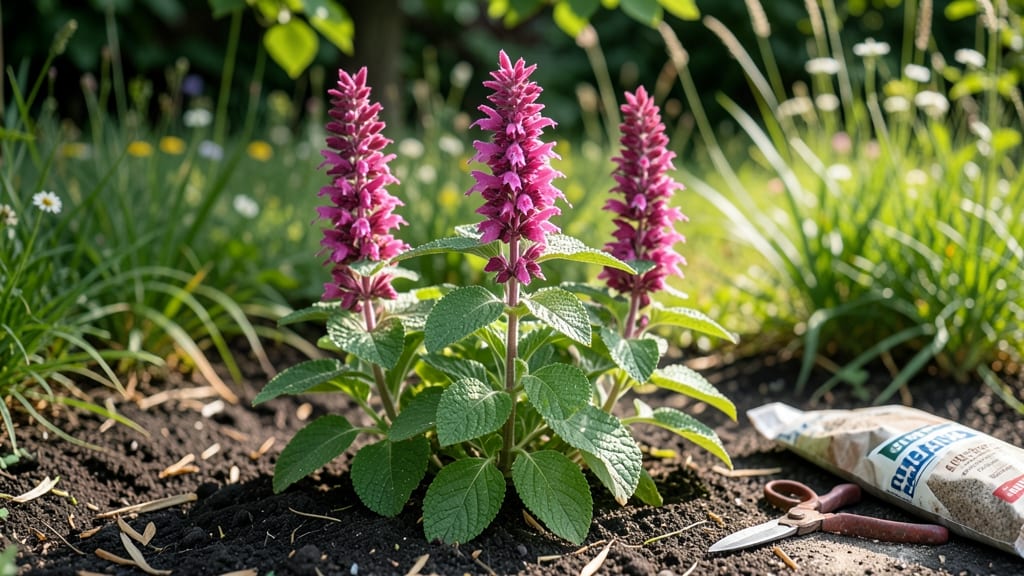
Monarda bee balm flowers transform your garden into a buzzing paradise. 🌿 I planted mine last spring after watching bees swarm around a neighbor's patch—now my yard is a magnet for pollinators, with those signature purple spires towering over the garden.
The secret lies in mimicking their natural woodland habitat: moist, rich soil and dappled sunlight that keeps the foliage lush without scorching the blooms.
The real magic happens when you pair the right conditions with minimal fuss. Bee balm thrives in part sun to full sun and demands consistent moisture—think of it as a thirsty plant that rewards you with weeks of vibrant blooms from midsummer to fall.
Deadheading spent flowers encourages a second flush, and dividing clumps every 3-4 years keeps them vigorous and pest-resistant.
What you’ll end up with is a garden that hums with life—bees, butterflies, and hummingbirds all vying for access to the nectar. The foliage has a minty scent when brushed, and the flowers attract so many pollinators that your veggie patches will thank you later.
Plus, deer and rabbits tend to leave it alone, making it a low-maintenance star.
Works beautifully in borders, cottage gardens, or even containers on a sunny patio. The key is patience—give it a season to establish roots, and it’ll repay you with bold, reliable blooms year after year. Ready to turn your garden into a pollinator hotspot?
📚 In This Guide
- What you need
- Instructions
- Tips and common mistakes
- Wrapping up and next steps
What you need
- ● Monarda bee balm seeds or plants: Choose Monarda didyma (common bee balm) or Monarda fistulosa (wild bergamot) for best results. Start with 3–5 plants for a small garden or 10+ for a pollinator-friendly border.
- ● Well-draining potting mix: Use a high-quality seed-starting mix (for seeds) or native soil blend (for outdoor planting). A 5-gallon bag covers ~10 plants.
- ○ Containers (optional for seeds): 4–6-inch pots with drainage holes or seed trays for starting indoors.
- ● Outdoor planting site: A sunny to partially shaded spot (6+ hours of sun/day) with moist, well-draining soil. Avoid waterlogged areas!
- ● Garden trowel or transplant spade – For digging holes (12–18 inches deep for roots).
- ● Watering can or hose with gentle spray nozzle – Keeps soil consistently moist (not soggy!).
- ○ Organic mulch (optional but recommended): 2–3 inches of shredded bark or straw to retain moisture and deter weeds.
- ○ Fertilizer (optional): A balanced, slow-release granular fertilizer (10-10-10 ratio) or compost mixed into soil at planting.
- ● Pruners (for maintenance): Bypass pruners for trimming spent blooms or leggy stems.
- ○ Pollinator-friendly companions (optional): Pair with coneflowers, lavender, or milkweed to attract even more bees and butterflies!
- ● Climate zone: Bee balm thrives in USDA Zones 4–9. Check your local frost dates for planting timing!
- ● Patience: Seeds take 10–14 days to germinate; established plants may bloom in 60–90 days.
- ● Time commitment: 10–15 minutes/day for watering and occasional weeding in early growth stages.
How to plant and grow thriving Monarda bee balm
Here's the straightforward approach I've used to grow lush, pollinator-friendly bee balm year after year.
🌱 Step 1: Choose the Perfect Location for Your Bee Balm
Monarda thrives in full sun to partial shade, with at least 4-6 hours of direct sunlight daily. I always plant mine where they'll get morning sun and afternoon shade—this prevents leaf scorch while keeping the flowers vibrant. The key is finding a spot with well-draining soil that stays moist but never soggy.
If your soil drains poorly, amend it with 2-3 inches of compost mixed into the top 12 inches of soil. Bee balm roots spread aggressively, so give each plant 2-3 feet of space for proper air circulation. This prevents fungal diseases that love crowded, damp conditions.
☀️ Step 2: Plant at the Right Time and Depth
Spring is ideal for planting bee balm, once soil temperatures reach at least 55°F. Dig a hole twice as wide as the root ball but only as deep—planting too deep suffocates the roots. Gently loosen the roots if they're circling tightly in the container.
Place the plant in the hole, backfill with native soil, and water deeply to eliminate air pockets. I always firm the soil gently with my hands to ensure good root-to-soil contact. The crown (where stems meet roots) should sit just above soil level—never buried.
💧 Step 3: Water Consistently and Mulch Properly
Keep the soil evenly moist but never waterlogged for the first 4-6 weeks after planting. Water at the base of the plant in the morning to allow foliage to dry during the day—this prevents powdery mildew, a common issue with bee balm. You'll know you're doing it right when the soil feels like a damp sponge, not a soggy mess.
Spread a 2-3 inch layer of organic mulch around each plant, keeping it 2 inches away from the stems. I use shredded hardwood mulch because it breaks down slowly and improves soil structure over time. Mulching also suppresses weeds, which compete with bee balm for nutrients.
✂️ Step 4: Prune for Health and More Blooms
After the first flush of blooms fades, cut back the spent flower spikes to just above the first set of healthy leaves. This encourages a second round of blooms later in the season. I always use clean, sharp pruners to make clean cuts—ragged edges invite disease.
In early spring, cut back the previous year's growth by one-third to promote fresh, vigorous new growth. Avoid heavy pruning in fall, as bee balm needs its foliage to harden off for winter. If your plant becomes leggy, prune selectively to maintain an open, airy shape.
🪴 Step 5: Divide and Maintain Over Time
Every 3-4 years, bee balm benefits from division to rejuvenate growth. Dig up the clump in early spring, separate into smaller sections with 3-5 stems each, and replant immediately. This prevents the center from dying out while keeping the plant vigorous.
Fertilize lightly in early spring with a balanced, slow-release fertilizer (10-10-10). Too much nitrogen produces lush foliage but fewer flowers—bee balm needs a gentle nudge, not a feeding frenzy. Watch for pests like Japanese beetles, which adore the flowers. Handpick them early in the day when they're sluggish.
Tips & tricks for thriving Monarda bee balm
Real talk: the difference between a struggling bee balm plant and one that thrives like a pollinator magnet often comes down to these small but critical details.
Lighting Strategy: While 4-6 hours of sunlight is ideal, I've found that morning sun with afternoon shade creates the perfect balance—especially in hotter climates. If your garden gets intense afternoon sun, consider a 50% shade cloth during peak hours to prevent leaf scorch while still allowing enough light for those stunning purple blooms.
Soil Science: The 2-3 inches of compost mixed into the top 12 inches of soil isn't just about drainage—it's about creating a microclimate that holds moisture while preventing compaction. I like to add a handful of perlite to the mix when amending heavy clay soils, which improves aeration without altering the moisture retention bee balm loves.
Watering Wisdom: That 4-6 week even moisture window is crucial for root establishment, but here's what nobody tells you: watering at the base in the morning isn't just about disease prevention—it's about giving the foliage time to dry completely. I've seen powdery mildew appear within days when people water in the evening, even when following all other instructions perfectly.
Pruning Precision: When cutting back spent flower spikes to just above the first set of healthy leaves, I always make the cut at a 45-degree angle. This small detail increases surface area for new growth while preventing water from pooling on the stem. For the early spring one-third pruning, I use a ratio of 1:3—one cut for every three stems—to maintain that open, airy shape without shocking the plant.
Pro Tips for Monarda Bee Balm Flower
- Real talk: the difference between a struggling bee balm plant and one that thrives like a pollinator magnet often comes down to these small but critical details.
- Lighting Strategy: While 4-6 hours of sunlight is ideal, I've found that morning sun with afternoon shade creates the perfect balance—especially in hotter climates.
- Soil Science: The 2-3 inches of compost mixed into the top 12 inches of soil isn't just about drainage—it's about creating a microclimate that holds moisture while preventing compaction.
Frequently asked questions
Got questions about growing and enjoying Monarda bee balm? You’re not alone! Here are answers to the most common queries to help you cultivate this stunning pollinator magnet with confidence.
How do I keep deer from eating my bee balm?
Deer love bee balm, but you can deter them with a few tricks! Plant it near deer-resistant companions like lavender, rosemary, or Allium (ornamental onions). Surround beds with physical barriers like chicken wire or use repellents with garlic or rotten eggs. A light spray of soapy water (1 tsp dish soap per gallon) can also work temporarily.
When is the best time to prune Monarda?
Prune bee balm twice a year for the best results. First, trim back 1/3 of the plant in early spring (before new growth) to encourage bushier blooms. Then, deadhead spent flowers in late summer to prolong blooming and prevent self-seeding. Never prune after frost—it can damage tender stems.
Why aren’t bees visiting my bee balm?
If bees are scarce, check these fixes:
- Timing: Bees thrive when flowers are fully open—wait until mid-morning.
- Water: Lightly mist plants on hot days to attract thirsty pollinators.
- Pesticides: Avoid chemicals—even "bee-safe" ones can deter them.
- Neighbors: Plant bee balm near other pollinator-friendly flowers (like coneflowers or milkweed) for a "buffet effect."
Can I grow bee balm in containers?
Choose a large container (at least 12" wide) with drainage holes and use well-draining potting mix. Varieties like Monarda 'Jacob Cline' (compact) thrive in pots. Place in full sun to partial shade and water consistently—containers dry out faster than garden beds. Fertilize lightly with balanced 10-10-10 in spring.
Why does my bee balm look leggy or floppy?
Leggy growth usually means your plant needs more light or support. Move it to a sunnier spot (6+ hours of direct sun daily) and stake tall varieties with soft ties or a cage support. If overcrowded, divide the plant every 3–4 years in early spring to improve airflow and vigor.
Wrapping up and next steps
Monarda, or bee balm, isn’t just a stunning addition to your garden—it’s a powerhouse for pollinators, beauty, and even culinary adventures! 🐝 With its bold purple spires, easy care, and dual-purpose appeal, it’s a must-have for any gardener.
Whether you’re luring bees, adding color to your landscape, or experimenting in the kitchen, this flower delivers impact and joy in every season.
Ready to grow your own? Start small—plant a few bee balm clumps this spring and watch your garden thrive with life and color! 🌸