
Flowers
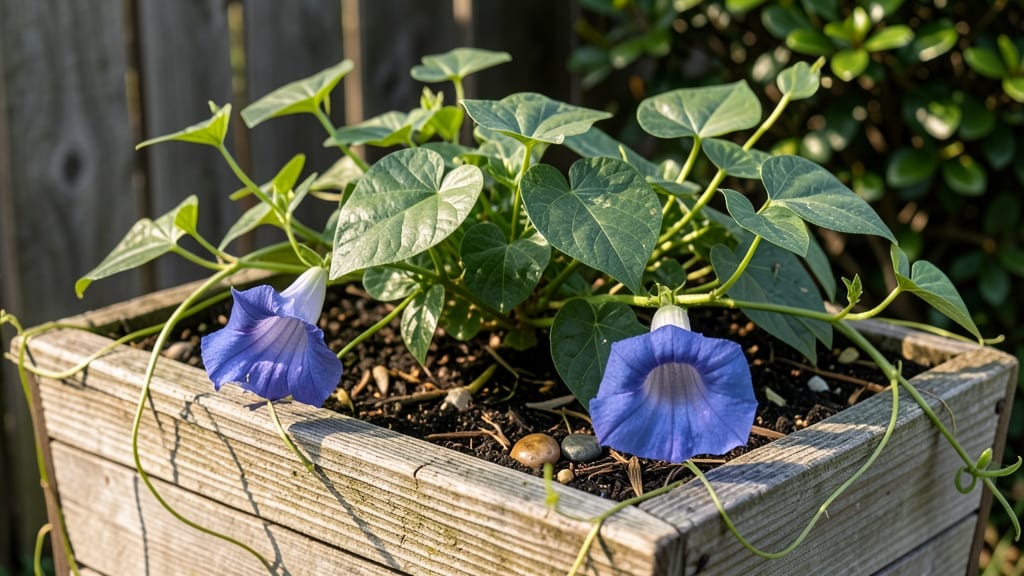
Those moonflower blue blooms unfurling at dusk are the closest thing to magic in a garden. 🌙 I planted my first vine last summer after seeing neighbors’ deep blue trumpets glowing under porch lights—now I’m hooked on their twilight romance.
The key to success? Mimicking their tropical roots while keeping care simple enough for beginners.
You’ll need a sun-drenched trellis (6-8 feet tall) and rich, well-draining soil mixed with compost—think moist but never soggy. Space seeds or transplants 12 inches apart in warm soil (after last frost), and watch for those first heart-shaped leaves within 2-3 weeks.
Patience pays off: vines grow 10-15 feet in one season, but blooms only appear after 60-90 days of steady warmth.
The payoff arrives when evening temperatures dip into the 70s: velvety blue flowers unfurl, releasing a honey-sweet scent that draws moths to your garden. Deadhead spent blooms to encourage more, and protect young vines from slugs (they adore tender new growth).
With proper support and care, you’ll have months of twilight displays—perfect for patios, pergolas, or even balcony containers in warm climates.
Works best in USDA Zones 9-11, but can be grown as an annual in cooler areas. Start seeds indoors 8-10 weeks before last frost for earlier blooms. Now, let’s get those vines climbing!
📚 In This Guide
- What you need
- Instructions
- Tips and common mistakes
- Wrapping up and next steps
What you need
- ● Moonflower blue seeds: 5–10 seeds (organic, non-GMO preferred for best results).
- ● Well-draining potting mix: 5–10 gallons (look for a blend with perlite or coconut coir for aeration).
- ● Large containers or garden beds: For containers: 5–7 gallon pots (with drainage holes) or a raised bed at least 12" deep.
- ● For in-ground planting: Full sun exposure (6+ hours daily) and loose, fertile soil.
- ● Compost or slow-release fertilizer: 1–2 cups (balanced 10-10-10 or organic options like worm castings).
- ● Trellis or sturdy support: 6–8 ft tall (bamboo stakes, metal arches, or a pergola work perfectly).
- ● Hand trowel or small shovel (for transplanting seedlings).
- ● Watering can or hose with a gentle spray nozzle (moonflowers love moisture but hate soggy roots!).
- ● Pruning shears (to trim dead vines and encourage blooms).
- ○ Gloves (optional but helpful for handling prickly vines).
- ○ Mulch (optional): Straw or shredded leaves (to retain soil moisture and suppress weeds).
- ● 🌡️ Climate note: Moonflowers thrive in USDA zones 10–12 but can be grown as annuals in cooler zones (start seeds indoors 4–6 weeks before last frost).
- ● ✨ Lighting hack: If your garden lacks full sun, supplement with a grow light (12–14 hours/day) for seedlings.
- ● 🎯 Soil test: Aim for a pH of 6.0–7.0 (use a test kit if unsure).
Step-by-step guide to cultivating moonflower blue vines
Here’s how to coax these ethereal, night-blooming beauties into your garden with minimal fuss.
🌱 Step 1: Choose the Perfect Planting Site
Moonflower blue thrives in warmth and partial shade, making it ideal for trellises near patios or fences where it can climb without competing for full sun. The key is well-draining soil—these vines hate soggy roots, so amend heavy clay with 2-3 inches of compost before planting. I always test the soil’s moisture by squeezing a handful; if it holds a shape but crumbles when pressed, it’s perfect.
Plant seeds or young vines after the last frost date when soil temperatures reach at least 65°F. Cold soil slows germination, and seedlings won’t tolerate chilly nights. If your climate runs cool, start seeds indoors 6-8 weeks before transplanting—they germinate quickly in warmth but need time to harden off.
☀️ Step 2: Provide Support and Light Balance
Install a 5-6 foot tall trellis or sturdy fence before planting—moonflowers grow 10-15 feet per season and need vertical support to avoid sprawling. I use bamboo stakes or metal mesh for durability, securing them firmly into the ground. The vines twine clockwise, so position the trellis where it won’t block walkways as they mature.
While they tolerate morning sun and afternoon shade, avoid deep shade entirely—this delays blooming. You’ll know the light is right when leaves stay deep green and glossy (not pale or yellowing). If stems stretch too long between leaves, it’s a sign of insufficient light—move the trellis closer to a sunny spot.
💧 Step 3: Water Deeply and Consistently
Water once a week during the first month, soaking the soil to 12 inches deep—moonflowers develop deep roots, and shallow watering encourages weak growth. Use a soaker hose or drip irrigation to avoid wetting leaves, which reduces fungal risks. I check moisture by sticking my finger 2 inches into the soil; if it’s dry, water again.
Once established, these vines are drought-tolerant, but never let them wilt. You’ll see the difference: healthy plants have thick stems and lush foliage, while stressed ones produce fewer blooms. Mulch with 2-3 inches of organic mulch (like shredded bark) to retain moisture and suppress weeds—just keep it 6 inches away from the stem to prevent rot.
✂️ Step 4: Prune and Encourage Nighttime Blooms
Deadhead spent blooms daily in the evening to redirect energy into new flowers. Moonflowers bloom only at night, so you’ll rarely see them open—check for wilted petals or seed pods the next morning. Prune leggy growth in early summer to promote bushier vines; cut back one-third of the longest stems just above a leaf node.
Fertilize once in early summer with a balanced, slow-release fertilizer (like 10-10-10) to support vigorous growth. Over-fertilizing leads to lush foliage but fewer blooms—these vines prioritize flowers over leaves. You’ll know it’s working when you see multiple buds forming along the stems by late summer.
⏰ Step 5: Protect and Extend the Season
Moonflowers are annuals in most climates, but you can prolong blooms by cutting back faded vines in fall and sowing new seeds the following spring. In colder zones, save seeds by letting a few pods dry on the vine, then store them in a cool, dark place until planting season.
If frost threatens, harvest seeds before the first freeze—they’ll germinate next year with no issues. I always label my seed packets with the year to avoid confusion. With the right care, these vines will reward you with silvery-blue blooms that open at dusk, filling your garden with a magical fragrance.
Tips & tricks for perfect moonflower blue vines
Here's what nobody tells you about growing these enchanting nighttime stars—lessons I learned after watching three batches of moonflowers fail before finally getting it right.
Soil Test Secret: Before planting, dig a small hole and fill it with water. If it drains completely within an hour, your soil is well-draining. If water remains after 24 hours, amend with more compost—moonflowers absolutely despise soggy roots. I've seen them thrive in sandy loam but wilt in clay-heavy soil despite my best efforts. The 2-3 inches of compost mentioned isn't optional—it's non-negotiable for most garden soils.
Light Balance Hack: Position your trellis where it gets morning sun but afternoon shade—this mimics their natural tropical habitat. I place mine near my east-facing patio where it catches the early sun but gets filtered light through nearby trees in the afternoon. Watch for leaves that develop a yellowish cast; that's your plant screaming for better light conditions. The 5-6 foot trellis height is perfect because it elevates the vines above ground-level shade while still allowing air circulation.
Watering Wisdom: That 12-inch deep watering during the first month isn't just about quantity—it's about creating deep root systems. I use a long screwdriver to check depth after watering; if it comes out dry at 12 inches, I water again. Once established, you can reduce to every 10-14 days depending on rainfall, but never let the soil dry out completely. The 2-inch soil moisture check is your best friend—if it's dry at that depth, water immediately.
Pruning Paradox: The one-third pruning in early summer might seem drastic, but trust me—it works wonders. I cut back the longest stems to just above a leaf node, and within weeks, you'll see bushier growth with more blooms. The key is timing: do this pruning when you see the first flush of flowers beginning to open. This redirects the plant's energy from vertical growth to producing more flowers, which is exactly what we want for those magical nighttime displays.
Pro Tips for Moon Flower Blue
- Here's what nobody tells you about growing these enchanting nighttime stars—lessons I learned after watching three batches of moonflowers fail before finally getting it right.
- Soil Test Secret: Before planting, dig a small hole and fill it with water.
- Light Balance Hack: Position your trellis where it gets morning sun but afternoon shade—this mimics their natural tropical habitat.
Frequently asked questions
Got questions about growing moonflower blue? You're not alone!
Here are the most common inquiries—plus straightforward answers—to help you cultivate these enchanting night-blooming vines with confidence.
When does moonflower blue bloom, and how long do the flowers last?
Moonflower blue typically blooms after sunset, opening around dusk and closing by early morning. Each flower lasts just one night, but the vine produces new blooms nightly during its growing season (summer to early fall). For continuous magic, plant multiple vines or choose varieties like Ipomoea alba for extended flowering.
How fast does moonflower blue grow, and how tall will it climb?
This vine grows rapidly—up to 6–10 inches per week in ideal conditions! With proper support (like a trellis or fence), it can climb 10–15 feet in a single season. Start training it early to avoid tangled growth, and prune lightly to encourage bushier blooms.
Why aren’t my moonflower blue vines blooming, even though they’re healthy?
No blooms? Check these fixes:
- Light: Needs full sun (6+ hours daily)—partial shade may delay flowers.
- Water: Keep soil evenly moist but not soggy; drought stress can halt blooming.
- Fertilizer: Use a balanced, low-nitrogen feed (like 5-10-10) when vines start climbing.
- Age: Young plants (under 6 weeks) focus on foliage—be patient!
Can moonflower blue survive winter, or do I need to replant yearly?
In USDA Zones 9–11, moonflower blue is perennial and may return if given winter mulch. In colder zones (below Zone 8), treat it as an annual—save seeds or replant each spring. Pro tip: Deadhead spent blooms to redirect energy to next year’s growth!
What’s a good alternative if moonflower blue doesn’t thrive in my climate?
Try these night-blooming or shade-tolerant vines:
- Evening Primrose (Oenothera) – Hardy, fragrant, and blooms in cooler climates.
- Nicotiana (Flowers by Moon) – Fast-growing, sweet-scented annual with blue/purple blooms.
- Honeysuckle (Lonicera) – Perennial with tubular flowers that attract moths.
Wrapping up and next steps
Growing moonflower blue vines is like inviting a touch of twilight magic into your garden—simple yet rewarding! With the right soil, sunlight, and patience, these enchanting night-bloomers will transform your space into a serene, moonlit haven. 🌙✨
Now that you’re armed with tips and tricks, take the next step: plant your seeds or cuttings this season and watch your garden glow under the stars. Share your progress with fellow plant lovers—your moonflower blue journey could inspire others to embrace the beauty of night-blooming wonders!