
Pests
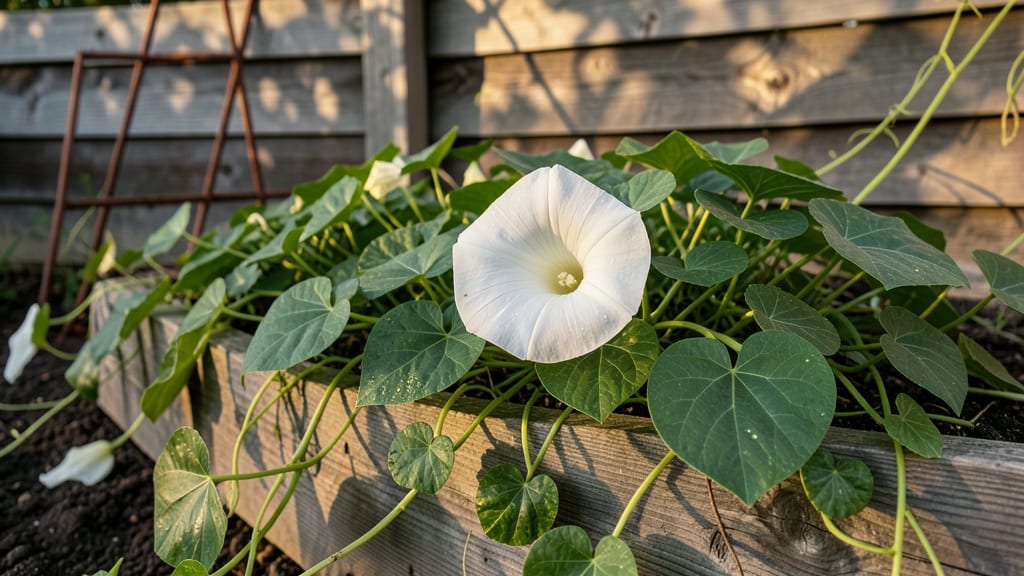
Transforming your garden into a moonlit sanctuary starts with moonflowers—those delicate, white blooms that unfurl only after sunset. 🌙 I’ve seen them light up summer nights like nature’s own lanterns, drawing hummingbirds and moths in a dazzling nocturnal ballet.
The magic isn’t just in their beauty but in how they turn a quiet evening into a living spectacle.
Plant them near seating areas, patios, or along pathways where their glow can be fully appreciated. Pair them with fragrant night-bloomers like evening primrose or jasmine to amplify the sensory experience. A simple string light or solar lantern nearby will highlight their ethereal petals without overpowering their natural charm.
By mid-summer, you’ll have a garden that comes alive after dark—softly luminous, alive with pollinators, and utterly enchanting. The scent of honey and damp earth blends with the rustle of wings, creating a nighttime oasis that feels like a secret escape. Ready to bring this magic to your space?
Even small gardens can accommodate moonflowers—just give them a sturdy trellis or let them sprawl along fences. Their vines grow fast, so plan for their vertical reach early. The key is patience: these blooms reward you with their fleeting, luminous displays, making every night feel like a special occasion.
📚 In This Guide
- What you need
- Instructions
- Tips and common mistakes
- Wrapping up and next steps
What you need
- ● Moonflower seeds: 5–10 seeds (organic, non-GMO preferred for best growth).
- ● Growing containers or garden bed: Containers: 5–10 gallon pots with drainage holes (1–2 per vine).
- ● Garden bed: Well-draining soil in a sunny, sheltered spot (6+ hours of sunlight daily).
- ● Potting mix: High-quality, well-aerated mix (e.g., 60% compost, 30% coco coir, 10% perlite).
- ● Support structure: Trellis, fence, or tall stake (8–10 feet for climbing vines).
- ○ Optional: Soft twine or garden ties for gentle guidance.
- ● Watering can or hose: With a gentle spray nozzle for moisture control.
- ● Fertilizer: Slow-release organic fertilizer (e.g., 10-10-10 or compost tea).
- ● Mulch (straw or wood chips) to retain soil moisture.
- ● Pollinator-friendly companion plants (e.g., evening primrose or night-blooming jasmine).
- ● Garden gloves for handling seeds/soil.
- ● Pruning shears (for trimming vines in late winter).
- ● Moonlight reflector (DIY with white fabric or store-bought) to boost night blooms.
How to grow moonflowers for stunning nighttime blooms
Here's how to coax these nocturnal beauties into your garden—simple steps for dramatic evening displays.
🌱 Step 1: Choose the Perfect Planting Spot
Moonflowers thrive in full sun to partial shade—at least 6 hours of sunlight daily—but they reward you with their magic when nights are dark. I always pick a spot near a patio or seating area where you can enjoy their 3-5 inch wide, creamy-white blooms opening after sunset. They climb quickly, so provide a trellis, fence, or sturdy support at least 6-8 feet tall—they'll twine eagerly.
Here's the thing—moonflowers hate soggy roots. Amend heavy clay soil with 2-3 inches of compost before planting, and ensure the area drains well. If your soil stays damp for more than 24 hours after rain, raise the planting mound slightly or choose a container with drainage holes. The roots will thank you with stronger growth and more prolific blooms.
🌿 Step 2: Plant Seeds or Transplants at the Right Time
Start seeds indoors 8-10 weeks before your last frost date if you're in a cooler climate, or direct-sow after the soil warms to 60°F in spring. I've found that moonflowers germinate best when planted ½ inch deep—too shallow and they dry out before sprouting. Press 2-3 seeds per spot (they're not expensive, and germination rates can be spotty), then cover lightly with soil.
Keep the soil consistently moist but not soggy until seedlings emerge—10-14 days in ideal conditions. Once they sprout, thin to the strongest plant per spot. If you're transplanting, handle the roots gently—moonflowers have delicate taproots that don't like disturbance. Water deeply the day before moving them to help reduce shock.
☀️ Step 3: Support Growth and Encourage Climbing
Moonflowers grow 6-10 feet per season, so their vines need support from day one. I like to weave the young tendrils through a trellis or fence as they emerge—this trains them to climb correctly and prevents tangled messes later. If you wait too long, the vines will sprawl wildly, and you'll spend hours untangling them.
Water deeply 1-2 times per week during dry spells, focusing on the base of the plant. The key is consistency—moonflowers wilt dramatically if they dry out, but they bounce back quickly once watered. You'll notice the leaves perk up within 30 minutes of a good soak, and new growth will appear within a week. Fertilize lightly with a balanced 10-10-10 formula every 4-6 weeks to encourage lush foliage and more blooms.
⏰ Step 4: Enjoy the Nighttime Show
The real magic happens at dusk. Moonflowers typically bloom 2-3 hours after sunset, opening their fragrant, trumpet-shaped flowers to attract moths and nocturnal pollinators. The blooms last only one night—they close by morning and wilt by noon—but new flowers open every evening for 6-8 weeks if conditions are right.
To extend the season, deadhead spent blooms in the morning (they'll drop on their own, but removing them keeps the plant focused on producing new flowers). In warmer climates, moonflowers may rebloom in fall if temperatures stay above 50°F at night. Here's the fun part: if you let a few seeds drop, you might get volunteer plants next year—just dig them up and transplant them in spring.
Tips & tricks for perfect moonflower vine at night
Here’s how to turn your moonflower dreams into a nighttime garden spectacle—without the common pitfalls that leave you with wilted vines.
Sunlight Strategy: While moonflowers love full sun, I’ve learned the hard way that too much afternoon heat can stress them before nightfall. If your location gets intense midday sun, provide afternoon shade during their first month of growth. This helps them establish strong roots for those dramatic evening blooms. The 6 hours of sunlight mentioned in Step 1 should include morning sun—this gives them energy for their nocturnal display.
Seedling Survival Secret: When planting those 2-3 seeds per spot in Step 2, I recommend using biodegradable seed-starting pots instead of transplanting bare roots. This keeps the delicate taproots intact and reduces shock. If you’re direct-sowing, mark the spots with small sticks so you don’t accidentally disturb seedlings when thinning. The 10-14 day germination window can feel like forever—patience pays off with those first tender leaves!
Climbing Confidence: Don’t wait until the vines are sprawling to train them in Step 3. I start guiding the tendrils through my trellis when they’re just 3-4 inches tall. This creates a natural climbing habit and prevents the tangled messes that happen when you wait. Pro tip: Use a soft garden twine to loosely tie the vines to the support—this prevents damage as they grow.
Nighttime Bloom Boost: To maximize those 2-3 hours after sunset blooms, I’ve found that a light evening watering (just enough to dampen the soil) helps. The moisture encourages the flowers to open fully. And here’s a little-known trick: If you notice your blooms aren’t opening as dramatically, check your nighttime temperatures. They need at least 50°F to perform their magic—colder nights can delay or reduce blooming.
Pro Tips for Moonflower At Night
- Here’s how to turn your moonflower dreams into a nighttime garden spectacle—without the common pitfalls that leave you with wilted vines.
- Sunlight Strategy: While moonflowers love full sun, I’ve learned the hard way that too much afternoon heat can stress them before nightfall.
- Seedling Survival Secret: When planting those 2-3 seeds per spot in Step 2, I recommend using biodegradable seed-starting pots instead of transplanting bare roots.
Frequently asked questions
about moonflower vines at night—because even magical blooms come with curious minds! Here are answers to common queries to help you embrace the moonlit magic with confidence.Why does the moonflower only open at night?
The moonflower (Ipomoea alba) is a nocturnal pollinator magnet! Its large, fragrant blooms unfold after sunset to attract moths and bats, which pollinate it under the moonlight. This adaptation makes it a pest-free (for daytime insects) and low-maintenance beauty—just enjoy its show after dark!
How long does a moonflower bloom last?
Each individual bloom lasts just one night, opening around dusk and wilting by dawn. However, the vine produces continuous flowers throughout the growing season (summer to fall), so you’ll always have fresh blooms to admire. Prune spent flowers to encourage more growth!
Will moonflowers attract unwanted pests like mosquitoes?
While moonflowers do attract pollinators like moths, they’re not a major mosquito magnet. Mosquitoes prefer stagnant water, so keep your garden well-drained. Plus, the vine’s fast growth and self-cleaning nature (dropping leaves/dead blooms) keeps pests in check. A win-win!
Can I grow moonflowers in containers?
Moonflowers thrive in large containers (15+ gallons) with well-draining soil and a trellis for support. Place them in full sun to partial shade and water regularly. Just ensure the pot has drainage holes to prevent root rot. Perfect for balconies or patios!
What if my moonflower isn’t blooming?
Check these fixes:
- Sunlight: Needs 6+ hours of sun daily (partial shade in hot climates).
- Water: Keep soil evenly moist but not soggy.
- Fertilizer: Use a balanced, low-nitrogen feed (like 10-10-10) monthly.
- Prune: Trim leggy vines to encourage bushier growth.
Wrapping up and next steps
The moonflower vine at night is more than just a stunning spectacle—it’s a lifeline for pollinators like moths and bats, transforming your garden into a nocturnal haven. 🌙✨ By planting this easy-care vine, you’re not only adding beauty but also supporting biodiversity in your backyard.
Ready to take the next step?
🌱 Your Action Plan
- Pick a spot—sunny and roomy is key!
- Grab your supplies (seeds, soil, and a trellis).
- Plant and wait—soon, your garden will glow under the moonlight!
Start small, dream big, and watch your garden—and its nighttime visitors—thrive! 🌿💫