
Flowers
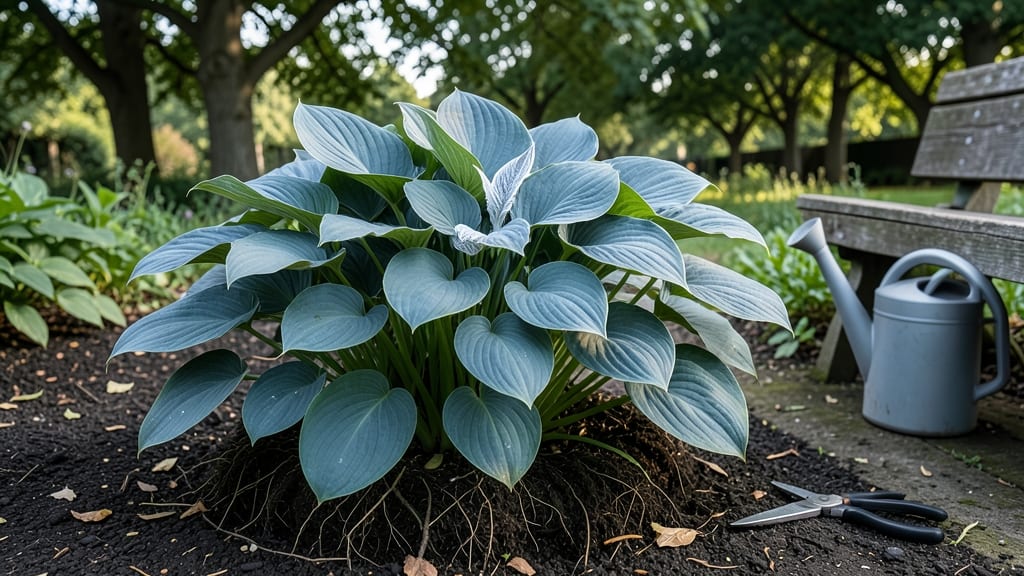
Mostly shade flowers can turn your dim corners into a lush, vibrant retreat—no more boring green patches. 🌿 I used to think shade gardens meant sad, sparse foliage, but the right blooms thrive where sunlight barely reaches, bursting with color where others fail.
Think hostas with their bold foliage, bleeding hearts that spill pink and white like watercolors, or impatiens that explode in reds and purples by midsummer. These plants don’t just survive in shade—they outperform sun-loving flowers, with some blooming for months instead of weeks.
The secret? Matching their light needs to your space, whether it’s dappled shade under trees or deep, full shade against a north wall.
What you’ll end up with is a garden that feels alive year-round—fragrant peonies in spring, velvety black baneberry in summer, and dramatic hellebores that bloom in winter’s chill. The colors layer like a painter’s palette: deep purples, jewel-toned blues, and creamy whites that catch the light just right.
Best of all? These flowers attract pollinators even in low-light conditions, turning your garden into a thriving ecosystem.
Whether you’re working with a woodland edge, a north-facing patio, or just a spot under your favorite tree, these shade stars adapt effortlessly. The key is layering plants by height and bloom time—tall astilbes in back, mid-height foxgloves in the middle, and trailing sweet woodruff at the front.
Let’s bring your shadowy spots to life!
📚 In This Guide
- What you need
- Instructions
- Tips and common mistakes
- Wrapping up and next steps
What you need
- ● Flower varieties: Choose from shade-tolerant picks like impatiens, ferns, hostas, astilbes, heucheras, or Japanese anemones (3–5 plants per square foot for full coverage).
- ● Potting soil or garden soil: 2–3 bags of well-draining, organic-rich soil (amend with compost if your soil is heavy or clay-based).
- ● Containers or garden space: Containers: 10–12-inch pots (1–2 plants per pot) with drainage holes.
- ● Garden beds: A partially shaded area (4+ hours of dappled light daily).
- ● Mulch: 1–2 bags of shredded bark or pine straw (to retain moisture and suppress weeds).
- ● Garden tools: Trowel or small shovel
- ● Pruners (for trimming dead foliage)
- ● Gloves (to protect your hands)
- ● Watering can or hose: With a gentle spray nozzle for delicate seedlings.
- ○ Fertilizer (optional): Slow-release balanced fertilizer (10-10-10) or compost tea for a nutrient boost.
- ○ Support stakes (optional): For taller varieties like astilbes or cannas.
Step-by-Step guide to designing a stunning shade garden
Here's how to create a vibrant, low-maintenance shade garden that blooms beautifully.
🌱 Step 1: Choose the Right Shade-Tolerant Plants
Select flowers that thrive in partial to full shade—think hostas, astilbes, bleeding hearts, impatiens, and ferns. I always opt for bold foliage plants like heucheras and coral bells to anchor the design, then layer in colorful blooms like hydrangeas and Japanese anemones. These plants tolerate 4-6 hours of dappled light or even full shade in some cases.
Check each plant's label for light requirements—some varieties labeled "partial shade" still need morning sun, while others do better in deep shade. Group plants with similar needs together for consistent performance. For example, impatiens and fuchsias love bright, indirect light, while bleeding hearts and hellebores prefer dappled or filtered shade.
☀️ Step 2: Assess Your Shade Conditions
Not all shade is equal—north-facing shade is cooler and moister, while east-facing shade gets morning sun. I use a simple test: Observe the area for 24 hours to note how sunlight shifts throughout the day. If the spot stays completely dark, focus on deep-shade plants like liriope, ajuga, or astilbe. If it gets some light filtering through, mix in partial-shade bloomers like begonias or asters.
Pay attention to humidity levels—shady spots often retain more moisture, so avoid plants prone to root rot unless your soil drains well. Amend heavy clay soil with 2-3 inches of compost to improve drainage and aeration. This small step prevents soggy roots and keeps plants thriving.
💧 Step 3: Prepare the Soil for Moisture-Retentive Growth
Shade plants prefer rich, well-draining, but moisture-retentive soil. I mix equal parts garden soil, compost, and peat moss to create a loamy, fertile base. This blend holds moisture without becoming waterlogged—a critical balance for shade gardens. Add a slow-release fertilizer (like 10-10-10) at planting time to give roots a nutrient boost.
Test your soil’s pH—many shade-loving plants, like hydrangeas and azaleas, prefer slightly acidic soil (pH 5.5-6.5). If your soil is alkaline, amend with sulfur or pine needles to lower the pH gradually. Mulch with 3-4 inches of shredded bark or wood chips to retain moisture, suppress weeds, and regulate soil temperature.
🪴 Step 4: Plant with Layered Depth and Texture
Create visual interest by planting in layers: Start with tall plants (5-6 feet) like astilbes or ligularia at the back, then add mid-height bloomers (2-3 feet) such as heucheras or ferns, and finish with low-growing ground covers (6-12 inches) like ajuga or sweet woodruff. This arrangement ensures no plant feels lost in the shade.
Space plants 12-24 inches apart, depending on their mature size. Overcrowding leads to competition for nutrients and light, which stunts growth. Water deeply after planting to settle the soil and encourage root establishment. Keep the area consistently moist for the first 2-3 weeks—this is when roots develop most actively.
✂️ Step 5: Maintain with Minimal Effort
Shade gardens thrive with regular but light maintenance. Remove spent blooms from impatiens, begonias, and fuchsias to encourage continuous flowering. Prune overgrown foliage in early spring to tidy the space, but avoid heavy pruning in fall—this can stress shade-loving plants.
Fertilize once in early spring with a balanced, organic fertilizer to support new growth. Monitor for pests like slugs and snails, which love tender shade plants. Set out beer traps or diatomaceous earth as a natural deterrent. With proper care, your shade garden will burst with bold color and texture all season long.
Tips & tricks for perfect shade garden design
These little-known strategies will help you create a thriving shade garden that's both beautiful and resilient.
Light Assessment: The 24-hour observation test in Step 2 is your best friend. I've seen gardeners skip this and plant the wrong varieties—leading to disappointment. Use a small whiteboard to mark sunlight patterns throughout the day. North-facing areas often stay cooler and damper, while east-facing spots get morning warmth. This simple tracking prevents costly mistakes when selecting plants like impatiens versus hellebores.
Soil Mixing: When preparing your soil blend in Step 3, don't just eyeball the compost-to-soil ratio. Use a wheelbarrow or large bucket to measure equal parts garden soil, compost, and peat moss. I've ruined batches by using too much peat moss—it can become hydrophobic and repel water. The goal is moisture retention without waterlogging, so aim for that perfect loamy texture that holds water like a sponge but still drains freely.
Layering Strategy: The height guidelines in Step 4 are flexible, but here's the pro move: use odd-numbered groupings (3, 5, or 7 plants) for each layer rather than even numbers. This creates natural visual rhythm and prevents that "too-perfect" look. For example, place 5 astilbes at the back, 3 heucheras in the middle, and 7 sweet woodruff plants at the front. The asymmetry feels more organic and inviting.
Maintenance Hack: For Step 5's pest control, try this instead of just beer traps: place shallow dishes filled with soapy water around your garden. Slugs and snails will fall in and drown—it's more effective than beer traps and doesn't attract wasps. I've reduced my slug population by 80% using this method. Also, prune in the morning when plants are dry to prevent fungal issues from wet foliage.
Pro Tips for Mostly Shade Flowers
- These little-known strategies will help you create a thriving shade garden that's both beautiful and resilient.
- Light Assessment: The 24-hour observation test in Step 2 is your best friend.
- Soil Mixing: When preparing your soil blend in Step 3, don't just eyeball the compost-to-soil ratio.
Frequently asked questions
Got questions about growing mostly shade flowers? You’re not alone!
Here are some of the most common queries—and their easy answers—to help you cultivate a thriving shade garden with confidence.
What are the best mostly shade flowers for beginners?
Start with hardy, low-maintenance picks like impatiens, hostas, or astilbes. These tolerate shade well, bloom reliably, and forgive occasional neglect. For instant color, try heucheras (with their striking foliage) or bleeding hearts—both are forgiving and stunning.
How long does it take for mostly shade flowers to bloom?
Timing varies! Fast bloomers like impatiens or coleus may flower in 6–8 weeks from transplanting, while perennials like hostas or foxgloves can take 1–2 seasons to establish and reward you with blooms. Patience pays off—shade plants often surprise with longevity!
Can I grow mostly shade flowers in containers?
Opt for compact varieties like dwarf impatiens, bromeliads, or caladiums. Use well-draining soil and containers with drainage holes. Place pots where they get 4–6 hours of indirect light daily. Just keep soil consistently moist—containers dry out faster than garden beds.
Why aren’t my mostly shade flowers blooming?
Check these fixes:
- Light levels: Are they getting any sunlight? Some shade-lovers (like astilbes) need dappled light.
- Fertilizer: Shade plants often need balanced, slow-release fertilizer (like 10-10-10) to encourage blooms.
- Overcrowding: Trim dead leaves and thin plants if they’re competing for nutrients.
Are there mostly shade flowers that attract pollinators?
Yes! Skip the impatiens (they’re sterile) and choose bee-friendly options like foxgloves, columbines, or shade-loving asters. Even heucheras can attract pollinators with their nectar-rich flowers. Pair them with ferns or hostas for a pollinator paradise that thrives in low light.
Wrapping up and next steps
Transforming your shady spots into a vibrant garden isn’t just possible—it’s easy and rewarding! 🌿 From the bold Impatiens to the delicate Hosta, these mostly shade flowers prove that low-light areas can be just as stunning as sunny ones.
With the right choices and a little care, you’ll create a lush, thriving retreat that blooms with personality.
Ready to take the next step? Start small—pick one or two plants from this list, experiment with combinations, and watch your garden flourish. Happy planting! 🌸