
Flowers
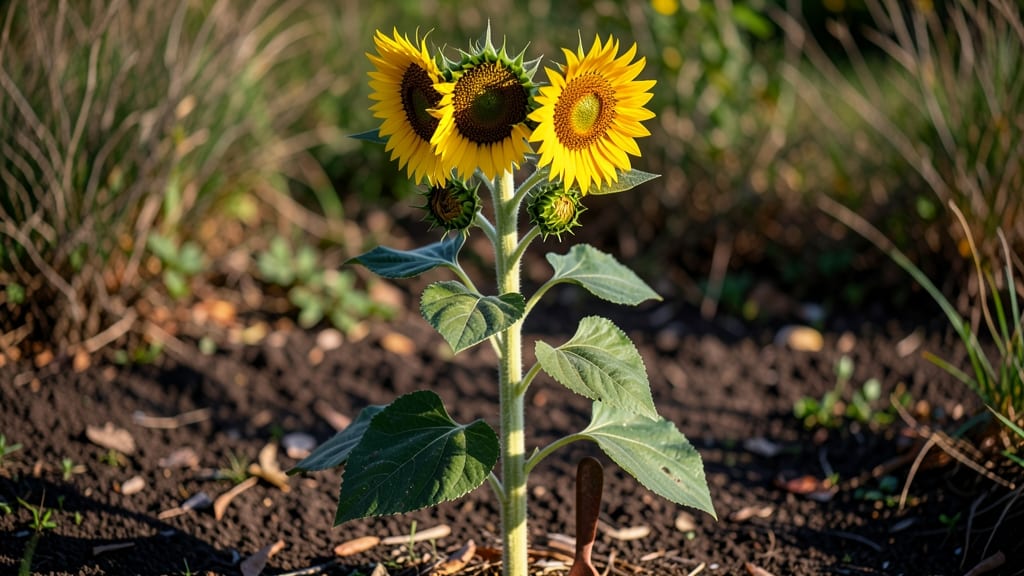
Growing multi-flower sunflowers like Moulin Rouge or Teddy Bear means trading one giant bloom for a towering display of cheerful faces—and the best part?
They thrive in just 90 days with almost no fuss. 🌻 I’ve watched these sunflowers transform a patch of soil into a sunlit confetti explosion, their velvety petals swaying even in light breezes.
The secret isn’t complicated: it’s all about the right spacing, a little patience, and knowing when to step back and let nature do the work.
You’ll need full sun (at least 6-8 hours daily), well-draining soil, and a spot where they can stretch their legs—3-4 feet tall is standard, but some varieties reach 6 feet when happy. Plant seeds ½ inch deep, 12-18 inches apart, and give them room to grow.
Water consistently but avoid soggy soil, which invites rot. A balanced fertilizer at planting and a mid-season boost keeps those blooms coming, not just one dramatic showstopper.
What you’ll end up with is a sunflower bush that looks like a bouquet in the making—dozens of blooms instead of one. The petals stay vibrant longer, the stems are sturdy enough for cutting, and even the birds will thank you for the extra seeds.
Prune spent blooms to encourage more flowers, and watch as your garden becomes the neighborhood’s brightest spot.
Works in containers (for patios) or direct-sown in gardens, and even drought-tolerant once established. The only real challenge? Resisting the urge to harvest them all at once—leave a few for the bees and butterflies. Ready to grow a sunflower spectacle with minimal effort?
📚 In This Guide
- What you need
- Instructions
- Tips and common mistakes
- Wrapping up and next steps
What you need
- ● Sunflower seeds: Choose multi-flowered varieties like ‘Moulin Rouge’ or ‘Autumn Beauty’ (10–20 seeds, depending on desired yield).
- ● High-quality potting soil: 5–10 gallons (well-draining, organic mix with compost).
- ● Containers or garden bed: Containers: 5–10 gallon pots (at least 12" deep) with drainage holes.
- ● Garden bed: Full sun (6+ hours/day) and loose, fertile soil.
- ● Watering can or hose: With a gentle spray nozzle for seedlings.
- ● Fertilizer: Balanced (10-10-10) or organic options like compost tea or fish emulsion.
- ● Seedling trays (for starting indoors).
- ● Garden trowel or transplanting tool.
- ○ Stakes or trellis (3–4 ft tall) for support (optional for heavier blooms).
- ● Pruning shears (to encourage bushier growth).
- ● Mulch (straw or shredded leaves) to retain moisture.
- ● Warm soil (60°F+ for planting) or a sunny indoor seed-starting setup.
- ● Patience! Sunflowers thrive with minimal fuss but need consistent care.
Step-by-step instructions for growing lush multi-flower sunflowers
Here's how to coax those bold, branching sunflowers into a thriving display—no green thumb required.
🌱 Step 1: Select and Prepare the Right Variety
Choose a multi-branching sunflower variety like 'Moulin Rouge' or 'Autumn Beauty'—these are bred to produce 3-5 stems per plant instead of a single stalk. You'll want 4 seeds total to ensure at least 3 strong plants (sunflowers have a high germination rate but can be finicky about spacing).
Soak seeds overnight in lukewarm water to soften the outer shell—this speeds germination by 24-48 hours. I use a shallow dish with a damp paper towel to prevent seeds from floating away. The goal is to see the seed coat wrinkle slightly, signaling it's ready to sprout.
After soaking, plant seeds ½ inch deep in well-draining soil. Press them gently—sunflower seeds need firm contact with soil to germinate reliably. If planting directly outdoors, wait until soil temperatures reach at least 55°F (a soil thermometer helps here).
☀️ Step 2: Position for Maximum Sun and Space
Sunflowers demand full sun (6+ hours daily)—no compromises. If your garden gets only partial sun, expect fewer blooms and weaker stems. I stake my plants early (using 3-foot bamboo stakes) to prevent them from toppling in wind, especially as they approach 5-6 feet tall.
Space plants 18-24 inches apart—crowding leads to leggy stems and fewer side branches. The reason? Sunflowers need room to photosynthesize efficiently. You'll see strong, sturdy growth when plants have this much elbow room. If growing in containers, use at least 12-inch diameter pots with drainage holes.
Mulch around the base with 2-3 inches of organic mulch (like straw or shredded leaves) to retain moisture and suppress weeds. Keep mulch 2 inches away from stems to prevent rot. Water deeply 2-3 times per week until plants reach 12 inches tall, then taper to once weekly once established.
💧 Step 3: Fertilize and Prune for Branching Growth
Feed plants with a balanced 10-10-10 fertilizer when they reach 6 inches tall, then again when buds form. I use ½ teaspoon per plant mixed into the soil surface—too much nitrogen now promotes leafy growth at the expense of flowers. Look for new side shoots emerging from the leaf axils (the junction where leaves meet the stem).
Here's the trick: pinch back the main stem when it reaches 3-4 feet tall. Use clean pruners to snip just above a set of leaves where side branches are starting to form. This redirects energy to lateral growth, resulting in 3-5 flower heads per plant instead of one. You'll see new shoots within 7-10 days—that's your signal it worked.
Remove any weak or leggy stems that aren't producing side branches. Focus on keeping 3-4 strong stems per plant—this ensures the remaining flowers get enough nutrients to bloom fully. Deadhead spent blooms to encourage more flowers, but leave some seed heads for birds if you're okay with them being harvested.
⏰ Step 4: Monitor for Pests and Harvest at Peak
Watch for aphids or sunflower moths—they love the sap. Spray infested areas with neem oil or introduce ladybugs for natural control. I also rotate plants weekly to confuse pests that rely on scent trails. If leaves yellow or wilt suddenly, check for powdery mildew (common in humid climates) and treat with a baking soda spray (1 tablespoon per quart of water).
Harvest blooms when petals are fully open but still vibrant—usually morning after a cool night. Cut stems at a 45-degree angle and place in lukewarm water immediately to extend vase life. For seed heads, wait until back of petals browns (about 2 weeks after flowering), then hang upside down in a dry, dark place to cure for 2 weeks.
Save seeds for next year by drying them completely, then storing in a paper envelope in a cool, dark place. Label with the variety and date—sunflower seeds stay viable for 2-3 years if stored properly. You'll know they're ready when they rattle inside the dried head.
Tips & tricks for towering multi-flower sunflowers
Here's what nobody tells you about growing sunflowers that actually deliver those dramatic, multi-stemmed blooms.
Seed Preparation: The overnight soak in lukewarm water is non-negotiable—it softens the tough seed coat and speeds germination by 24-48 hours. But here's the secret: use distilled water if your tap water has chlorine. I learned this the hard way when my first batch took 10 days to sprout instead of the expected 3-5 days. The chlorine inhibits germination. Also, place a weight on the seeds (like a small plate) while soaking to ensure they stay submerged and don't float away.
Pruning Strategy: When you pinch back that 3-4 foot main stem, you're not just encouraging branching—you're triggering a hormonal response that forces the plant to produce auxin in the side buds. This is why you'll see those new shoots appear within 7-10 days as mentioned. Here's what I do: make the cut on a dry day when the stems are firm, and always use sterilized pruners to prevent disease. I also mark the pinch point with a small flag so I remember where I cut—this helps me track growth progress.
Sunlight Optimization: Those 6+ hours of full sun are critical, but what happens if you're in a partial sun area? Position your sunflowers to capture the morning sun (east-facing) and late afternoon sun (west-facing). The midday sun can scorch leaves, so if you must use afternoon sun, provide some afternoon shade during peak hours. I've seen sunflowers in partial sun still produce 3-4 stems, though they'll be slightly smaller—it's better than nothing if that's all you have.
Container Growing: If you're growing in containers, remember that 12-inch diameter pots are the minimum, but deeper is better. Sunflowers have deep taproots that need room to establish. I use 18-inch deep containers for my sunflowers and fill them with a mix of 60% potting soil, 30% compost, and 10% perlite for drainage. The extra depth helps prevent the plants from becoming root-bound, which can stunt their growth and reduce flowering.
Pro Tips for Multi Flower Sunflowers
- Here's what nobody tells you about growing sunflowers that actually deliver those dramatic, multi-stemmed blooms.
- Seed Preparation: The overnight soak in lukewarm water is non-negotiable—it softens the tough seed coat and speeds germination by 24-48 hours.
- Pruning Strategy: When you pinch back that 3-4 foot main stem, you're not just encouraging branching—you're triggering a hormonal response that forces the plant to produce auxin in the side buds.
Frequently asked questions
Got questions about growing multi-flower sunflowers?
You’re not alone! Here are answers to the most common queries to help you cultivate stunning, towering blooms with ease.
How do I encourage my sunflower to grow multiple blooms instead of just one?
Multi-flower sunflowers naturally produce clusters, but you can maximize blooms by pinching off side buds early (if growing single-stem varieties) or choosing ‘Moulin Rouge’ or ‘Teddy Bear’ hybrids, which are bred for prolific branching. Overcrowding plants can also reduce flower count—space them 12–18 inches apart for optimal air circulation and sunlight.
When is the best time to plant multi-flower sunflowers for continuous blooms?
For a longer flowering season, plant seeds in two batches: the first in early spring (after the last frost) and the second in late summer (6–8 weeks before the first fall frost). This staggered approach ensures fresh blooms from June through October in most climates. Sunflowers thrive in warm soil (60°F+), so avoid planting too early.
Can I grow multi-flower sunflowers in containers? What’s the best pot size?
Sunflowers adapt well to containers, but choose dwarf or semi-dwarf varieties (like ‘Autumn Beauty’) to avoid toppling. Use a pot at least 12–18 inches deep and wide, with drainage holes, and fill it with lightweight potting mix. Place the container in full sun (6+ hours daily) and fertilize weekly with a balanced liquid fertilizer for robust growth.
Why are my sunflower buds drying up before opening? How can I fix it?
Bud drop is often caused by underwatering, pests, or insufficient sunlight. Check soil moisture—it should stay consistently moist but not soggy. Spider mites or aphids can also stress plants; spray with neem oil if you spot tiny webs or sticky residue. Move plants to a sunnier spot if growth seems stunted. Over-fertilizing with nitrogen (too much greenery, few blooms) can also trigger bud failure—switch to a phosphorus-rich fertilizer (like 5-10-10) to boost flowering.
Are there any creative ways to use multi-flower sunflowers beyond cutting for bouquets?
Oh, absolutely! Beyond fresh or dried bouquets, try:
- Pressing blooms for framed art or greeting cards (use a heavy book for 2–4 weeks).
- Birdseed treats: Let seeds dry on stems, then shake into feeders for finches and chickadees.
- DIY sunflower confetti: Crumble dried petals for wedding scatter or party decorations.
- Seed jewelry: String sunflower seeds onto leather cords for boho-style accessories.
Wrapping up and next steps
Growing multi-flower sunflowers is a rewarding journey that brings bold color and joy to your garden in just 90 days—with minimal effort! Whether you’re a beginner or a seasoned gardener, these towering beauties thrive with the right soil, sunlight, and care.
Now that you’re armed with tips and answers to common questions, why not plant a few this season? Start small, experiment with varieties, and watch your garden transform into a vibrant, sunlit haven. 🌻✨
Next step: Pick your favorite seeds, mark your calendar for planting, and get ready to enjoy the easy yet stunning results!