
Flowers
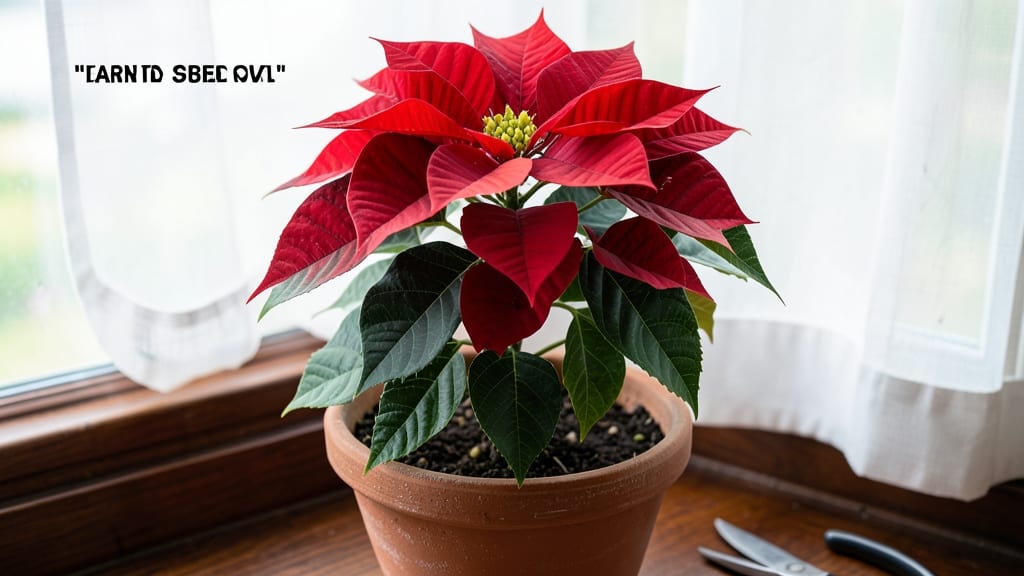
The name of this Xmas flower you’re trying to pin down could be the star of your holiday decor—and with a few simple tricks, you’ll keep it thriving long after the tinsel comes down.
I've nursed more than my share of drooping poinsettias and mysterious holiday blooms back to health, and the key always starts with knowing exactly what you're working with.
The wrong care can turn a vibrant red poinsettia into a sad, brown mess within weeks, but the right approach keeps them thriving well past New Year's.
Poinsettias, amaryllis, and holly are the most common holiday flowers, each with distinct needs. Poinsettias, for example, crave bright indirect light and can't handle drafts, while amaryllis bulbs need a 6-week winter dormancy period to rebloom.
Holly's sharp leaves might make it seem tough, but it actually thrives in cooler temperatures and partial shade. The secret to post-holiday survival? Adjusting their environment to match their natural growing cycles—something most people overlook until it's too late.
You'll end up with plants that stay vibrant through winter and even rebloom next season with proper care. A poinsettia can last 8-12 weeks with the right light and watering routine, while amaryllis bulbs can produce flowers for years if given proper dormancy.
The key is monitoring for pests like spider mites or fungal issues from overwatering—both of which I've seen turn a healthy plant into a sad, wilted shadow in just a few weeks.
Whether you're dealing with a mysterious holiday plant or trying to revive a once-lush poinsettia, the principles are the same: light, water, and patience. The techniques here work for container-grown holiday flowers year-round, so you can enjoy that festive cheer without the post-Christmas plant casualties.
Let's get those flowers back to their holiday best.
📚 In This Guide
- What you need
- Instructions
- Tips and common mistakes
- Wrapping up and next steps
What you need
- ● Container: 1–2 ceramic or terracotta pots (12–16 inches in diameter) with drainage holes. Pro tip: Ensure they’re at least 12 inches deep for root growth!
- ○ Potting Soil: 1–2 bags (1–2 cubic feet each) of well-draining, peat-based potting mix. Optional: Mix in perlite or sand for extra aeration.
- ● Name of Xmas Flower: 1–3 healthy plants (bare-root or potted). Check for vibrant foliage and no signs of pests.
- ○ Fertilizer: Slow-release granular fertilizer (10-10-10 ratio) or liquid bloom booster. Optional: Organic options like fish emulsion work too!
- ● Mulch: 1 small bag of decorative bark or pine straw to retain moisture and add holiday flair.
- ● Self-watering pot or moisture meter to keep soil consistently damp.
- ● Decorative holiday-themed pot covers or ribbons for a festive touch.
- ● Grow lights (if indoors) to supplement natural light during winter.
- ● Pest control: Neem oil or insecticidal soap for early prevention.
How to create a year-round holiday display with festive container flowers
Here's how to keep seasonal blooms thriving indoors and out—no matter the weather.
Select Cold-Hardy and Indoor-Friendly Varieties
Choose plants that naturally thrive during winter months, like amaryllis, poinsettias, or cyclamen. These varieties handle cooler temperatures and shorter daylight hours better than summer annuals. I always pick at least two types for visual contrast—one with bold foliage and another with striking blooms.
For outdoor containers, opt for pansies, hellebores, or winter jasmine, which tolerate light frosts. If you're using holiday-themed flowers like paperwhites or Christmas cactus, check their specific care needs—some prefer bright indirect light while others do well in dim corners.
Prepare Containers and Drainage for Seasonal Conditions
Use containers with drainage holes to prevent root rot, especially important when plants are less active in cooler weather. I like to add a layer of 1-2 inches of gravel or expanded clay pebbles at the bottom before adding soil. This creates air pockets that help prevent waterlogging, which is a common issue in winter when evaporation slows down.
Fill containers with a well-draining potting mix that's formulated for indoor plants or winter annuals. Avoid garden soil—it compacts easily and can suffocate roots. For outdoor containers, mix in some compost to provide nutrients that plants will use slowly over the colder months.
Plant and Arrange for Maximum Holiday Impact
Space plants according to their mature size, leaving 2-4 inches between stems for good airflow. Crowding can lead to fungal issues, especially in the damp conditions of winter. I like to arrange plants in odd-numbered groupings—three or five plants per container creates a more natural, eye-catching display.
For holiday-themed containers, consider adding decorative elements like mini pinecones, berries, or small lights. These touches enhance the festive atmosphere without interfering with plant care. Water thoroughly after planting to help settle the soil and remove any air pockets around the roots.
Adjust Light and Watering for Winter Conditions
Most holiday flowers need bright, indirect light—a south- or east-facing window is ideal. If natural light is limited, supplement with a grow light placed 12-18 inches above the plants for 12-14 hours daily. Too little light causes leggy growth, while too much can scorch delicate leaves.
Water only when the top inch of soil feels dry—overwatering is the biggest winter mistake. I check moisture by sticking my finger into the soil; if it's dry at that depth, it's time to water. Reduce watering further if your home has dry air from indoor heating, as this can cause soil to dry out faster.
Maintain Through the Season with Simple Care
Fertilize lightly every 4-6 weeks with a balanced, water-soluble fertilizer diluted to half-strength. Holiday plants grow slowly in winter, so they don't need heavy feeding. I also remove any yellow or damaged leaves promptly to keep plants looking their best and prevent disease.
Rotate containers occasionally so all sides receive even light. This prevents plants from leaning toward the window or light source. If you're growing outdoor containers, move them to a sheltered spot before frost, or cover them with burlap or frost cloth on cold nights to protect tender varieties.
Tips & tricks for perfect holiday flower arrangements
These simple strategies will help you create stunning seasonal displays that stay vibrant all year long.
Variety Selection: When choosing plants, pair a bold foliage variety like cyclamen with a striking bloomer such as amaryllis. This contrast creates visual interest that lasts through winter's shorter daylight hours. For outdoor containers, consider adding pansies—they tolerate light frosts and come in cheerful winter colors that brighten up chilly days.
Container Preparation: The 1-2 inch layer of gravel or expanded clay pebbles at the bottom isn't just about drainage—it also helps regulate soil temperature. In winter, this prevents cold from seeping up through the container bottom, which can shock plant roots. For outdoor containers, consider using terracotta pots—they absorb heat during the day and release it slowly at night, protecting tender varieties.
Lighting Strategy: The 12-14 hours of daily grow light mentioned is perfect for supplementing natural light, but placement matters. Position your grow light slightly to the side rather than directly above to encourage more natural growth patterns. For indoor displays, rotate containers every few days so all sides receive even light exposure, preventing lopsided growth that can occur when plants lean toward the window.
Festive Touches: When adding holiday decorations like mini pinecones or berries, place them around—not on top of—your plants. This prevents them from blocking light or water from reaching the foliage. For containers with lights, use battery-operated fairy lights wrapped around the outside of the pot. This creates a magical glow without overheating the plants.
Pro Tips for Name Of Xmas Flower
- These simple strategies will help you create stunning seasonal displays that stay vibrant all year long.
- Variety Selection: When choosing plants, pair a bold foliage variety like cyclamen with a striking bloomer such as amaryllis.
- Container Preparation: The 1-2 inch layer of gravel or expanded clay pebbles at the bottom isn't just about drainage—it also helps regulate soil temperature.
Frequently asked questions
Got questions about growing Christmas flowers (like Poinsettias or Christmas Cacti) in containers? We’ve got answers!
Whether you’re troubleshooting droopy leaves or wondering how to keep them blooming, here’s what you need to know.
What’s the best time to plant or repot a Christmas flower?
For poinsettias, plant them in containers in early fall (8–10 weeks before Christmas) to sync with their natural bloom cycle. Christmas cacti thrive when repotted in spring or early summer—avoid disturbing them during their winter flowering phase. Always use well-draining soil and containers with drainage holes!
Why are my Christmas flowers’ leaves turning yellow or dropping?
Yellow leaves or leaf drop usually signal overwatering or underwatering. Let the top inch of soil dry out between waterings, and avoid soggy roots. Poinsettias also drop leaves if exposed to drafts or cold temps (<50°F). Move them to a bright, indirect spot (like a sunny window) and adjust care accordingly.
Can I keep my Christmas flower blooming year-round?
With the right care, yes! Poinsettias need 12–14 hours of darkness daily for 6 weeks to rebloom. Use a dark box or cover them with a blanket after sunset. Christmas cacti bloom best with cool nights (55–60°F) and bright light. Prune spent blooms and fertilize lightly in spring to encourage regrowth.
What are some low-maintenance alternatives to traditional Christmas flowers?
Try these easy container-friendly picks:
- Amaryllis: Bright red blooms in winter with minimal fuss.
- Kalanchoe: Succulent-like with vibrant flowers; thrives in dry conditions.
- Paperwhites: Fast-growing, fragrant, and perfect for indoor pots.
How do I revive a leggy or root-bound Christmas flower?
Leggy growth? Place your plant in a sunnier spot (but avoid direct midday sun). Root-bound? Gently repot into a container just 1–2 inches larger, using fresh potting mix. Trim back leggy stems by 1/3 to encourage bushier growth. For poinsettias, a light prune after blooming helps too!
Wrapping up and next steps
Bringing the magic of the holidays into your home year-round is easier than you think! The Name of Xmas Flower isn’t just a festive centerpiece—it’s a vibrant, low-maintenance way to keep holiday cheer alive in any season.
Whether you’re a gardening novice or a seasoned plant parent, these tips and recipes make it simple to grow, care for, and even enjoy your flowers in creative ways.
Ready to dive in? Start small—pick one of the recipes or care tips that excites you most, and let your creativity bloom! 🌟 Your space (and future guests) will thank you.