
Flowers
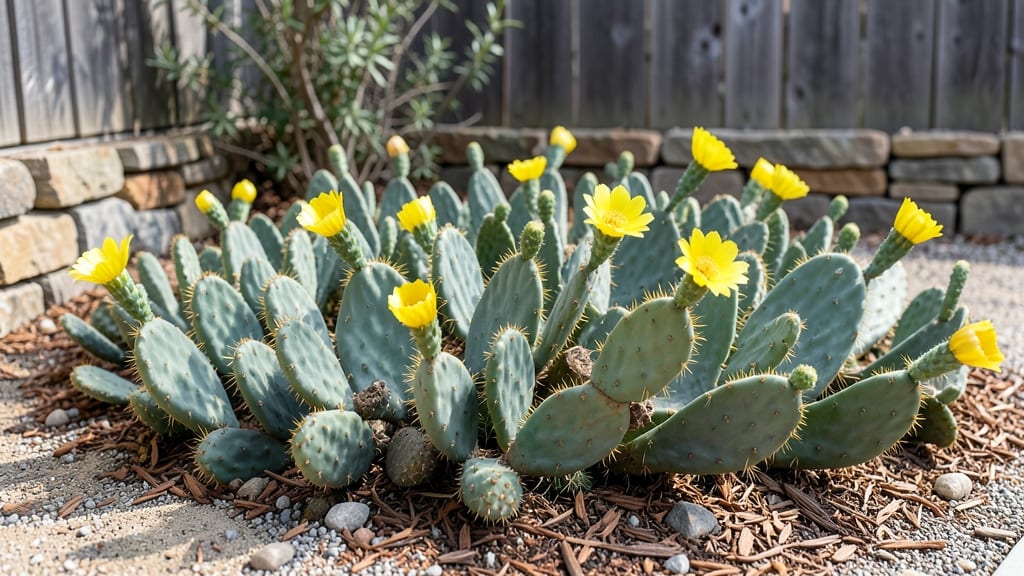
Those bright yellow blooms on your prickly pear cactus aren’t just pretty—they’re a sign of a thriving plant that’s ready to reward you with fruit. 🌻 I’ve grown Opuntia for years, and the secret to coaxing those cheerful flowers isn’t complicated: it’s all about sunlight, soil, and a little patience.
Most people overwater or underestimate how much sun these cacti crave, which is why their plants stay stubbornly barren.
The key starts with full sun exposure—think 6+ hours daily—and well-draining soil that mimics their desert roots. A mix of cactus soil and perlite works wonders, and watering only when the soil is bone-dry prevents rot.
Once established, these plants are nearly foolproof, but flowering takes 2-3 years of consistent care. The payoff? Clusters of vibrant yellow blooms that turn into sweet, edible fruit by late summer.
Pruning isn’t just about shaping—it’s about encouraging new growth where flowers will appear. Snip off dead pads in early spring, and watch how the plant responds with fresh, plump segments. Even in cooler climates, Opuntia thrives in containers, letting you bring them indoors before winter.
The first year might be slow, but by year two, you’ll have a cactus that’s as productive as it is striking.
Troubleshooting is simple: no flowers? Check your light. Yellowing pads? You’re overwatering. Pests like mealybugs are easy to spot and treat with rubbing alcohol. With the right care, your Opuntia will become the star of your sunny patio—or even your kitchen windowsill. Let’s get those blooms going!
📚 In This Guide
- What you need
- Instructions
- Tips and common mistakes
- Wrapping up and next steps
What you need
- ● Opuntia cactus pads or seeds: Choose healthy, disease-free pads (preferably 4-6 inches wide) or certified seeds from a reputable nursery.
- ● Well-draining soil: 3-5 gallons of cactus/succulent mix (or DIY: 60% potting soil + 30% perlite + 10% coarse sand).
- ○ Containers (optional but recommended for beginners): 1-2 terracotta or fabric pots (12-16 inches in diameter) with drainage holes.
- ● OR a raised bed (if planting outdoors).
- ● Drainage layer: 1-2 inches of pebbles, gravel, or broken pottery for pots.
- ● Gloves: Heavy-duty gardening gloves (to protect from spines!).
- ● Trowel or small shovel: For planting and soil prep.
- ● Watering can or hose with a gentle spray nozzle: Avoid overwatering!
- ● Sunlight access: A full-sun location (6+ hours of direct sunlight daily).
- ○ Fertilizer (optional): 1 tbsp balanced cactus fertilizer (10-10-10) or fish emulsion (diluted to half-strength).
- ● Apply once every 2 months during growing season (spring-fall).
- ○ Mulch (optional): Gravel or coarse bark to retain moisture and deter weeds.
Step-by-step guide to cultivating Opuntia with vibrant yellow blooms
Here's how to coax those stunning yellow flowers from your prickly pear—it's simpler than you think.
🪴 Step 1: Select the Perfect Location and Soil
Opuntia thrives where it gets full sun—at least 6-8 hours daily. I always pick the driest, sunniest spot in my yard because these cacti despise soggy roots. A south-facing wall or exposed bed works best, especially in cooler climates where winter sun helps them survive.
Use a well-draining soil mix—standard garden soil will suffocate your plant. I blend equal parts cactus/succulent mix with coarse sand or perlite to create that gritty texture they love. The key is drainage: if water pools after 30 minutes, amend the soil further. A slight slope helps excess water run off naturally.
☀️ Step 2: Plant with Care and Position for Maximum Sun Exposure
Handle those pads carefully—they're more delicate than they look. Plant your opuntia 1-2 inches deeper than it was in its nursery pot. The extra depth gives stability and prevents toppling in windy conditions. Space plants 3-4 feet apart to allow airflow, which reduces pest issues and fungal risks.
Here's the thing—opuntia flowers appear on new growth that gets plenty of sun. If your plant isn't flowering, it might be getting too much shade. Watch for pads that grow pale and stretch toward the light—that's your cue to move it or trim nearby obstructions. In containers, rotate the pot quarter-turn weekly so growth stays even.
💧 Step 3: Water Sparingly and Adjust for Seasonal Needs
Water deeply but infrequently—once every 2-3 weeks in summer, less in winter. The soil should dry out completely between waterings. I test by sticking my finger 2 inches down: if it's dry, it's time to water. Overwatering causes root rot faster than anything else, and opuntia won't forgive soggy conditions.
During flowering season (spring to early summer), increase water slightly to encourage blooms, but never let the soil stay wet. Yellow flowers appear on pads that received consistent moisture without being waterlogged. If your plant drops buds, it's likely getting too much or too little water. Adjust based on what you see: wilted pads need water; mushy pads need less.
✂️ Step 4: Prune and Maintain for Continuous Blooms
Pruning isn't just about looks—it stimulates new growth where flowers appear. Remove any dead, damaged, or diseased pads with clean, sharp shears. I always sterilize my tools with rubbing alcohol first to prevent infections. Cut just above a healthy node where new growth can emerge.
After flowering, trim back any leggy or overcrowded pads to redirect energy. Here's my trick: leave the healthiest, youngest pads—these are where next year's flowers will form. Never cut more than 1/3 of the plant at once, or you'll shock it. The goal is to keep the plant compact and full of potential blooming sites.
Tips & tricks for perfect Opuntia yellow blooms
Between us, getting those bright yellow opuntia flowers takes patience—but these simple tricks make all the difference.
Sunlight Secret: Those 6-8 hours of daily sun are non-negotiable, but here's what nobody tells you—morning sun is more valuable than afternoon heat. If your plant gets intense afternoon sun, provide afternoon shade during summer's peak heat to prevent sunburn on the pads. I've seen plants with perfect blooms in partial shade when given morning sun, while others in full hot sun struggled.
Soil Test Trick: Before planting, do this quick test: take a handful of your soil and squeeze it. If it stays in a tight ball for more than 30 minutes, it's too dense. Opuntia needs soil that crumbles apart instantly. I mix in extra perlite (about 20% more than the equal parts ratio) if my soil holds moisture—this prevents the dreaded root rot that kills flowering potential.
Watering Wisdom: The 2-inch dry test is gold, but here's the thing about watering: always water at the base, never on the pads. Wet pads can develop fungal spots that ruin the plant's ability to flower. I use a small watering can with a narrow spout to direct water exactly where the roots are—this keeps those pads dry and ready for blooms.
Pruning Payoff: When you're trimming those leggy pads in Step 4, save the healthy cuttings! Place them in a dry, shaded spot for 2-3 days to let the cut ends callus over, then plant them in fresh soil. These will grow into new plants that'll flower next season. I've doubled my opuntia collection this way while keeping my original plants compact and blooming.
Pro Tips for Opuntia Yellow Flowers
- Between us, getting those bright yellow opuntia flowers takes patience—but these simple tricks make all the difference.
- Sunlight Secret: Those 6-8 hours of daily sun are non-negotiable, but here's what nobody tells you—morning sun is more valuable than afternoon heat.
- Soil Test Trick: Before planting, do this quick test: take a handful of your soil and squeeze it.
Frequently asked questions
When do Opuntia yellow flowers bloom, and how long do they last?
Opuntia yellow flowers (often from Opuntia humifusa or Opuntia fragilis) typically bloom in late spring to early summer, though timing varies by climate. Each flower lasts just 1–3 days—but don’t worry! A single plant can produce dozens of blooms over weeks, creating a dazzling show. Pro tip: Watch for warm days (above 70°F) and cooler nights to trigger blooming.
Are Opuntia yellow flowers toxic to pets or humans?
While the flowers themselves aren’t toxic, the Opuntia cactus pads and spines can be harmful if ingested. The spines may cause irritation, and the gel inside pads can be mildly laxative in large amounts. Keep pets away from the plant, and never eat it raw—cooking (like in nopales) neutralizes risks. Pro tip: Wear gloves when handling pads to avoid accidental scratches!
Can I grow Opuntia yellow flowers in containers, or do they need ground planting?
Yes! Opuntia thrives in containers as long as the pot has drainage holes and is at least 12–18 inches wide. Use a fast-draining cactus mix and place it in full sun. Repot every 2–3 years to prevent root binding. Pro tip: Add a layer of gravel at the bottom to improve airflow and reduce rot.
Why aren’t my Opuntia plants flowering? Troubleshooting tips.
No blooms? Check these fixes:
- Not enough sun: Opuntia needs 6+ hours of direct sunlight daily—move it to a sunnier spot.
- Overwatering: Let soil dry completely between waterings (every 2–3 weeks in summer).
- Too young: Most Opuntia plants need 2–3 years to mature before flowering.
- Nutrient deficiency: Feed with a low-nitrogen, high-phosphorus fertilizer (like 5-10-10) in spring.
What other cacti have yellow flowers like Opuntia?
If you love Opuntia’s yellow blooms, try these alternatives:
- Echinocactus grusonii (Golden Barrel Cactus) – Bright yellow flowers, low-maintenance.
- Echinocereus dasyacanthus (Hedgehog Cactus) – Sulphur-yellow blooms in summer.
- Ariocarpus fissuratus (Living Rock Cactus) – Rare, star-shaped yellow flowers (needs patience!).
- Mammillaria elongata – Small but cheerful yellow blooms in spring.
Wrapping up and next steps
Growing opuntia yellow flowers is a rewarding journey that brings vibrant color and low-maintenance beauty to your garden. Whether you’re a beginner or an experienced gardener, these sun-loving cacti thrive with minimal effort—just sun, space, and patience.
Now that you’re armed with the right tips, why not take the next step? Plant your own prickly pear this season and enjoy the stunning blooms year after year!
🌱 Pro tip: Share your progress with fellow plant lovers—inspiration spreads faster when we grow together!