
Flowers
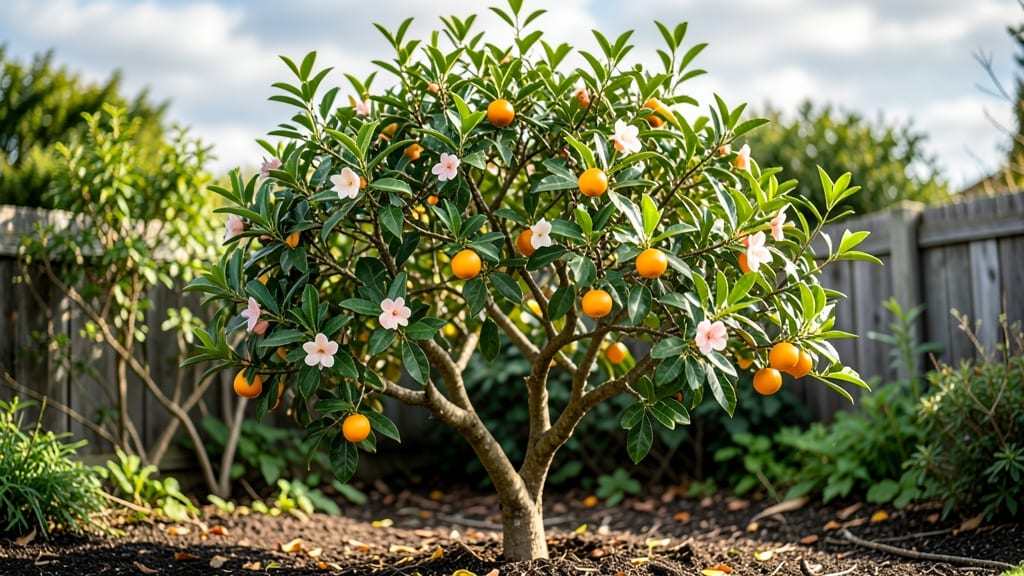
Orange flowers scream joy—no other color demands attention like that fiery pop of sunshine. 🌻 I’ve filled my garden corners with them, and every time someone walks by, they stop to admire the bold contrast against deep greens or purples.
The secret isn’t just picking any orange blooms; it’s choosing varieties that thrive in your space and pair beautifully with what’s already there.
Think marigolds for heat-loving borders, daylilies for long-season color, or roses that add structure. Most need full sun and well-draining soil, but some, like calendula, tolerate partial shade.
The key is mixing heights—tall snapdragons behind shorter zinnias—to create layers that draw the eye. You’ll end up with a garden that feels alive, not just planted.
By summer’s peak, your space will buzz with pollinators drawn to the nectar-rich blooms. The scent of citrusy marigolds or the velvety petals of orange roses add another dimension—suddenly, your garden isn’t just seen, it’s experienced.
Start small with a container or two, then expand as you fall in love with the impact.
Pro tip: Pair oranges with blues or purples for a striking contrast, or let them stand alone against dark foliage for maximum drama. The possibilities are endless, and the results? Pure garden magic. Let’s get your space glowing.
📚 In This Guide
- What you need
- Instructions
- Tips and common mistakes
- Wrapping up and next steps
What you need
- ● Orange flowers: Choose from seeds, bulbs, or young plants (e.g., Calendula, Marigold, Zinnia, or Dahlia). Quantities depend on your garden size—aim for 10-20 plants per 100 sq. ft. for a vibrant display.
- ● Well-draining potting mix or garden soil: 5-10 gallons, enriched with compost (aim for 20-30% compost by volume).
- ● Containers or garden bed: Containers: 5-10-inch diameter pots (1 per plant) with drainage holes. Opt for 3-5 gallons per container for larger varieties.
- ● Garden bed: Ensure it’s 6+ inches deep and receives 6-8 hours of sunlight daily.
- ● Watering can or hose with a gentle spray nozzle: For consistent moisture without over-saturating roots.
- ● Garden trowel or hand shovel: For planting seeds/bulbs or transplanting.
- ○ Gloves (optional but recommended): Protect your hands from thorns (e.g., Dahlias) or soil.
- ● Pruning shears: For trimming dead blooms or shaping plants.
- ○ Mulch (optional): 2-3 inches of organic mulch (e.g., straw or shredded bark) to retain moisture and suppress weeds.
- ● Sunlight: Most orange flowers thrive in full sun (6+ hours/day). Check your garden’s sunlight map!
- ● Watering schedule: Keep soil consistently moist (not soggy) during the first 2-4 weeks after planting.
- ○ Fertilizer (optional): A balanced, water-soluble fertilizer (10-10-10) applied every 4-6 weeks during the growing season.
- ● Patience: Seed-grown flowers may take 6-12 weeks to bloom—plan ahead for year-round color!
Step-by-step guide to designing with orange flowers
Brighten any garden with these sun-kissed blooms—here's how to make them shine.
🌿 Step 1: Choose the Right Orange Varieties
Start with plants that thrive in your climate. For hot summers, try daylilies or black-eyed Susans—both handle heat and drought well. If you have partial shade, orange impatiens or coleus add vibrant pops without fading. I always check bloom time too: some varieties flower early, while others last all season.
Look for plants labeled as perennial if you want long-term color. Annuals like marigolds or orange zinnias give instant impact but need replanting yearly. Mix heights for drama: place tall snapdragons at the back, medium salvias in the middle, and low orange pansies in front.
☀️ Step 2: Pick the Perfect Sunlight Spots
Most orange flowers crave full sun (6+ hours daily). I test spots by observing how long shadows linger—if a patch stays in shade after noon, skip sun-lovers there. For shade-tolerant picks, orange begonias or heuchera thrive where others wilt.
Watch how light shifts through seasons. A spot with morning sun might get afternoon shade in summer. If your garden has mixed light, group shade plants together so they don’t compete with sun-worshippers.
🪴 Step 3: Plant for Maximum Impact
Dig holes twice as wide as the root ball but no deeper. Loosen roots gently if they’re circling—they’ll spread better. I always water the hole first to settle the soil before planting. For containers, use well-draining mix and place pots where they’ll get the right light.
Space plants according to their mature size. Crowding causes competition, and you’ll end up with leggy stems and fewer blooms. Check the plant tag for spacing guidelines—usually 12-24 inches apart for most orange flowers.
💧 Step 4: Water and Feed for Vibrant Blooms
Water deeply once a week (or more in extreme heat) until the soil feels 2 inches dry. Overwatering causes root rot, while underwatering makes flowers dull. I use a soaker hose to water at the base—it keeps leaves dry and prevents fungal issues.
Feed with balanced fertilizer (10-10-10) every 4-6 weeks during growing season. Deadhead spent blooms regularly—this encourages more flowers and keeps plants bushy. For container plants, I fertilize every 2 weeks since nutrients wash out faster.
✂️ Step 5: Maintain for Long-Lasting Color
Prune back leggy stems to encourage bushier growth. I cut just above a leaf node, where new growth will sprout. For perennials, trim back in early spring to half their height—this prevents flopping and boosts next year’s blooms.
Watch for pests like aphids or spider mites—orange flowers attract them. Spray with neem oil if you spot sticky leaves or tiny webs. Mulch around plants to retain moisture and keep roots cool, especially in hot climates.
Tips & tricks for stunning orange flower gardens
Creating a vibrant orange flower display isn't just about planting—it's about strategic choices that make all the difference.
Variety Matters: Don't just pick one type of orange flower—mix annuals like marigolds for instant color with perennials like daylilies for long-term beauty. I've found that combining early bloomers (like snapdragons) with late-season performers (like zinnias) ensures continuous color from spring through fall. The key is matching bloom times so you never have bare patches.
Sunlight Strategy: Most orange flowers need full sun, but not all spots get equal light. Test your garden by marking areas where shadows fall after noon—these spots need shade-tolerant varieties like orange begonias. I've learned that grouping sun-loving plants together prevents competition, while giving shade plants their own space keeps them thriving. This simple step prevents leggy stems and faded blooms.
Planting Precision: When planting, dig holes twice as wide as the root ball but no deeper—this encourages roots to spread outward rather than circling. I always water the hole first to settle the soil before placing the plant. For containers, use well-draining mix and place pots where they'll get consistent light. Proper spacing (12-24 inches apart) prevents overcrowding, which leads to fewer blooms and more pests.
Maintenance Magic: Deadheading spent blooms every few days keeps plants producing new flowers. For perennials, trim back to half their height in early spring—this prevents flopping and gives you bushier plants. I've noticed that mulching around plants retains moisture and keeps roots cool, especially in hot climates where orange flowers can wilt quickly. A 2-3 inch layer of mulch works wonders.
Pro Tips for Orange Colored Flowers
- Creating a vibrant orange flower display isn't just about planting—it's about strategic choices that make all the difference.
- Variety Matters: Don't just pick one type of orange flower—mix annuals like marigolds for instant color with perennials like daylilies for long-term beauty.
- Sunlight Strategy: Most orange flowers need full sun, but not all spots get equal light.
Frequently asked questions
Got questions about adding a vibrant splash of orange-colored flowers to your garden? Here are some of the most common queries—and their answers—to help you get started with confidence!
When is the best time to plant orange flowers?
Most orange flowers thrive when planted in early spring or fall, after the last frost. Check your USDA hardiness zone for specific timing—cool-season bloomers like calendula love spring, while heat-tolerant varieties (e.g., zinnia) can handle summer planting. Always water deeply after transplanting to reduce shock!
How often should I water orange flowers?
Watering needs vary by type, but a general rule is 1–1.5 inches per week (including rainfall). Drought-tolerant varieties like marigolds need less, while tropical picks (e.g., hibiscus) prefer consistently moist soil. Pro tip: Water at the base in the morning to prevent fungal issues and encourage deeper roots!
Can I grow orange flowers in containers?
Compact varieties like pansies, geraniums, or bachelor’s buttons thrive in pots with well-draining soil. Use containers at least 12 inches deep for larger flowers (e.g., dahlias) and place them in sunny spots (6+ hours of light daily). Dwarf varieties are perfect for balconies or patios!
Are orange flowers pollinator-friendly?
Many are! Native orange bloomers like black-eyed Susans or bee balm attract bees, butterflies, and hummingbirds. Avoid hybrids bred solely for color if you want to support local ecosystems. Bonus: Plant in clusters to create a "pollinator buffet" and boost biodiversity in your garden!
Why aren’t my orange flowers blooming?
Common culprits include over-fertilizing (too much nitrogen = leafy growth, no flowers), poor sunlight (most need full sun), or stress (drought or pests). Try deadheading spent blooms, ensuring 6+ hours of sun, and using a balanced flower fertilizer (10-10-10 ratio). Patience helps—some perennials take 2 years to peak!
What are some low-maintenance orange flowers?
For hassle-free color, try:
- Marigolds – Pest-repelling and drought-tolerant.
- Zinnias – Fast-growing and great for cut flowers.
- Calendula – Edible, self-seeding, and cold-hardy.
- Portulaca (Moss Rose) – Thrives in heat and poor soil.
Wrapping up and next steps
From vibrant marigolds to delicate snapdragons, orange-colored flowers bring joy, energy, and effortless charm to any garden or space. Whether you're drawn to their bold hues, pollinator-friendly benefits, or low-maintenance appeal, these sun-kissed blooms are the perfect way to brighten up your world—literally! 🌼
Ready to dive in? Start small with a single pot of cheerful zinnias or go big with a full garden transformation. Your next step? Pick your favorite orange blooms, grab your gardening tools, and let nature’s sunshine work its magic! 🌈✨