
Flowers
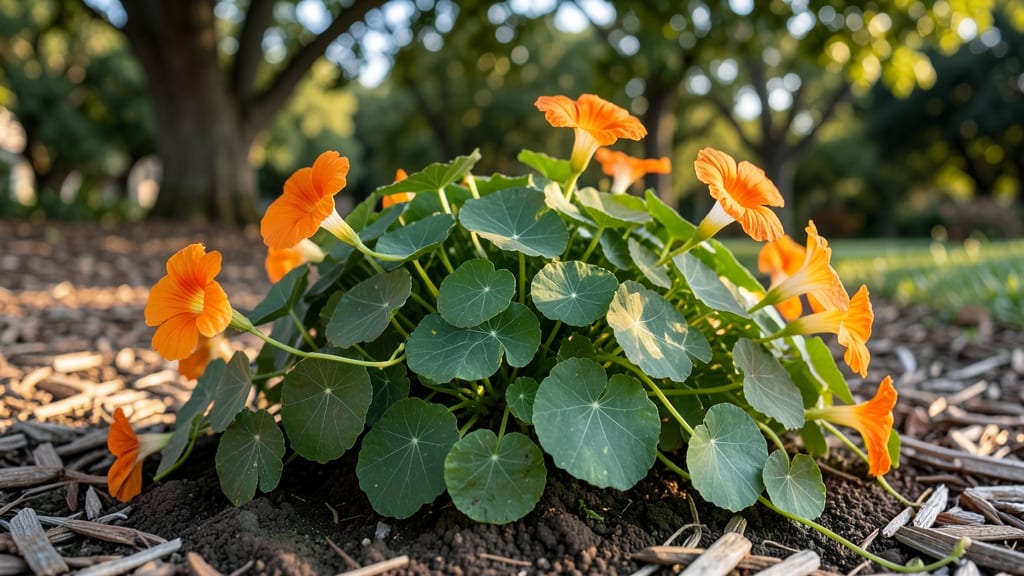
Growing orange-flowered nasturtiums in containers turns any patio into a burst of edible sunshine—bright blooms that taste like peppery spice and hummingbirds can't resist. 🌼 I learned the hard way that these fast growers need well-draining soil and full sun, or they’ll flop into sad, leggy shadows.
The first time I saw my nasturtiums sprawling over the edge of a hanging basket, I knew I’d found my new favorite plant.
These tough little annuals thrive in any container with drainage, from window boxes to 5-gallon pots. They’re foolproof for beginners—just plant seeds directly in soil (no transplanting needed) and watch them pop up in 7-10 days.
Water when the top inch feels dry, but don’t drown them; nasturtiums hate soggy roots. The key to those vibrant orange blooms? Prune spent flowers regularly to keep the plant producing.
Beyond their beauty, nasturtiums are edible flowers—toss petals in salads for a peppery kick or use leaves like spinach. They also repel pests like squash bugs, making them perfect companion plants for tomatoes and cucumbers. Imagine a container overflowing with blooms you can eat—now that’s a garden win.
Works in zones 2-11, so whether you’re in a cold mountain town or a hot desert climate, nasturtiums adapt. Start with seeds in early spring, and by summer, you’ll have a low-maintenance, high-reward plant that doubles as food and decoration. Ready to grow your own edible sunshine?
📚 In This Guide
- What you need
- Instructions
- Tips and common mistakes
- Wrapping up and next steps
What you need
- ● Nasturtium seeds: Choose Tropaeolum majus varieties like 'Orange King' or 'Empress of India' for vibrant orange blooms. Buy 10–20 seeds (they’re easy to grow from seed!).
- ● Growing containers: 5–10-inch pots (1–2 per plant) with drainage holes.
- ● Hanging baskets (8–12 inches wide) for trailing varieties.
- ● Window boxes or raised beds (if gardening in-ground).
- ● Potting mix: A well-draining, organic mix (e.g., 60% potting soil + 40% perlite or coconut coir). Avoid heavy garden soil.
- ● Compost or fertilizer: Balanced, water-soluble fertilizer (5-5-5 or 10-10-10) or compost tea for organic growth.
- ● Basic gardening tools: Trowel or small shovel for transplanting.
- ● Spray bottle for gentle watering (seeds need moisture!).
- ● Pruning shears (for harvesting flowers/leaves later).
- ○ Optional (but helpful!): Seed-starting kit (if germinating indoors first).
- ● Mulch (straw or shredded leaves) to retain moisture.
- ● Cage or trellis (for climbing varieties like 'Alaska' nasturtiums).
- ● pH test kit (ideal soil pH: 6.0–7.0).
- ● Sunlight: Full sun (6+ hours/day) or partial shade (they tolerate heat!).
- ● Watering: Keep soil consistently moist (not soggy) until established, then water when top inch is dry.
- ● Climate: Nasturtiums thrive in USDA Zones 2–11 and bloom 30–60 days after sowing.
Step-by-step guide to growing vibrant orange nasturtiums in containers
Here's how to cultivate these cheerful, edible blooms with minimal fuss.
🌱 Step 1: Choose the Right Containers and Soil Mix
Nasturtiums thrive in well-draining soil and containers with plenty of airflow. Use pots that are at least 6-8 inches deep—shallower containers stunt root growth, and you'll end up with leggy, weak plants. I prefer terracotta because it breathes and prevents soggy roots, but any container with drainage holes works.
Fill your chosen pots with a lightweight, organic potting mix—avoid garden soil, which compacts easily and suffocates roots. Mix in 1 part perlite or coarse sand to every 4 parts potting mix for extra drainage. Nasturtiums hate wet feet, and this blend prevents root rot. Moisten the mix until it feels like a damp sponge—squeeze it gently, and it should hold its shape but not drip water.
🌿 Step 2: Plant Seeds at the Correct Depth and Spacing
Sow nasturtium seeds ¼ inch deep, just barely covering them with soil. Press them in gently—don’t bury them deeper, or they’ll struggle to break through. I like to plant 3-4 seeds per 6-inch pot or 6-8 seeds per 10-inch container, spacing them about 6 inches apart. Nasturtiums self-seed aggressively, so thinning isn’t always necessary, but crowded plants produce fewer blooms.
Keep the soil consistently moist but not soggy until germination. Place the pots in a warm, sunny spot—65-75°F is ideal—and cover them loosely with plastic wrap or a humidity dome. Check daily for condensation; if it’s dripping, remove the cover to prevent fungal issues. Germination usually takes 7-14 days, but don’t be surprised if it takes longer in cooler conditions.
☀️ Step 3: Provide Full Sun and Consistent Watering
Once seedlings emerge, move them to a location with 6+ hours of direct sunlight daily. Nasturtiums are sun-worshippers, and insufficient light leads to sparse blooms and weak stems. If you’re growing them indoors, place them near a south-facing window or under grow lights for 12-14 hours a day. You’ll notice leaves turning pale or stretching toward the light? That’s your cue to adjust their position.
Water when the top inch of soil feels dry—stick your finger in the soil to check. Nasturtiums are drought-tolerant once established, but young plants need steady moisture. Water at the base to avoid wetting the leaves, which can encourage powdery mildew. Let excess water drain completely; these plants despise soggy conditions. Overwatering is the fastest way to kill them, so err on the side of underwatering if you’re unsure.
✂️ Step 4: Prune and Harvest for Continuous Blooms
Pinch back the tips of young plants when they reach 6 inches tall to encourage bushier growth. This step is crucial—without it, nasturtiums grow tall and spindly with few flowers. Use clean scissors or fingers to snip just above a set of leaves. You’ll see new side shoots forming within 1-2 weeks, leading to a fuller, more productive plant.
Harvest flowers and leaves regularly to prolong blooming. Snip individual blooms in the morning when they’re fully open but before they wilt. The flowers are edible and add a peppery kick to salads—just don’t overharvest, or the plant will focus on regrowth instead of flowering. Deadhead spent blooms by plucking them off at the base; this redirects energy to new flowers. With consistent care, your nasturtiums will bloom nonstop from late spring until frost.
Tips & tricks for perfect orange nasturtium growth
These little-known tricks will help you coax vibrant, prolific orange nasturtiums from your containers.
Container Selection: While terracotta is my go-to, you can also use fiberglass or plastic pots as long as they have drainage holes. The key is avoiding metal containers, which can overheat in sunlight and stress the roots. If you're using hanging baskets, choose ones with at least 6-inch depth to accommodate root growth. I've found that containers with built-in saucers help prevent soil spills while keeping roots from sitting in standing water.
Soil Mix Pro Tip: The 1:4 perlite-to-soil ratio is perfect, but if you're short on perlite, you can substitute with coarse vermiculite or even crushed gravel for drainage. For extra nutrition, mix in 1 tablespoon of compost per 6-inch pot before planting—nasturtiums are light feeders but appreciate a little boost. Just avoid heavy garden soil, which compacts and suffocates those delicate roots.
Germination Hack: The 7-14 day germination window can feel like an eternity! Speed things up by soaking your seeds in room-temperature water for 24 hours before planting. This trick doesn't guarantee faster germination, but it often helps break seed dormancy. Once planted, maintain that 65-75°F warmth—if your home runs cooler, place pots on a seedling heat mat for consistent warmth without direct heat sources that could dry out the soil.
Sunlight Strategy: Those 6+ hours of daily sunlight are non-negotiable, but if you're growing indoors, supplement with LED grow lights positioned 6-12 inches above the plants. I've had success with simple 1000-lumen full-spectrum bulbs on a timer for those 12-14 hours of light. Rotate your containers weekly to prevent leggy growth—nasturtiums will stretch toward any light source, so keep them turning toward all directions for even growth.
Pro Tips for Orange Flower Nasturtium
- These little-known tricks will help you coax vibrant, prolific orange nasturtiums from your containers.
- Container Selection: While terracotta is my go-to, you can also use fiberglass or plastic pots as long as they have drainage holes.
- Soil Mix Pro Tip: The 1:4 perlite-to-soil ratio is perfect, but if you're short on perlite, you can substitute with coarse vermiculite or even crushed gravel for drainage.
Frequently asked questions
Got questions about growing orange flower nasturtiums? You’re not alone! Here are answers to the most common queries to help you cultivate these vibrant, edible beauties with confidence.
When is the best time to plant nasturtium seeds?
Nasturtiums thrive in cool to warm seasons—plant seeds 2-3 weeks after your last frost date (spring) or 6-8 weeks before the first fall frost. They germinate best in soil temps between 60–75°F (15–24°C). For a continuous bloom, stagger plantings every 2–3 weeks!
How often should I water nasturtiums, and do they need special care?
Keep soil consistently moist but not soggy—water 1–2 times per week (daily in extreme heat). Once established, they’re drought-tolerant! Avoid wetting leaves to prevent fungal issues. Deadhead spent blooms to encourage more flowers, and pinch back leggy stems for bushier growth.
Are all parts of the nasturtium edible, and how do I use them?
Yes! Flowers, leaves, and seeds are edible. Use petals in salads or garnishes, leaves like spinach (raw or cooked), and seeds as a peppery substitute for capers. Harvest flowers in the morning for peak flavor. Note: Avoid overconsumption—nasturtiums contain mild goitrogens in large amounts.
Why are my nasturtium leaves turning yellow or holes are appearing?
Yellow leaves often signal overwatering or nutrient deficiency (add compost or balanced fertilizer). Holes? Likely cabbage worms or aphids. Spray with neem oil or introduce beneficial insects like ladybugs. For prevention, rotate crops annually and avoid wet foliage.
Can I grow nasturtiums in containers, and what’s the ideal setup?
Use 5–10 gallon pots with well-draining soil and a trailing variety (like ‘Alaska’). Ensure pots have drainage holes and place them in full sun (6+ hours/day). Add a trellis or cage for climbing types. Fertilize lightly—nasturtiums prefer lean soil!
Will nasturtiums survive winter, or should I replant each year?
Most nasturtiums are annuals and won’t survive frost. However, in mild climates (Zones 8–10), they may persist as perennials. In colder areas, save seeds or replant each spring. Pro tip: Harvest seeds from mature pods before frost for next year’s garden!
Wrapping up and next steps
Growing orange flower nasturtiums is a rewarding journey that blends beauty, edibility, and ease—perfect for container gardens! These vibrant blooms not only brighten your space but also offer a peppery kick to your meals. Whether you're a seasoned gardener or just starting, nasturtiums are your low-maintenance, high-reward companions.
Ready to dive in? Start small—pick a sunny spot, grab your seeds, and let these cheerful flowers take root. Before you know it, you’ll be harvesting petals for salads or admiring their bold hues all season long. Happy planting! 🌱✨