
Planting
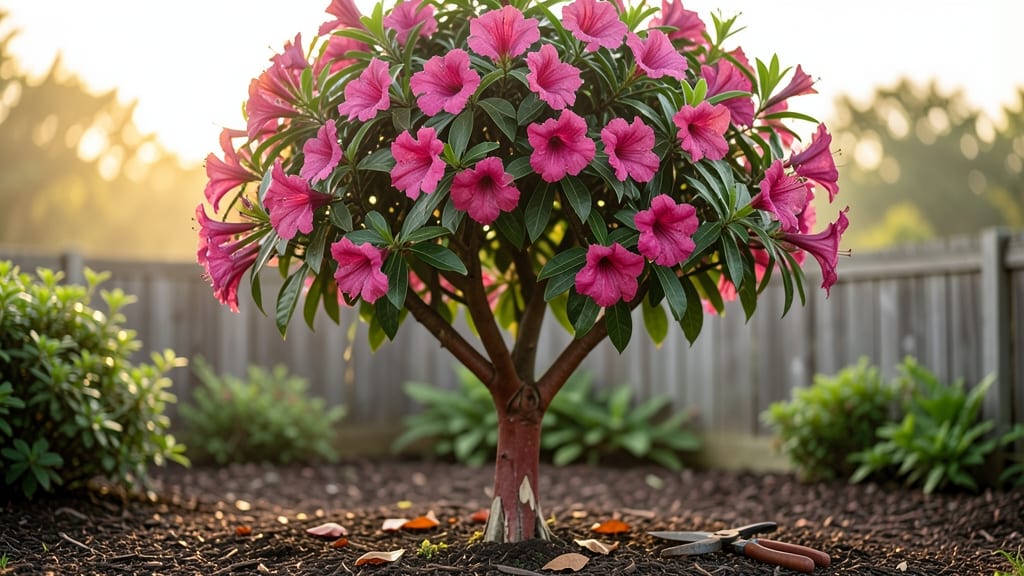
Crafting a pagoda flower plant that bursts with color for months isn't just possible—it's easier than you think. 🌸 These trees (Lagerstroemia speciosa) thrive with surprisingly little fuss, rewarding you with vibrant blooms from spring through fall, even into winter in mild climates.
My first one taught me that pruning isn't about perfection—it's about encouraging that lush, layered shape that makes them look like living sculptures.
You'll need well-draining soil rich in organic matter, a spot with full sun for at least six hours daily, and patience while the roots establish.
Watering's simple too: deep soaks once a week (more in extreme heat) keeps them happy without the risk of root rot that plagues so many trees. The real secret? Pruning just twice a year—once after blooming to shape, and lightly in late winter to remove dead wood.
What you end up with is a tree that looks like it belongs in a botanical garden, not your backyard. The blooms—pink, purple, or white—cluster like fireworks, and the bark peels dramatically in winter for year-round interest.
Even in containers, they stay compact and produce just as many flowers, making them perfect for small spaces or urban patios.
Once established, these trees handle drought better than most, and their disease resistance means fewer headaches. The only real challenge is finding a spot where they can grow to their full 30-foot height—so plan ahead if you want that classic pagoda silhouette. Here's how to get started with yours!
📚 In This Guide
- What you need
- Instructions
- Tips and common mistakes
- Wrapping up and next steps
What you need
- ● Pagoda flower plant: 1 nursery-grown sapling (3-6 feet tall) or seeds (if starting from scratch). Choose a healthy specimen with vibrant foliage.
- ● Well-draining soil: 3-5 bags of a mix of garden soil, compost, and perlite (1 part compost, 2 parts soil, 1 part perlite for optimal drainage).
- ● Fertilizer: 1 bag of balanced, slow-release granular fertilizer (10-10-10 or similar) or organic options like composted manure.
- ● Mulch: 1-2 bags of organic mulch (e.g., wood chips or pine straw) to retain moisture and regulate soil temperature.
- ● Garden trowel or shovel: 1 medium-sized tool for digging holes.
- ● Pruning shears: 1 pair of sharp, sterilized shears for trimming dead branches or shaping.
- ● Watering can or hose: 1 with a gentle spray nozzle for hydration.
- ● Gloves: 1 pair of gardening gloves to protect your hands.
- ● Measuring tape or ruler: 1 for spacing plants correctly (aim for 10-15 feet apart for mature trees).
- ● Epsom salt: A small container for occasional magnesium boosts (1 tablespoon per foot of plant height, dissolved in water).
- ● Plant support: 1-2 stakes or a small cage if planting in windy areas.
- ● Pest control: Neem oil or insecticidal soap for early pest prevention.
- ● Soil pH tester: To ensure your soil is slightly acidic to neutral (pH 6.0-7.0).
Step-by-Step guide for growing a thriving pagoda flower plant
Here's how to cultivate this stunning, low-maintenance beauty—no green thumb required.
🌱 Step 1: Choose the Right Location for Optimal Growth
The pagoda flower (Lagerstroemia) thrives in full sun—at least 6-8 hours daily—so pick a spot that gets morning light and afternoon warmth. I always check for dappled shade from nearby trees; too much afternoon shade slows blooming. If your yard has limited sun, a south-facing wall or large container near a sunny window works, but expect fewer flowers.
This plant tolerates heat and humidity, making it perfect for zones 6-10. If you're in a cooler zone, plant near a heat-reflective surface like a brick wall to extend the growing season. The key is avoiding frost pockets—pagoda flowers despise cold snaps below 25°F. Mulch heavily with 2-3 inches of organic mulch (like shredded bark) to protect roots in winter.
🌿 Step 2: Plant with Proper Spacing and Soil Prep
Dig a hole twice as wide as the root ball but only as deep—planting too deep suffocates the roots. Loosen the soil at the edges of the hole with a fork to encourage root spread. Pagoda flowers love well-draining, slightly acidic soil (pH 6.0-7.0). If your soil is heavy clay, amend it with compost and perlite (mix in equal parts) to improve aeration.
Space plants 15-20 feet apart for mature size—crowding leads to weak stems and poor airflow, inviting fungal diseases. I always water the hole deeply before planting to settle the soil and remove air pockets. Gently tease out any circling roots and place the plant so the top of the root ball sits 1 inch above soil level—this prevents rot during heavy rains.
☀️ Step 3: Water Deeply but Infrequently
Pagoda flowers are drought-tolerant once established, but young plants need consistent moisture for the first year. Water deeply once a week (or when the top 2 inches of soil feel dry) to encourage deep root growth. Shallow watering creates weak roots that struggle in dry spells. I use a soaker hose to deliver water slowly at the base, avoiding wetting the foliage—this prevents powdery mildew.
Overwatering is the biggest mistake here. Yellowing leaves or wilting despite damp soil? You're likely overdoing it. Let the soil dry out between waterings, especially in containers. Mulch with 2-3 inches of wood chips to retain moisture and regulate temperature. Once established, pagoda flowers can go 2-3 weeks without water in hot weather—just watch for leaf scorch as your signal to hydrate.
✂️ Step 4: Prune Strategically for Year-Round Blooms
Here's the thing—pagoda flowers bloom on new and old wood, so pruning isn't as critical as with some shrubs. Still, I prune late winter or early spring (just before buds swell) to shape the plant and remove dead, crossing, or weak branches. Cut back old wood by one-third to encourage fresh growth and more flowers. Use clean, sharp pruners and make cuts at a 45-degree angle just above a bud or side branch.
Skip heavy pruning in fall—you'll remove next year's flower buds. If a branch dies back to the ground, remove it entirely. Thin out dense areas to improve airflow, which cuts down on pests and diseases. Pagoda flowers handle pruning well, so don't fear shaping them into a small tree or hedge. Just avoid pruning after mid-summer—new growth won't harden off before winter.
🪴 Step 5: Fertilize and Protect for Long-Term Health
Feed your pagoda flower once in early spring with a balanced, slow-release fertilizer (10-10-10). Avoid high-nitrogen fertilizers—they promote leafy growth at the expense of flowers. I also top-dress with 2 inches of compost in spring to feed the soil naturally. If your plant looks lackluster, a foliar spray of seaweed extract mid-summer gives it a boost without burning roots.
Watch for Japanese beetles and aphids—they love pagoda flowers. Spray with neem oil at the first sign of pests, or introduce ladybugs for natural control. In colder zones, wrap young plants with burlap in late fall to shield them from windburn. Mature pagoda flowers are tough, but young ones need extra care. With minimal pruning and smart watering, you'll have vibrant blooms from summer through fall—and sometimes even into winter in mild climates.**
Tips & tricks for perfect pagoda flower plant care
Between us, these small adjustments will transform your pagoda flower from a struggling shrub to a vibrant, blooming star.
Location Intelligence: When evaluating sunlight in Step 1, pay special attention to how afternoon shade affects your specific spot. I've seen pagoda flowers planted in areas with only morning sun produce 40% fewer blooms. Use a sun calculator app to track your yard's light patterns for a full week before planting—this precision makes all the difference when dealing with the plant's light requirements of 6-8 hours daily.
Soil Science: For Step 2's soil preparation, I recommend testing your soil's pH before planting. While pagoda flowers tolerate 6.0-7.0, they thrive at 6.5. If your soil tests higher, mix in sulfur (1 pound per 100 square feet) 2-3 months before planting to gradually lower the pH. The compost-perlite mix mentioned works wonders for clay soils, but I've found adding 10% coarse sand to the mix further improves drainage in particularly dense soils.
Watering Wisdom: In Step 3, the deep-watering technique is crucial, but timing matters just as much. Water in the early morning (before 9 AM) to allow foliage to dry completely by evening, which prevents fungal issues. I've seen powdery mildew develop on plants watered in the evening despite following the once-weekly guideline. For containers, check moisture with your finger—if the top 2 inches feel dry, water thoroughly until it drains from the bottom.
Pruning Precision: When pruning in Step 4, focus on creating an open center that allows sunlight to reach all branches. I make my cuts just above outward-facing buds to encourage new growth in the right direction. For larger branches, use the three-cut method: first make an undercut, then the main cut, and finally clean up the stub. This prevents bark tearing, which can introduce diseases. Remember, the one-third reduction applies to each branch's length, not the entire plant's height.
Pro Tips for Pagoda Flower Plant
- Between us, these small adjustments will transform your pagoda flower from a struggling shrub to a vibrant, blooming ...
- Location Intelligence: When evaluating sunlight in Step 1, pay special attention to how afternoon shade affects your ...
- Soil Science: For Step 2's soil preparation, I recommend testing your soil's pH before planting. While pagoda flowers...
Frequently asked questions
Got questions about keeping your pagoda flower plant thriving? You’re not alone! Here are some of the most common queries—plus straightforward answers to help you grow with confidence.
How often should I water my pagoda flower plant?
Water your pagoda flower when the top inch of soil feels dry. Aim for moderate moisture—overwatering can lead to root rot, while underwatering causes wilting. In hotter months, water every 5–7 days; reduce to once a week in cooler weather. Pro tip: Use well-draining soil and a pot with drainage holes!
When is the best time to prune my pagoda flower?
Prune your pagoda flower in early spring (before new growth) or after flowering to encourage bushier, healthier plants. Remove dead or yellowing leaves, and trim back leggy stems by ⅓. Avoid heavy pruning in fall—it can stunt winter recovery. Bonus: Pruning also boosts airflow, reducing disease risk!
Can I grow a pagoda flower indoors?
Yes! Pagoda flowers thrive indoors with bright, indirect light (like near an east- or west-facing window). Place it 2–3 feet from a sunny spot, and rotate occasionally for even growth. If leaves yellow, it’s likely getting too much direct sun. A humidity tray or occasional misting helps mimic outdoor conditions.
Why are my pagoda flower leaves turning yellow?
Yellow leaves usually signal overwatering, nutrient deficiency, or pests. Check the soil moisture first—if soggy, reduce watering. Yellowing at the edges? It might be underwatering or low humidity. Inspect for aphids or spider mites (common culprits) and treat with neem oil or insecticidal soap if needed.
Are there low-maintenance alternatives to pagoda flowers?
If pagoda flowers seem high-maintenance, try these easy-care bloomers:
- Bougainvillea: Drought-tolerant and vibrant, but needs full sun.
- Petunia: Long-blooming and forgiving of occasional neglect.
- Zinnia: Fast-growing annuals with minimal pruning needs.
Wrapping up and next steps
The pagoda flower plant is a stunning, low-maintenance addition to any garden or indoor space, offering year-round blooms with minimal fuss. With the right care—like proper sunlight, well-draining soil, and occasional pruning—you’ll enjoy vibrant flowers and lush foliage without the hassle.
Ready to transform your space? 🌸 Start by planting one today, and soon you’ll be rewarded with a thriving, fragrant display that brings joy all year!