
Container Gardens
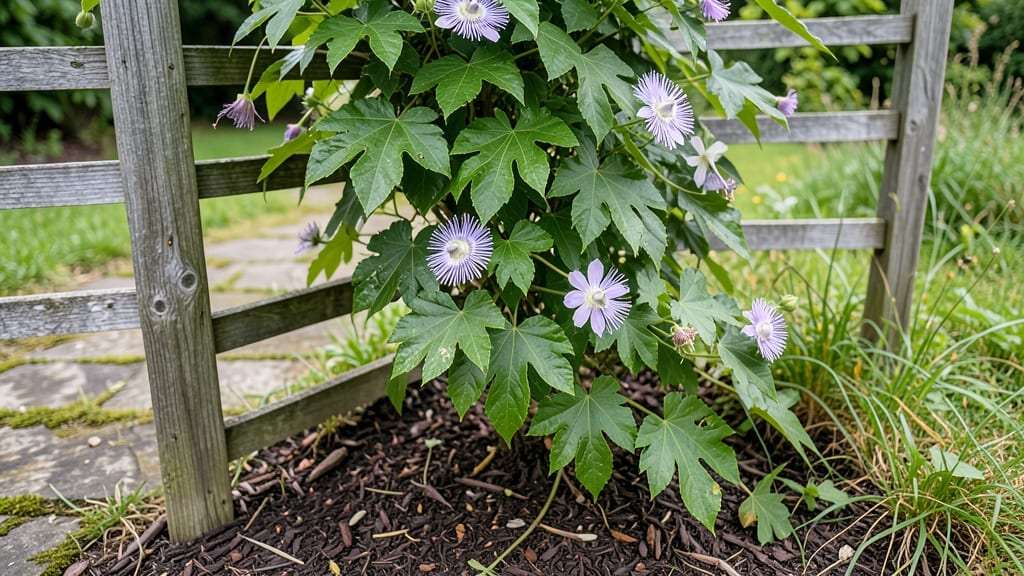
Growing passion flowers in your zone starts with knowing which varieties thrive where—because the wrong choice means frost-killed vines by spring. 🌿 I’ve grown them from Zone 5 to Zone 11, and the secret isn’t just the zone number but how you adapt their care to your microclimate.
Some passion flowers beg for humidity, while others shrug off dry heat.
The tropical types like Passiflora caerulea (blue passionflower) handle Zones 6-9 with ease, but they need winter protection in colder areas. Meanwhile, hardier varieties such as Passiflora incarnata (maypop) stretch from Zones 5-10, surviving light frosts if planted in well-drained soil.
The key? Matching your zone to the plant’s frost tolerance—and knowing when to tuck them into containers for winter.
You’ll end up with vines that climb 10-30 feet, covered in exotic blooms that hummingbirds can’t resist. The fragrance alone—sweet, citrusy, and just a little mysterious—makes it worth the planning.
Even in colder zones, container growing lets you bring them indoors before frost, ensuring they return bigger and more vigorous every year.
Whether you’re in the Deep South or the Pacific Northwest, this guide breaks down zone-specific tricks—from mulching strategies to sun exposure hacks—that keep your passion flowers thriving. Let’s get those vines growing where you live.
📚 In This Guide
- What you need
- Instructions
- Tips and common mistakes
- Wrapping up and next steps
What you need
- ● Passion flower seeds or cuttings: Choose varieties suited to your zone (e.g., Passiflora incarnata for Zones 5-9, Passiflora edulis for Zones 10-12). 1-3 plants per container or garden spot.
- ● Well-draining potting mix: 5-10 gallons (for containers) or amend garden soil with compost + perlite (1 part perlite per 3 parts soil).
- ● Containers (if not planting in-ground): Large pots (12-18 inches deep, 5+ gallon capacity) for dwarf varieties.
- ● Tall trellises or cages (6-8 feet tall) for climbing vines.
- ● Trellis or support structure: Sturdy metal, wood, or plastic trellis to guide vine growth (avoid weak materials—passion flowers can get heavy!).
- ● Watering can or hose with gentle nozzle: Passion flowers love moisture but hate soggy roots.
- ● Fertilizer: Balanced 10-10-10 or organic compost tea (apply every 4-6 weeks during growing season).
- ● Mulch: Wood chips or straw to retain moisture and regulate soil temp (2-3 inches around base).
- ● Pruning shears: For shaping vines and removing dead growth (sterilized blades to prevent disease).
- ● Shade cloth (for hot zones): 30-50% coverage to protect young plants from intense sun.
- ● Epsom salt: 1 tbsp/month in water for magnesium boost (great for leaf health!).
- ● Garden gloves: Passion flowers have tiny hooks—protect your hands!
Step-by-step guide for planting passion flowers across climates
Here's how to establish passion vines in your growing zone—whether you're in the tropics or cooler regions.
🌱 Step 1: Select the Right Variety for Your Zone
Passion flowers thrive in USDA Zones 5-11, but your choice depends on your climate. Tropical varieties like Passiflora edulis (purple passionfruit) need Zones 8-11 with winter protection, while hardy types like Passiflora incarnata (maypop) survive Zones 5-9 with cold snaps down to 10°F. Check your zone and pick a vine that matches your winter lows.
I always verify the mature size too—some vines reach 30 feet in a season, while dwarf varieties stay under 6 feet. If space is tight, opt for compact types like Passiflora caerulea (blue passionflower), which thrives in Zones 6-9 and blooms prolifically even in containers.
☀️ Step 2: Choose the Perfect Sun and Soil Spot
Passion vines demand full sun (6-8 hours daily) for best flowering, but in Zones 10-11, afternoon shade prevents leaf scorch. Amend heavy clay soil with 3-4 inches of compost to improve drainage—passion vines hate soggy roots. The ideal pH is 6.0-7.0, so test your soil and adjust with lime or sulfur if needed.
Here's the thing—passion vines are aggressive climbers. Install a strong trellis (8-10 feet tall) or let them scramble over fences and arbors. In cooler zones (5-7), plant near a south-facing wall to capture reflected heat. Watch for new leaf growth in spring—that's your cue to fertilize lightly with a balanced 10-10-10.
💧 Step 3: Plant and Water for Zone-Specific Success
Dig a hole twice as wide as the root ball but no deeper. In Zones 8-11, plant in early spring; in Zones 5-7, wait until after the last frost when soil reaches 60°F. Water deeply at planting to settle roots, then maintain 1 inch of water weekly—more in Zones 9-11 during dry spells. Mulch with 2-3 inches of organic mulch to retain moisture and protect roots.
Real talk: Overwatering kills passion vines faster than drought. In Zones 10-11, let the top 2 inches of soil dry between waterings. In cooler zones, reduce watering in winter to prevent root rot. You'll know it's working when leaves stay deep green and new tendrils appear every 2-3 weeks.
✂️ Step 4: Prune and Protect for Seasonal Changes
In Zones 5-7, cut back vines to 12-18 inches in early spring before new growth starts. This prevents dieback from late frosts. In Zones 8-11, prune lightly after flowering to encourage more blooms. Remove dead or diseased growth year-round to keep air circulating and reduce pests.
Don't skip winter prep in marginal zones. In Zones 8-9, wrap young vines in burlap or use frost cloth for 20-25°F dips. In Zones 5-7, mound 4-6 inches of mulch around the base to insulate roots. Watch for bud swell in spring—that's your signal to start fertilizing again.
Tips & tricks for thriving passion flower vines in any climate
Between us, planting passion flowers isn't just about throwing seeds in the ground and hoping for the best—it's about understanding your zone's quirks. Here's what I've learned from growing these beauties across different climates.
Variety Selection: The 30-foot tropical varieties like Passiflora edulis need Zones 8-11 protection, while Passiflora incarnata handles Zones 5-9 down to 10°F. Here's the thing: I always check the mature size—if you've got limited space, Passiflora caerulea stays under 6 feet and thrives in Zones 6-9. For containers, this dwarf variety is a game-changer.
Sunlight Strategy: That 6-8 hours of daily sun requirement is non-negotiable for flowering, but in Zones 10-11, afternoon shade becomes crucial to prevent leaf scorch. I've seen vines crisp up when planted in full afternoon sun—watch for that yellowing as a warning sign. For cooler zones (5-7), position near south-facing walls to maximize heat absorption.
Zone-Specific Planting: In Zones 8-11, early spring planting gives vines time to establish before summer heat. But in Zones 5-7, waiting until soil reaches 60°F after last frost prevents cold shock. I always test soil temperature with a thermometer—it's the only way to be sure. Pro tip: If you're in Zone 7, consider microclimate protection for tropical varieties.
Winter Protection: That 20-25°F frost protection for Zones 8-9 isn't just about wrapping vines—it's about creating an insulating air pocket. I use burlap wrapped loosely (not tightly) to allow airflow while trapping heat. For Zones 5-7, that 4-6 inches of mulch around the base works wonders—think of it as a thermal blanket for the roots.
Pro Tips for Passion Flower Growing Zone
- Between us, planting passion flowers isn't just about throwing seeds in the ground and hoping for the best—it's about understanding your zone's quirks.
- Variety Selection: The 30-foot tropical varieties like Passiflora edulis need Zones 8-11 protection, while Passiflora incarnata handles Zones 5-9 down to 10°F.
- Sunlight Strategy: That 6-8 hours of daily sun requirement is non-negotiable for flowering, but in Zones 10-11, afternoon shade becomes crucial to prevent leaf scorch.
Frequently asked questions
Got questions about growing passion flowers in the right zones? You’re not alone! Here are some of the most common concerns—and straightforward answers—to help you cultivate a thriving vine, whether you’re in a tropical paradise or a cooler climate.
What are the best USDA growing zones for passion flowers?
Passion flowers (like Passiflora incarnata or Passiflora caerulea) thrive in USDA Zones 5–11. Most varieties prefer zones 8–10 for full sun and warmth, but hardy types (like maypop) can survive winters in zones 5–7 with mulch or container protection. Check your local zone here!
Can I grow passion flowers in containers if I’m outside the ideal zone?
Containers are perfect for zones 4–6 or cooler areas. Use a large pot (15+ gallons) with drainage, and overwinter indoors (60–70°F, bright light). Opt for Passiflora caerulea (hardy blue passionflower) or Passiflora edulis (grapefruit passionflower) for better cold tolerance.
How long does it take for passion flowers to bloom after planting?
Patience pays off! Most passion flowers take 1–2 years to bloom from seeds, but grafted or nursery plants may flower in 6–12 months. Prune leggy growth in spring to encourage bushier, faster blooming. Pro tip: Fertilize lightly with a balanced 10-10-10 mix when new growth appears!
What pests or diseases should I watch for in passion flowers?
Common issues include:
- Aphids/spider mites: Spray with neem oil or introduce ladybugs.
- Whiteflies: Use yellow sticky traps or insecticidal soap.
- Fungal diseases (powdery mildew): Improve airflow, avoid overhead watering, and treat with copper fungicide.
- Root rot: Ensure pots have drainage holes and avoid soggy soil.
Inspect leaves regularly—early action keeps your vine healthy!
Do passion flowers need a trellis, or can they sprawl on the ground?
While passion flowers can trail on the ground (great for ground cover!), they thrive with support. A trellis, fence, or arbor encourages upward growth, better airflow (reducing pests), and more dramatic blooms. For containers, a small cage or stakes work well. Fun fact: Some varieties (like Passiflora antioquiensis) have thorns—wear gloves if training!
Wrapping up and next steps
Growing passion flowers is a rewarding journey—whether you're nurturing them in zones 9-12 under the sun or coaxing them to thrive in containers in cooler climates. With the right variety, soil, and care, these vines can flourish, offering stunning blooms and even edible fruits.
Don’t let zone limitations hold you back; creativity and patience will turn your space into a lush, tropical haven! 🌿
Next steps:
- Pick your passion flower variety based on your zone.
- Grab your supplies and start planting—your garden awaits!