
Blooming
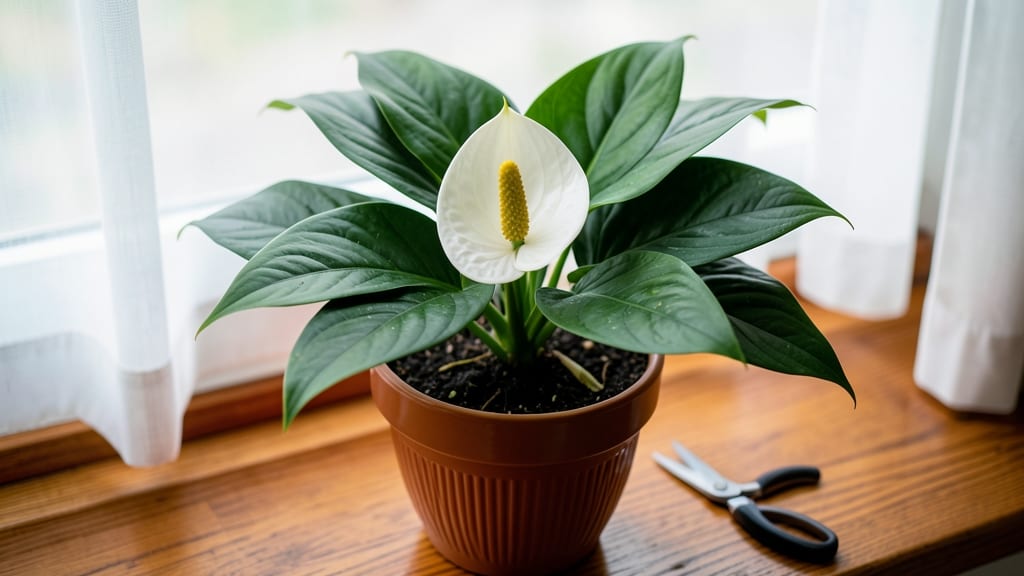
Your peace lily flower blooming starts with one simple truth: these plants don’t bloom from neglect—they bloom when you pay attention to their hidden triggers. 🌿 I’ve coaxed dozens of white spathe blooms from my own peace lilies by focusing on three key moments: when to prune spent flowers, how to adjust light without burning leaves, and the exact watering rhythm that mimics their tropical roots.
The secret isn’t complicated—it’s about timing. Prune those browned spathe stems right after blooming, but only when new growth appears nearby. Too early, and you rob the plant of energy; too late, and you risk root rot from overwatering the leftover stems.
Most people skip this step entirely, which is why their peace lilies throw leaves but never flowers.
By summer’s end, you’ll see the first signs of new flower buds forming—tiny green spikes peeking from the center. These plants reward patience with bold white blooms that last 2-3 weeks, plus glossy leaves that purify your air.
The payoff? A houseplant that looks like a five-star hotel lobby, not just a leafy houseguest.
Works in every room from bathrooms to offices—just watch for those three pruning triggers. Here’s how to spot them before your plant sends up its next bloom.
📚 In This Guide
- What you need
- Instructions
- Tips and common mistakes
- Wrapping up and next steps
What you need
- ● Healthy peace lily plant (preferably mature, 2+ years old)
- ● Well-draining potting mix (1 gallon bag, peat-based or cactus/succulent blend works well)
- ● 6-inch or 8-inch pot (with drainage holes—terracotta or ceramic preferred)
- ● Balanced liquid fertilizer (20-20-20 or 10-10-10, 16 oz bottle)
- ● Watering can with a narrow spout (for gentle hydration)
- ● Pruning shears (sterilized, sharp blades for clean cuts)
- ● Spray bottle (for misting leaves, 8 oz)
- ● Grow lights (LED, full-spectrum for low-light spots)
- ● Humidity tray (pebble tray + water for tropical vibes)
- ● Plant food (slow-release granules for extra nutrients)
- ● Glove (to protect hands from sap—though peace lilies are non-toxic)
Step-by-step guide to encouraging peace lily blooms year-round
Here's how I coax vibrant blooms from my peace lilies—even in winter.
🌿 Step 1: Master the Light Balance for Flowering
Peace lilies bloom best with bright, indirect light—think filtered sunshine or a north-facing window. Too much direct sun scorches leaves, while dim corners starve the plant of energy. I place mine 3-5 feet from an east window where morning light bathes them without harsh afternoon rays.
Watch for these clues: If leaves darken or develop brown tips, the light's too intense. If stems grow leggy and leaves space far apart, it's not getting enough. The ideal spot should keep foliage deep green with no yellowing. Rotate the pot quarter-turn weekly so growth stays even.
💧 Step 2: Water with Precision to Trigger Blooms
Overwatering kills blooms faster than anything. I wait until the top 2 inches of soil feel dry before watering—stick your finger in to check. Peace lilies store water in their stems, so soggy soil rots roots and prevents flowering. Use room-temperature water and water until it drains freely from the bottom.
Here's the trick: After watering, let the plant sit in its saucer for 10 minutes, then empty any excess. This mimics tropical rainfall patterns and prevents root suffocation. In winter, when air is dry, I reduce watering to every 7-10 days—the plant signals thirst by drooping slightly.
✂️ Step 3: Prune Using These 3 Critical Triggers
Cut back yellowed leaves immediately—they steal energy from potential blooms. Use clean, sharp scissors and snip at the base where the leaf meets the stem. Never pull leaves, as this tears tissue and invites disease. I also remove spent flower stalks when they turn brown, cutting ½ inch above the next leaf node to encourage new growth.
The third trigger is pruning leggy stems in spring. When new growth appears but stems stretch too tall, I trim just above a leaf node where new blooms often form. This forces energy into compact, bushier growth that produces more flowers. Always sterilize your tools with rubbing alcohol between cuts to prevent bacterial spread.
☀️ Step 4: Feed and Refresh for Continuous Blooms
Peace lilies need balanced fertilizer every 6-8 weeks during active growth. I use a 20-20-20 liquid fertilizer diluted to half-strength to avoid burning roots. Apply when the soil is moist to maximize absorption. In winter, when growth slows, I switch to a low-nitrogen formula (like 10-10-10) to support flowering without leafy overgrowth.
Here's what I've learned: After repotting every 2-3 years, my peace lilies bloom more prolifically. Choose a pot just 1-2 inches larger than the current one—too much space encourages roots over foliage, delaying flowers. Add a layer of orchid bark mix to the fresh soil for better drainage and aeration.
Tips & tricks for perfect peace lily blooms
These little details make all the difference between occasional blooms and year-round beauty.
Light Positioning: That east window spot is key—morning light gives gentle warmth without scorching. If you don't have an east window, try a west-facing spot but move it back 6-8 feet to avoid harsh afternoon rays. I've seen peace lilies near south windows develop sunburned patches that never recover. Rotate your pot every week to prevent lopsided growth from leaning toward the light.
Watering Secret: The 10-minute saucer drain trick prevents root rot by letting excess water evaporate naturally. I've had plants where I skipped this step, and within weeks, the roots turned mushy. In winter, when air is dry, I check moisture every 5-7 days—the plant's slight droop is its way of saying "I'm thirsty, not dead."
Pruning Precision: When cutting back leggy stems, always look for that leaf node—it's where new blooms form. I use a magnifying glass to spot these tiny growth points, especially on mature plants. Sterilizing your tools isn't just about hygiene; it prevents bacterial infections that can kill your plant in weeks. I keep rubbing alcohol wipes by my pruning station for quick sterilization between cuts.
Fertilizer Timing: That 6-8 week schedule keeps blooms coming without leafy overgrowth. I always apply fertilizer when the soil is moist—this prevents root burn. In winter, I switch to the 10-10-10 formula because lower nitrogen encourages flowering instead of leaf production. You'll notice the difference within 2-3 applications.
Pro Tips for Peace Lily Flower Blooming
- These little details make all the difference between occasional blooms and year-round beauty.
- Light Positioning: That east window spot is key—morning light gives gentle warmth without scorching.
- Watering Secret: The 10-minute saucer drain trick prevents root rot by letting excess water evaporate naturally.
Frequently asked questions
Got questions about coaxing those stunning white blooms from your peace lily? You’re not alone! Here are answers to the most common concerns—so you can enjoy year-round beauty without the guesswork.
Why isn’t my peace lily blooming?
Peace lilies are picky about blooming triggers! They need low light, cooler temps (60–75°F), and well-draining soil to flower. If it’s been over a year since the last bloom, it might be stressed—try moving it to an east-facing window or a shaded spot. Pro tip: A slight dip in humidity (like winter air) can also prompt blooms!
How often does a peace lily bloom?
Healthy peace lilies bloom 2–4 times a year, typically in spring and fall—but some may flower sporadically. If yours hasn’t bloomed in over 18 months, it might need a reset: Prune 1/3 of the foliage and repot it in fresh soil. Patience pays off—older plants often reward you with larger, more frequent blooms!
Can I make my peace lily bloom faster?
While you can’t rush nature, you can optimize conditions:
- Give it bright, indirect light (no direct sun!).
- Water when the top inch of soil is dry—overwatering = no blooms!
- Fertilize lightly with a balanced houseplant food every 2–3 months.
- Mist leaves or place the pot on a pebble tray to boost humidity.
What do I do after the peace lily blooms?
Once those elegant white spathes fade, don’t yank them off! Let them wilt naturally—they’ll feed nutrients back into the plant. After they turn brown, snip them at the base with clean pruners. Redirect energy to new growth by:
- Trimming yellow or leggy leaves to encourage bushiness.
- Repotting every 2–3 years in fresh potting mix.
Are there peace lily alternatives that bloom more easily?
If your peace lily plays hard to get, try these low-maintenance bloomers:
Plant
Bloom Frequency
Care Level
Anthurium
Year-round (with proper light)
Moderate (needs humidity)
Spider Plant
Spring–fall (tiny white flowers)
Easy (tolerates neglect)
Calathea
Occasional (delicate spikes)
Moderate (loves shade)
Wrapping up and next steps
Watching your peace lily bloom is a rewarding experience that brings year-round beauty to your space! 🌿 With the right care—like pruning at the perfect times, ensuring proper lighting, and maintaining consistent watering—you’ll enjoy lush foliage and stunning white blooms for seasons to come. Now that you’re armed with these tips, why not share your peace lily’s progress with fellow plant lovers? Snap a photo of its blooms, tag us, and let your green thumb shine! 📸✨