
Flowers
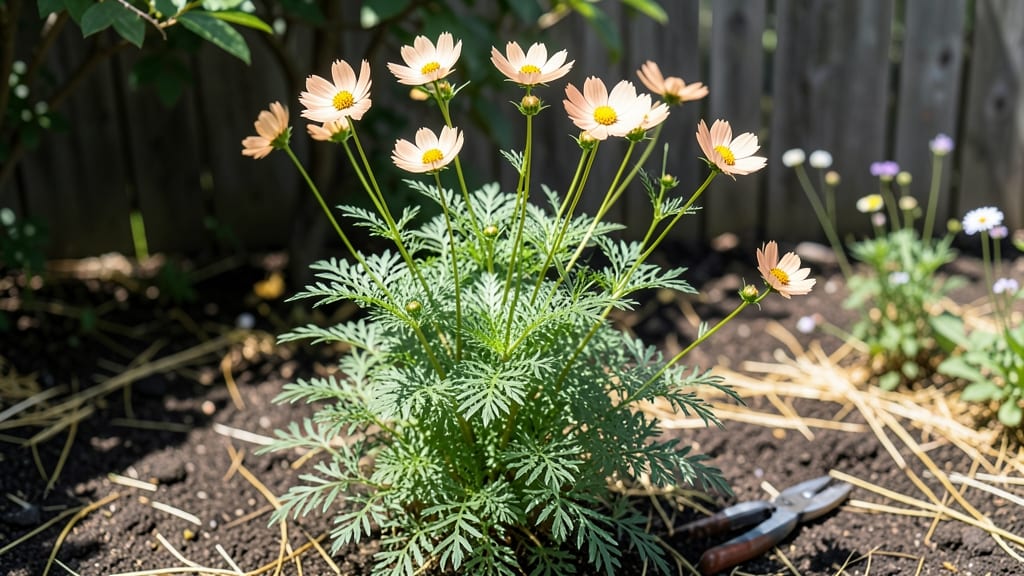
Peach cosmos flowers bring a sun-drenched glow to any garden, towering over borders like nature’s own fireworks. 🌸 Their soft peach petals contrast beautifully with deep green foliage, while their airy blooms sway in the breeze—creating movement where other flowers stand still.
The secret to their drama? Planting them in clusters where their 5-foot stems can really shine, whether lining a path or anchoring a cottage-style garden bed.
These pollinator magnets thrive with minimal fuss, attracting bees and butterflies all summer long. Pair them with lavender for a soothing purple-peach combo or salvia for a striking vertical contrast.
In containers, they spill over edges like a living waterfall, while in borders, they create a dreamy, romantic backdrop for taller plants like delphiniums or hollyhocks.
You’ll love how they bloom from mid-summer until frost, providing nonstop color when many perennials fade. Their effortless charm means you can mix them into almost any design—whether you’re going for a wild meadow vibe or a refined perennial border.
The key is giving them room to stretch and letting their natural grace do the work.
For best results, plant them in full sun with well-draining soil, and deadhead spent blooms to encourage more flowers. They’re the perfect low-maintenance star for any garden that wants height, movement, and a touch of whimsy without the fuss.
📚 In This Guide
- What you need
- Instructions
- Tips and common mistakes
- Wrapping up and next steps
What you need
- ● Peach cosmos seeds – Choose Cosmos bipinnatus ‘Peach’ (or similar varieties) for that soft, blush hue. (1 packet = ~50 seeds)
- ● Well-draining potting mix – A blend of peat moss, perlite, and compost works best. (5-gallon bag for seedlings)
- ● Seed-starting trays or small pots – (2–3 inch pots, 12–24 cell trays)
- ○ Garden soil (optional for transplanting) – Loamy, slightly sandy soil with pH 6.0–7.0 is ideal. (1 cubic yard for in-ground planting)
- ● Watering can or spray bottle – Keep soil moist but not soggy.
- ● Garden trowel or transplanting spade – For moving seedlings outdoors.
- ● Pruning shears – To deadhead spent blooms and encourage bushier growth.
- ○ Gloves (optional) – Protects hands from thorny stems.
- ● Sunlight – Full sun (6+ hours daily) for vibrant blooms.
- ● Warmth – Seeds germinate best in 70–75°F (21–24°C) soil.
- ● Patience – Germination takes 7–14 days!
How to grow stunning peach cosmos for pollinators and height
Here’s the straightforward method I’ve used to grow cosmos that tower over borders while drawing bees and butterflies.
🌱 Step 1: Choose the Perfect Planting Site
Cosmos thrives in full sun—at least 6-8 hours daily—but tolerates light shade in hot climates. I always plant mine where they’ll get morning sun and afternoon shade if temperatures exceed 85°F. The soil should drain well; cosmos roots rot easily in soggy conditions. Amend heavy clay with 2-3 inches of compost before planting to improve aeration.
Wait until after the last frost when soil reaches 60°F—cold soil delays germination. If your spring is unpredictable, start seeds indoors 4-6 weeks before transplanting (they germinate quickly once soil warms). Direct sowing works too, but seedlings may struggle in cool, wet soil.
🌿 Step 2: Sow Seeds for Fast, Easy Germination
Scatter seeds ¼ inch deep in rows or clusters, spacing them 12-18 inches apart—cosmos self-seeds aggressively, so thinning early prevents overcrowding. Lightly cover with soil and water gently to avoid displacing seeds. I tap the soil surface with my fingers to ensure even contact, which speeds germination.
Keep the soil consistently moist but not soggy until sprouts appear in 7-14 days. Once seedlings have 2-3 true leaves, thin to the strongest plants, snipping weaker ones at the base with clean scissors. This prevents competition and encourages taller, sturdier stems.
☀️ Step 3: Provide Support for Dramatic Height
Peach cosmos can reach 3-5 feet tall, but stems need support to avoid flopping, especially in wind or rain. I install 5-foot bamboo stakes at planting time, driving them 6 inches deep into the soil. Tie stems loosely to the stakes with soft plant ties as they grow—never cinch too tight, or you’ll restrict growth.
Alternatively, plant cosmos near fences or trellises where they can lean naturally. Avoid heavy pruning; instead, pinch back leggy stems in early spring to encourage bushier growth. Deadhead spent blooms to prolong flowering, but leave some seed heads for pollinators and natural reseeding.
💧 Step 4: Water and Feed for Continuous Blooms
Once established, cosmos are drought-tolerant, but consistent moisture during the first 4-6 weeks ensures strong root development. Water deeply 1-2 times per week, aiming for 1 inch of water total. Let the top 2 inches of soil dry between waterings to prevent fungal issues.
Feed lightly with a balanced 10-10-10 fertilizer at planting and again mid-season. Over-fertilizing leads to lush foliage but fewer blooms. I swear by a low-nitrogen formula (like 5-10-10) to encourage flowering. Mulch with 2-3 inches of straw to retain moisture and suppress weeds—cosmos hate competition.
✂️ Step 5: Maintain and Enjoy the Pollinator Party
Cosmos bloom nonstop from midsummer until frost, making them a pollinator superstar. To keep flowers coming, deadhead regularly by snipping spent blooms at the base. Leave a few seed heads for birds and bees, but remove them if they spread too aggressively in your garden.
Watch for Japanese beetles—they adore cosmos. Handpick them early in the morning when they’re sluggish, or spray with neem oil if infestations occur. With minimal care, your cosmos will reward you with vibrant peach blooms and a garden buzzing with life.
Tips & tricks for growing towering peach cosmos
Here's what nobody tells you about getting those showstopper cosmos you've been dreaming of.
Site Selection Secrets: The 6-8 hours of daily sun isn't just about sunlight—it's about timing. Plant where morning sun warms the soil quickly (cosmos hate cold starts) but afternoon shade protects from the 85°F+ heat that can scorch tender seedlings. I've learned this the hard way after watching entire batches wilt under midday blazes.
Germination Game-Changer: That ¼-inch seed depth is crucial, but the real trick is the soil surface. After scattering seeds, I press them gently with my fingertips—not to bury them further, but to create micro-contact points with the soil. This tiny adjustment can cut your 7-14 day germination window by nearly half. The difference between patience and frustration often comes down to this single step.
Support System Strategy: When installing those 5-foot bamboo stakes, drive them at a 15-degree angle rather than straight up. This creates a natural lean that mimics wind resistance, preventing stems from snapping when fully loaded with blooms. I've seen too many dramatic collapses when stakes were planted vertically—especially in my windy garden. The extra 10 minutes of careful planting prevents hours of disappointment later.
Watering Wisdom: The 1-2 times per week watering schedule assumes average conditions, but your local climate matters more. In my experience, the top 2 inches of soil drying between waterings is the real benchmark—not the calendar. Stick your finger in the soil first—if it's dry at 2 inches, water deeply. This simple check prevents both underwatering and the fungal issues that come from soggy roots.
Pro Tips for Peach Cosmos Flower
- Here's what nobody tells you about getting those showstopper cosmos you've been dreaming of.
- Site Selection Secrets: The 6-8 hours of daily sun isn't just about sunlight—it's about timing.
- Germination Game-Changer: That ¼-inch seed depth is crucial, but the real trick is the soil surface.
Frequently asked questions
Got questions about peach cosmos flowers?
You’re not alone! These vibrant blooms are stunning but come with unique care needs. Here are answers to the most common questions—so you can grow (and enjoy) them with confidence.
How tall do peach cosmos flowers grow, and do they need staking?
Peach cosmos typically reach 3–5 feet tall, making them a dramatic addition to borders or cut-flower gardens. While they’re sturdy, wind or heavy blooms may cause flopping. For extra support, plant them near tall grasses or shrubs or use lightweight stakes (like bamboo) hidden among the foliage. Avoid heavy trellises—they can snap delicate stems!
When is the best time to plant peach cosmos seeds?
Peach cosmos are cold-hardy annuals, so you can direct-sow seeds outdoors as soon as the soil warms (after the last frost). For faster blooms, start seeds indoors 4–6 weeks before your last frost date. They germinate quickly (in 5–10 days) and thrive in full sun, so don’t rush—wait until temps are consistently above 50°F (10°C).
Why aren’t bees or butterflies visiting my peach cosmos?
Peach cosmos are pollinator magnets, but if visitors are scarce, check these fixes:
- Timing: They bloom late summer to fall—if planted too early, other flowers may steal the show.
- Location: Place them where they’re visible and accessible (not buried in shade).
- Water stress: Wilting flowers = less nectar. Keep soil consistently moist but well-drained.
- Pesticides: Avoid chemicals—cosmos are pesticide-free zones!
Pro tip: Deadhead spent blooms to encourage more flowers and attract pollinators!
Can I grow peach cosmos in containers, and what’s the best soil mix?
Cosmos thrive in containers 12+ inches deep with well-draining soil. Use a mix of:
- 50% potting soil
- 30% perlite or coarse sand (for drainage)
- 20% compost (for nutrients)
Add a time-release fertilizer at planting, and water at the base to avoid fungal issues. Containers dry out faster—check soil moisture daily in hot weather!
What flowers pair well with peach cosmos for a pollinator-friendly garden?
Peach cosmos complement colors and textures beautifully. Try these pollinator-loved pairings:
Color Scheme
Recommended Flowers
Soft Pastels
Shasta daisies, lavender, and pink zinnias
Bold Contrast
Purple salvia, black-eyed Susans, or orange marigolds
Height Variety
Tall snapdragons or dwarf sunflowers (to fill gaps)
For a low-maintenance combo, mix cosmos with self-seeding annuals like sweet alyssum or blanket flower—they’ll rebloom year after year!
Wrapping up and next steps
The peach cosmos flower isn’t just a stunning addition to your garden—it’s a pollinator powerhouse that brings life, color, and effortless beauty with its towering presence. Whether you’re a seasoned gardener or just starting, these flowers prove that impactful gardening can be simple and rewarding.
Ready to transform your outdoor space? Start small—plant a few peach cosmos seeds or cuttings this season, and watch your garden thrive! 🌸✨ Happy gardening!