
Shrubs
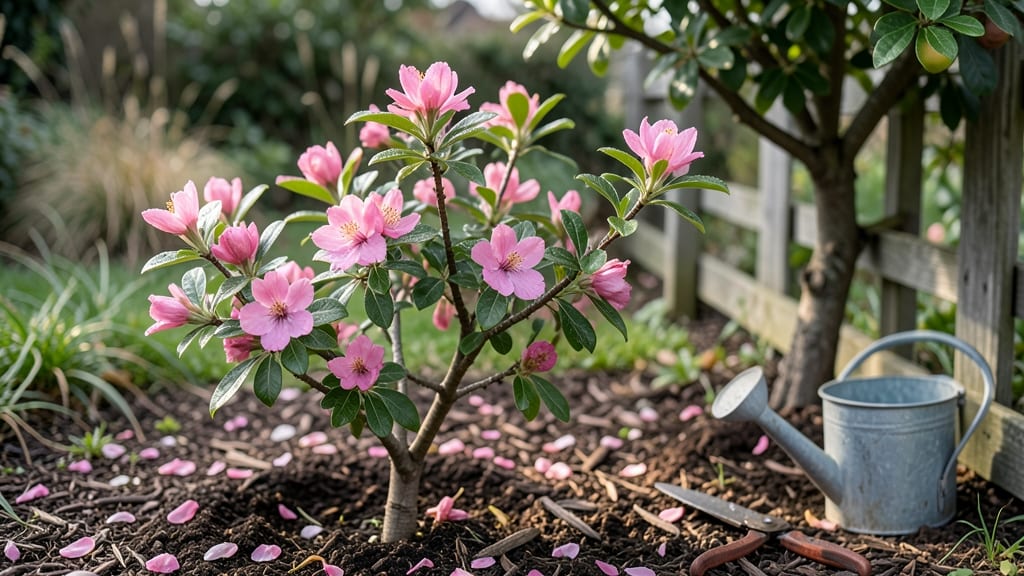
The peach flowering quince transforms your garden into a fragrant spring paradise with its delicate blossoms and glossy foliage. I fell in love with this shrub after struggling with finicky roses—it thrives where others fail, and its honey-scented blooms attract pollinators like crazy.
Unlike high-maintenance plants, this one rewards you with minimal effort and maximum beauty.
You’ll need a spot with full sun to partial shade, well-draining soil, and a container at least 12-15 inches deep if growing in pots. Pruning is simple: just trim back leggy branches in late winter to encourage fresh growth.
The key to its success? Consistency—water deeply once a week during dry spells, and you’ll see those iconic peach-pink flowers return year after year.
By late spring, your quince will be a showstopper, its branches heavy with blooms that last for weeks. The glossy, deep-green leaves add texture all season, and in fall, small but striking fruit appears—though it’s not edible, it’s a bonus ornamental feature.
Even in containers, this shrub stays compact and elegant, perfect for patios or small yards.
Here’s the best part: it’s disease-resistant and deer-proof, meaning fewer headaches and more time enjoying your garden. Whether you’re a beginner or looking to add a low-maintenance star to your landscape, this shrub delivers beauty without the fuss. Ready to grow yours?
📚 In This Guide
- What you need
- Instructions
- Tips and common mistakes
- Wrapping up and next steps
What you need
- ● Peach flowering quince plant(s): 1–3 bare-root or container-grown plants (depending on desired fullness; spacing: 4–6 feet apart for ground planting, 1–2 plants per 12–18" container).
- ● Recommended varieties: Chaenomeles speciosa ‘Texas Scarlet’ or ‘Coccinea’ for vibrant blooms.
- ● Soil: Well-draining potting mix (for containers) or native soil amended with compost (for ground planting).
- ● Perlite or coarse sand (1 part per 4 parts soil) to improve drainage.
- ● Container (if applicable): 1–2 fabric or terracotta pots (12–18" diameter with drainage holes).
- ● Fertilizer: Balanced granular fertilizer (10-10-10 or 20-20-20, 1 tbsp per plant at planting time).
- ● Slow-release organic fertilizer (e.g., 5-5-5, for spring feeding).
- ● Tools: Trowel or small shovel.
- ○ Garden gloves (optional but recommended!).
- ● Watering can or hose with a gentle spray nozzle.
- ● Mulch (e.g., wood chips or straw, 2–3 inches thick).
- ● Pruning shears (for shaping after flowering).
- ● Epsom salt (1 tbsp dissolved in water monthly for magnesium boost).
- ● Copper fungicide (preventative for leaf spot diseases).
- ● Decorative stones or pebbles (for container aesthetics).
Step-by-step guide to cultivating fragrant peach flowering quince in containers
This hardy shrub delivers seasons of beauty with minimal fuss—here’s how to coax its signature blooms.
Select the Right Container and Drainage System
Choose a 15-20 gallon container with at least 3 drainage holes—flowering quince hates soggy roots. I prefer unglazed terra cotta because it wicks away excess moisture while retaining enough dampness for deep roots. If using plastic, add a 2-inch layer of gravel at the bottom to prevent compaction and improve aeration.
Position the container where it’ll receive full sun to partial shade (6+ hours of morning sun). Quince tolerates heat better than full sun all day, so a spot with afternoon shade in hot climates works best. Test your location by watching how sunlight moves across the area—you’ll want consistent light without scorching during peak afternoon hours.
Prepare the Soil Mix for Optimal Growth
Combine equal parts garden soil, compost, and perlite to create a well-draining yet moisture-retentive mix. Flowering quince prefers slightly acidic to neutral soil (pH 6.0-7.0)—test your garden soil before mixing. If it’s too alkaline, amend with sulfur or peat moss to adjust the pH.
Fill the container ¾ full with the mix, leaving 3-4 inches of space at the top for mulch and watering. Press the soil down gently to eliminate air pockets, then water deeply until moisture reaches 2 inches below the surface. The soil should feel damp like a wrung-out sponge—not wet, not dry.
Plant the Quince with Proper Spacing and Support
Dig a hole twice as wide as the root ball but no deeper. Gently remove the plant from its nursery pot and loosen any circling roots with your fingers—this encourages outward growth. Place the quince in the center of the container, ensuring the top of the root ball sits level with the soil line (never buried deeper).
Backfill with soil, pressing lightly around the edges to remove air gaps. Water again to settle the roots, then add a 2-inch layer of mulch (like shredded bark) to conserve moisture and regulate temperature. Quince doesn’t need staking, but if your container is tall, a light bamboo stake can support it during early growth if needed.
Water and Fertilize for Strong Blooms
Water deeply once a week during the first growing season, allowing 1-2 inches of water to penetrate the soil. Check moisture by sticking your finger 2 inches down—water when it feels dry. Overwatering causes root rot, while underwatering stresses the plant. In containers, morning watering prevents fungal issues from evening dampness.
Feed with a balanced 10-10-10 fertilizer in early spring and mid-summer, using half the recommended dose to avoid burning roots. Quince is forgiving but responds best to moderate feeding. Stop fertilizing by late summer to encourage dormancy prep. Prune spent blooms in late spring to redirect energy to next year’s flowers.
Prune and Overwinter for Longevity
After flowering, prune back one-third of the oldest stems to the base in early spring before new growth begins. This rejuvenates the plant and prevents overcrowding. Remove any dead, diseased, or crossing branches with clean pruners—sterilize them with rubbing alcohol between cuts to prevent spread.
For winter care, reduce watering once temperatures drop below 40°F, allowing the top 1-2 inches of soil to dry slightly between waterings. Move containers to a sheltered spot (like against a north-facing wall) if your winters drop below 10°F. Quince is hardy to Zone 4, but containers can freeze more easily—wrap with burlap if needed for extra protection.
Tips & tricks for perfect peach flowering quince cultivation
These insights will help you coax the most vibrant blooms and robust growth from your container-grown quince.
Container Selection Wisdom: When choosing between terra cotta and plastic containers, remember that terra cotta's porous nature helps regulate soil moisture - but it also means you'll need to water more frequently during dry spells. If you opt for plastic, that 2-inch gravel layer at the bottom isn't just for drainage; it creates crucial air pockets that prevent root suffocation. I've found that containers with built-in saucers can actually work against you by trapping excess moisture, so always empty saucers after watering.
Soil Preparation Secret: The equal parts garden soil, compost, and perlite mix isn't just about drainage - it's about creating a perfect balance of nutrients and aeration. For that 2-inch moisture check, I recommend using a soil moisture meter rather than your finger, especially if you're new to container gardening. The meter gives you precise readings that prevent both overwatering and underwatering, both of which can stress your quince. And when adjusting pH with sulfur or peat moss, start with small amounts - you can always add more, but you can't easily remove excess amendments.
Planting Technique: That twice-as-wide hole you dig for the root ball might seem excessive, but it's crucial for encouraging outward root growth. When loosening circling roots, be gentle - you're not trying to tear them, just encourage them to spread naturally. I've noticed that plants with their root balls positioned slightly off-center in the container actually perform better, as this prevents the roots from growing in a tight circle against the container wall.
Seasonal Care Strategy: The transition from summer's weekly deep watering to winter's reduced schedule is where many container gardeners go wrong. When temperatures drop below 40°F, I recommend moving your container to a location where it's protected from wind but still receives some light - a north-facing porch works well. And that burlap wrapping isn't just for decoration; it creates an insulating layer that helps maintain more stable soil temperatures, which is particularly important for container plants that can't regulate their own temperature like in-ground plants.
Pro Tips for Peach Flowering Quince
- These insights will help you coax the most vibrant blooms and robust growth from your container-grown quince.
- Container Selection Wisdom: When choosing between terra cotta and plastic containers, remember that terra cotta's por...
- Soil Preparation Secret: The equal parts garden soil, compost, and perlite mix isn't just about drainage - it's about...
Frequently asked questions
Got questions about growing peach flowering quince?
You’re not alone! Here are answers to the most common queries to help you nurture this fragrant beauty with confidence.
When is the best time to plant peach flowering quince?
Plant your peach flowering quince in early spring or fall when temperatures are mild (50–60°F). This gives roots time to establish before extreme heat or cold. Avoid planting in summer—it stresses the shrub and slows growth. If you’re in a warm climate, opt for fall planting to beat summer drought.
How cold-hardy is peach flowering quince?
This shrub is highly resilient, thriving in USDA Zones 4–8. It handles winter temps down to -30°F once established, though young plants may need mulch for extra protection. In Zone 9+, provide afternoon shade to prevent heat stress. Pro tip: Prune in late winter to encourage vigorous spring blooms!
Why aren’t my peach flowering quince leaves turning green?
Yellow or pale leaves often signal nutrient deficiencies (like iron or nitrogen) or overwatering. Test soil pH—ideal range is 6.0–7.0. If roots are soggy, improve drainage. For a quick fix, apply a balanced fertilizer in early spring. Fun fact: Variegated varieties may stay pale—check your plant tag!
Can peach flowering quince grow in containers?
Choose a 15–20 gallon pot with drainage holes and well-draining soil (add perlite or sand). Repot every 2–3 years and prune roots if they circle. Place in full sun to partial shade and water when the top inch of soil dries. Bonus: Containers make it easy to move the shrub for seasonal sun adjustments!
What’s the difference between peach flowering quince and regular quince?
Peach flowering quince (Chaenomeles speciosa) is prized for its showy spring blooms and fragrant pink/red flowers, while quince (Cydonia oblonga) is grown for its edible fruit. Flowering quince has thorny stems and glossy leaves, while quince trees are smoother with larger, oval fruit. Both are low-maintenance but serve different purposes!
Wrapping up and next steps
Growing a peach flowering quince is a rewarding way to bring vibrant color and intoxicating fragrance to your garden—whether in containers or the ground. With the right sunlight, soil, and care, this hardy shrub will flourish, offering stunning blooms year after year. 🌸
Ready to transform your space? Start by selecting a well-draining spot (or container) and follow the steps above. Plant now and enjoy the sweet rewards of a fragrant spring canopy—your future self (and pollinators!) will thank you. Happy gardening! 🌱