
Flowers
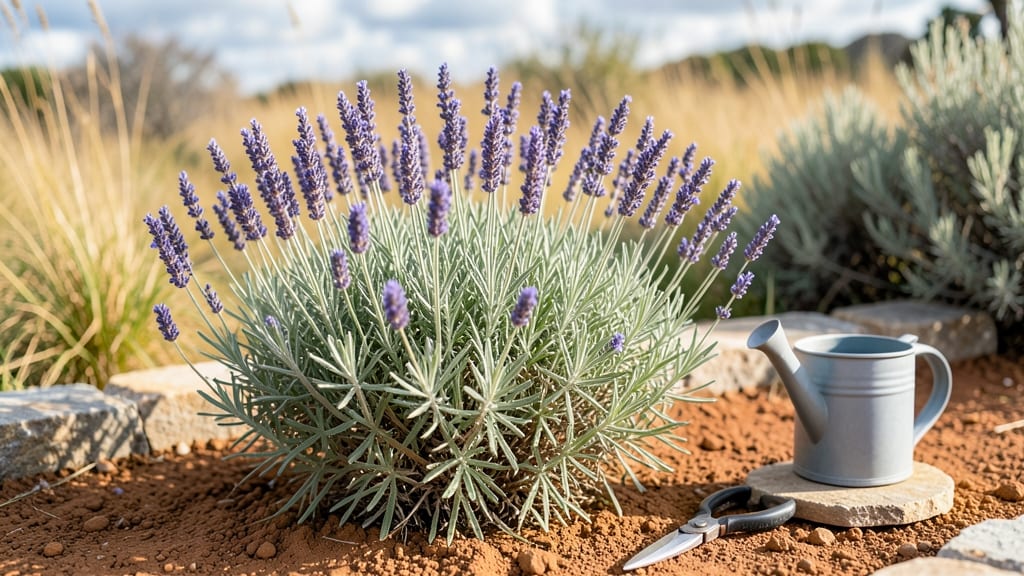
Heat-tolerant perennial flowers are the secret weapon for gardens that refuse to wilt under summer's glare. 🌞 I've learned the hard way that not all perennials can handle triple-digit days—some bolt, others fade to sad, brown stems—but these sun-resilient stars thrive when others struggle.
The trick isn't just picking the right plants; it's matching them to your soil, water, and even afternoon shade patterns.
My top performers include Black-Eyed Susans, which bloom from summer through fall with almost no care, and Coneflowers, whose deep roots make them drought-proof once established. Lantana, with its clusters of tiny flowers, handles heat like a pro and even attracts butterflies when others are wilting.
These plants need well-draining soil and deep watering once a week rather than daily shallow drinks that encourage weak roots.
What you'll end up with is a garden that stays vibrant when neighbors' plants are struggling—bold colors even in August, minimal fading, and flowers that return year after year without replanting. The key is mulching heavily to keep roots cool and deadheading spent blooms to encourage more flowers.
Once you see these plants thriving in your hottest spot, you'll never reach for heat-sensitive annuals again.
Works perfectly for southern borders, dry climates, or even container gardens on sunny patios. The same principles apply whether you're in Zone 7 or 10—just adjust watering slightly for your specific heat waves. Let's get those sun-loving perennials planted where they'll shine.
📚 In This Guide
- What you need
- Instructions
- Tips and common mistakes
- Wrapping up and next steps
What you need
- ● Heat-tolerant perennial flowers: Choose from Lantana, Black-Eyed Susan, Coneflower, Blanket Flower, or Russian Sage (3–5 plants per variety for a balanced look).
- ● Well-draining soil: Mix 1 part native soil with 1 part compost (or 1 part potting mix for containers).
- ● Organic mulch: 2–3 inches of wood chips or straw to retain moisture and regulate soil temperature.
- ● Drip irrigation system or soaker hoses: ¼-inch tubing with emitters (or a 5-gallon watering can as a backup).
- ● Pruning shears: Bypass-style (for clean cuts) and sterilized with rubbing alcohol.
- ● Gloves & knee pads: Garden-grade gloves and durable knee pads for comfort.
- ● Shade cloth (30–50% coverage): For seedlings or extreme heat spikes (e.g., 10’x10’ sections).
- ● Slow-release fertilizer: 10-10-10 or 5-5-5 blend (sprinkle lightly around roots once every 2 months).
- ● Reflective mulch: White or silver landscape fabric to deflect heat (great for rock gardens).
- ● Heat-resistant plant markers: Metal or UV-proof labels to track varieties.
Step-by-step guide for planting heat-tolerant perennial flowers
Here's how to establish sun-loving perennials that thrive through summer's hottest stretches.
🌱 Step 1: Prepare the Soil for Drought Resistance
Start by amending your soil with 2-3 inches of compost mixed into the top 12 inches of soil. This improves water retention while preventing compaction that suffocates roots. For clay-heavy soils, add 1 part perlite or coarse sand to 3 parts native soil to create better drainage—heat-tolerant perennials like black-eyed Susans and coneflowers will reward you with stronger root systems.
Test your soil's moisture level by squeezing a handful. It should hold together but not drip water. If it crumbles easily, add more organic matter. The goal is soil that stays moist 2-3 inches down for 2-3 weeks after watering, which mimics natural rainfall patterns in hot climates. Avoid working the soil when it's bone-dry—this creates a hardpan that roots can't penetrate.
☀️ Step 2: Choose and Plant the Right Varieties
Select perennials proven to handle 90°F+ temperatures like Lantana, Salvia, or Blanket Flower. These thrive in full sun (6+ hours daily) and often bloom more prolifically in heat. Plant in early spring or late summer to avoid transplant shock during peak heat.
Dig holes twice as wide as the root ball but only as deep as the container's height. This encourages roots to spread horizontally instead of settling too deep. Water each plant deeply immediately after planting to eliminate air pockets. You'll know moisture is right when the soil surface looks slightly damp but not glistening—this prevents fungal issues while keeping roots hydrated.
💧 Step 3: Establish a Watering Routine for Summer Survival
Water deeply 2-3 times per week rather than daily shallow watering. Aim for 1-1.5 inches of water per session, delivered slowly so it soaks 6-8 inches deep. The best time to water is early morning (6-9 AM) to reduce evaporation and fungal risks. You'll see healthy plants with deep green leaves and firm stems—wilting by midday is normal, but plants should recover by evening.
After 4-6 weeks, gradually reduce watering to once weekly if rainfall provides 0.5 inches or more. Mulch with 2-3 inches of shredded bark or straw to retain moisture and regulate soil temperature. Avoid mulching too close to stems—keep it 2-3 inches away to prevent rot. Heat-tolerant perennials often enter summer dormancy (dropping leaves), but their roots stay active underground.
✂️ Step 4: Prune for Heat and Pest Resistance
Deadhead spent blooms weekly to encourage continuous flowering. Use clean, sharp shears and cut just above a set of healthy leaves to stimulate new growth. This prevents the plant from wasting energy on seed production during heat stress. For woody perennials like Russian Sage, prune back one-third in early spring to promote bushier growth.
Watch for aphids or spider mites—they thrive in hot, dry conditions. Spray plants with neem oil (mixed per label) if you spot webbing or sticky residue on leaves. Prune any yellowing or crispy leaves immediately, as these indicate stress. Healthy heat-tolerant perennials should show new growth at the base by mid-summer, signaling they're adapting well to the climate.
Tips & tricks for perfect heat-tolerant perennial planting
Real talk: The difference between thriving sun plants and wilting casualties often comes down to these key details. Let me share what I've learned after watching perennials struggle—and then flourish—under the same blazing conditions.
Soil Science Matters: When amending your soil with 2-3 inches of compost, don't just sprinkle it on top—thoroughly mix it into the top 12 inches. This creates a moisture reservoir that keeps roots hydrated for those critical 2-3 weeks after watering. For clay soils, that 1:3 perlite-to-soil ratio is non-negotiable—it's what prevents suffocating compaction that strangles roots during heatwaves. I've seen black-eyed Susans go from limp to lush in just two weeks after proper soil prep.
Planting Precision: Those holes should be twice as wide as the root ball but only as deep as the container's height—this isn't just a suggestion, it's a growth hack. The wider hole encourages roots to spread horizontally where they'll find cooler soil, while proper depth prevents settling that can strangle new plants. After planting, that immediate deep watering isn't just about eliminating air pockets; it's about establishing a moisture gradient that roots will follow downward. The slightly damp (not glistening) soil surface is your visual cue for perfect hydration.
Watering Wisdom: The 2-3 times per week watering schedule works wonders, but timing is everything. Early morning watering (6-9 AM) isn't just about reducing evaporation—it gives leaves time to dry before nightfall, preventing fungal issues that thrive in hot, humid conditions. That 1-1.5 inches per session should soak down to 6-8 inches deep; use a screwdriver to check moisture levels if you're unsure. I've seen plants that looked parched at midday fully recover by evening because their roots had access to deep moisture.
Pruning Payoff: That weekly deadheading isn't just about looks—it's a growth stimulant. Cutting just above a set of healthy leaves redirects the plant's energy from seed production to new blooms. For woody perennials like Russian Sage, the one-third spring prune might seem drastic, but it's what triggers that bushier, more resilient growth pattern. And when you see new growth at the base by mid-summer, you'll know your plants are adapting perfectly to the heat.
Pro Tips for Perennial Flowers Heat Tolerant
- Real talk: The difference between thriving sun plants and wilting casualties often comes down to these key details.
- Soil Science Matters: When amending your soil with 2-3 inches of compost, don't just sprinkle it on top—thoroughly mix it into the top 12 inches.
- Planting Precision: Those holes should be twice as wide as the root ball but only as deep as the container's height—this isn't just a suggestion, it's a growth hack.
Frequently asked questions
Which perennial flowers handle extreme heat best?
Top performers include Lantana, Black-Eyed Susan, Salvia, Coneflower, and Blanket Flower. These thrive in full sun and drought conditions once established. Look for heat-tolerant cultivars like Lantana 'Bandana Cherry' or Salvia 'May Night' for extra resilience.
Do heat-tolerant perennials need less water?
Not always! While many perennials like Coneflower or Sedum tolerate drought once mature, they still need regular watering for the first 1-2 years to establish deep roots. Once rooted, reduce watering to 1 inch per week (or less in clay soil). Mulch helps retain moisture.
Can I plant heat-tolerant perennials in summer?
It’s risky! Plant in early spring or fall when temps are cooler (60–75°F). If you must plant in summer, choose heat-hardy varieties like Zinnias or Portulaca, water deeply daily, and shade young plants with floating row covers until they root.
Why are my heat-tolerant perennials wilting or browning?
Common causes include underwatering, overwatering, or poor drainage. Check soil moisture (stick your finger 2 inches deep—if dry, water). Brown edges often signal heat stress; trim damaged leaves and provide afternoon shade temporarily. Ensure well-draining soil to prevent root rot.
Are there shade-tolerant perennials that also handle heat?
Yes! Try Heuchera (Coral Bells), Hostas (with afternoon shade), or Astilbe. For partial shade, Hosta 'Francee' or Heuchera 'Palace Purple' thrive in morning sun + afternoon shade. Avoid full-sun varieties like Daylilies in hot, dry climates.
Wrapping up and next steps
Transforming your garden into a vibrant oasis doesn’t have to be a summer struggle!
With heat-tolerant perennials, you can enjoy year-round color while keeping your plants happy and thriving—even under the sun’s fiercest rays. 🌞 From drought-resistant coneflowers to sun-loving black-eyed Susans, these beauties prove that beauty and resilience go hand in hand.
Ready to elevate your garden game? Start by planting one or two heat-loving perennials this season and watch your outdoor space flourish with minimal fuss. Check out our planting guide for step-by-step tips to get started!