
Flowers
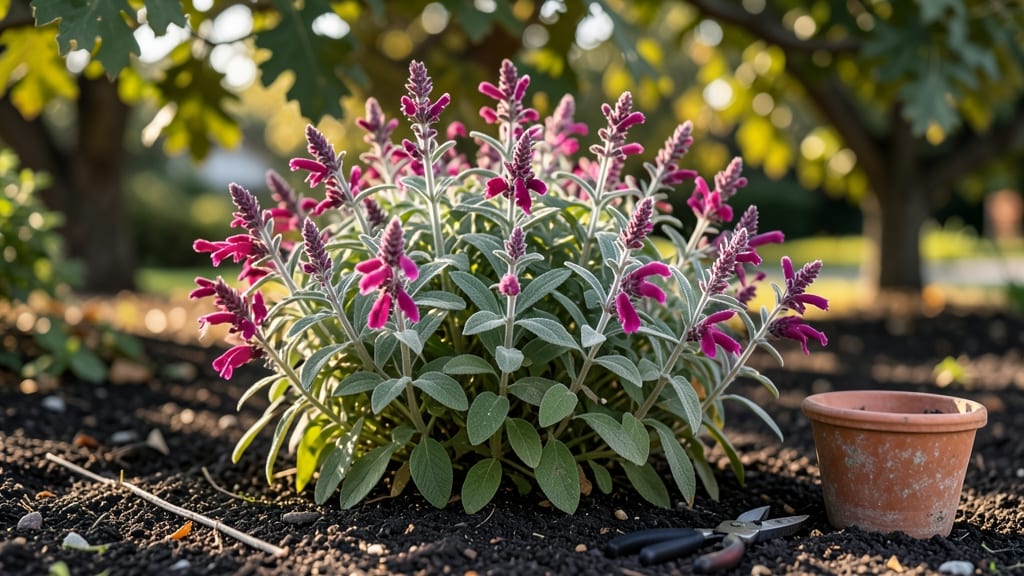
Planting perennial flowers in Texas means choosing tough survivors that laugh at our brutal summers and stubborn droughts—no pity parties required. 🌵 I’ve watched black-eyed Susans and salvias bloom through triple-digit heat while my neighbor’s annuals wilted by July.
The secret isn’t just picking the right plants; it’s mimicking nature’s water-wise strategies.
North Texas needs sun-lovers like blanket flower and Mexican feather grass, while South Texas thrives with heat-tolerant natives like Turk’s cap and Gregg’s purple mist. Start with well-draining soil—amend heavy clay with compost—and mulch heavily to keep roots cool.
Water deeply once a week (not daily), and you’ll save time and water.
By late fall, your garden will reward you with bold, drought-proof blooms that attract butterflies and hummingbirds all season. These perennials need less fuss than annuals, so you’ll spend more time admiring them than fussing over them. Let’s pick the right varieties for your corner of Texas.
Whether you’re in the Hill Country or the Gulf Coast, the same principles apply: sun, soil, and smart watering. Skip the fussy flowers—these tough beauties will outlast them every time. Ready to transform your yard into a low-maintenance paradise?
📚 In This Guide
- What you need
- Instructions
- Tips and common mistakes
- Wrapping up and next steps
What you need
- ● Perennial flowers: 10–20 plants (mix of native Texas varieties like Blackfoot Daisy, Mexican Feather Grass, or Salvia greggii—check local nurseries for drought-resistant options).
- ● Well-draining soil: 1–2 bags of native soil mix or compost (50 lb bags, depending on garden size).
- ● Mulch: 1–2 cubic yards of organic mulch (cedar or pine bark works best for moisture retention).
- ○ Drip irrigation system: Optional but highly recommended (10–50 ft tubing, emitters, and a timer for automated watering).
- ● Garden tools: 1 trowel
- ● 1 pruning shears
- ● 1 garden fork (for amending soil)
- ● 1 wheelbarrow (for hauling materials)
- ○ Safety gear: Gloves (1 pair) and knee pads (optional but helpful).
- ● Sun exposure knowledge: Identify full-sun (6+ hours/day) and partial-shade (3–6 hours/day) areas in your yard.
- ● Water source: Access to a hose or irrigation system (even a 5-gallon watering can for small patches).
Step-by-Step guide for planting drought-tolerant perennials in Texas
Here's how to establish hardy, low-maintenance blooms that handle Texas heat like champions.
🌱 Step 1: Choose the Right Plants for Your Texas Zone
Select perennials native to Texas or proven heat-tolerant varieties like blackfoot daisy (Melampodium leucanthum), Lantana, or salvia greggii. These thrive in Zones 7-11 with minimal fuss. I always check the USDA hardiness map for my specific microclimate—even within Texas, a few degrees can make a difference.
Look for plants labeled "drought-tolerant" or "xeric" on seed packets. Avoid moisture-loving perennials like peonies or hostas unless you're willing to provide supplemental watering. The key is matching plants to your native rainfall patterns—most Texas regions get 10-30 inches annually, so choose accordingly.
For best results, group plants with similar water needs. This creates a self-sustaining ecosystem where roots compete less for moisture. I like to sketch a simple layout before digging—it saves time and prevents overcrowding later.
🪴 Step 2: Prepare the Soil for Optimal Drainage
Texas clay soil can be a double-edged sword—it holds moisture but drains poorly. Amend your beds with 2-3 inches of compost and 10-20% coarse sand or perlite to improve aeration. I use a broadfork to loosen the soil 12-18 inches deep without turning it (this preserves soil structure).
Test your soil's pH—most Texas natives prefer slightly acidic to neutral (6.0-7.5). If your soil tests alkaline (common in Texas), add sulfur or peat moss to adjust. The goal is soil that drains quickly but holds enough moisture for roots to access between rains.
For container plantings, use a cactus/succulent mix blended with native soil. This mimics the well-draining conditions these perennials evolved with. Water thoroughly after planting to settle the soil around roots—this prevents air pockets that can strangle new growth.
☀️ Step 3: Plant at the Right Time and Depth
In Texas, fall is the best planting time—cooler temperatures reduce transplant shock, and roots establish before summer heat arrives. If you must plant in spring, do it 4-6 weeks before the last frost (usually mid-March in North Texas, February in South Texas).
Dig holes twice as wide as the root ball but only as deep. Place the plant so the top of the root ball sits level with the surrounding soil—burying too deep suffocates stems, while planting too high leaves roots exposed. Gently backfill with native soil, tamping lightly to remove air pockets.
Water deeply immediately after planting to encourage root spread. Use 1-2 gallons per plant for established perennials, less for newly transplanted ones. Mulch with 2-3 inches of shredded bark or gravel to conserve moisture and regulate soil temperature. Keep mulch 2-3 inches away from stems to prevent rot.
💧 Step 4: Establish a Smart Watering Schedule
For the first 2-3 weeks, water every 2-3 days to help roots establish. After that, shift to deep, infrequent watering—1-2 inches per week—to encourage deep root growth. I use drip irrigation or soaker hoses to deliver water directly to the root zone, reducing evaporation.
Water in the early morning (5-8 AM) to allow foliage to dry before evening. This prevents fungal diseases like powdery mildew, which thrives in Texas's humid summers. Avoid overhead sprinklers—they waste water and can damage delicate blooms.
Once established (after 6-12 months), most Texas perennials need no supplemental watering beyond natural rainfall. The key is deep watering that penetrates 6-12 inches—this trains roots to seek moisture below the surface where it's cooler and more stable.
✂️ Step 5: Prune for Longevity and Season-Long Blooms
Deadhead spent blooms regularly to encourage continuous flowering. For perennials like Lantana, I use clean, sharp pruners to trim back one-third of the plant in early spring. This removes old growth and stimulates fresh, vigorous shoots.
In late summer, give heat-stressed plants a light trim to improve airflow and reduce water loss. Avoid heavy pruning after mid-August—new growth won't harden off before winter. For woody perennials like salvias, prune back dead or crossing branches to maintain an open, airy shape.
Divide clump-forming perennials every 3-4 years in early spring. This rejuvenates plants and prevents overcrowding. I dig up sections with a sharp spade, separate the roots, and replant immediately. Water deeply after dividing to reduce transplant shock.
Tips & tricks for planting drought-tolerant perennials in Texas
These game-changing strategies will help you transform your Texas garden into a thriving, low-maintenance oasis that survives—and even thrives—through our legendary heat.
Microclimate Mastery: Texas's diverse regions demand precision. While Zones 7-11 cover most of the state, microclimates within your yard can vary dramatically. I always test my garden's specific conditions by observing where heat lingers longest—typically south-facing walls or paved areas. Plant heat-sensitive varieties like salvia greggii in these cooler microclimates, while tougher Lantana can handle full sun exposure. This simple adjustment can mean the difference between a struggling plant and one that flourishes.
Soil Science Secret: The 12-18 inch deep soil preparation in Step 2 isn't just about aeration—it's about creating a moisture reservoir. I've found that adding 10-20% coarse sand to clay soil doesn't just improve drainage; it actually helps retain moisture better than native soil alone. The key is to blend it thoroughly—don't just sprinkle on top. For an extra boost, mix in 1 cup of organic matter like composted leaves per square foot during this process. This creates tiny air pockets that store water while allowing roots to access it efficiently.
Planting Precision: When placing your plants at the correct depth in Step 3, here's a pro trick: Use a pencil to mark the depth of the root ball before removing the plant from its container. This gives you a reference point when planting—simply match the pencil mark to the surrounding soil level. I've seen many gardeners either bury stems too deep (causing rot) or leave roots exposed (leading to stress). This simple marking system eliminates guesswork and ensures perfect planting depth every time.
Watering Wisdom: The 2-3 week establishment period with frequent watering in Step 4 is crucial, but timing matters just as much as quantity. I've learned the hard way that watering in the early morning (5-8 AM) isn't just about preventing disease—it's about giving plants time to absorb moisture before the Texas sun evaporates it. For container plantings, I recommend adding 1 tablespoon of liquid seaweed fertilizer to the initial watering. This gives young roots a natural growth boost without requiring additional watering.
Pro Tips for Perennial Flowers Texas
- These game-changing strategies will help you transform your Texas garden into a thriving, low-maintenance oasis that survives—and even thrives—through our legendary heat.
- Microclimate Mastery: Texas's diverse regions demand precision.
- Soil Science Secret: The 12-18 inch deep soil preparation in Step 2 isn't just about aeration—it's about creating a moisture reservoir.
Frequently asked questions
Which perennial flowers are the most drought-tolerant for Texas?
Native Texas perennials like blackfoot daisy, mexican feather grass, and autumn sage are top picks—they’ve evolved to handle heat and drought with ease. Other hardy options include salvia greggii (autumn sage) and coneflowers, which store water in their roots. Pro tip: Pair them with mulch to lock in moisture!
When is the best time to plant perennials in Texas?
For most Texas regions, fall (September–November) is ideal—cooler temps reduce transplant shock, and roots establish before summer heat hits. Spring (February–March) works for cooler zones (North Texas), but avoid planting in peak summer (May–August) unless you’re using shade cloth. Pro tip: Water deeply after planting to help roots settle!
How often should I water perennial flowers in Texas?
Newly planted perennials need 1–2 inches of water weekly for the first year. Once established (after 1–2 years), most drought-tolerant perennials thrive on rainwater alone. Water deeply but infrequently to encourage deep root growth. Pro tip: Early morning watering prevents evaporation and fungal issues.
What pests or diseases should I watch for in Texas perennials?
Common culprits include aphids, whiteflies, and powdery mildew (especially in humid summers). Native plants are naturally resistant, but monitor for chewing insects like caterpillars. Solution: Use neem oil or insecticidal soap for pests, and improve airflow to prevent mildew. Pro tip: Remove spent blooms to deter pests and diseases!
Can I grow perennials in containers in Texas heat?
Yes! Choose compact varieties like pennyroyal, dwarf salvias, or lantana. Use well-draining soil, large pots (at least 12 inches deep), and self-watering containers to retain moisture. Pro tip: Place containers in partial shade during peak afternoon heat (12–4 PM) to prevent wilting.
Wrapping up and next steps
Transforming your Texas garden into a vibrant, low-maintenance paradise is totally within reach! 🌸 From the bold hues of Lantana to the delicate charm of Blackfoot Daisy, these drought-proof perennials prove that heat and beauty can coexist.
With the right choices and a little care, you’ll enjoy year-round color with minimal effort—because your garden should be as resilient as the Lone Star State itself.
Ready to take the next step? Start small—pick 2-3 plants from this list, test your soil, and let nature do the rest. Happy planting, and may your garden bloom brighter than a Texas sunset! 🌞