
Flowers
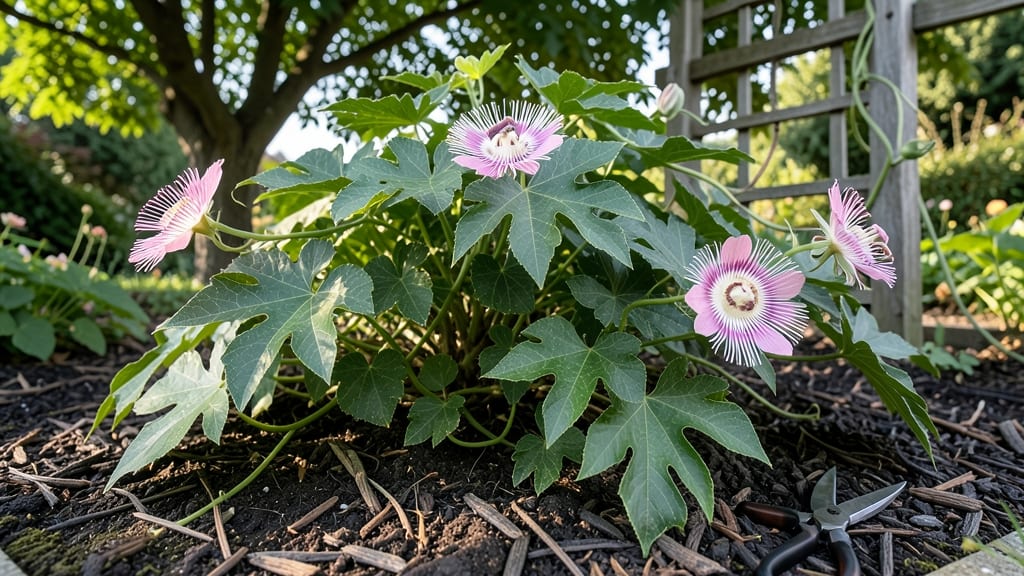
Growing pink passion flowers means waking up to velvety blooms that look like they belong in a rainforest. 🌺 The secret to their dramatic, year-round flowers lies in mimicking their tropical roots—warmth, humidity, and just enough sunlight to keep them thriving without scorching.
My first attempt nearly died from overwatering, but once I got the balance right, the vines exploded with blooms by midsummer.
The right setup is simple: well-draining soil, a sturdy trellis or fence, and a spot where they get morning sun and afternoon shade. Pink passion flowers (Passiflora species) love heat but hate soggy roots, so raised beds or containers work wonders in cooler climates.
You’ll need patience—they grow fast, but those first blooms take about 6 months to appear.
What you’ll end up with is a living masterpiece that hums with pollinators and fills your space with exotic beauty. The flowers aren’t just showstoppers—they’re edible too, with sweet, citrusy fruits that taste like tropical candy. Even better, they’re surprisingly low-maintenance once established.
Whether you’re in a warm zone or a cooler climate with a greenhouse, these tips will keep your passion flowers blooming. Let’s get those vines climbing and those flowers popping!
📚 In This Guide
- What you need
- Instructions
- Tips and common mistakes
- Wrapping up and next steps
What you need
- ● Pink Passion Flower Seeds or Nursery Plants: Seeds: 5–10 (for multiple plants) or 1 (if starting from a single vine).
- ● OR Nursery-grown plants: 1–2 (for faster blooms).
- ● Well-Draining Potting Mix or Garden Soil: 5–10 gallons of organic, peat-free potting mix (e.g., 60% compost, 30% perlite, 10% coconut coir).
- ● OR Amended garden soil: Mix in 2–3 inches of compost and sand for poor drainage.
- ● Containers (if not planting in-ground): 1–2 large pots (12–18 inches deep) with drainage holes.
- ○ Optional: Trellis or sturdy stakes (4–6 feet tall) for vertical growth.
- ● Trowel or small shovel for planting.
- ● Watering can or hose with a gentle spray nozzle.
- ● Pruning shears (for trimming dead growth).
- ○ Optional: Fertilizer (balanced 10-10-10 or organic options like fish emulsion).
- ○ Optional: Mulch (straw or shredded bark) to retain moisture.
- ● Climate: USDA Zones 6–10 (or indoor grow lights for cooler climates).
- ● Sunlight: 6–8 hours of full sun daily (partial shade in extreme heat).
- ● Water: Consistent moisture (1–2 inches per week; drought-tolerant once established).
- ● Support: Passion flowers are vining—ensure a trellis or fence within reach!
Step-by-step instructions for cultivating pink passion flower vines
Here's how to coax vibrant pink blooms from this tropical beauty—no greenhouse needed.
🪴 Step 1: Select the Perfect Spot and Container
Pink passion flowers thrive in 6-8 hours of morning sun and afternoon shade, especially in hot climates. Choose a large container (at least 15 gallons) with drainage holes—these vines grow aggressively and need room to sprawl. I use a fabric grow bag for mine because it prevents root circling while still allowing excellent drainage.
If planting in ground, select a location with well-draining soil and protection from strong afternoon winds. The vines are tender and can snap easily. Here's the thing—these climbers need something sturdy to cling to. Install a 6-8 foot trellis or strong fence near your chosen spot before planting. The vines will twine naturally, but they need support from day one.
🌱 Step 2: Plant and Establish Your Vine
Start with a healthy 1-gallon container plant from a nursery (they're tricky from seed). Remove the plant from its pot and gently loosen the roots if they're circling. Dig a hole twice as wide as the root ball but only as deep as the container it came in—burying too deep can suffocate the plant.
Place the vine in the hole and backfill with amended garden soil mixed with 2 cups of compost. Water deeply until moisture reaches 6 inches down. Here's where it gets fun—watch for new leaves within 2-3 weeks. That's your signal the roots have taken hold. Don't fertilize yet—wait until you see new growth before adding any nutrients.
☀️ Step 3: Maintain Ideal Growing Conditions
Keep the soil consistently moist but never soggy. Water when the top 2 inches feel dry to the touch. In containers, you'll need to water every 2-3 days in summer, more frequently in extreme heat. I set my watering can near the plant as a reminder—these vines wilt fast when thirsty.
Feed with a balanced 10-10-10 fertilizer every 4-6 weeks during growing season (spring through fall). When you see buds forming, switch to a low-nitrogen, high-phosphorus fertilizer (like 5-10-10) to encourage blooming. The pink flowers appear on new wood, so regular pruning actually stimulates more flowers.
✂️ Step 4: Prune for Health and More Blooms
Prune your passion flower twice a year—once after the first flush of flowers in spring, and again in late summer. Cut back overgrown vines by one-third to encourage bushier growth. Remove any dead or yellowing leaves immediately—they can harbor pests and diseases.
Here's the secret to more flowers: pinch back the tips of new growth when vines reach 3-4 feet long. This redirects energy from leaf production to flower buds. You'll see more blooms within 4-6 weeks of regular pinching. And don't forget to deadhead spent flowers—they won't rebloom, but keeping the plant focused on new growth ensures continuous color.
⏰ Step 5: Winter Care for Year-Round Growth
Pink passion flowers are tender perennials—they'll die back in frost but regrow from the roots if protected. In USDA zones 9-11, they're evergreen. For cooler climates, bring container-grown plants indoors before temperatures drop below 40°F. Place them near a south-facing window where they'll get bright indirect light.
If you're growing in ground, mulch heavily with 3-4 inches of straw and wrap the base in burlap for winter protection. In spring, new shoots will emerge from the roots. When they reach 6 inches tall, cut back any dead growth and fertilize lightly to encourage new growth. Your vine will reward you with pink blooms within 8-10 weeks of spring pruning.
Tips & tricks for perfect pink passion flower cultivation
These simple strategies will help you transform your pink passion flower into a thriving tropical beauty—even if you're not a gardening expert.
Sunlight Strategy: The 6-8 hours of morning sun is non-negotiable for vibrant pink blooms, but here's the thing—afternoon shade becomes even more critical in summer. If your vine starts wilting by midday, move it to a spot with dappled shade or provide shade cloth. I've seen vines completely collapse from afternoon sun exposure, so don't skip this adjustment in hot climates.
Container Selection Tip: While any 15-gallon container works, fabric grow bags are my secret weapon because they prevent root circling—a common problem that stunts growth. If you must use plastic, make sure to repot every 2-3 years to refresh the root system. And here's what nobody tells you—place a layer of pebbles at the bottom before adding soil to improve drainage and prevent soggy roots.
Watering Wisdom: The "every 2-3 days" guideline works for average summers, but extreme heat demands more frequent watering. I've learned this the hard way—my first vine nearly died during a 100°F heatwave when I stuck to the schedule. Instead, check soil moisture daily during heatwaves. The top 2 inches should feel like a wrung-out sponge, not dry sand. Containers dry out faster than ground planting, so adjust accordingly.
Fertilizing Finesse: The switch to low-nitrogen, high-phosphorus fertilizer when buds form is crucial for those stunning pink blooms. But here's the pro move: mix your fertilizer with water and apply it directly to the soil around the base of the vine, avoiding the leaves. This targeted approach prevents fertilizer burn while maximizing bloom production. I also recommend applying fertilizer in the morning so the plant has time to absorb nutrients before evening.
Pro Tips for Pink Passion Flower
- These simple strategies will help you transform your pink passion flower into a thriving tropical beauty—even if you're not a gardening expert.
- Sunlight Strategy: The 6-8 hours of morning sun is non-negotiable for vibrant pink blooms, but here's the thing—afternoon shade becomes even more critical in summer.
- Container Selection Tip: While any 15-gallon container works, fabric grow bags are my secret weapon because they prevent root circling—a common problem that stunts growth.
Frequently asked questions
Got questions about nurturing your pink passion flower? You’re not alone! Here are some of the most common queries—plus quick answers to keep your tropical climber thriving.
How fast does pink passion flower grow?
Pink passion flowers are fast growers! With ideal conditions (warmth, humidity, and support), expect 12–24 inches (30–60 cm) per year. Young vines can surge even faster in spring/summer. Pro tip: Prune regularly to encourage bushier growth and more blooms!
When should I expect flowers?
Patience is key—most pink passion flowers take 1–2 years to bloom from seed, but grafted plants may flower in their first year. Provide consistent care (sunlight, water, and fertilizer) to speed up the process. Bonus: Deadhead spent blooms to encourage more flowers!
How often should I water pink passion flowers?
Keep soil evenly moist but not soggy. Water deeply 2–3 times per week in hot weather, reducing to once a week in cooler months. Watch for: Drooping leaves (underwatering) or yellowing (overwatering). Mulch helps retain moisture!
Can I grow pink passion flower in containers?
Choose a large container (15+ gallons) with drainage holes and a well-draining potting mix. Use a trellis for support, and place it in full sun. Container tip: Fertilize monthly during growing season for best results.
What pests should I watch for?
Common culprits include aphids, spider mites, and mealybugs. Spray vines with water to dislodge pests, or use neem oil for stubborn infestations. Preventative care: Keep plants healthy and well-ventilated to deter pests!
Wrapping up and next steps
Growing pink passion flower is a rewarding journey that brings vibrant blooms and tropical charm to your garden year-round! With the right soil, sunlight, and care, you’ll enjoy its stunning flowers and edible fruits—plus, it’s a fantastic way to attract pollinators. 🌸
Ready to dive in? Start by gathering your supplies, choosing the perfect spot, and following the steps we’ve shared. Whether you’re a beginner or a seasoned gardener, your pink passion flower paradise awaits—so roll up your sleeves and get planting! 🌱