
Flowers
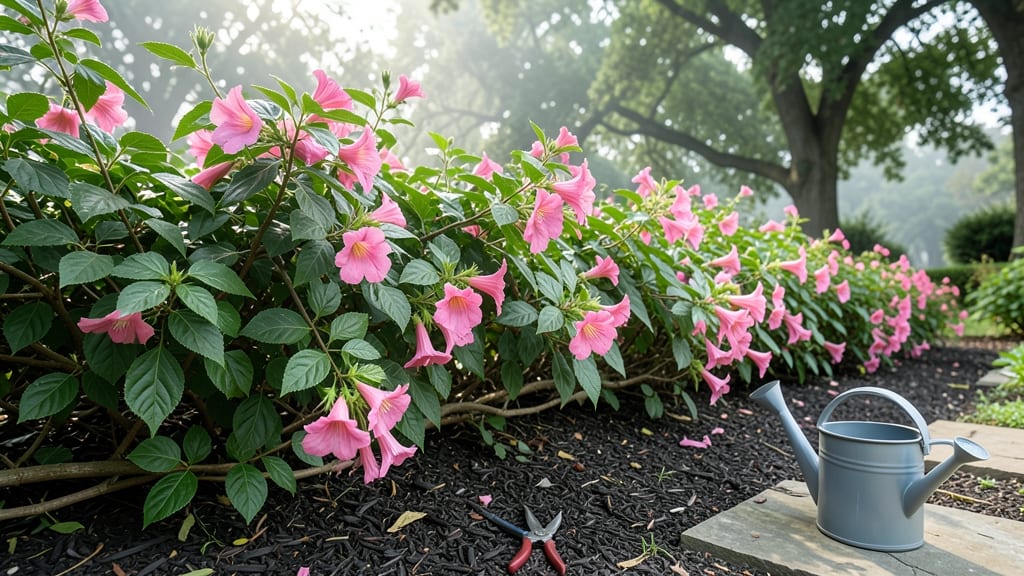
The pink trumpet flower vine transforms any garden into a fragrant, dreamy escape—its bell-shaped blooms and intoxicating scent make it a standout tropical climber. I’ve grown mine for five years, and every evening, the air fills with its sweet, jasmine-like perfume that draws hummingbirds like magnets.
The key to success isn’t complicated: it’s about matching its love of warmth, moisture, and partial shade to your climate.
This vine thrives in zones 9-11, but with the right container and winter care, you can grow it as a seasonal showstopper even in cooler areas.
Start with well-draining soil mixed with compost—think rich, loamy, and slightly acidic—and plant in a spot where it gets morning sun and afternoon shade. A 5-gallon pot works for small gardens, while larger containers let you grow it as a standalone specimen.
By summer, you’ll be rewarded with foot-long trumpets that bloom continuously if you deadhead spent flowers and fertilize monthly. The scent alone makes it worth the effort—imagine stepping into a garden that smells like a tropical sunset.
Pruning keeps it manageable, and with the right care, it can live for decades, becoming the centerpiece of your outdoor space.
Whether you’re growing it in a hanging basket, against a trellis, or as a patio focal point, this vine delivers drama and fragrance year-round. The only challenge? Resisting the urge to pinch every bloom—because once you see it in full glory, you’ll never want to miss a season.
📚 In This Guide
- What you need
- Instructions
- Tips and common mistakes
- Wrapping up and next steps
What you need
- ● Pink trumpet flower vine: 1–3 nursery-grown plants (3–6 ft tall, mature size 6–10 ft) OR
- ● Seeds (from a reputable supplier; germination can be tricky!) OR
- ● Rooted cuttings (4–6 inches long, from a healthy vine)
- ● Well-draining potting mix: 5–10 gallons (for containers) or amended garden soil (for in-ground planting). Mix in perlite or compost (20–30% by volume) for aeration.
- ○ Container (optional but recommended for climates with frost): 15–20 gallon pot with drainage holes (if growing in containers)
- ● Trellis, arbor, or sturdy fence (6–10 ft tall) for climbing support.
- ● Slow-release fertilizer: 10–20–10 NPK ratio (1 tbsp per gallon of soil) or organic options like worm castings.
- ● Basic gardening tools: Trowel or shovel (for planting)
- ● Pruners (sterilized with rubbing alcohol)
- ● Gloves (to protect from sap; can cause skin irritation)
- ○ Optional but helpful: Mulch (2–3 inches of wood chips or straw to retain moisture)
- ● Spray bottle (for misting seedlings)
- ● pH test kit (ideal soil pH: 6.0–7.0)
- ● Support stakes or twine (for young vines)
Step-by-step instructions for cultivating a thriving pink trumpet flower vine
Here's how to coax this stunning tropical climber into a lush, flowering spectacle—even in less-than-ideal conditions.
🪴 Step 1: Select the Perfect Container and Drainage Setup
The pink trumpet vine (Brugmansia) thrives in 10-15 gallon containers with at least 3 drainage holes—this prevents root rot from its moisture-loving but sensitive roots. I use unglazed clay pots because they wick away excess moisture through evaporation, but plastic works too if you monitor soil dampness closely. Place 1-2 inches of perlite or orchid bark at the bottom to create an air pocket that prevents soggy roots.
Choose a container 2-3 inches wider than the root ball of your young plant. The vine’s sprawling habit means it’ll need 6-8 inches of depth to support its deep taproot. If you’re transplanting from a nursery pot, gently tease the roots apart—this encourages them to spread into the new space. Real talk: I’ve seen these vines double in size within a single growing season, so plan for upward growth too.
☀️ Step 2: Position for Maximum Light and Humidity
Pink trumpet vines demand full sun to partial shade—6-8 hours of direct sunlight daily—but they’ll tolerate morning sun with afternoon shade in hotter climates. Place your container where it gets bright, indirect light during the hottest part of the day if you’re in a Zone 9+ area. The key is avoiding midday sunburn, which causes brown patches on leaves.
These tropical beauties love humidity, so mist the leaves daily or set the pot on a pebble tray filled with water (but keep the bottom of the pot dry). Grouping pots together creates a microclimate that mimics their native rainforest environment. You’ll notice the leaves stay deep green and slightly glossy—a sign the humidity is just right. If leaves start curling or yellowing, it’s a cry for more moisture in the air.
💧 Step 3: Water Deeply and Maintain Consistent Moisture
Water when the top 2 inches of soil feel dry—this vine hates drying out but despises soggy roots even more. I use lukewarm water to avoid shocking the roots, and I pour it slowly at the base until it drains freely from the holes below. The goal is evenly moist soil, not saturated. In summer, you may need to water every 2-3 days; in winter, once a week is often enough.
Overwatering is the #1 killer of Brugmansia. If the leaves yellow and drop, or the stems feel mushy, you’re overdoing it. Let the soil dry out slightly between waterings if you notice these signs. Fertilize every 4-6 weeks with a balanced liquid fertilizer (10-10-10) diluted to half strength. I skip fertilizer in winter when growth slows—no point feeding a dormant plant.
✂️ Step 4: Prune for Shape and Encourage Blooms
Prune in early spring to shape the vine and remove any dead, yellowed, or crossing branches. Use clean, sharp pruners to make cuts just above a leaf node—this encourages new growth. Brugmansia blooms on new wood, so light pruning (cutting back by 1/3) in late winter stimulates fresh, flower-laden growth. Avoid heavy pruning in fall, as the plant needs energy to harden off for winter.
Watch for buds forming at the leaf axils—these will become your stunning trumpet-shaped blooms. If you notice buds but no flowers, the vine may need more sunlight or a slight temperature drop at night (around 55-60°F). Deadhead spent blooms to redirect energy into new flowers. Here’s the thing—these vines can get top-heavy with flowers, so stake or trellis them if they’re growing against a wall or fence.
⏰ Step 5: Overwinter for Year-Round Growth
In colder climates (Zones 8 and below), bring your vine indoors before first frost—usually by mid-October. Place it in a bright, cool room (around 50-60°F) with supplemental grow lights if natural light is limited. Reduce watering to every 10-14 days and stop fertilizing until spring. The vine will go dormant, dropping leaves and slowing growth, but don’t panic—this is normal.
In spring, resume watering and fertilizing as growth resumes. You’ll see new leaves emerge by late February or early March, signaling it’s time to move it back outdoors. Gradually acclimate it to outdoor conditions over 1-2 weeks to avoid shock. If you’re in a frost-free zone, the vine can stay outdoors year-round with consistent care. The reward? Year-round blooms if you keep it happy.
Tips & tricks for thriving pink trumpet flower vines
Between us, these vines are divas—they demand attention but reward you with showstopping blooms. Here’s how to keep yours happy without the drama.
Container Selection: Unglazed clay pots are ideal because they naturally wick away excess moisture, but if you opt for plastic, monitor soil dampness like a hawk. The key is that 10-15 gallon size and 6-8 inches of depth aren’t just numbers—they’re non-negotiable for supporting that deep taproot. I’ve seen vines collapse when planted too shallowly, so don’t skimp on depth. Also, if your plant comes in a nursery pot, resist the urge to rush the transplant—gently teasing the roots apart encourages them to spread properly in their new home.
Light and Humidity Balance: The 6-8 hours of sunlight requirement isn’t just about duration—it’s about timing. Morning sun with afternoon shade in hotter climates prevents those unsightly brown patches from sunburn. And humidity? Think of it like their personal spa. A daily misting or pebble tray creates that tropical microclimate they crave. Pro tip: Grouping your pots together amplifies this effect, almost like creating a mini rainforest. The glossy, deep green leaves are your feedback system—if they start looking sad, it’s time to up the humidity game.
Watering Wisdom: That top 2 inches dry rule is your golden metric, but here’s the thing—lukewarm water isn’t just about comfort, it’s about shock prevention. Cold water can stunt growth, while warm water mimics their natural environment. And when I say "pour it slowly at the base," I mean it: a slow, steady stream prevents soil compaction and ensures even moisture distribution. The goal is that perfect "evenly moist" state—not soggy, not bone-dry. In summer, I set a reminder every 2-3 days because these vines drink like they’re in a monsoon season.
Pruning Precision: The early spring pruning window is your chance to shape the vine and encourage new growth, but timing is everything. Cut just above a leaf node—this isn’t just a technicality, it’s where the magic happens for new shoots. And that 1/3 light pruning in late winter? It’s not about drastic changes; it’s about stimulating those flower-laden branches. Here’s what nobody tells you: Brugmansia can get top-heavy with blooms, so stake or trellis them early if you’re growing against a wall. I’ve seen vines snap under their own weight when the flowers are heavy with dew.
Pro Tips for Pink Trumpet Flower Vine
- Between us, these vines are divas—they demand attention but reward you with showstopping blooms.
- Container Selection: Unglazed clay pots are ideal because they naturally wick away excess moisture, but if you opt for plastic, monitor soil dampness like a hawk.
- Light and Humidity Balance: The 6-8 hours of sunlight requirement isn’t just about duration—it’s about timing.
Frequently asked questions
How fast does the pink trumpet flower vine grow?
The pink trumpet vine (Distictis buccinatoria) is a fast grower, often climbing 6–10 feet per year with proper care. In ideal conditions (warmth, humidity, and full sun), it can reach 20–30 feet in just a few seasons. Prune regularly to manage its vigor and shape.
When is the best time to plant pink trumpet vines?
Plant your vine in spring or early summer after the last frost, when soil temperatures are consistently above 60°F (15°C). Avoid planting in fall—it’s sensitive to cold and may not establish roots before winter. If starting from seeds, sow indoors 8–10 weeks before the last frost for a head start.
Why aren’t my pink trumpet flowers blooming?
Lack of blooms often stems from insufficient sunlight, over-fertilizing, or improper pruning. Ensure it gets 6+ hours of direct sun daily and use a balanced, low-nitrogen fertilizer (like 10-10-10) in spring. Deadhead spent blooms and prune leggy growth to encourage new flowers. Pro tip: If humidity is low, mist leaves or use a pebble tray to mimic its tropical habitat.
What pests commonly attack pink trumpet vines?
Watch for aphids, spider mites, and mealybugs, which thrive in dry conditions. Treat infestations early with neem oil or insecticidal soap. Scale insects may also appear—scrub them off with soapy water or use horticultural oil. Preventive tip: Keep the vine healthy with proper watering and mulch to deter pests.
Can pink trumpet vines grow indoors?
While possible, they’re best suited for outdoor climates (USDA zones 10–11). Indoors, they’ll need bright, indirect light (south-facing window), high humidity (60%+), and a trellis. A grow light and regular misting can help, but expect slower growth and fewer blooms. If outdoors isn’t an option, consider a hardier alternative like mandevilla.
Wrapping up and next steps
The pink trumpet flower vine is a stunning, low-maintenance addition to any garden, offering vibrant blooms and lush foliage year-round. With the right care—sunlight, support, and occasional pruning—you’ll enjoy its tropical beauty for seasons to come.
Whether you’re a beginner or a seasoned gardener, this resilient vine is well worth the effort!
Ready to transform your space? Start by choosing a sunny spot, gather your supplies, and give your pink trumpet vine the love it deserves. Happy gardening! 🌸✨