
Companion Plants
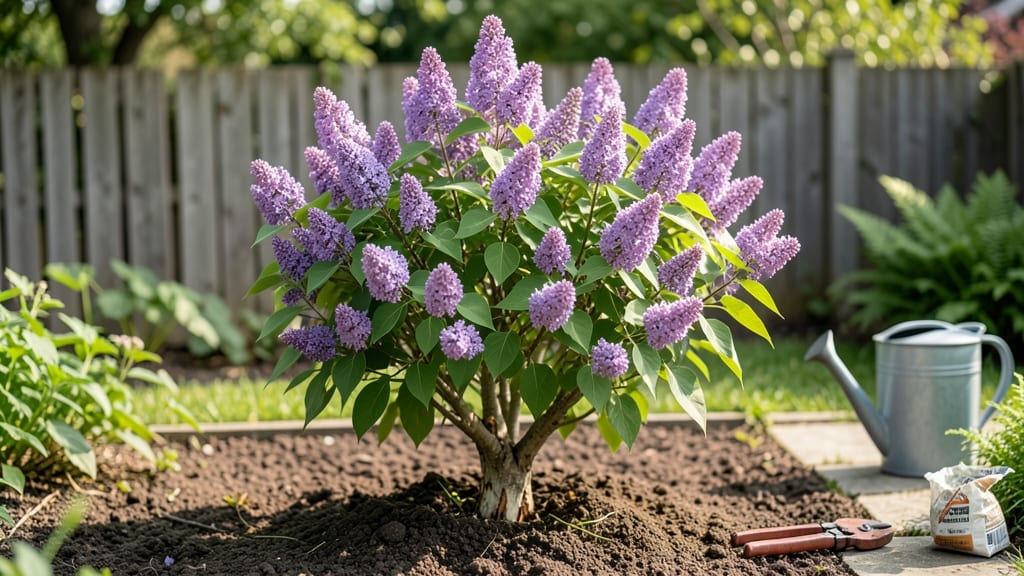
Plants with lilac flowers bring that intoxicating spring scent to gardens, but not all lilac-colored blooms are created equal. 🌸 My first lilac bush taught me that lavender, wisteria, and even some hydrangeas can mimic that signature purple hue while thriving in completely different conditions.
The key difference? Some need full sun, others tolerate shade, and pruning timing varies wildly between varieties.
If you love that sweet fragrance but hate waiting until May for blooms, wisteria and clematis offer earlier displays, while lavender delivers year-round color with minimal fuss. Most need well-draining soil—my first mistake was planting lavender in heavy clay, which drowned its roots within weeks.
The good news? All these plants reward patience with dramatic vertical growth and long bloom seasons when pruned correctly.
You'll end up with fragrant hedges, climbing vines, or bushy shrubs that transform your space—some with blooms from late winter, others stretching into fall. The secret weapon? Pruning after flowering (for lavender) or before new growth (for wisteria) to encourage bushier, more abundant blooms next season.
Each plant has its own rhythm, but the fragrance pays for the learning curve.
Whether you're working with a sunny border, shady corner, or trellis, these lilac-flowered plants adapt beautifully. The only real challenge? Resisting the urge to prune too early—timing makes all the difference between a full display and sparse blooms. Let's get you set up for that signature scent all season long.
📚 In This Guide
- What you need
- Instructions
- Tips and common mistakes
- Wrapping up and next steps
What you need
- ● Lilac plant: Choose from Syringa vulgaris (common lilac), Syringa meyeri (dwarf lilac), or other varieties. Buy a 1-3 gallon container-grown plant from a nursery for best results.
- ● Well-draining soil: Mix 1 part garden soil with 1 part compost and 1 part coarse sand or perlite (improves drainage). pH 6.0–7.0 is ideal.
- ● Sunlight: A full-sun location (6+ hours of direct sunlight daily) is a must for healthy blooms.
- ● Watering can or hose: With a gentle spray nozzle to avoid disturbing roots.
- ● Organic fertilizer: Use a balanced 10-10-10 or 20-20-20 formula (apply in early spring and mid-summer).
- ● Garden trowel or shovel: For digging holes (size: 2–3 times wider than the root ball).
- ● Pruning shears: Bypass pruners (sharp, clean blades) for shaping and deadheading.
- ● Gloves: Heavy-duty garden gloves to protect from thorns.
- ○ Mulch (optional but recommended): 2–3 inches of wood chips or shredded bark to retain moisture and suppress weeds.
- ● Support stake (for young plants): A 5-foot wooden or metal stake to stabilize the plant during its first year.
- ● Slow-release fertilizer spikes: For low-maintenance nutrient delivery.
- ● Plant food with phosphorus: Boosts flower production (e.g., 5-10-5 formula).
- ● Pest control: Neem oil or insecticidal soap (for aphids or borers).
- ● Lilac companion plants: Pair with lavender, roses, or catmint for a fragrant pollinator garden.
How to cultivate fragrant lilac shrubs for seasonal blooms
Here’s how to grow lilacs that reward you with intoxicating spring fragrance year after year.
🌱 Step 1: Select the Right Variety and Planting Location
Lilacs thrive in full sun—at least 6 hours daily—and well-draining soil. I always choose hardy varieties like Syringa vulgaris for their classic fragrance and cold tolerance. Plant in early spring or fall, when temperatures are mild but not extreme.
Dig a hole twice as wide as the root ball but no deeper. Amend heavy clay soil with 2-3 inches of compost to improve drainage. Lilacs hate soggy roots, so avoid low spots where water pools. The key is airy, slightly acidic soil (pH 6.0-7.0).
🪴 Step 2: Plant and Stake for Stability
Place the lilac in the hole so the top of the root ball sits 1 inch above ground level. This prevents rot during heavy rains. Gently backfill with native soil, pressing lightly to remove air pockets but not compacting too firmly.
Water deeply after planting to settle the soil, then add a 2-inch layer of mulch (like shredded bark) around the base, keeping it 3 inches away from the trunk. Stake young shrubs if needed—lilacs can get top-heavy with new growth. I use 3-foot bamboo stakes tied loosely with soft fabric strips to avoid damaging the bark.
☀️ Step 3: Prune for Health and Abundant Blooms
Prune lilacs right after flowering (late spring) to encourage next year’s blooms. Remove dead, crossing, or weak branches first, cutting back to the nearest outward-facing bud. This opens the center of the shrub for better airflow and sunlight.
For shaping, trim no more than 1/3 of the plant’s height at a time. Avoid heavy pruning in fall—it stimulates new growth that won’t harden off before winter. Lilacs flower on old wood, so pruning too late can reduce next year’s blossoms. Here’s the thing—never prune in early spring when buds are forming.
💧 Step 4: Water and Fertilize for Longevity
Water deeply once a week during the first growing season to establish roots, then taper to every 2-3 weeks once established. Lilacs are drought-tolerant but bloom best with consistent moisture. You’ll know they’re thirsty when leaves start wilting or edges turn brown.
Fertilize lightly in early spring with a balanced 10-10-10 formula, applying ½ cup per shrub. Too much nitrogen leads to leafy growth at the expense of flowers. I skip fertilizer in the second year—healthy lilacs often need less once roots are established.
✂️ Step 5: Overwinter and Maintain Year-Round
Mulch heavily in late fall (3-4 inches) to protect roots from freeze-thaw cycles. Lilacs are cold-hardy but benefit from winter protection in harsh climates. Avoid pruning in fall—it stresses the plant before dormancy.
Inspect for pests like lilac borers or aphids in early spring. Treat infestations with neem oil or insecticidal soap if needed. With proper care, a single lilac can live 50+ years, gracing your garden with fragrance for generations. That’s the beauty of these timeless shrubs.
Tips & tricks for perfect lilac cultivation
These insider strategies will help you coax the most spectacular fragrance from your lilacs—and keep them thriving for decades.
Site Selection Savvy: The 6 hours of daily sun requirement is non-negotiable for vibrant blooms, but here's the thing—morning sun with afternoon shade works best in hot climates. I've seen lilacs in full afternoon sun get sunburned leaves while still producing flowers. If your location gets intense midday sun, consider a spot with filtered afternoon light to preserve leaf health and maximize fragrance intensity.
Soil Science Secret: That 2-3 inches of compost recommendation is your foundation, but don't stop there. For the first year, mix in 1 part peat moss to 3 parts native soil when amending heavy clay. This creates the perfect airy, slightly acidic environment (pH 6.0-7.0) that lilacs crave. I test my soil annually—lilacs show stress when pH drifts outside this range, with yellowing leaves being the first sign.
Pruning Precision: When you're trimming those no more than 1/3 of the plant's height in Step 3, focus on creating an open center. The goal is to see sunlight and air reaching the inner branches—this prevents fungal issues and encourages stronger blooms next year. I always make cuts just above outward-facing buds at a 45-degree angle to prevent water pooling on the stem. This small detail makes a huge difference in plant health over time.
Watering Wisdom: The once-weekly watering guideline assumes average rainfall. In my experience, lilacs in containers or sandy soil need watering every 3-4 days during their first growing season. Press your finger 2 inches into the soil—if it's dry, that's your cue. Overwatering is the silent killer of lilacs, so always check before watering established plants. The wilting leaves clue is a late warning sign.
Pro Tips for Plant With Lilac Flowers
- These insider strategies will help you coax the most spectacular fragrance from your lilacs—and keep them thriving for decades.
- Site Selection Savvy: The 6 hours of daily sun requirement is non-negotiable for vibrant blooms, but here's the thing—morning sun with afternoon shade works best in hot climates.
- Soil Science Secret: That 2-3 inches of compost recommendation is your foundation, but don't stop there.
Frequently asked questions
Got questions about growing your dream lilac plant? Here are answers to the most common ones—so you can enjoy fragrant blooms all season long!
What’s the best time to plant a lilac bush?
Plant lilacs in early spring (just as buds swell) or fall (6 weeks before frost). This gives roots time to establish before extreme weather. Avoid planting in summer heat or winter cold—roots need stable conditions to thrive! Pro tip: Water deeply after planting to settle soil around roots.
How do I prune lilacs to encourage more flowers?
Prune right after blooming (May–June) to avoid cutting off next year’s buds. Use clean shears to trim 1/3 of old wood—this boosts airflow and flower production. Never prune in fall or winter, as lilacs set buds in late summer. Bonus: Shape lightly for a bushier look!
Why aren’t my lilacs flowering this year?
No flowers? Likely causes include over-pruning (cutting back too late or too hard), poor sunlight (they need 6+ hours daily), or nutrient deficiencies. Check soil pH (ideal: 6.0–7.0) and fertilize lightly in spring. Patience tip: Young lilacs may take 2–3 years to bloom!
Are lilacs deer-resistant? What pests should I watch for?
Lilacs are moderately deer-resistant (deer may nibble if hungry), but they’re not pest-proof. Watch for borers, aphids, or powdery mildew. Treat mildew with neem oil; remove infested branches promptly. Prevention: Space plants for airflow and water at the base (not leaves) to deter issues.
Can I grow lilacs in containers? What’s the best variety?
Yes! Dwarf varieties like ‘Miss Kim’ or ‘Lilac Beauty’ thrive in pots (15+ gallon size). Use well-draining soil and a container with drainage holes. Container hack: Fertilize monthly in spring/summer and move pots to a sunny spot. Just note: Potted lilacs may need extra winter protection in cold climates.
Wrapping up and next steps
Growing a plant with lilac flowers is a rewarding journey that brings beauty, fragrance, and charm to your garden. With the right pruning precision, soil care, and a little patience, you’ll enjoy their stunning blooms year after year.
Whether you’re a seasoned gardener or just starting, these tips will help you nurture a thriving lilac bush that becomes the star of your landscape.
Ready to take the next step? Start by selecting the perfect spot—sunny, well-drained, and sheltered—and give your lilac the love it deserves. Before you know it, your garden will be filled with the intoxicating scent of lilacs in full bloom! 🌸✨