
Container Gardens
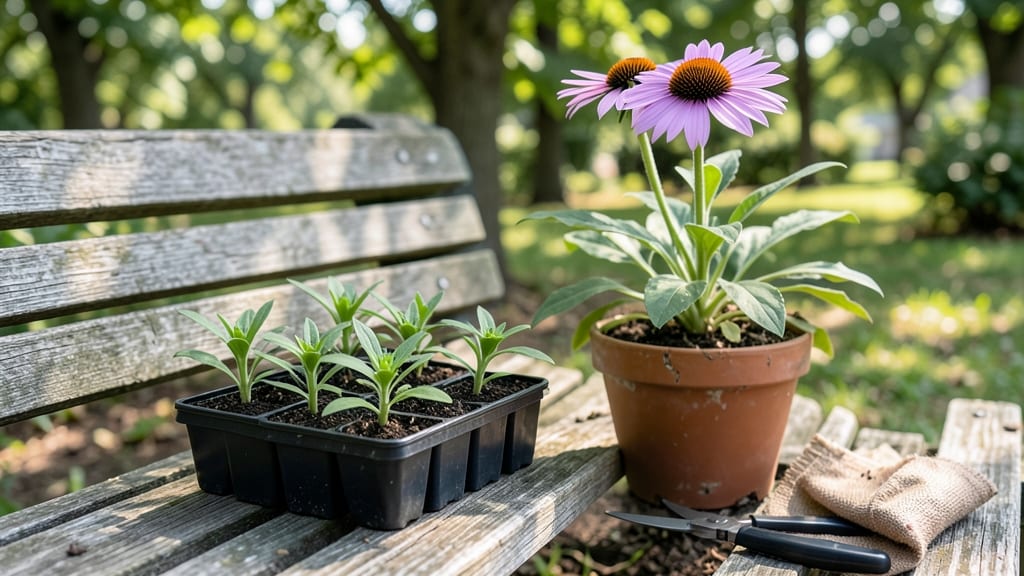
Planting wildflowers in pots turns even a tiny balcony into a buzzing haven for bees and butterflies—no yard required. 🌼 I learned the hard way that wildflowers need room to spread, so I swapped my cramped window boxes for 12-inch-deep containers and watched my pollinator visitors triple in a single summer.
The best part? You can move the whole show to follow the sun or protect it from late frosts.
Start with a well-draining potting mix (add perlite if your soil packs too tightly) and choose fast-growing annuals like cosmos, zinnias, or black-eyed Susans—they thrive in containers and bloom nonstop.
A 5-gallon pot holds enough soil to support a dozen plants, while larger containers can mix perennials like coneflowers for long-term color. Water lightly at first, then let the soil dry slightly between drinks to prevent root rot.
By midsummer, you’ll have a vibrant, low-maintenance display that hums with activity—hummingbirds sipping nectar, bees packing pollen, and butterflies flitting between blooms. The key is deadheading spent flowers to encourage more blooms, and occasionally dividing crowded pots to keep plants healthy.
Even urban balconies become wildlife corridors when you plant wildflowers in pots.
This method works for patios, rooftops, or even indoor sunrooms—just adjust sunlight exposure to match your wildflowers’ needs. Whether you’re a beginner or a seasoned gardener, containers make wildflower gardening foolproof and portable. Let’s get those pollinators visiting!
📚 In This Guide
- What you need
- Instructions
- Tips and common mistakes
- Wrapping up and next steps
What you need
- ● Containers: 1–3 pots (8"–12" diameter) with drainage holes. Pro tip: Terracotta or fabric pots work best!
- ● Wildflower seeds: 1–2 packets (mix pollinator-friendly varieties like cosmos, black-eyed Susan, or lupine). Aim for 1–2 tbsp per pot.
- ● Potting soil: 1–2 bags of lightweight, well-draining mix (avoid heavy garden soil).
- ● Drainage material: Small pebbles or perlite (1 cup per pot).
- ● Hand trowel or small shovel
- ● Watering can with a fine rose nozzle
- ● Glove (to protect hands from soil/seeds)
- ● Mulch or compost (for extra nutrients)
- ● Sunny spot (6+ hours of light daily)
- ● Water source (hose or can)
- ● Patience (wildflowers sprout in 7–21 days!)
Step-by-step guide to planting wildflowers in containers
Turn your patio into a buzzing haven with these simple, foolproof steps.
🪴 Step 1: Choose the Right Containers and Drainage
Select pots with multiple drainage holes—wildflowers despise soggy roots. I prefer 12-18 inch diameter containers (or larger) for a full-season display, as smaller pots dry out too quickly. Unglazed terra cotta works best because it breathes, but any sturdy plastic or ceramic with drainage will do.
If your pots lack drainage, drill ¼-inch holes in the bottom and line them with ¼-inch mesh to keep soil in while allowing excess water to escape. Place a 1-inch layer of gravel or broken pottery at the bottom before adding soil—this prevents clogging and ensures roots stay aerated.
🌱 Step 2: Mix Light, Well-Draining Soil
Wildflowers thrive in poor, rocky soil—so don’t use rich garden soil. Instead, blend equal parts potting mix and coarse sand or perlite to create a loose, gritty texture. This mimics their natural habitat and prevents compaction, which suffocates delicate roots.
Fill each pot ¾ full, leaving 2-3 inches at the top for mulch and watering. Press the mix down lightly with your fingers—just enough to remove air pockets, but don’t pack it tightly. Wildflowers need room to breathe, and compacted soil will stunt their growth.
🌿 Step 3: Plant Seeds or Transplants Strategically
For seeds, scatter them lightly over the soil surface—most wildflowers don’t need deep planting. Press them in just enough to cover with a thin layer of sand (about ⅛ inch deep). This keeps them from washing away during watering while allowing sunlight to reach them for germination.
If using transplants, space them 6-12 inches apart, depending on the variety. Larger perennials like coneflowers need more room, while tiny annuals like larkspur can crowd slightly. Water gently after planting to settle the soil around roots—avoid blasting seeds or young plants with a stream.
☀️ Step 4: Provide Sun and Water Wisely
Wildflowers need full sun (6+ hours daily) to bloom their best. Place pots in the sunnest spot you have, even if it’s hot—most varieties tolerate heat better than shade. If your space is shady, choose shade-tolerant species like black-eyed Susans or asters instead of sun-lovers like bee balm or coneflowers.
Water deeply but infrequently—this encourages strong roots. Let the top 1-2 inches of soil dry out between waterings, then soak until water runs out the drainage holes. Overwatering is the fastest way to kill wildflowers, so check soil moisture with your finger before watering again.
✂️ Step 5: Maintain and Encourage Blooms
Deadhead spent blooms weekly to prolong flowering and prevent self-seeding (unless you want surprises next year). Simply pinch off faded flowers with your fingers—no tools needed. This redirects the plant’s energy into producing more blooms instead of seeds.
Add a 1-inch layer of mulch (like straw or shredded bark) around plants to retain moisture and suppress weeds. Avoid piling mulch against stems, as this can trap moisture and cause rot. Feed lightly with a balanced, water-soluble fertilizer (like 10-10-10) once a month during the growing season—wildflowers don’t need much, but a little boost helps.
Tips & tricks for perfect container-grown wildflowers
Here's what nobody tells you about creating thriving wildflower displays in pots.
Container Size Matters: While 12-18 inch pots work well, consider using deeper containers (18+ inches) for perennial varieties like black-eyed Susans or coneflowers—their roots need extra depth to establish properly. Shallow pots (under 12 inches) are better suited for annuals like cosmos or zinnias, which have shallower root systems.
Soil Mix Secrets: For even better drainage, add one part horticultural charcoal to your equal parts potting mix and sand blend. This helps prevent compaction over time and reduces waterlogging. I've found that adding a handful of worm castings to the mix gives plants a gentle nutrient boost without overfeeding them.
Seed Starting Strategy: If you're sowing seeds directly in pots, consider using seed starting mix instead of your regular potting mix for the top 2 inches. This keeps seeds from sinking too deep during watering and provides a more consistent moisture environment for germination. Once seedlings emerge, you can gradually mix in your regular soil blend.
Watering Wisdom: The "1-2 inch dry" rule works, but here's a pro move: use a moisture meter to check soil moisture at the 1-inch depth. Wildflowers often show signs of underwatering (wilting) before the soil actually needs watering, so don't wait until the top 2 inches are bone dry—check at 1 inch instead. This prevents stress on delicate roots.
Pro Tips for Planting Wildflowers In Pots
- Here's what nobody tells you about creating thriving wildflower displays in pots.
- Container Size Matters: While 12-18 inch pots work well, consider using deeper containers (18+ inches) for perennial varieties like black-eyed Susans or coneflowers—their roots need extra depth to establish properly.
- Soil Mix Secrets: For even better drainage, add one part horticultural charcoal to your equal parts potting mix and sand blend.
Frequently asked questions
Got questions? You’re not alone—planting wildflowers in pots is simple, but details like spacing, sunlight, and maintenance can spark curiosity. Here’s what we hear most often, answered with quick tips to keep your pollinator paradise thriving!
What’s the best soil mix for wildflowers in pots?
Wildflowers thrive in well-draining, nutrient-light soil. Mix 50% potting soil with 50% perlite or coarse sand to prevent soggy roots. Avoid heavy garden soil—it compacts and suffocates delicate wildflower roots. A pinch of compost (10%) helps, but too much can encourage weeds over flowers!
When is the ideal time to plant wildflower seeds in pots?
For spring blooms, sow seeds in early spring (after the last frost) or late summer (6–8 weeks before first frost). Wildflowers are tough—some even sprout in fall! Just ensure pots stay moist until germination (about 7–21 days). Pro tip: Stratify seeds (chill them in the fridge for 1–2 weeks) to mimic winter and boost germination rates.
Can I reuse old pots or containers for wildflowers?
Clean, drainage-friendly containers work great—just add holes if missing. Avoid plastic without drainage (roots rot easily). Bonus: Terra cotta pots dry faster, reducing watering needs. For large pots, group 3–5 small plants per square foot to mimic a wildflower meadow’s density. Just skip containers that held toxic plants (like azaleas) unless thoroughly cleaned.
Why aren’t my wildflowers attracting pollinators?
Pollinators love nectar-rich, colorful blooms—so check these fixes:
- Sunlight: Most wildflowers need 6+ hours of sun daily.
- Water: Keep soil consistently moist (not soggy) until established.
- Variety: Mix native species (like milkweed or coneflowers) for diverse pollinator appeal.
- Patience: Some flowers take 2–3 weeks to open—wait it out!
What’s a low-maintenance alternative to wildflowers for pots?
If wildflowers sound high-maintenance, try these pollinator-friendly swaps:
- Lavender (drought-tolerant, fragrant, and bee-loved).
- Catmint (long blooms, deer-resistant).
- Calendula (edible, bright, and self-seeding).
- Sedum (succulent-like, thrives in heat).
Wrapping up and next steps
Planting wildflowers in pots is a simple, rewarding way to support pollinators while adding beauty to your space—no green thumb required! 🌸 Whether you’re a busy gardener or a beginner, these vibrant blooms thrive in containers and bring life to balconies, patios, or windowsills.
Start small, experiment with mixes, and watch your tiny ecosystem flourish.
Ready to take the next step? Grab a pot, pick your favorites, and let nature do the rest—your local bees, butterflies, and hummingbirds will thank you! 🐝✨