
Watering
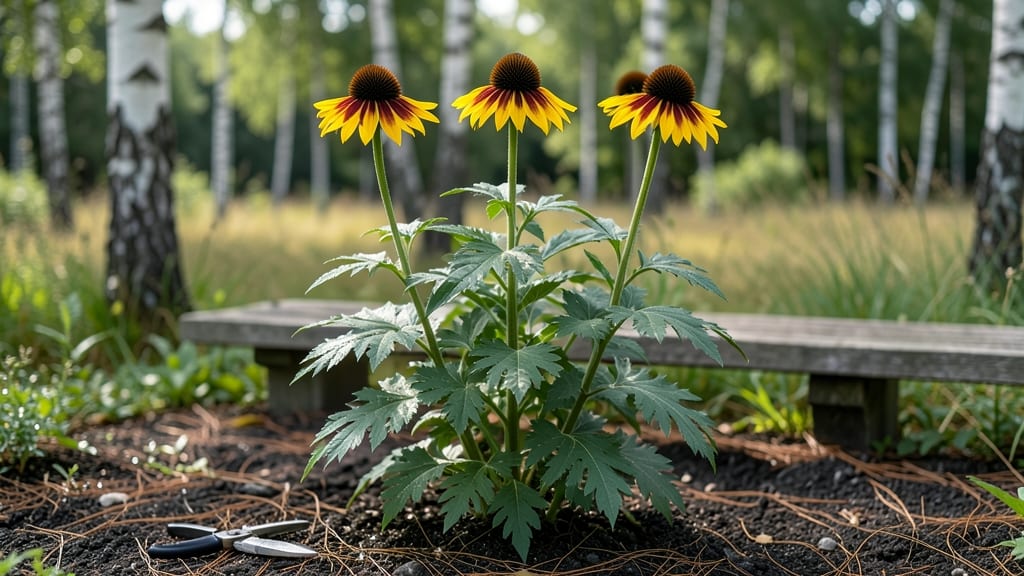
Pow wow coneflower (Rudbeckia serotina) turns even the toughest corner of your yard into a magnet for butterflies and bees. 🌿 I've grown this native perennial for years, and it's the one plant that thrives when I forget to water it, tolerates poor soil, and still delivers bold purple blooms from midsummer through fall.
The secret lies in its resilience—once established, it's practically indestructible.
This hardy plant loves full sun to part shade and well-draining soil, though it won't complain if your yard leans toward clay or rocky. Plant it in spring or early fall, spacing them 18-24 inches apart for that natural, wildflower meadow look.
Watering is minimal—just enough to keep the soil moist but not soggy until roots establish, after which it's drought-tolerant. The real magic happens when you let it go: fewer prunings, no fussing, just months of effortless beauty.
By late summer, your garden will hum with activity as monarchs, swallowtails, and hummingbirds flock to the nectar-rich blooms. Pair it with black-eyed Susans, goldenrod, or coneflowers for a showstopping native pollinator garden.
The dried seed heads add winter interest too—no deadheading needed, just leave them for texture and birds. It’s the kind of plant that makes gardening feel easy, even when life gets busy.
Whether you're filling a sunny border, restoring native habitat, or just craving low-maintenance color, pow wow coneflower delivers. The best part? It multiplies over time, giving you free plants to share or expand your garden. Let’s get yours planted—your pollinators will thank you.
📚 In This Guide
- What you need
- Instructions
- Tips and common mistakes
- Wrapping up and next steps
What you need
- ● Pow wow coneflower seeds: 1 packet (typically 500–1,000 seeds) or 3–5 young plants from a nursery.
- ● Well-draining potting mix: 1 bag (18–20 lbs) of high-quality, native-friendly soil blend (or garden soil amended with compost).
- ○ Containers (optional for starting indoors): 3–4 biodegradable pots (3–4 inches deep) or seed trays with drainage holes.
- ● Garden space: A sunny spot (full sun to partial shade) with at least 3–4 feet of vertical space for mature plants.
- ● Watering can or hose: With a gentle spray nozzle for seedlings.
- ○ Fertilizer (optional): Slow-release native plant fertilizer or compost (1–2 cups mixed into soil).
- ● Mulch: 2–3 inches of organic mulch (straw or shredded leaves) to retain moisture.
- ● Plant markers: Small stakes or labels to track varieties.
- ● Pruners: For deadheading spent blooms or shaping plants.
- ● Drip irrigation system: To automate watering (great for dry climates!).
Step-by-Step guide to planting and cultivating pow wow coneflower
Here's how to establish this hardy native perennial with confidence—no fuss, just stunning blooms.
🌱 Step 1: Choose the Perfect Planting Site
Pow wow coneflower thrives in full sun to partial shade, but for the most vibrant blooms, select a location with at least 6 hours of direct sunlight daily. I always look for spots with well-draining soil—this plant despises soggy roots. If your soil is heavy clay, amend it with 2-3 inches of compost mixed into the top 12 inches of soil before planting.
This native beauty tolerates drought once established, but it needs consistent moisture during its first growing season. Test your site by digging a 1-foot hole—if water pools at the bottom, improve drainage by adding coarse sand or gravel. The ideal soil pH ranges between 6.0-7.0, but it's surprisingly adaptable if you're in a slightly alkaline area.
🪴 Step 2: Prepare and Plant Your Transplants
Dig holes that are just as deep as the root ball and about twice as wide—this gives roots plenty of room to spread. Gently remove your coneflower from its container and loosen any circling roots with your fingers. I always water the root ball thoroughly before planting to encourage root expansion into the surrounding soil.
Place the plant in the hole so the top of the root ball sits level with the surrounding soil. Backfill with native soil mixed with a handful of bone meal for phosphorus—this supports early root development. Press gently around the base to eliminate air pockets, then water deeply to settle the soil. You'll know you've done it right when the soil surface looks slightly compacted but not crusty.
☀️ Step 3: Establish Watering and Maintenance Routine
For the first 2-3 weeks after planting, water deeply 2-3 times per week to encourage root establishment. You'll see new growth within 3-4 weeks if conditions are right—that's your signal the plant is settling in. After that initial period, reduce watering to once every 10-14 days unless you're experiencing extreme drought.
This is where pow wow coneflower earns its "minimal care" reputation. Once established, it's drought-tolerant and handles heat beautifully. I recommend a light mulch of 2-3 inches of shredded bark around the base to retain moisture and suppress weeds. Keep mulch 3-4 inches away from the plant stem to prevent rot. You can also fertilize lightly in early spring with a balanced 10-10-10 fertilizer if your soil is particularly poor.
✂️ Step 4: Prune and Encourage Long-Term Growth
The best time to prune pow wow coneflower is in late winter or early spring, before new growth begins. Cut back the previous year's stems to 4-6 inches above the ground to encourage fresh, vigorous growth. This also prevents the plant from getting too leggy and improves air circulation, which reduces disease risk.
Deadhead spent blooms throughout the summer to encourage more flowers, but leave some seed heads for winter interest and to attract birds. I always leave at least one-third of the seed heads on the plant—this native pollinator magnet thrives when given the chance to self-seed naturally. In fall, you can cut back stems to 6-12 inches if you prefer a tidier appearance, but leaving them adds beautiful texture to winter gardens.
Tips & tricks for perfect pow wow coneflower cultivation
These easy-to-implement tricks will help you grow showstopping coneflowers with less effort and more confidence.
Soil Prep Secret: The 6 hours of sunlight requirement is non-negotiable for vibrant blooms, but your soil preparation makes all the difference. When amending heavy clay soil with 2-3 inches of compost, mix it into the top 12 inches—not just the surface. This creates a deep, well-draining root zone that prevents waterlogged conditions. I've seen coneflowers struggle in amended surface soil because roots can't penetrate deeper. For even better results, add a handful of coarse sand or perlite to improve drainage in clay-heavy areas.
Planting Technique That Changed Everything: That handful of bone meal in Step 2 isn't just optional—it's the growth boost your coneflowers need. The phosphorus supports early root development, but here's what nobody tells you: mix it directly with the backfill soil rather than placing it at the bottom of the hole. This ensures even distribution and prevents phosphorus buildup that could burn tender roots. After planting, give the soil a gentle press with your hands rather than stomping—this eliminates air pockets without compacting too much.
Watering Wisdom: The 2-3 weeks of frequent watering (2-3 times weekly) is critical, but timing matters just as much. Water in the early morning rather than evening to prevent fungal issues from prolonged moisture on leaves. I've found that watering deeply at the base (not overhead) encourages roots to grow downward rather than staying shallow. If you're using a sprinkler system, adjust it to deliver water slowly over 15-20 minutes rather than a quick blast—this mimics natural rainfall and prevents runoff.
Pruning Payoff: When you cut back stems to 4-6 inches in late winter, resist the urge to be too aggressive. The remaining stem tissue actually helps protect new growth from temperature swings. For a cleaner look, use sharp pruners rather than shears—the clean cuts heal faster and reduce disease risk. In fall, if you choose to cut back to 6-12 inches, leave some of the taller stems standing for winter interest and bird habitat. The seed heads provide food for goldfinches and other birds throughout the cold season.
Pro Tips for Pow Wow Coneflower
- These easy-to-implement tricks will help you grow showstopping coneflowers with less effort and more confidence.
- Soil Prep Secret: The 6 hours of sunlight requirement is non-negotiable for vibrant blooms, but your soil preparation makes all the difference.
- Planting Technique That Changed Everything: That handful of bone meal in Step 2 isn't just optional—it's the growth boost your coneflowers need.
Frequently asked questions
Got questions about growing pow wow coneflower?
Here are answers to the most common ones—from planting to troubleshooting—so you can keep your garden blooming beautifully with minimal fuss.
When is the best time to plant pow wow coneflower?
Plant pow wow coneflower in early spring or fall for the best results. This gives roots time to establish before extreme summer heat or winter frost. If you’re transplanting, avoid mid-summer—hot, dry conditions stress young plants.
How long does it take for pow wow coneflower to bloom?
With patience, you’ll see blooms in 1–2 years from seed, but established plants (from nursery starts) often flower in their first year. Once mature, they bloom from mid-summer to early fall, attracting pollinators like bees and butterflies.
How often should I water pow wow coneflower?
Water deeply but infrequently—about once a week during dry spells (or when the top inch of soil feels dry). Once established, it’s drought-tolerant and thrives with little supplemental water. Overwatering can lead to root rot, so avoid soggy soil.
What pests or diseases should I watch for?
Pow wow coneflower is pest-resistant, but keep an eye out for aphids or Japanese beetles (rare). If needed, blast off pests with water or use neem oil. Fungal issues like powdery mildew can occur in humid, shaded spots—improve airflow and avoid overhead watering.
Can I grow pow wow coneflower in containers?
Yes! Choose a large container (at least 12–18 inches wide) with well-draining soil. Use a mix of native soil and compost, and ensure it gets full sun. Containers dry out faster, so monitor watering closely. Just avoid cramped roots—this plant loves space!
Wrapping up and next steps
Growing pow wow coneflower is a rewarding way to bring beauty and biodiversity to your garden with almost no fuss! 🌸 This hardy native perennial thrives in sunny spots, handles drought like a champ, and attracts pollinators—making it a win for both your landscape and local ecosystems.
Whether you're a seasoned gardener or a beginner, its low-maintenance nature means you’ll enjoy stunning blooms year after year.
Ready to give it a try? Start small—plant a few in your garden this spring or fall, and watch them flourish with minimal effort. Happy gardening! 🌱