
Flowers
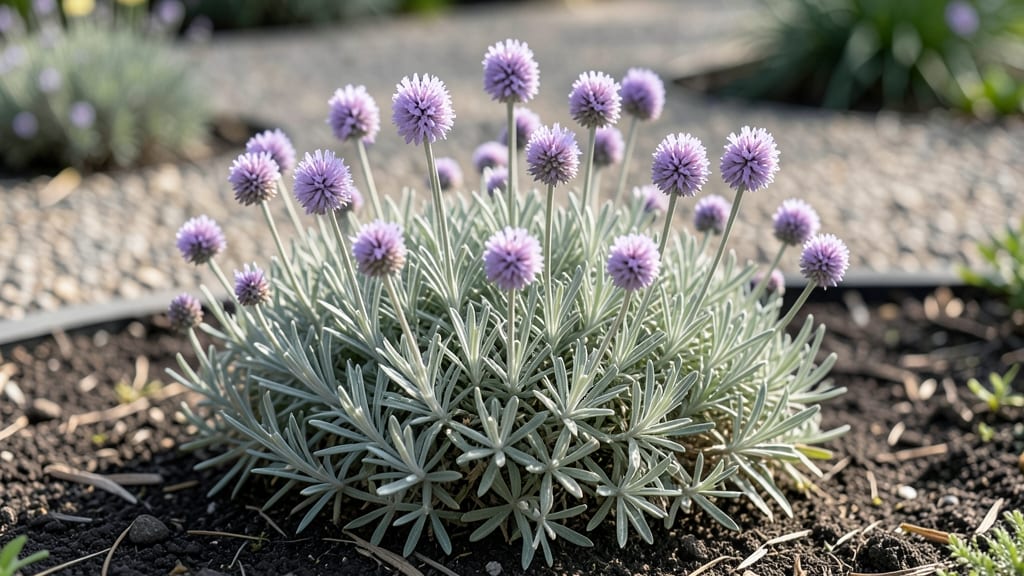
Growing purple candytuft flowers means welcoming delicate, cloud-like blooms that defy spring's unpredictable weather. 🌿 I fell for this plant after seeing how its soft lavender clusters stood up to rain showers while still looking fresh—it’s the perfect mix of resilience and charm for any garden border or container.
The secret lies in its adaptability: it thrives in poor soil, tolerates drought once established, and multiplies effortlessly, making it a low-maintenance superstar for busy gardeners.
This plant loves full sun to partial shade and flourishes in well-draining soil, whether that’s rocky, sandy, or even slightly alkaline—just avoid heavy clay. Plant in early spring or fall, spacing them about 12 inches apart, and watch them spread over time.
Water lightly after planting, then let nature take over; candytuft hates soggy roots but bounces back from dry spells with ease. The real magic happens when you pair it with thyme, lavender, or sedum for a drought-tolerant, pollinator-friendly display.
By late spring, you’ll be rewarded with clusters of tiny, lacy blooms that last for weeks, even through light rain. The flowers attract bees and butterflies while adding texture to gardens, and the plant’s evergreen foliage keeps interest year-round.
Prune back spent blooms in early summer to encourage a second flush, and you’ll have cascades of color well into fall. It’s the kind of plant that makes gardening feel effortless—and rewarding.
Works beautifully in rock gardens, as a ground cover, or spilling over container edges. The key is giving it space to spread naturally—once established, it’s nearly indestructible. Perfect for gardeners who want color without the fuss, purple candytuft proves that sometimes the simplest plants make the biggest impact.
📚 In This Guide
- What you need
- Instructions
- Tips and common mistakes
- Wrapping up and next steps
What you need
- ● Purple candytuft plants: 3–5 nursery-grown plants (6-inch pots) or
- ● Seeds (sow indoors 8–10 weeks before last frost)
- ● Well-draining soil: Mix 2 parts garden soil + 1 part perlite or coarse sand (pH 6.0–7.0).
- ● Sunlight: Full sun (6+ hours daily) or partial shade (morning sun + afternoon shade).
- ● Watering can or hose: With a gentle spray nozzle for moisture control.
- ● Garden trowel or shovel (for transplanting).
- ● Pruning shears (to trim dead blooms and encourage regrowth).
- ○ Organic fertilizer (balanced 10-10-10 or slow-release granules, optional but recommended).
- ○ Mulch (optional): 1–2 inches of pine bark or straw to retain moisture.
- ○ Support stakes (optional): For taller varieties in windy areas.
- ● Patience! Candytuft grows slowly but thrives in USDA Zones 4–9.
- ● Check frost dates—avoid planting outdoors until after the last frost.
- ● Test soil drainage: If your yard holds water, amend with sand or gravel.
How to grow purple candytuft for long-lasting spring color
Here's the method I rely on to coax these delicate blooms into thriving, weather-resistant displays.
🌱 Step 1: Choose the Perfect Planting Location
Purple candytuft (Iberis sempervirens) thrives in full sun to partial shade—at least 6 hours of direct sunlight daily for best blooming. I always select spots with well-draining soil because these plants despise soggy roots. Test your soil by squeezing a handful: if it holds its shape like clay, amend with 2-3 inches of coarse sand or perlite before planting.
For containers, choose pots with drainage holes and fill with a lightweight potting mix blended with 20% perlite. The key is mimicking their natural Mediterranean habitat—dry but not waterlogged. If your garden soil is heavy, create a raised bed instead; candytuft will reward you with weeks of blooms in these ideal conditions.
🌿 Step 2: Plant at the Right Time and Depth
Spring is the best time to plant, but you can also set them out in early fall for a head start. Dig holes twice as wide as the root ball but only as deep as the container—planting too deep suffocates the roots. Gently remove the plant from its pot and tease apart any circling roots with your fingers (this encourages outward growth).
Space plants 12-18 inches apart in the ground or 8-10 inches apart in containers. The reason for this spacing? Candytuft grows in mounded clumps, and crowding leads to leggy stems and fewer flowers. After planting, water deeply to settle the soil around the roots—you'll see the surface firm up slightly when done right.
💧 Step 3: Water Strategically for Longevity
Here's the thing—candytuft is drought-tolerant once established, but young plants need consistent moisture. Water deeply once a week during the first 4-6 weeks after planting, ensuring the soil is moist 2-3 inches down. You'll know it's right when the top inch feels dry to the touch but the lower soil stays damp.
After that initial period, reduce watering to every 10-14 days unless your area experiences extreme heat. Overwatering is the fastest way to kill these plants—yellowing leaves or mushy stems are sure signs you're watering too much. In containers, check soil moisture daily during summer; potted plants dry out faster.
✂️ Step 4: Prune and Deadhead for Continuous Blooms
After the first flush of flowers fades, shear back the stems by one-third using clean, sharp pruners. This encourages a second (and sometimes third) round of blooms. I always prune just above a set of leaves or a bud—never cut into bare stems. The goal is to stimulate new growth while maintaining the plant's natural shape.
Remove spent blooms regularly to prevent seed formation, which diverts energy from flowering. You'll see fresh buds forming within 2-3 weeks of pruning. In fall, give the plant a light trim to tidy it up, but avoid heavy cuts—candytuft is evergreen and benefits from retaining its structure through winter.
☀️ Step 5: Protect and Prepare for Winter
Purple candytuft is hardy down to USDA Zone 5, but young plants or container-grown specimens need winter protection. In colder climates, mulch the base with 2-3 inches of shredded bark after the first frost. This insulates roots and prevents heaving during freeze-thaw cycles. For containers, move pots to a sheltered, unheated garage or wrap them in bubble wrap before winter.
In spring, remove mulch and inspect for damage. If stems look brown and brittle, trim them back to healthy green growth. Candytuft is remarkably resilient—even if it looks dead in winter, it often rebounds with new growth once temperatures rise. With proper care, your plants will reward you with lacy purple blooms year after year.
Tips & tricks for perfect purple candytuft blooms
These little-known details make all the difference between a few weeks of blooms and a season of lacy purple displays.
Location is Everything: That 6 hours of sunlight is non-negotiable for vibrant blooms—place your candytuft where it gets morning sun and afternoon shade in hot climates. I've seen plants in full sun wither by summer, while those with afternoon shade thrive through the heat. If you're in a particularly hot zone, consider a dappled shade spot under larger trees.
Root Ball Rescue: When planting, gently tease those circling roots apart with your fingers—this encourages outward growth instead of the plant struggling to break through compacted soil. I've seen plants with tightly bound roots fail to establish properly, while those with loosened roots spread beautifully within weeks. The extra 30 seconds of root teasing pays off in lush growth.
Watering Wisdom: The key to that 2-3 inch moisture check isn't just about depth—it's about timing. Water in the morning so leaves have time to dry, preventing fungal issues. I've had plants develop powdery mildew from evening watering, so adjust your schedule based on your climate's humidity levels.
Pruning Precision: That one-third trim after blooming might seem drastic, but it's what triggers the second flush. I always use clean pruners and make cuts at a 45-degree angle just above a leaf node. This technique prevents water from pooling on the cut and encourages new growth from exactly the right spot—giving you those beautiful cascading blooms again in 2-3 weeks.
Pro Tips for Purple Candytuft Flower
- These little-known details make all the difference between a few weeks of blooms and a season of lacy purple displays.
- Location is Everything: That 6 hours of sunlight is non-negotiable for vibrant blooms—place your candytuft where it gets morning sun and afternoon shade in hot climates.
- Root Ball Rescue: When planting, gently tease those circling roots apart with your fingers—this encourages outward growth instead of the plant struggling to break through compacted soil.
Frequently asked questions
Got questions about growing and caring for purple candytuft? You’re not alone! Here are some of the most common queries gardeners have—plus quick answers to keep your lacy blooms thriving.
How do I keep purple candytuft blooming all season?
To encourage long-lasting blooms, deadhead spent flowers regularly (snip just above the next set of leaves) and avoid over-fertilizing—too much nitrogen can reduce flowering. Purple candytuft thrives in well-drained soil, so amending clay soil with compost or sand helps. Pro tip: A light trim after the first flush of blooms can spur a second wave!
When is the best time to plant purple candytuft?
Plant Iberis sempervirens in early spring or early fall for the best results. This gives roots time to establish before summer heat or winter cold stress. If planting in containers, use well-draining potting mix and water thoroughly after transplanting. Warning: Avoid planting in soggy soil—it hates wet feet!
Can purple candytuft survive heavy rain or wet conditions?
While purple candytuft tolerates light rain, prolonged sogginess can lead to root rot. Ensure your garden bed has good drainage (raise beds or add gravel if needed). If your area gets frequent downpours, plant in a slightly elevated spot or pair it with drought-tolerant companions like lavender or sedum.
What are some great companions for purple candytuft?
This versatile flower pairs beautifully with:
- Low-growing roses (for a romantic cottage look)
- Thyme or oregano (repels pests naturally)
- Salvia or catmint (complements its purple hues)
- Boxwood or dwarf box (for structured hedges)
Why aren’t my purple candytuft flowers opening?
Bud blast (unopened flowers dropping) is often caused by thrips or fungal issues. Check for tiny insects on buds and treat with neem oil if needed. Overhead watering can also encourage disease—water at the base instead. If buds stay closed but don’t drop, it might be too hot or dry; provide afternoon shade temporarily.
Wrapping up and next steps
The purple candytuft flower is a true gem for gardeners—its delicate, lacy blooms add charm and resilience to any spring landscape. Whether you're growing it from seed or transplanting, its low-maintenance nature and long-lasting beauty make it a fantastic choice for pollinators and novice gardeners alike.
Ready to bring this enchanting flower to life? Start small—try a few plants in your garden or a container this season! 🌸 With the right care, you’ll enjoy its soft purple hues well into summer. Happy gardening!