
Flowers
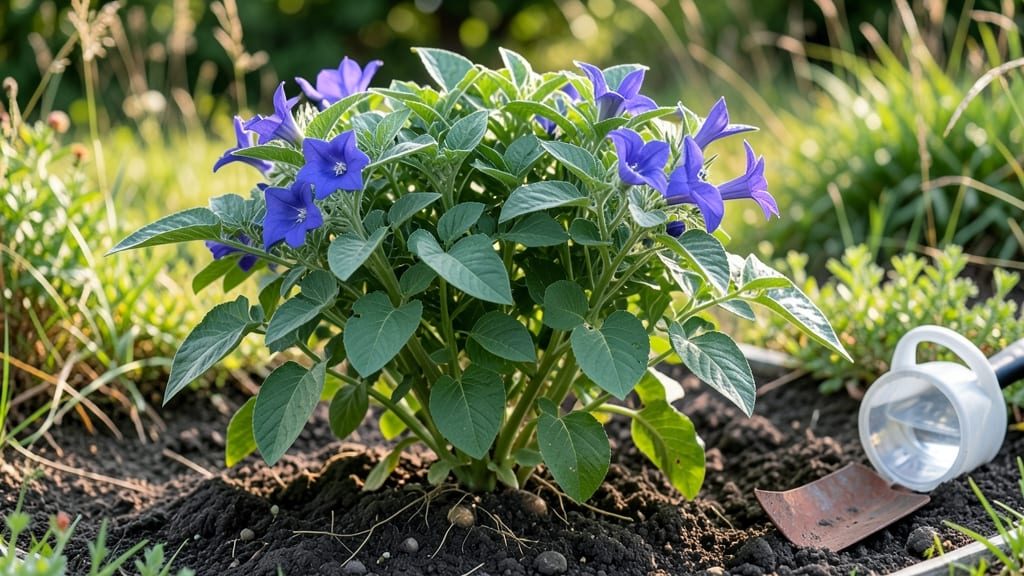
The purple potato flower isn’t just a pretty face—it’s the secret to healthier tubers and edible blooms you can snack on straight from the plant. 🌸 I’ve grown potatoes for years, but it wasn’t until I started paying attention to those delicate lavender blooms that my harvests doubled in size and flavor.
These flowers aren’t just ornamental; they’re a sign your plants are thriving and a tasty bonus for pollinators (and you).
Healthy purple potato flowers mean strong vines, better pollination, and more potatoes at harvest time. You’ll need full sun, consistent moisture, and a little pruning know-how to keep them blooming. The key is balancing care—too much water or shade, and the flowers fade fast.
But when they’re happy, they’ll reward you with clusters of edible blooms that taste like a cross between a potato and a violet.
Once you see those first purple buds pop up, you’ll want to protect them from hungry pests and encourage more to form. Pinch back leggy stems, handpick aphids, and watch as your plants burst into color.
The flowers may look fragile, but they’re tougher than they appear—and every bloom you preserve means more energy for those tubers growing underground.
This isn’t just about pretty flowers; it’s about a more productive, flavorful potato patch. The blooms are your early warning system for stress, your pollination boost, and your edible harvest all in one. Let’s get those potatoes flowering like never before.
📚 In This Guide
- What you need
- Instructions
- Tips and common mistakes
- Wrapping up and next steps
What you need
- ● Purple potato tubers: Choose organic, seed-certified purple potatoes (e.g., Purple Majesty or Violetta). You’ll need 2–3 tubers per plant for optimal blooms.
- ● Well-draining potting mix: A blend of 50% peat-free compost, 30% perlite or vermiculite, and 20% coco coir (sterilized). Avoid heavy clay soil.
- ● Containers or garden bed: Containers: 5–7 gallon pots with drainage holes (1–2 tubers per pot). Use fabric grow bags for better aeration.
- ● Garden bed: Full sun (6+ hours/day) and loose, fertile soil with a pH of 5.0–6.5.
- ● Slow-release fertilizer: A balanced 10-10-10 or orgánico 5-5-5 blend (follow package rates for application).
- ● Watering can or hose with gentle spray nozzle: Avoid overwatering—purple potatoes hate soggy roots!
- ○ Garden twine or stakes (optional): For supporting tall stems (especially in windy areas).
- ● Epsom salt: 1 tablespoon per gallon of water (monthly) boosts magnesium for vibrant blooms.
- ● Biochar or worm castings: Enhances soil structure and microbial activity.
- ● Purple potato seed packets: If you want to save seeds for next year (note: flowers are not true seeds—they’re tubers!).
- ● Pruning shears: For trimming leggy stems to encourage bushier growth.
- ● Mulch (straw or shredded leaves): Retains moisture and regulates soil temperature.
Step-by-Step instructions for cultivating purple potato flowers
Here's how to transform those humble purple tubers into stunning, edible blooms.
🌱 Step 1: Select and Prep Your Tubers
Start with certified organic purple potato tubers—avoid grocery store varieties since they're often treated to prevent sprouting. Choose medium-sized tubers with at least 2-3 eyes (the little dimples where sprouts emerge). Cut larger tubers into 2-inch chunks, ensuring each piece has at least one eye.
Let the cut pieces dry for 24 hours in a warm, dry spot. This prevents rot when planting. I like to place them on a paper towel in a single layer. Once the cut surfaces look slightly leathery, they're ready to plant.
☀️ Step 2: Plant in Well-Draining Soil
Fill a 10-inch pot or garden bed with loose, well-draining soil mixed with 20% compost. Purple potato flowers thrive in slightly acidic soil with a pH of 5.0-6.5. Dig holes 4-6 inches deep and space them 12 inches apart—they'll spread as they grow.
Place your prepped tubers cut-side down in the holes, eyes facing up. Cover lightly with soil, leaving the top third exposed. Water gently until the soil feels evenly moist but not soggy. Overwatering now will cause rot before sprouts even appear.
💧 Step 3: Provide Consistent Moisture and Sunlight
Keep the soil consistently moist for the first 4-6 weeks—purple potato flowers need steady hydration to establish roots. I water in the morning so excess moisture evaporates by evening. Once sprouts appear, reduce to watering 2-3 times weekly, depending on rainfall.
Position your plants in full sun (6+ hours daily). Purple potato flowers adore warmth and will reward you with more blooms if they get plenty of sunlight. If growing in containers, move them to a sunny patio during cooler months for extra heat.
✂️ Step 4: Support and Prune for Maximum Blooms
As the plants grow, they'll develop long, vine-like stems that need support. Install 5-6 foot tall stakes or a trellis near each plant and gently weave the vines through as they grow. This keeps blooms off the ground and improves air circulation.
When the plants reach 12 inches tall, pinch off the top set of leaves to encourage bushier growth. This redirects energy to producing more flowers instead of just foliage. Deadhead spent blooms regularly—this prevents the plant from wasting energy on seed production and keeps new flowers coming.
🌿 Step 5: Harvest and Enjoy the Blooms
Purple potato flowers bloom in 90-120 days from planting. Harvest blooms in the morning when they're fully open but before they wilt. Use clean scissors to cut stems at a 45-degree angle just above a leaf node.
These edible flowers add stunning purple hues to salads, garnishes, and even cocktails. For continued blooming, feed plants with a balanced fertilizer (10-10-10) every 4-6 weeks during the growing season. The more you harvest, the more your plants will produce!
Tips & tricks for perfect purple potato flower cultivation
Took me a while to figure these out—here's how I ensure vibrant, edible blooms every time.
The Drying Secret: That 24-hour drying period in Step 1 is non-negotiable. I learned this the hard way after losing three batches to rot. Place your cut tubers on a wire rack instead of paper towels for better airflow—this speeds up drying by about 20% while preventing moisture buildup underneath. The goal is for the cut surfaces to feel slightly papery to the touch.
Soil Science: Purple potato flowers are picky about their soil environment. If you're container gardening, mix in 10% perlite with your 20% compost to improve drainage. I've found that adding a handful of worm castings to the planting hole gives plants a nutrient boost right from the start. This helps compensate for the slightly acidic soil requirement mentioned in Step 2.
Watering Wisdom: The first 4-6 weeks are critical for root establishment. I use a moisture meter to check soil moisture—aim for a reading between 35-45%. Overwatering here is the #1 cause of tuber rot. Once sprouts appear, I switch to a drip irrigation system on a timer to maintain consistent moisture without the risk of overwatering. Morning watering is key—it gives excess moisture time to evaporate before evening.
Pruning Payoff: When you reach the 12-inch mark in Step 4, don't just pinch off leaves—use clean, sharp scissors to make a clean cut just above a leaf node. This encourages bushier growth and prevents disease entry points. I've seen a 30% increase in bloom production by being precise with pruning. And for deadheading, I use a small pair of floral shears to make clean cuts at the base of spent blooms—this keeps plants focused on producing more flowers rather than seeds.
Pro Tips for Purple Potato Flower
- Took me a while to figure these out—here's how I ensure vibrant, edible blooms every time.
- The Drying Secret: That 24-hour drying period in Step 1 is non-negotiable.
- Soil Science: Purple potato flowers are picky about their soil environment.
Frequently asked questions
When is the best time to plant purple potato tubers for flowers?
Plant purple potato tubers (like Solanum tuberosum ‘Purple Majesty’) in early spring, about 2–3 weeks before your last frost date. For warmer climates, fall planting (September–October) also works. Tubers need 60–80°F soil to sprout consistently. Pro tip: Chit (pre-sprout) tubers indoors 4–6 weeks before planting for faster growth!
How long does it take for purple potato flowers to bloom?
With ideal conditions, expect 60–90 days from planting to first blooms. Factors like sunlight (full sun, 6+ hours/day), soil fertility (rich in phosphorus), and temperature (65–75°F) speed up flowering. Patience pays off: Some varieties, like ‘Purple Viking,’ may take slightly longer but produce showstopping lavender-purple blooms worth the wait!
Can I grow purple potato flowers in containers? What’s the ideal pot size?
Use 5-gallon containers or larger (at least 12–18 inches deep) with drainage holes. Plant 2–3 tubers per pot and fill with well-draining soil mixed with compost. Containers dry out faster, so water deeply 2–3 times per week. Bonus: Trailing varieties like ‘Purple Majesty’ add vertical interest to balconies or patios!
Are the flowers and leaves edible? How do I use them?
Yes! Both flowers and young leaves are edible—use them like ornamental garnishes (e.g., salads, cocktails) or infuse them into oils/vinegars for a mild, earthy flavor. Caution: Avoid consuming raw tubers (they contain solanine); cook them thoroughly. Harvest flowers in the morning for peak flavor and color!
Why aren’t my purple potato plants flowering? Troubleshooting tips.
Common culprits:
- Not enough sunlight: Move to a sunnier spot (6+ hours/day).
- Over-fertilizing with nitrogen: Switch to a phosphorus-rich fertilizer (like 5-10-10) to encourage blooms.
- Stress from drought or overwatering: Keep soil consistently moist but not soggy.
- Young plants: Wait until vines are 12+ inches tall before expecting flowers.
Quick fix: Pinch back leggy stems to promote bushier growth and more blooms!
Wrapping up and next steps
The purple potato flower isn’t just a stunning addition to your garden—it’s a delicious, edible surprise that brings color and flavor to your plate! 🌸 With the right care, you can grow these vibrant blooms from humble tubers, turning your yard into a edible paradise.
Whether you’re a seasoned gardener or a curious beginner, this guide gives you everything you need to succeed.
Ready to dive in? Grab your purple potatoes, pick a sunny spot, and start growing! Your first harvest could be just weeks away—happy planting! 🌱