
Flowers
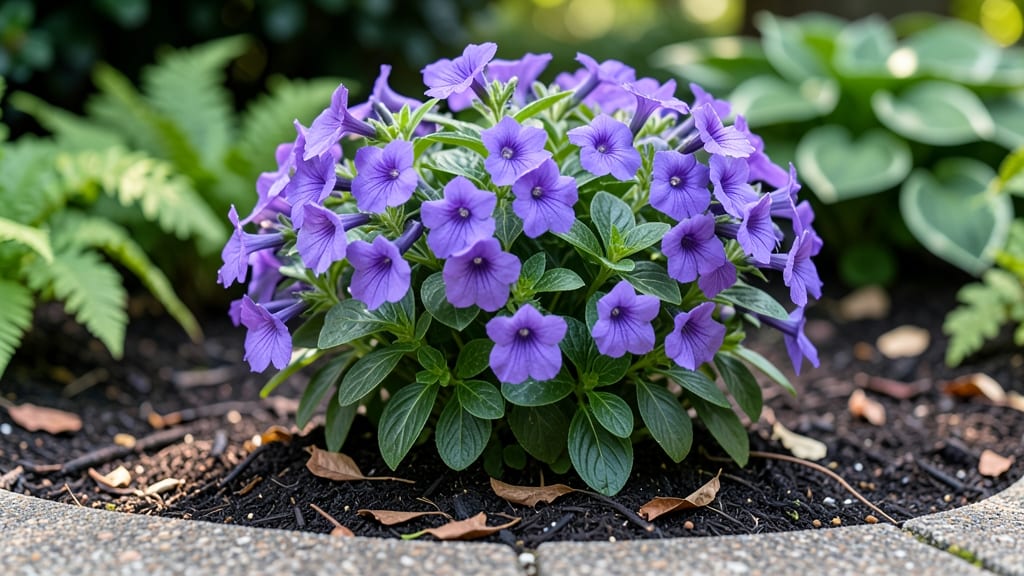
Nothing beats the drama of Purple Prince flowers spilling over container edges like a velvet waterfall. 🌿 I grew mine from a single cutting last spring, and within weeks, those deep purple leaves and striking blooms transformed my patio into a showstopper—without taking up garden space.
The secret lies in matching its bold personality with the right care routine.
You’ll need well-draining potting mix, a container with drainage holes, and at least 6 hours of morning sun—afternoon shade prevents leaf scorch. Water when the top inch feels dry, but never let it sit soggy.
Purple Prince thrives on neglect, honestly, so don’t overthink it. For propagation, cuttings root easily in water, or sow seeds indoors 8-10 weeks before your last frost.
By summer, you’ll have lush, nearly black-purple foliage with clusters of lavender-blue flowers that hummingbirds adore. The plant stays compact (2-3 feet tall), making it perfect for balconies, window boxes, or mixed containers. Just pinch back leggy stems in spring to encourage bushier growth—it’s that simple.
Winter care depends on your zone: in colder areas, bring containers indoors or wrap them in burlap. In milder climates, a thick layer of mulch keeps roots cozy. The foliage may fade, but with proper dormancy, it’ll bounce back greener and more vigorous than ever next spring.
📚 In This Guide
- What you need
- Instructions
- Tips and common mistakes
- Wrapping up and next steps
What you need
- ● Purple Prince flower seeds – 5–10 seeds (or 1–2 young plants if starting with cuttings). Look for Thunbergia alata labeled as "Purple Prince" for the iconic deep purple blooms.
- ● Well-draining potting mix – 1–2 gallons of high-quality, lightweight mix (e.g., 60% peat moss, 30% perlite, and 10% compost). Avoid heavy clay soil.
- ● Containers – 1–2 hanging baskets (10–12 inches wide) or 5–6-inch diameter pots with drainage holes. Hanging baskets are ideal for trailing vines!
- ● Slow-release fertilizer – 1–2 tablespoons of 10-10-10 or 20-20-20 granular fertilizer mixed into the soil at planting.
- ● Watering can or spray bottle – For gentle hydration without disturbing seeds.
- ● Drip tray or saucer – To catch excess water and protect surfaces.
- ○ Gloves – To protect hands from soil and thorns (optional but recommended!).
- ● Trowel or small shovel – For transplanting or mixing soil.
- ● Spray bottle with water – Keeps seeds moist during germination.
- ● Plant labels – To track varieties if growing multiple types.
- ○ Pruning shears – For trimming dead leaves or encouraging bushier growth (optional but useful).
- ● Sunlight access – A spot with 6+ hours of direct sunlight daily (south- or west-facing windowsills or balconies work well).
- ● Warmth – Ideal germination temperature: 70–75°F (21–24°C). Purple Princes thrive in USDA zones 10–11 but can be grown as annuals in cooler climates.
- ● Patience – Germination takes 14–21 days, and full blooms appear in 8–12 weeks.
Step-by-step guide to growing Purple Prince flowers in containers
Here's how to cultivate these striking blooms with vibrant purple hues—container-friendly and perfect for patio displays.
🌱 Step 1: Choose the Right Container and Soil Mix
Select a container with drainage holes that's at least 12 inches deep and 14 inches wide to accommodate the Purple Prince's sprawling habit. I prefer terracotta or ceramic pots because they wick away excess moisture while retaining enough humidity for these tropical beauties. Avoid metal containers—they can heat up too much in direct sun.
Fill the container with a well-draining potting mix that's rich in organic matter. I blend 50% premium potting soil, 30% perlite, and 20% compost to create an airy, nutrient-dense medium. The mix should feel like a damp sponge—not too dense, but not crumbly. Press it lightly into the container, leaving about 2 inches of space at the top for watering.
☀️ Step 2: Select the Perfect Planting Location
Purple Prince flowers thrive in bright, indirect light—think morning sun with afternoon shade. A spot on an east-facing patio or under a sheer curtain works beautifully. If you must place them in full sun, provide afternoon shade during peak summer months to prevent leaf scorch. The ideal temperature range is 65-75°F, so avoid placing them in drafty areas or near air conditioning vents.
Here's the thing—these plants are sensitive to temperature fluctuations. If your evenings dip below 55°F, move the container indoors or cover it with a frost blanket. You'll notice the leaves start to yellow or droop if the conditions aren't right. That's your signal to adjust the placement immediately.
💧 Step 3: Water Consistently and Fertilize Regularly
Water your Purple Prince when the top 1-2 inches of soil feel dry to the touch. Stick your finger in the soil—if it's dry at that depth, it's time to water. I use room-temperature water to avoid shocking the roots, and I water deeply until it drains freely from the bottom. Empty the saucer after 10 minutes to prevent root rot, which is a common issue with overwatering.
Feed your plant every 2-3 weeks during the growing season (spring through fall) with a balanced liquid fertilizer diluted to half strength. You'll see new growth and more abundant blooms within a few weeks of consistent feeding. In winter, reduce fertilization to once a month or stop altogether if the plant goes dormant.
✂️ Step 4: Prune and Encourage Bushy Growth
Pinch back the tips of new growth when the plant reaches about 6 inches tall to encourage bushier, fuller growth. This is where it gets fun—watch as the plant branches out instead of growing tall and leggy. Remove any yellow or damaged leaves with clean pruning shears, cutting just above a leaf node to promote new growth.
After the first flush of blooms, trim back the spent flower stems by one-third to encourage a second round of flowering. Avoid heavy pruning in late summer, as this can delay fall blooms. I always prune in the morning when the plant is well-hydrated and the cuts heal faster.
🪴 Step 5: Overwinter and Prepare for Next Season
As temperatures drop below 50°F, move your Purple Prince indoors to a bright, cool spot like a sunroom or under grow lights. Reduce watering to once every 7-10 days, allowing the top 3-4 inches of soil to dry out between waterings. The plant may drop some leaves, but don't worry—this is normal dormancy behavior.
In late winter or early spring, repot the plant if it's become root-bound. Choose a container that's only 1-2 inches larger in diameter to avoid overwhelming the plant with too much fresh soil. Refresh the potting mix with a 50-50 blend of new soil and compost, and resume regular watering and fertilizing as the weather warms up.
Tips & tricks for perfect Purple Prince flower cultivation
A few strategic moves will help your Purple Prince thrive in containers and reward you with stunning purple blooms all season long.
Container Material Matters: While terracotta and ceramic are ideal, you can also use fiberglass containers if you're worried about cracking. Just be prepared to water more frequently since fiberglass doesn't wick moisture like clay. The key is avoiding metal containers—they can overheat in direct sun and damage delicate roots. If you're using a new container, rinse it thoroughly with water before planting to remove any chemical residues from manufacturing.
Soil Texture Tip: When mixing your 50% premium potting soil, 30% perlite, and 20% compost, sift the components through a fine mesh screen first. This creates a more uniform texture that prevents compaction over time. I also recommend adding a handful of worm castings to the mix—they provide gentle, slow-release nutrients that Purple Princes love. The soil should crumble easily between your fingers when lightly pressed but hold its shape when squeezed firmly.
Temperature Transition Strategy: Purple Princes handle temperature shifts poorly, so when moving them between indoor and outdoor spaces, do it gradually. If bringing them inside for cooler evenings, place them in a shaded spot for 24 hours before their final location. This helps prevent the shock that causes those telltale yellow leaves. I've found that a small portable fan on low setting near the plant for the first few days after moving helps them acclimate faster to new conditions.
Pruning Precision: When you're ready to trim back those spent blooms by one-third, use sharp pruning shears and make cuts at a 45-degree angle just above a leaf node. This angled cut helps water run off instead of pooling on the stem, which can lead to rot. I've noticed that plants pruned in the morning recover faster and show new growth within 5-7 days. Always clean your pruning tools with rubbing alcohol between cuts to prevent spreading any potential plant diseases.
Pro Tips for Purple Prince Flower
- A few strategic moves will help your Purple Prince thrive in containers and reward you with stunning purple blooms all season long.
- Container Material Matters: While terracotta and ceramic are ideal, you can also use fiberglass containers if you're worried about cracking.
- Soil Texture Tip: When mixing your 50% premium potting soil, 30% perlite, and 20% compost, sift the components through a fine mesh screen first.
Frequently asked questions
Got questions about growing Purple Prince flowers? You’re not alone! Here are some of the most common queries—plus quick, practical answers to help you nurture these stunning blooms with confidence.
How long does it take for Purple Prince flowers to bloom after planting?
The wait is worth it! With proper care, you can expect Purple Prince flowers to burst into vibrant blooms 6–8 weeks after planting from seeds or 4–6 weeks if you start with young plants. Patience pays off—these beauties reward consistency with bold, trumpet-shaped flowers that last for weeks.
How often should I water Purple Prince flowers, and do they need special care?
Keep the soil consistently moist but not soggy—water deeply 2–3 times per week during dry spells, adjusting for rain. These tropical darlings thrive in humidity, so mist leaves occasionally or place the pot on a tray of pebbles with water. Avoid wetting the flowers to prevent rot.
Can Purple Prince flowers grow in full sun or do they prefer shade?
These sun-worshippers love bright, indirect light (4–6 hours daily) but can tolerate morning sun in hot climates. Too much direct afternoon sun may scorch leaves, while low light leads to leggy growth and fewer blooms. A east-facing window or dappled outdoor shade is ideal for container growing.
What are some alternatives if Purple Prince flowers don’t thrive in my climate?
If your space lacks the right conditions, try these low-maintenance, purple-hued alternatives:
- African Violet (Saintpaulia): Compact, blooms year-round with minimal light.
- Petunia (Petunia × hybrida): Hardy, drought-tolerant, and available in deep purples.
- Begonia (Begonia spp.): Thrives in shade and produces clusters of delicate blooms.
- Coleus (Plectranthus scutellarioides): Non-flowering but offers vibrant foliage in purple tones.
Why are my Purple Prince flowers’ leaves turning yellow or dropping?
Yellowing leaves or drooping often signal overwatering, underwatering, or pests. Check the soil—if it’s soggy, reduce watering. If dry, water deeply. Inspect for aphids or spider mites (common culprits) and treat with neem oil or insecticidal soap. Pro tip: Yellow edges can also mean fluoride buildup from tap water—use filtered or rainwater instead!
Wrapping up and next steps
The Purple Prince flower is a stunning, low-maintenance addition to any container garden, offering vibrant blooms and easy care. With the right soil, sunlight, and a little patience, you’ll enjoy its bold purple beauty year after year—whether you’re a beginner or a seasoned gardener. 🌸
Ready to bring this showstopper to your space? Grab your supplies, follow the steps, and let your Purple Prince thrive! Next, snap a photo of your progress and tag us—we’d love to see your blooms! 📸