
Flowers
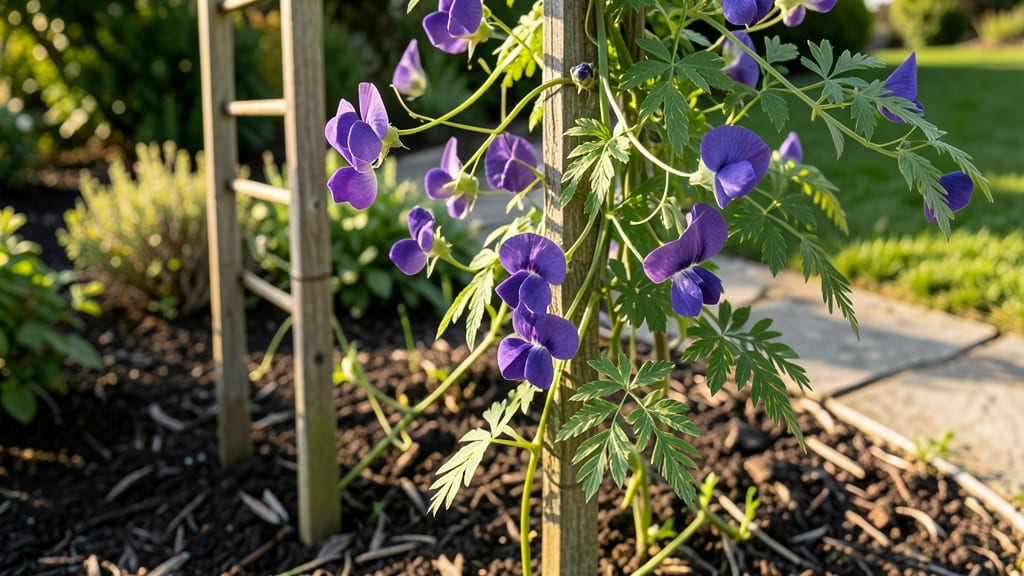
Growing purple sweet pea flowers from seed delivers a garden fragrance so intoxicating it turns heads before you even see the blooms. 🌿 These velvety purple blossoms climb like magic, transforming fences and trellises into living tapestries by midsummer, and their scent lingers in the evening air like a secret.
The trick starts with cool-season seeds—plant them in early spring or late summer for two bursts of color, and you'll never want to grow anything else.
Sweet peas thrive in well-draining soil with a trellis or cage ready by planting time, and they reward patience with blooms that last for weeks.
I learned the hard way that skipping the trellis leads to floppy vines and hidden blooms—now I install mine before seeds even go in the ground.
A sunny spot with afternoon shade in hot climates keeps the flowers vibrant, while consistent moisture (not soggy soil) ensures those signature purple trumpets stay open all day.
What you end up with is a fragrant cloud of purple blooms that hummingbirds and bees can't resist, plus cut flowers that last 10+ days in a vase. The scent alone makes them worth growing, but the way they drape over garden structures adds drama no other annual can match.
Once established, they self-seed like crazy—though I still pull up volunteers in spring to keep things tidy.
Perfect for cottage gardens, small spaces, or even balcony containers with a mini trellis. The key is starting early and giving them room to climb—your garden will never look the same after the first sweet pea vine takes hold. Let's get those seeds planted!
📚 In This Guide
- What you need
- Instructions
- Tips and common mistakes
- Wrapping up and next steps
What you need
- ● Purple sweet pea seeds: 10–20 seeds (choose heirloom varieties like 'Painted Lady' or 'Blue Moon' for vibrant hues).
- ● Well-draining potting mix: 2–3 gallons (opt for a seed-starting blend or mix garden soil with perlite for aeration).
- ● Containers: For seedlings: 2–3 small pots (3–4 inches deep) or a seed tray with cells.
- ● For mature plants: 1–2 larger containers (10+ inches deep) or garden beds with loose, fertile soil.
- ● Grow lights or sunny window: A 12–16 hour daily light source (e.g., a 15W LED grow bulb) for seedlings.
- ● Watering can or spray bottle: With a fine rose nozzle for gentle hydration.
- ● Fertilizer: A balanced liquid fertilizer (10-10-10) or organic options like compost tea or fish emulsion.
- ● Pruning shears: For trimming dead blooms or leggy stems.
- ● Support structures: Trellises, stakes, or cages (3–4 feet tall) to guide climbing vines.
- ● Mulch: Straw or shredded leaves to retain moisture and suppress weeds.
- ○ Optional: Peat pellets or coconut coir for seed-starting.
- ● Slow-release granules (e.g., Osmocote) for steady nutrition.
- ● Humidity dome or plastic wrap to keep seedlings cozy.
Step-by-step instructions for growing purple sweet peas
Here's how I turn delicate seeds into fragrant, showstopping blooms—no green thumb required.
🌱 Step 1: Start Seeds Indoors for Early Blooms
Fill a seed tray with the seed-starting mix (about ½ inch deep per cell) and moisten it until damp but not soggy. Sweet peas need a head start—plant seeds ½ inch deep, two per cell. I like to label the tray with the variety and date because germination can take 10-14 days at 65-70°F.
Cover the tray with clear plastic wrap or a humidity dome to keep moisture consistent. Place it in a warm spot, like on top of the fridge. Once you see first true leaves (not the initial seed leaves), remove the cover. This prevents damping-off, a fungal disease that can kill seedlings overnight.
☀️ Step 2: Provide Light and Harden Off Seedlings
Sweet peas need 6-8 hours of sunlight daily, but a south-facing window won’t cut it. Move seedlings under a grow light (12-16 hours/day) within 4 inches of the plants. You’ll know they’re getting enough light when leaves are dark green and compact—not stretched or pale.
Two weeks before your last frost date, start hardening off seedlings. Place them outside in a sheltered spot for 1-2 hours the first day, gradually increasing time over 10-14 days. This toughens their stems so they don’t snap when transplanted. Watch for wilting or yellowing—if it happens, they’re not ready yet.
🪴 Step 3: Plant Outdoors With Support
Dig holes 1 inch deeper than the seedling’s root ball and space plants 18-24 inches apart (they’ll climb!). Sweet peas need trellises or stakes—I use 5-foot bamboo stakes buried 6 inches deep for each plant. Plant two seeds per hole, just in case one fails.
Water deeply after planting to settle the soil. Mulch around the base with 2-3 inches of straw to retain moisture and suppress weeds. Sweet peas love cool weather, so avoid planting in hot summer months—they’ll bolt (flower too early) and produce fewer blooms.
💧 Step 4: Water, Feed, and Deadhead for Continuous Blooms
Keep soil evenly moist—not soggy, not bone-dry. I water at the base in the early morning to prevent fungal diseases. Once flowers appear, feed plants with balanced fertilizer (10-10-10) every 4-6 weeks. This encourages strong growth and more blooms.
Deadhead spent flowers by pinching them off just above the first set of leaves. This redirects energy to new blooms instead of seed production. You’ll see a fresh flush of flowers in 2-3 weeks—that’s your reward for the effort!
Tips & tricks for perfect purple sweet pea blooms
Here's what I've learned after growing these fragrant beauties for years—tricks that'll help you avoid common pitfalls and get showstopping results.
Germination Secret: The 10-14 day germination window at 65-70°F can feel like an eternity! Place a damp paper towel over the seed tray to maintain consistent moisture without drowning the seeds. I've found that gently pressing each seed into the moist mix (rather than just dropping them in) gives them better contact with the soil, which speeds up sprouting by about 24 hours.
Lighting Strategy: When using grow lights for those crucial 12-16 hours/day, position them just 4 inches above the seedlings and adjust as they grow. I use a simple timer to automate the light schedule—this prevents the "leggy" seedlings you get when light cycles are inconsistent. The moment you see leaves stretching toward the light, it's time to lower the lights or increase their distance.
Hardening Off Hack: For the 1-2 hour outdoor acclimation in Step 2, I start with a partially shaded spot—direct sun can shock tender seedlings. Gradually move them to sunnier locations over those 10-14 days. Watch for the "shock test": if leaves perk up within 10 minutes after bringing them back inside, they're ready for longer outdoor time.
Support System: When planting your 5-foot bamboo stakes, bury them at a 45-degree angle rather than straight up. This creates more stability against wind and gives vines better purchase as they climb. I've seen stakes topple over when planted vertically, especially in my windy garden spot.
Pro Tips for Purple Sweet Pea Flower
- Here's what I've learned after growing these fragrant beauties for years—tricks that'll help you avoid common pitfalls and get showstopping results.
- Germination Secret: The 10-14 day germination window at 65-70°F can feel like an eternity!
- Lighting Strategy: When using grow lights for those crucial 12-16 hours/day, position them just 4 inches above the seedlings and adjust as they grow.
Frequently asked questions
Got questions about growing purple sweet pea flowers? You’re not alone! Here are answers to the most common queries to help you cultivate these fragrant beauties with confidence.
When is the best time to plant purple sweet pea seeds?
For spring blooms, sow seeds indoors 8–10 weeks before your last frost or directly outdoors in early spring. In warmer climates, plant in fall for winter/early spring flowers. Sweet peas thrive in cool weather (50–65°F) and struggle in heat—avoid planting when temps exceed 75°F.
How long does it take for purple sweet peas to flower?
With patience, you’ll see blooms in 3–4 months from seed! Early varieties may flower slightly faster (around 10–12 weeks), while heirlooms can take up to 16 weeks. Provide trellis support early—vines grow quickly and need guidance to climb.
Why aren’t my sweet pea flowers opening?
Several factors can delay blooms: overcrowding (thin seedlings), lack of sunlight (6+ hours daily), or nutrient deficiencies (use a balanced fertilizer). Check for pests (aphids, slugs) and ensure proper watering—consistent moisture (not soggy soil) is key. If buds form but don’t open, it may be too hot!
Can I grow purple sweet peas in containers?
Choose a deep container (12+ inches) with drainage holes and a trellis or tomato cage. Dwarf varieties like ‘Cupani’ work well in pots. Use a light, well-draining potting mix and fertilize lightly every 2–3 weeks. Containers dry out faster, so monitor soil moisture closely.
What other colors of sweet peas are available besides purple?
Sweet peas come in a dazzling rainbow! Beyond purple, you’ll find blue, pink, red, white, and bicolor varieties. Mix colors for a stunning garden display—try ‘Blue Moon’ (deep blue) or ‘Perfume Delight’ (lavender-pink). Some varieties even have two-tone blooms!
Wrapping up and next steps
From delicate seedling to dazzling bloom, the purple sweet pea flower is a rewarding journey for any gardener or floral enthusiast. 🌸 Its fragrant beauty and low-maintenance charm make it a perfect addition to gardens, containers, or even bouquets—proving that stunning results start with simple care.
Ready to turn your green space into a purple paradise?
Your next step? Grab those seeds, pick a sunny spot, and let nature do the rest. Whether you’re a seasoned gardener or a curious beginner, every purple petal you nurture will be a testament to your patience—and your garden’s new star attraction! 🌱✨