
Flowers
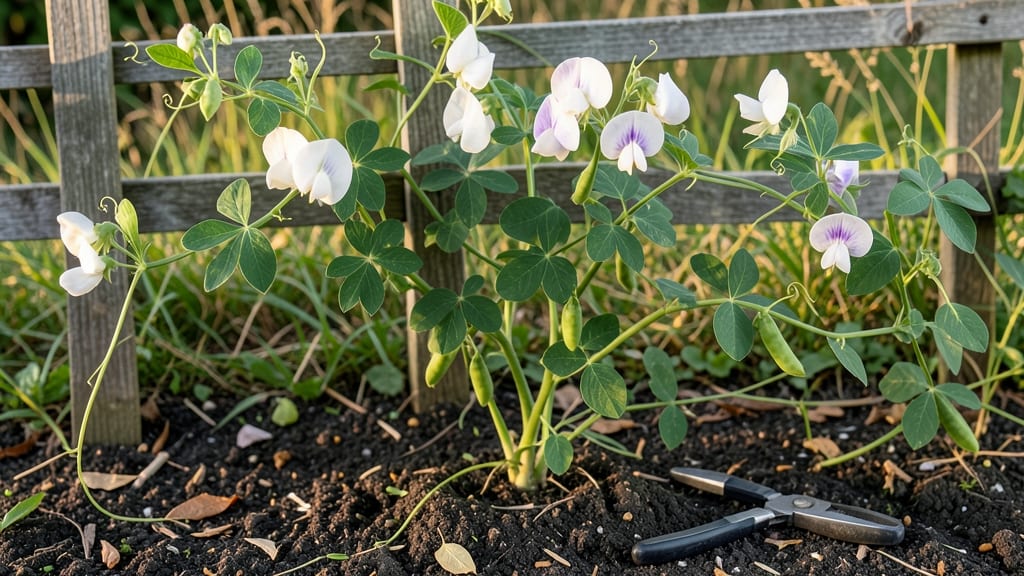
Growing white sweet pea flowers brings that dreamy lavender-like fragrance to your garden—without needing a sprawling yard. 🌿 I’ve found these delicate climbers transform even small balconies into fragrant retreats, their silky blooms cascading like snow.
The secret lies in mimicking their natural woodland habitat: rich, well-draining soil and a sturdy trellis to guide their vines upward.
You’ll need just a few basics: a container with drainage holes (at least 12 inches deep), a mix of potting soil and compost, and a trellis or obelisk for support. Sweet peas thrive in partial shade to morning sun—perfect for patios or under trees.
Plant seeds in early spring or fall, about an inch deep, and keep the soil consistently moist until germination.
By summer, you’ll be rewarded with clusters of fragrant white blooms that perfume the air and attract pollinators. Prune regularly to encourage more flowers, and watch as your container becomes a vertical garden masterpiece. These peas are surprisingly hardy once established, making them a low-maintenance luxury for small spaces.
Their versatility shines in borders, hanging baskets, or even as a fragrant addition to cut flower arrangements. With just a little care, you’ll have a garden that smells like a spring meadow—without the weeds. Let’s get those vines climbing!
📚 In This Guide
- What you need
- Instructions
- Tips and common mistakes
- Wrapping up and next steps
What you need
- ● White sweet pea seeds: 5–10 seeds (or starter plants if preferred). Choose heirloom varieties like 'Cupani' or 'Alaska' for classic white blooms.
- ● Growing containers: 1–2 containers per plant (10–12 inches deep) with drainage holes. Options: hanging baskets, pots, or fabric grow bags.
- ● Well-draining potting mix: 2–3 bags (1–2 cubic feet each). Use a blend of peat, perlite, and compost (or a pre-mixed flower/vegetable mix).
- ● Slow-release fertilizer: 1–2 tablespoons per container (look for a 10-10-10 or 5-10-5 NPK ratio).
- ● Support structure: 1–2 trellises, stakes, or obelisks (5–6 feet tall) per container. Sweet peas need vertical support!
- ● Watering can or spray bottle: With a gentle nozzle to avoid disturbing seeds.
- ○ Gloves: Optional but helpful for handling soil and seeds.
- ● Plant labels: To track varieties and planting dates.
- ● Mulch (straw or coconut coir): 1–2 inches to retain moisture.
- ● Organic liquid fertilizer: Fish emulsion or compost tea (for a mid-season boost).
- ● Pruning shears: For trimming spent blooms and encouraging new growth.
- ● Shade cloth (if needed): For hot climates (30–50% shade during peak sun hours).
Step-by-Step guide to growing fragrant white sweet peas in containers
Here's how to coax those delicate, lavender-like blooms into your pots with minimal fuss.
🌱 Step 1: Choose the Right Containers and Soil Mix
Sweet peas love to climb, so pick a container at least 12 inches deep with sturdy sides—wooden window boxes or fabric grow bags work perfectly. I use well-draining potting mix (never garden soil) blended with 20% perlite to prevent soggy roots. Fill the pot 2/3 full and tap gently to settle the mix without compacting it.
Sweet peas also need support. Before planting, insert a 5-foot tall trellis or stakes into the container. The roots will anchor better if you bury the base 3-4 inches deep in the soil. Here's the thing—these vines get heavy with blooms, so make sure your container can handle 10+ pounds once mature.
🌱 Step 2: Plant Seeds at the Perfect Depth and Spacing
Sweet pea seeds are tiny but mighty—plant them 1 inch deep and 2 inches apart in rows spaced 6 inches apart. I like to use a seed-starting tray first, then transplant seedlings into the final container after 4-6 weeks when they have 2-3 true leaves. This two-step process gives them a stronger start.
Don't skip the soak! Soak seeds in lukewarm water for 12 hours before planting—they germinate better and faster. After planting, water gently but don't drown them. You'll know moisture is right when the soil surface looks slightly damp but not glistening. Cover the tray with plastic wrap to retain warmth until sprouts appear in 7-14 days.
☀️ Step 3: Provide Light and Airflow for Strong Vines
Sweet peas need 6-8 hours of sunlight daily, but they'll tolerate morning sun and afternoon shade in hotter climates. Place your container where it gets bright, indirect light for the first 2 weeks, then gradually introduce more direct sun. Watch for leggy stems—this means they're stretching for light. If you see this, move the container closer to the light source or add a grow light for 12-14 hours daily.
Airflow is just as important as light. Sweet peas hate humidity and can develop powdery mildew if they're too crowded. Once seedlings reach 6 inches tall, thin them to 4-6 inches apart and prune any yellow or damaged leaves immediately. A small fan on low near the container helps prevent disease without stressing the plants.
💧 Step 4: Water and Fertilize for Continuous Blooms
Water when the top inch of soil feels dry—this usually means every 2-3 days in warm weather, but check daily in containers. Sweet peas are thirsty but hate soggy roots, so always water at the base and avoid wetting the leaves. I use a watering can with a narrow spout to direct moisture exactly where it's needed.
Feed with a balanced, water-soluble fertilizer (10-10-10) every 2 weeks once flowers appear. Here's the trick—stop fertilizing 4-6 weeks before your first frost to encourage strong root development for next season. Deadhead spent blooms weekly by pinching off the flower stem just above the first set of leaves. This redirects energy to producing more fragrant blooms instead of seed pods.
✂️ Step 5: Train Vines and Harvest for Long-Lasting Beauty
Gently guide the vines up the trellis as they grow, tying them with soft plant ties every 4-6 inches. Don't pull too tight—you want to support, not strangle the stems. Sweet peas bloom best when they're well-supported, so prune any side shoots that grow away from the trellis to focus energy upward.
Harvest blooms in the early morning when their scent is strongest. Cut stems at a 45-degree angle just above a leaf node to encourage branching. Display them in a vase with fresh water and a drop of bleach to extend their life for 7-10 days. Real talk—these flowers smell like lavender meets honey, and they'll make your porch or patio the most fragrant spot in the yard.
Tips & tricks for perfect white sweet pea flowers
Here's what nobody tells you about growing these fragrant beauties—details that make all the difference between struggling seedlings and show-stopping vines.
Container Stability: Those 5-foot trellises in Step 1 need extra support when heavy with blooms. I've seen containers tip over when vines reach full weight—bury a 6-inch wide stake at a 45-degree angle next to your trellis and tie it to the container with soft plant ties. This creates a triangle of support that prevents wobbling, especially in windy conditions.
Seedling Transplant Hack: When moving seedlings from your seed-starting tray to the final container after 4-6 weeks, dig a small hole and place a handful of compost in the bottom. This gives the roots a nutrient boost right when they need it most. Water thoroughly after transplanting, but don't let the soil surface get soggy—just slightly damp like a wrung-out sponge.
Light Transition Strategy: The gradual introduction of direct sun in Step 3 is crucial. I like to start with 2 hours of morning sun for the first week, then increase by 1 hour daily. This prevents shock and sunburn on delicate seedlings. Watch for pale yellow leaves—this is your warning that the transition is too fast.
Fertilizer Timing: The 2-week feeding schedule after flowers appear works wonders, but here's the secret: switch to a low-phosphorus fertilizer (like 5-1-5) once buds form. This prevents excessive leaf growth at the expense of blooms. And remember—those 4-6 weeks before frost without fertilizer let the plant store energy for next season.
Pro Tips for White Sweet Pea Flower
- Here's what nobody tells you about growing these fragrant beauties—details that make all the difference between strug...
- Container Stability: Those 5-foot trellises in Step 1 need extra support when heavy with blooms. I've seen containers...
- Seedling Transplant Hack: When moving seedlings from your seed-starting tray to the final container after 4-6 weeks, ...
Frequently asked questions
Got questions about growing white sweet pea flowers? You’re not alone! Here are answers to the most common queries to help you cultivate these fragrant, lavender-like blooms with confidence.
When is the best time to plant white sweet peas?
For cool-season success, plant seeds in early spring (as soon as soil is workable, around 4–6 weeks before last frost) or late summer (8–10 weeks before first frost) for a fall bloom. Avoid planting in hot summer months—they thrive in 50–65°F (10–18°C) temps. Pro tip: Soak seeds overnight before planting to speed germination!
How long does it take for white sweet peas to flower?
Patience pays off! From seed to bloom, expect 8–12 weeks under ideal conditions. Early varieties may flower in 6–8 weeks, while later ones take longer. Consistent moisture and cool temps accelerate growth—think of it like nurturing a delicate tea party guest!
Can white sweet peas grow in containers?
They’re perfect for containers—just use a 5–10 gallon pot with drainage holes and a well-draining mix. Provide a trellis or cage for support (their vines can reach 6–8 feet!). Bonus: Container-growing makes them ideal for balconies or small gardens!
Why aren’t my white sweet pea flowers opening?
Don’t worry—this is often due to heat stress, overcrowding, or lack of sunlight. Move plants to partial shade if temps rise above 75°F (24°C), thin seedlings to 2–3 inches apart, and ensure they get 6+ hours of sunlight daily. A light trim of spent blooms encourages more flowers!
What can I plant with white sweet peas for a fragrant garden?
Pair them with companion plants like roses, lavender, or thyme to enhance fragrance and deter pests. Avoid planting near onions or garlic—they can inhibit growth. For a container combo, try mixing with pansies or nasturtiums for a pop of color and extra pollinator appeal!
Wrapping up and next steps
The white sweet pea flower is a fragrant, low-maintenance beauty that brings elegance to any garden—even small containers! With the right soil, sunlight, and care, you’ll enjoy its lavender-like charm and sweet scent all season long.
Whether you’re a beginner or a seasoned gardener, these blooms reward patience with stunning results.
Ready to grow your own? Grab your supplies, follow the steps, and watch your container garden transform! Start planting today and enjoy the magic of these delicate, fragrant flowers. 🌸