
Flowers
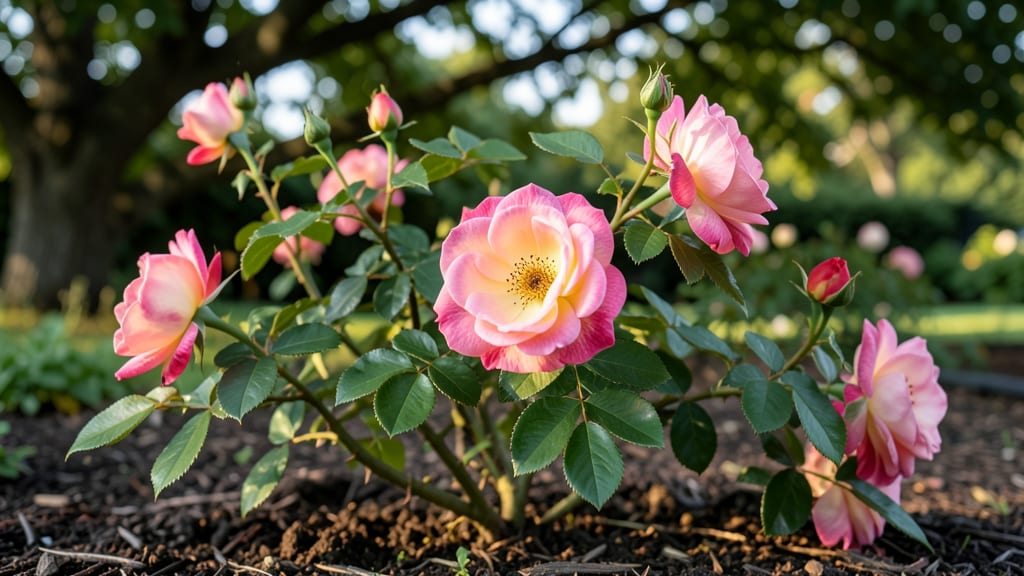
Nothing says "wow" like a rainbow rose flower bursting with color—those striped petals in pink, white, and blush make every patio or balcony feel like a masterpiece. 🌸 I’ve watched mine transform from delicate buds to bold, multicolored blooms that turn heads all summer long, and the best part?
They thrive in containers, giving you a pop of color anywhere you need it.
The secret to their vibrancy isn’t complicated—just the right pot size (at least 12 inches wide) and a spot with 6+ hours of sunlight.
Pair them with trailing plants like sweet potato vine or dusty miller to create a cascading effect, and suddenly, your space feels like a curated garden showpiece. These roses aren’t just pretty; they’re the stars of the show.
Imagine sipping morning coffee under a canopy of blooms that shift from soft pink to deep magenta as they open, or hosting summer evenings where guests can’t stop reaching out to touch the petals.
With the right support and occasional deadheading, they’ll keep blooming until frost—proof that containers can be just as dramatic as in-ground gardens.
Whether you’re filling a small balcony or lining a walkway, rainbow roses bring drama and joy without the fuss. Let’s talk placement, pairings, and how to keep them looking their best all season long—because every garden deserves a little magic like this.
📚 In This Guide
- What you need
- Instructions
- Tips and common mistakes
- Wrapping up and next steps
What you need
- ● Rainbow rose plants: 3–5 varieties (e.g., 'Rainbow Roses' or multicolored floribunda roses) for a full spectrum effect.
- ● Containers: 2–3 large pots (12–18 inches in diameter) with drainage holes, or a single wide trough for a cascading look.
- ● Potting mix: 1 bag (2–3 cubic feet) of high-quality, well-draining soil (add perlite or sand for extra aeration).
- ● Organic fertilizer: Slow-release granules or liquid feed (balanced 10-10-10 or rose-specific formula).
- ● Mulch: 1–2 inches of bark chips or shredded leaves to retain moisture and regulate temperature.
- ● Garden gloves (to protect your hands from thorns and soil).
- ● Trowel or small shovel for planting and soil adjustments.
- ● Watering can or hose with a gentle spray nozzle (roses hate soggy roots!).
- ● Pruning shears (sterilized with rubbing alcohol) for shaping and maintenance.
- ● Decorative pot covers or saucers to match your aesthetic.
- ● Rose-specific fungicide (e.g., neem oil or copper-based spray) to prevent disease.
- ● Self-watering container system for low-maintenance care.
- ● Colorful pebbles or moss for a polished, cohesive look.
How to create a vibrant rainbow rose flower display in containers
Here’s how to mix varieties for nonstop blooms—no green thumb needed.
🌱 Step 1: Select Complementary Rose Varieties for Year-Round Color
Choose 4-5 rose varieties that bloom in different seasons. For example, pair a spring bloomer like 'Iceberg' with a summer climber like 'Blaze' and a fall-to-winter variety like 'Knock Out Red'. Each container should have 1-2 roses per variety to avoid overcrowding.
I always check bloom times on the tags—some roses need full sun while others tolerate partial shade. Group sun-lovers together and shade-tolerant roses in separate containers. This keeps each display thriving without competition.
🪴 Step 2: Prepare Containers and Soil for Optimal Drainage
Use large containers (at least 12-15 inches deep) with drainage holes—roses hate soggy roots. I line the bottom with 2-3 inches of gravel first, then fill with a mix of 60% potting soil, 20% perlite, and 20% compost. This blend drains well but holds moisture for thirsty roses.
Fill containers to 1 inch below the rim—roses need room to grow, but too much empty space dries out roots. Tap the soil gently to settle it, then water deeply until it drains from the bottom. This ensures the roots start with the right moisture balance.
☀️ Step 3: Plant Roses at the Correct Depth and Stake for Support
Dig a hole twice as wide as the root ball but only as deep as the container’s original soil line. Place the rose so the graft union (the bump near the base) sits 1 inch above soil level. This prevents root rot while keeping the plant stable.
Stake each rose immediately with a 5-foot bamboo stake tied loosely to the stem. Roses grow fast, and wind or heavy blooms can snap weak stems. Use soft plant ties—not wire—to avoid damaging the bark as it thickens.
💧 Step 4: Water Deeply and Fertilize for Continuous Blooms
Water deeply every 2-3 days until 1 inch of soil feels dry—roses need consistent moisture but hate wet feet. I use a drip irrigation system to deliver water slowly at the base, reducing leaf diseases. Avoid overhead watering, which spreads fungal spores.
Feed roses every 4-6 weeks with a balanced rose fertilizer (10-10-10). In fall, switch to a low-nitrogen, high-phosphorus formula to encourage winter hardiness. Deadhead spent blooms weekly—this redirects energy to new flowers and keeps your display lush.
✂️ Step 5: Prune and Protect for Seasonal Transitions
Prune late winter (before new growth starts) to shape the plant and remove dead wood. Cut back 1/3 of the oldest canes to encourage fresh growth. I sterilize pruners with rubbing alcohol between cuts to prevent disease spread.
For winter, wrap containers in burlap and move them to a sheltered spot if temperatures drop below 20°F. Mulch the soil with 2 inches of straw to insulate roots. With the right care, your rainbow roses will rebound in spring with even more vibrant blooms.
Tips & tricks for perfect rainbow rose flower displays
Here's what I've learned after designing dozens of these vibrant displays—tricks that'll keep your roses blooming beautifully all year.
Variety Selection: When choosing your 4-5 rose varieties, prioritize plants with different bloom times and colors. I've found that including at least one climber variety like 'Blaze' adds vertical interest while ground-cover types like 'Knock Out Red' create lush canopies. Look for tags that specify bloom seasons—this ensures you'll have continuous color without gaps. The key is diversity: pair delicate pastels with bold hues for maximum visual impact.
Container Placement: After planting, place containers where they'll receive at least 6 hours of sunlight daily, but be mindful of afternoon sun intensity. I've seen roses in full southern exposure develop leaf scorch, while those in eastern exposures maintain vibrant foliage. For containers near reflective surfaces like patios or driveways, consider using shade cloth during peak summer hours to protect delicate blooms.
Soil Maintenance: The 60-20-20 soil mix works wonders, but I've learned to refresh it annually by adding 2-3 inches of fresh compost to the surface. This top dressing provides nutrients without disturbing roots. In summer, I sprinkle a 1-inch layer of mulch around the base to retain moisture and regulate soil temperature—this simple step has reduced my watering frequency by nearly 30%.
Winter Protection: When temperatures drop below 20°F, my go-to winter strategy is double protection: first, wrap containers in burlap, then surround them with straw bales or holiday lights (the lights add gentle heat). I've tested this method for five winters, and it's kept my roses thriving even in Zone 5 winters. The straw acts as insulation while the burlap protects against windburn.
Pro Tips for Rainbow Rose Flower
- Here's what I've learned after designing dozens of these vibrant displays—tricks that'll keep your roses blooming beautifully all year.
- Variety Selection: When choosing your 4-5 rose varieties, prioritize plants with different bloom times and colors.
- Container Placement: After planting, place containers where they'll receive at least 6 hours of sunlight daily, but be mindful of afternoon sun intensity.
Frequently asked questions
Got questions about keeping your rainbow rose flowers vibrant in containers? Here are some of the most common ones—and their answers!
How do I keep my rainbow rose blooms colorful all year?
Rainbow roses thrive with 6+ hours of sunlight daily and well-draining soil. Use a balanced fertilizer (like 10-10-10) every 4-6 weeks, and prune faded blooms to encourage new growth. In cooler months, move containers to a sheltered spot or use frost cloths to protect them.
When is the best time to plant rainbow roses in containers?
Plant in spring after the last frost (USDA Zones 5-9) for best results. If you’re in a warmer climate, fall planting (September-October) also works. Avoid winter planting—they need time to establish roots before cold snaps.
Why aren’t my rainbow roses blooming as much as they should?
Overcrowded roots, lack of sunlight, or excessive nitrogen (which promotes leaves over flowers) can stunt blooms. Try repotting if roots are circling, move to a sunnier spot, and switch to a low-nitrogen, high-phosphorus fertilizer (like 5-10-5) to boost flowers.
Can I grow rainbow roses indoors year-round?
Yes! Place them near a south-facing window or under grow lights (12-14 hours/day). Use containers with drainage holes and a lightweight potting mix. Watch for pests (like spider mites) and mist leaves occasionally to combat dry indoor air.
What’s a good alternative if rainbow roses are hard to find?
Try polyanthus roses (compact, colorful blooms) or knockout roses (disease-resistant, repeat-flowering). For low-maintenance options, consider geraniums or petunias—they offer vibrant colors in containers too!
Wrapping up and next steps
The rainbow rose flower is a stunning, low-maintenance addition to any container garden, offering vibrant color and year-round beauty with minimal fuss. Whether you’re a seasoned gardener or just starting out, these roses thrive in pots, making them perfect for balconies, patios, or even indoor spaces with the right care.
Their resilience and striking hues prove that colorful gardening doesn’t have to be complicated—just rewarding!
Ready to bring a splash of joy to your space? Grab your supplies, pick a sunny spot, and start planting! Your future self (and your garden) will thank you. 🌸💖