
Flowers
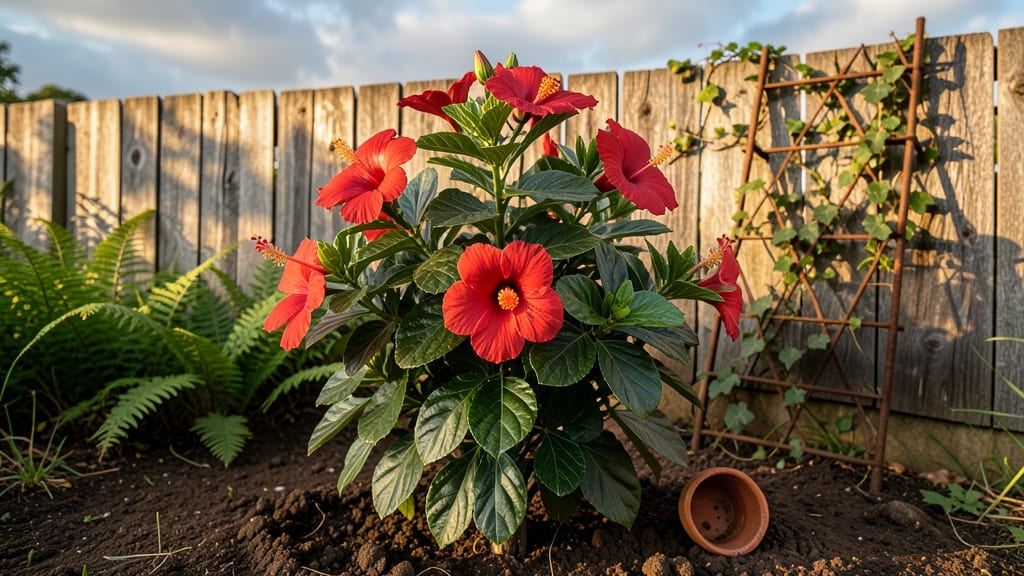
Red Asian flowers like hibiscus and lotus aren’t just vibrant—they’re bold statements in any garden design. 🌸 Their deep crimson hues bring warmth and cultural richness to containers, transforming patios and balconies into striking focal points.
I’ve used them to create dramatic contrasts against silver foliage and soft pastels, and the results are always eye-catching.
The key to making them work lies in pairing them with complementary textures and colors. Try pairing red bougainvillea with trailing ivy or pink lotus near white pebbles for a serene yet lively look. These combinations create visual depth while keeping the design cohesive and intentional.
What you’ll love is how these flowers elevate even small spaces. A single container of red Asian hibiscus can anchor a seating area, while mixed planters with complementary blooms add layers of interest. The cultural symbolism of red—luck, passion, and celebration—also adds a meaningful touch to your outdoor decor.
Whether you’re designing a minimalist Zen garden or a lush tropical retreat, these flowers adapt beautifully. Start with one standout container and let their natural elegance inspire the rest of your space.
📚 In This Guide
- What you need
- Instructions
- Tips and common mistakes
- Wrapping up and next steps
What you need
- ● Red Asian flower plants: 1-3 young plants (check for healthy roots and vibrant red blooms). Popular choices include Hibiscus rosa-sinensis, Bougainvillea, or Canna indica.
- ● Container: 1 large pot (12-18 inches in diameter) with drainage holes. Terracotta or fabric pots work best.
- ● Potting soil: 3-5 gallons of well-draining, nutrient-rich potting mix (avoid garden soil—it compacts too easily!).
- ● Perlite or sand: 1 cup (to improve drainage and aeration).
- ● Slow-release fertilizer: 1 packet (10-10-10 or 14-14-14 NPK ratio).
- ● Watering can or hose with a gentle spray nozzle: 1 (for even moisture without disturbing roots).
- ● Pruning shears: 1 pair (for shaping and maintaining plants).
- ● Mulch: 1 bag (e.g., pine bark or coconut coir) to retain moisture and regulate soil temperature.
- ● Epsom salt: 1 small box (for magnesium boost, especially for canna lilies).
- ● Support stakes or trellis: 1-2 (for bougainvillea or climbing varieties).
- ● Plant food (liquid or granular): 1 bottle (for extra nutrients during blooming season).
- ● Garden gloves: 1 pair (to protect your hands from thorns or rough stems).
Step-by-step guide for growing stunning red Asian flowers in containers
Here's how to coax bold, long-lasting red blooms from Asian favorites like Hibiscus, Bougainvillea, or Salvia—even in limited space.
🌱 Step 1: Select the Right Variety and Container
Choose a compact red-blooming Asian variety suited to containers, like Hibiscus rosa-sinensis 'Red Sensation' or Salvia splendens 'Scarlet Queen'. These thrive in 5-gallon containers with drainage holes—unglazed terra cotta works best for heat-loving types. I avoid plastic pots because they retain too much moisture and risk root rot.
The key is matching the plant's mature size to your pot. A 12-inch diameter container works for single-stem varieties, while trailing types like Bougainvillea need 18-inch wide pots to accommodate their sprawling habit. Fill the bottom third with gravel or perlite for drainage—this prevents soggy roots that stunt flowering.
☀️ Step 2: Prepare Soil and Position for Maximum Light
Use a well-draining potting mix blended with 20% perlite or vermiculite—this prevents compaction in containers. I add a handful of slow-release fertilizer (10-10-10) to the mix at planting time to fuel early blooms. Moisten the soil until it's damp but not dripping, then let it sit for 10 minutes to settle.
Place your container in a spot with 6-8 hours of direct sunlight daily. South-facing windows or a sheltered patio work best. If you're growing heat-lovers like Hibiscus, move them outside after last frost date—they won't tolerate temperatures below 50°F. Watch for leaves curling or yellowing; that's your sign to adjust light exposure.
💧 Step 3: Water and Feed for Continuous Blooms
Water when the top inch of soil feels dry, but never let the pot sit in standing water. I use the "finger test" daily—stick your finger in the soil to check moisture. Overwatering is the #1 killer of container-grown flowers, so I always water at the base rather than from above to avoid fungal spores landing on petals.
Feed every 2-3 weeks during the growing season with a balanced liquid fertilizer (20-20-20). Red Asian flowers respond dramatically to phosphorus—look for a fertilizer with higher middle numbers (like 5-10-5) to encourage vibrant blooms. Cut back on feeding in late summer to prepare plants for dormancy.
✂️ Step 4: Prune and Deadhead for Longer Blooming Seasons
Pinch back leggy growth in early spring to encourage bushier plants. I snip just above a leaf node with clean, sharp shears—this redirects energy to lateral branches. For Hibiscus, I prune one-third of the plant height in late winter to shape it and remove dead wood.
Deadhead spent blooms immediately by cutting the stem back to the nearest set of leaves. This prevents seed formation and signals the plant to produce more flowers. Bougainvillea blooms on old wood, so I avoid heavy pruning—just trim back straggly branches to maintain shape. You'll see new buds forming within 2-3 weeks of pruning.
🪴 Step 5: Overwinter and Refresh for Next Season
Before first frost, move containers to a sheltered spot or bring them indoors near a sunny window. Reduce watering to every 10-14 days and stop fertilizing entirely. I wrap the pots in bubble wrap to protect roots from freezing temperatures—this simple trick keeps plants alive through winter.
In early spring, refresh the soil by removing the top 2-3 inches and replacing it with fresh potting mix. This removes built-up salts and gives roots access to fresh nutrients. Repot if roots are circling the container—choose a pot just 2 inches larger in diameter to avoid shocking the plant with too much space.
Tips & tricks for perfect red Asian flowers in containers
Here's what nobody tells you about keeping these vibrant bloomers thriving year after year.
Container Material Matters: Unglazed terra cotta pots are ideal for heat-loving varieties like Hibiscus because they breathe better than plastic, preventing root rot from moisture buildup. If you must use plastic, add extra drainage holes—even more than the standard two or three. For Bougainvillea's sprawling habit, consider lightweight fiberglass containers; they won't tip over in windy conditions. The key is balancing weight and breathability based on your specific variety's needs.
Light Exposure Secrets: The 6-8 hours of direct sunlight requirement is non-negotiable, but quality matters more than quantity. Morning sun is gentler than afternoon heat, especially in southern exposures. If your plants show signs of sunburn (brown patches or crispy edges), move them to a spot with filtered afternoon light. For indoor growers, supplement with a full-spectrum LED grow light for 12-14 hours daily during winter months when natural light is scarce.
Pruning Precision: When pruning Hibiscus to one-third its height in late winter, focus on removing dead or crossing branches first. This creates an open center that allows better air circulation and light penetration. For Salvia, avoid cutting into woody stems—always prune just above a leaf node. I keep a small notebook near my plants to track pruning dates; this helps me remember when to expect new growth cycles. The 2-3 week window for new buds to form after pruning is your reward for precise cuts.
Winter Survival Strategy: That bubble wrap trick for insulating pots works wonders, but don't stop there. Group containers close together to create a microclimate that retains warmth. I also elevate pots slightly off the ground using ceramic feet—this prevents moisture from seeping in from cold surfaces. For extra protection, cover the top of the pot with a clear plastic dome (like a large cloche) during freezing nights. This creates a greenhouse effect without trapping too much humidity.
Pro Tips for Red Asian Flower
- Here's what nobody tells you about keeping these vibrant bloomers thriving year after year.
- Container Material Matters: Unglazed terra cotta pots are ideal for heat-loving varieties like Hibiscus because they breathe better than plastic, preventing root rot from moisture buildup.
- Light Exposure Secrets: The 6-8 hours of direct sunlight requirement is non-negotiable, but quality matters more than quantity.
Frequently asked questions
Got questions about growing stunning red Asian flowers in containers? You’re not alone! Here are some of the most common queries—and their easy answers—to help you cultivate vibrant blooms with confidence.
What are the best red Asian flowers for container growing?
Top picks include Hibiscus rosa-sinensis (tropical hibiscus), Impatiens walleriana (busy Lizzie), and Lantana camara (lantana). These thrive in pots, offer bold red hues, and adapt well to partial shade or sun. For fragrant options, Plumeria rubra (frangipani) is a showstopper!
How often should I water my red Asian flowers in containers?
Watering needs vary by plant, but most red Asian flowers in containers prefer consistent moisture—about 1-2 inches per week. Check soil moisture daily in summer; let the top inch dry out between waterings. Containers dry faster than ground soil, so morning watering prevents root rot. Use well-draining soil to avoid soggy roots!
Do red Asian flowers need full sun to bloom?
Not always! While hibiscus and lantana love 6+ hours of sun, others like impatiens thrive in partial shade (3-4 hours of light). Observe your plant’s leaves—yellowing means too much sun; leggy growth means too little. Adjust placement seasonally for optimal blooms.
Why aren’t my red Asian flowers blooming?
Common culprits include over-fertilizing with nitrogen (promotes leaves, not flowers), lack of sunlight, or root-bound containers. Try this fix: Switch to a bloom-boosting fertilizer (high phosphorus), prune leggy stems, and repot if roots circle the pot. Deadheading spent blooms also encourages new flowers!
Can I grow red Asian flowers indoors year-round?
Yes, but with adjustments! Choose low-light tolerant varieties like Kalanchoe blossfeldiana (flaming Katy) or Begonia. Place near south-facing windows for 4+ hours of light daily. Supplement with grow lights in winter. Keep humidity up (pebble trays help) and avoid drafts—consistent warmth (65–75°F) keeps them thriving indoors.
Are red Asian flowers toxic to pets?
Some are! Lantana and Plumeria are toxic to cats/dogs if ingested, causing vomiting or drooling. Hibiscus is non-toxic but may irritate skin. If pets nibble, opt for pet-safe red bloomers like Begonia or Coleus. Always research before bringing plants home!
Wrapping up and next steps
From the delicate Hibiscus rosa-sinensis to the bold Canna lily, red Asian flowers bring vibrant energy to any container garden! 🌸 Whether you’re drawn to their striking hues, ease of care, or cultural symbolism, these blooms prove that beauty thrives even in small spaces.
With the right soil, sunlight, and a little love, you’ll be rewarded with a burst of color that brightens your home—and your heart.
Ready to dive in? Start by picking one red Asian flower from this guide, gather your supplies, and let your green thumb shine. Happy planting—your future floral masterpiece is waiting! 🌱✨