
Flowers
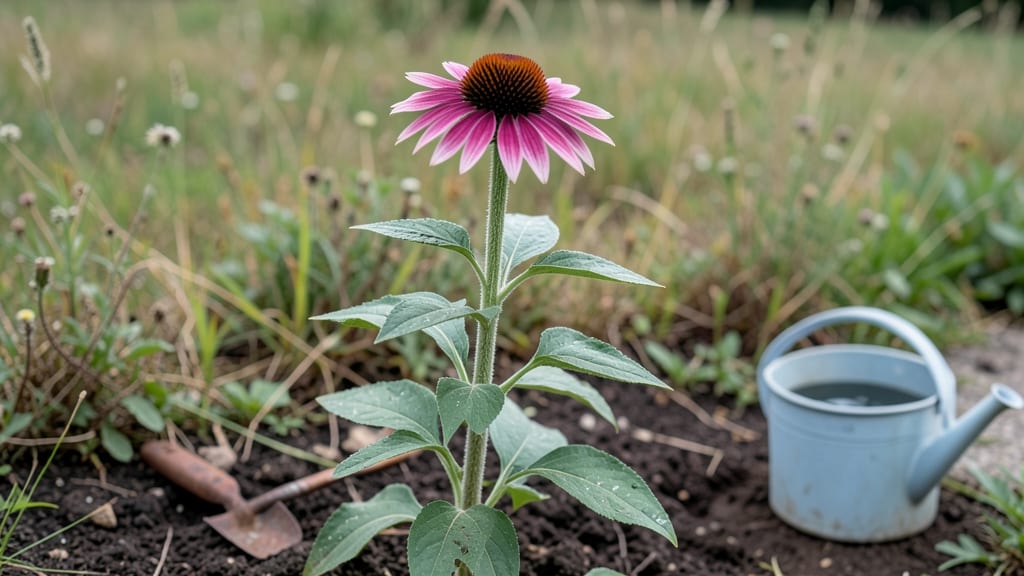
The bold red cone flowers that turn heads every summer? Red cone flowers (Echinacea purpurea) are the unsung heroes of sun-drenched gardens, thriving where others fade. I still remember the first time I planted them—my yard went from ordinary to "stop and stare" in a single season.
The secret isn’t complicated: give them full sun, well-draining soil, and minimal fuss, and they’ll reward you with months of bold color and pollinator traffic.
You’ll need just three things to get started: a sunny spot (at least 6 hours of direct light), loose soil amended with compost, and patience—these perennials establish slowly but come back stronger each year.
My first batch bloomed like crazy the first summer, and now they’re the backbone of my late-season garden, outlasting annuals by weeks. The best part? They’re drought-tolerant once established, so watering becomes an afterthought.
What you’ll end up with is a garden that hums with bees and butterflies, topped with glossy red-pink blooms that catch the light like rubies. The cone-shaped centers add texture, and the foliage stays tidy with minimal pruning.
Even better, they’re deer-resistant, so you won’t lose them to hungry critters. Let’s get those roots in the ground—they’re easier to grow than you’d think.
Works in borders, cottage gardens, or even containers—just make sure they have room to spread (they’ll reach 3-5 feet wide over time). For extra drama, pair them with purple coneflowers or black-eyed Susans. Here’s how to keep them thriving season after season.
📚 In This Guide
- What you need
- Instructions
- Tips and common mistakes
- Wrapping up and next steps
What you need
- ● Red cone flowers (Echinacea purpurea): Seeds (50–100 per plant, or 1 lb for bulk planting)
- ● OR nursery-grown transplants (3–5 per desired clump)
- ● Well-draining soil (amend with compost if needed; aim for pH 6.0–7.0)
- ● Sunlight access: Full sun (6+ hours daily) or light shade (partial sun)
- ● Watering supplies: Hose with adjustable nozzle or drip irrigation system
- ● Watering can (for seedlings)
- ● Garden trowel or transplant spade
- ● Garden gloves (to protect hands from thorns)
- ● Mulch (2–3 inches of organic mulch like straw or shredded bark)
- ○ Fertilizer (balanced 10-10-10 or slow-release granular, optional)
- ● Pruners (for deadheading or shaping)
- ● Staking (if stems flop in windy areas)
- ● Pollinator-friendly companion plants (e.g., bee balm or coneflowers)
- ● Soil test kit (to check pH/nutrient levels)
- ● Row covers (for early spring frost protection)
Step-by-step guide to planting and cultivating red cone flowers
Here’s how to establish these striking perennials for years of vibrant summer blooms.
Choose the Perfect Planting Location
Red cone flowers (Echinacea purpurea) thrive in full sun, so select a spot that receives at least 6-8 hours of direct sunlight daily. A south- or west-facing garden bed works best, but they’ll tolerate partial shade in hotter climates—just expect slightly fewer blooms. Avoid low-lying areas where water pools, as soggy soil encourages root rot.
Test your soil’s drainage by digging a 6-inch hole and filling it with water. If it drains completely within 2 hours, the site is suitable. Amend heavy clay soil with 2-3 inches of compost to improve aeration. I’ve found that red cone flowers perform best in slightly acidic to neutral soil (pH 6.0-7.0), so a soil test kit is worth the investment if your area has alkaline conditions.
Prepare the Soil and Plant Correctly
Loosen the soil in a 12-inch diameter circle around the planting hole to encourage root spread. For 4 plants, dig 4 holes spaced 18-24 inches apart—this spacing prevents overcrowding and allows air circulation, reducing fungal diseases. The hole should be twice as wide as the root ball but no deeper, as planting too deep can suffocate the crown.
Gently remove the plant from its container and tease apart any circling roots. Place it in the hole so the top of the root ball sits level with the surrounding soil—burying the crown too deep invites rot, while planting too high stresses the plant. Backfill with native soil, firming lightly to eliminate air pockets. Water deeply to settle the soil and encourage root contact.
Water and Mulch for Establishment
After planting, water deeply once a week for the first 4-6 weeks to encourage deep root growth. Aim for 1 inch of water per week, delivered at the base rather than overhead. Overhead watering can spread fungal spores, while deep watering strengthens roots. You’ll know it’s working when the soil feels moist 2-3 inches below the surface—a finger test is all you need.
Spread a 2-inch layer of mulch (like shredded bark or straw) over the soil surface, keeping it 3 inches away from the plant stem to prevent moisture buildup. Mulch conserves soil moisture, regulates temperature, and suppresses weeds—critical for young plants. Replenish the mulch layer annually in late winter to protect roots during cold snaps.
Provide Seasonal Care for Lush Blooms
Once established, red cone flowers are drought-tolerant, but they reward consistent care with bold, long-lasting blooms. Fertilize lightly in early spring with a balanced, slow-release fertilizer (10-10-10) applied at ½ the recommended rate. Over-fertilizing leads to excessive foliage at the expense of flowers—these plants prefer lean soil.
Deadhead spent blooms by snipping the cone-shaped seed heads back to the first set of healthy leaves in early fall. This prevents self-seeding (unless you want volunteers) and redirects energy into next year’s growth. Leave the seed heads for winter interest if you prefer a naturalistic look, but they’ll flop under snow or heavy rain.
Overwinter and Prune for Next Year
In late winter or early spring, cut back the previous year’s stems to 2-3 inches above the ground. This promotes fresh, vigorous growth and prevents disease buildup in old stems. Wear gloves—red cone flowers have sharp, spiky seed heads that can snag skin. Avoid pruning in fall, as the foliage provides insulation for the crown during winter.
If your region experiences harsh winters (below 0°F), mound 2-3 inches of mulch around the base of the plant for added protection. Red cone flowers are hardy to USDA Zone 3, but young plants may need extra insulation their first winter. Resist the urge to prune until spring, as early cuts expose tender growth to frost damage.
Tips & tricks for perfect red cone flowers
Took me years to figure out these key tricks for thriving red cone flowers—here’s what nobody tells you about growing them like a pro.
Sunlight Strategy: While 6-8 hours of direct sunlight is ideal, I’ve noticed that morning sun with afternoon shade in hot climates actually produces slightly larger blooms. Position your plants to catch the strongest rays between 10 AM and 2 PM, then let them enjoy filtered light in the afternoon. This approach prevents leaf scorch while maintaining that vibrant red color we all love.
Soil Preparation Secret: The 2-hour drainage test is crucial, but I’ve found an extra step makes all the difference: add a handful of perlite to each planting hole before backfilling. This creates tiny air pockets that improve drainage even in dense soils. For heavy clay, mix in 1 part perlite to 3 parts native soil—your plants will reward you with stronger root systems that can handle summer droughts better.
Watering Wisdom: Those first 4-6 weeks are critical, but timing matters just as much as quantity. Water in the early morning (before 8 AM) to give foliage time to dry completely. Wet leaves overnight invite fungal diseases like powdery mildew, which can turn your beautiful blooms into a sad, dusty mess. I’ve lost count of how many plants I’ve nursed back from this—don’t make my mistake!
Pruning Precision: When cutting back to 2-3 inches in late winter, use clean, sharp pruners and make cuts at a 45-degree angle just above a leaf node. This small detail encourages faster regrowth and prevents water from pooling on the cut surface. I’ve seen plants where the flat cuts led to rot—always angle those cuts to shed water away from the stem.
Pro Tips for Red Cone Flowers
- Took me years to figure out these key tricks for thriving red cone flowers—here’s what nobody tells you about growing them like a pro.
- Sunlight Strategy: While 6-8 hours of direct sunlight is ideal, I’ve noticed that morning sun with afternoon shade in hot climates actually produces slightly larger blooms.
- Soil Preparation Secret: The 2-hour drainage test is crucial, but I’ve found an extra step makes all the difference: add a handful of perlite to each planting hole before backfilling.
Frequently asked questions
Got questions about growing and caring for red cone flowers? You’re not alone! Here are some of the most common queries gardeners have—plus quick, practical answers to keep your plants thriving.
How fast do red cone flowers grow?
These hardy perennials grow at a moderate pace. In ideal conditions (full sun, well-draining soil), you’ll see noticeable growth in the first 2–3 weeks after planting. By their second year, they’ll reach their full height (typically 2–4 feet) and produce those iconic red cone-shaped blooms in late summer. Patience pays off—once established, they’re low-maintenance stars!
When is the best time to plant red cone flowers?
Spring and early fall are the sweet spots for planting. Aim for 4–6 weeks before your last frost date in spring or 6–8 weeks before the first frost in fall. This gives roots time to settle before extreme temperatures. Avoid planting in peak summer heat—young plants can struggle with transplant shock.
How often should I water red cone flowers?
Watering needs shift as your plants mature. Newly planted flowers need 1–1.5 inches of water per week (including rainfall). Once established (after 1–2 years), they’re drought-tolerant—water deeply but infrequently (every 2–3 weeks) during dry spells. Overwatering can lead to root rot, so ensure soil drains well.
Do red cone flowers attract pollinators?
These flowers are bee and butterfly magnets thanks to their nectar-rich blooms. Planting them supports local ecosystems and adds vibrant life to your garden. For extra buzz, pair them with purple coneflowers or black-eyed Susans—pollinators love a colorful buffet!
What do I do if my red cone flowers aren’t blooming?
No blooms? Don’t panic—it’s often fixable! Check these common culprits:
- Too much shade: They need 6+ hours of sun daily.
- Over-fertilizing: Too many nutrients = leafy growth, fewer flowers. Use a low-phosphorus fertilizer or skip it entirely.
- Deadheading too late: Snip spent blooms in early fall to encourage next year’s flowers.
- Young plants: First-year flowers focus on root growth. Blooms usually appear in year two.
Can I grow red cone flowers in containers?
Yes! Just choose a large pot (12+ inches deep) with drainage holes and well-draining soil. Use a balanced fertilizer in spring to encourage growth. Container-grown flowers may need more frequent watering than in-ground plants. Opt for dwarf varieties (like ‘Red Thunder’) if space is tight.
Wrapping up and next steps
Red cone flowers aren’t just a burst of color—they’re low-maintenance superstars that bring joy, wildlife support, and year-after-year beauty to your garden. Whether you’re a seasoned gardener or just starting out, these sun-loving perennials prove that stunning results don’t require complicated care. 🌻
Ready to level up your landscape? Grab your seeds or transplants, mark your sunny spot, and get planting—your future summer blooms will thank you! For even more inspiration, explore our guide to companion plants to create a thriving pollinator paradise.