
Flowers
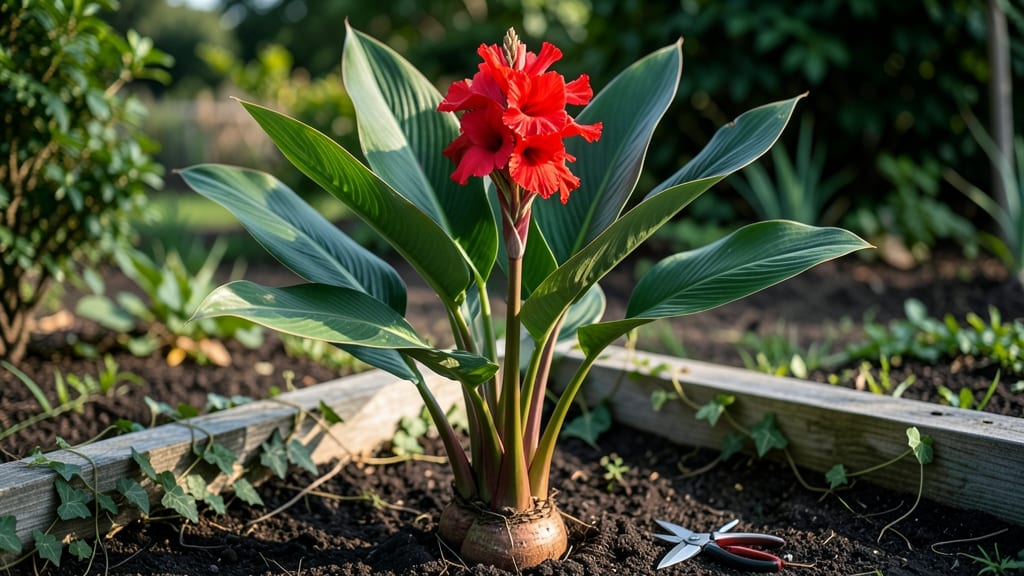
Nothing says summer like a red flower canna blazing in a container—those bold, velvety blooms are impossible to ignore. 🌺 I’ve grown them for years, and they’ve become my go-to for instant tropical drama, even in small spaces.
The secret isn’t just the plant itself, but how you set it up for success from the start.
You’ll need a container at least 12 inches deep, rich potting mix with good drainage, and a spot where they can soak up full sun for 6+ hours daily.
Cannas are heavy feeders, so I swear by a slow-release fertilizer at planting time, followed by monthly liquid feedings once blooms appear. The payoff? Those fiery red flowers will keep coming all summer long, with minimal fuss.
What you’ll love most is how easy they are to maintain—just keep the soil moist (not soggy) and deadhead spent blooms to encourage new ones. My red cannas have even survived a few heatwaves and occasional neglect, always bouncing back with more drama than before.
The only real challenge? Protecting them from late-season frosts if you’re in a cooler climate.
Perfect for patios, balconies, or as a statement piece near your front door. Once you grow them, you’ll never want to go back to store-bought bouquets—these plants are your own living, breathing summer showstopper.
📚 In This Guide
- What you need
- Instructions
- Tips and common mistakes
- Wrapping up and next steps
What you need
- ● Red Flower Canna Tubers: 3–5 healthy, firm tubers (size: 2–4 inches in diameter). Look for vibrant red or orange blooms!
- ● Containers: At least 2–3 large pots (12–18 inches deep and wide) with drainage holes. Terracotta or fabric pots work best.
- ● Potting Mix: 1 bag (5–10 gallons) of well-draining, peat-based mix or a blend of garden soil + perlite (70% soil, 30% perlite/vermiculite).
- ● Organic Fertilizer: Slow-release granular fertilizer (10-10-10 or balanced NPK) or liquid seaweed fertilizer for a nutrient boost.
- ● Mulch: Pine bark fines or coconut coir (1–2 inches) to retain moisture and regulate temperature.
- ● Watering Can: With a gentle spray nozzle for even hydration.
- ● Pruners: Sharp, clean pair for trimming dead leaves or stems.
- ● Container Stands: Elevate pots for better drainage and aesthetics.
- ● Plant Support: Small stakes or cages if cannas grow tall (6+ feet).
- ● Epsom Salt: 1 tbsp per gallon of water monthly for magnesium-rich foliage.
- ● Decorative Accents: Pebbles, moss, or colorful mulch to enhance container appeal.
- ● Garden Gloves: To protect hands while handling tubers or soil.
Step-by-step instructions for growing stunning red canna blooms
Here's how to coax those fiery red blooms from canna tubers—no greenhouse needed.
🌱 Step 1: Prep Tubers for Planting
Soak your canna tubers in lukewarm water for 12-24 hours before planting. This jumpstarts root growth and ensures faster emergence. Place them in a shallow container, changing the water every 6 hours to prevent rot. You'll know they're ready when you see tiny white roots sprouting from the base.
After soaking, let the tubers dry slightly for 1 hour—this prevents fungal issues when you plant. Cut any damaged or soft spots with a sterilized knife, but avoid cutting healthy growth nodes. Healthy tubers should feel firm with a few visible "eyes" (growth points) where new shoots will emerge.
🪴 Step 2: Choose and Prepare Containers
Select containers that are at least 12 inches deep and 18 inches wide for each tuber—cannas have aggressive root systems. I recommend using terracotta pots because they breathe better than plastic, preventing root rot. Fill the bottom 3 inches with fast-draining mix (like perlite or coarse sand) to improve drainage.
Add 3-4 inches of well-draining potting soil on top of the drainage layer. Cannas hate soggy roots, so mix in 20% perlite or orchid bark to keep the soil loose. Press the soil down gently to create a firm base for the tuber, but don't compact it too tightly—roots need room to expand.
☀️ Step 3: Plant and Position for Maximum Sun
Place the tuber in the pot with the eyes facing upward—these are the growth points where shoots will emerge. Cover it with 2-3 inches of soil, leaving the top half exposed. This ensures the tuber stays warm and doesn't rot underground. Water lightly after planting, just enough to settle the soil around the tuber.
Cannas thrive in full sun (6-8 hours daily) but can tolerate partial shade in hot climates. Position your pots where they'll get morning sun and afternoon shade if temperatures often exceed 90°F. You'll see shoots emerge in 2-4 weeks—this is your signal that the tuber is happy and ready to grow.
💧 Step 4: Water and Feed for Bold Blooms
Water deeply once a week during the growing season, allowing the top 2 inches of soil to dry out between waterings. Cannas are drought-tolerant but bloom best with consistent moisture. In hot weather, you may need to water every 4-5 days, but always check the soil first—it should feel dry but not bone-dry.
Feed your cannas with a balanced liquid fertilizer (10-10-10) every 2 weeks starting when shoots reach 6 inches tall. This encourages lush foliage and vibrant red blooms. Reduce feeding to once a month in late summer to promote flowering. Over-fertilizing leads to leafy growth at the expense of blooms—so don't go overboard.
✂️ Step 5: Prune and Overwinter for Next Season
Deadhead spent blooms by cutting the stem back to the nearest leaf node. This redirects the plant's energy into producing more vibrant new flowers instead of setting seed. Prune leggy stems in early fall to keep the plant compact and tidy. Avoid heavy pruning late in the season—you want the plant to store energy for next year.
When frost threatens, cut back the foliage to 4 inches above the soil. Move the pot to a cool, dark place (50-60°F) and reduce watering to once every 2-3 weeks. In colder climates, dig up the tuber, dry it slightly, and store it in a paper bag with dry peat moss in a cool, dark spot until spring. You'll replant it in early spring when temperatures rise above 60°F.
Tips & tricks for perfect red canna blooms
These simple secrets will help you coax the most vibrant red blooms from your canna tubers—no gardening degree required.
Soaking Strategy: The 12-24 hour soaking period is your secret weapon for jumpstarting growth, but there's a trick to prevent rot. Use lukewarm water (not cold or hot) and change it every 6 hours—this refreshes the water before bacteria can build up. I like to soak mine in a clean glass jar with a lid loosely on to prevent evaporation. Watch for those little white roots sprouting—they're your signal that the tuber is waking up!
Container Selection: While terracotta pots are ideal, don't have one? Any container that's at least 12 inches deep and 18 inches wide will work—just make sure it has drainage holes. I've successfully grown cannas in plastic buckets with added drainage holes drilled in the bottom. The key is that aggressive root system needs room to spread, so avoid small pots that'll restrict growth.
Sunlight Savvy: Cannas love full sun (6-8 hours daily), but here's what nobody tells you—if you live in a hot climate where temperatures often exceed 90°F, morning sun with afternoon shade is actually better. The intense afternoon sun can scorch the leaves, especially when they're young. I position my pots where they get bright morning light and move them to a shadier spot after noon.
Fertilizer Timing: The 2-week feeding schedule starting when shoots reach 6 inches tall is perfect, but here's the pro move: switch to a low-phosphorus fertilizer (like 5-1-5) when you see flower buds forming. This redirects the plant's energy toward vibrant blooms instead of root development. In late summer, that monthly feeding switch to promote flowering is crucial—it's when your cannas decide whether to put energy into more leaves or those stunning red blooms you're after.
Pro Tips for Red Flower Canna
- These simple secrets will help you coax the most vibrant red blooms from your canna tubers—no gardening degree required.
- Soaking Strategy: The 12-24 hour soaking period is your secret weapon for jumpstarting growth, but there's a trick to prevent rot.
- Container Selection: While terracotta pots are ideal, don't have one?
Frequently asked questions
Got questions about growing red flower canna? You’re not alone!
Here are some of the most common ones—plus quick, no-fuss answers to keep your tropical beauty thriving.
How do I keep my red canna blooms coming all season?
To encourage continuous blooms, deadhead spent flowers regularly (snip them off just above the next leaf node). Feed your canna with a balanced, water-soluble fertilizer every 4–6 weeks during the growing season. Pro tip: Mulch around the base with compost to retain moisture and nutrients—this mimics their native, lush environment!
Can red flower cannas survive winter in containers?
Yes, but they’re not frost-hardy! Before the first frost, dig up tubers, trim back foliage, and store them in a cool, dry place (like a garage) wrapped in peat moss or vermiculite. Replant in spring when soil temps hit 60°F (15°C). Troubleshooting: If tubers rot, ensure they’re completely dry before storing!
What’s the best container size for red cannas?
Go big or go home! Aim for at least a 12-inch diameter pot with drainage holes—cannas have hungry roots. For multiple plants, space them 18–24 inches apart. Use a well-draining potting mix (like 60% peat moss, 30% perlite, 10% compost) to prevent soggy roots. Bonus: Add a slow-release fertilizer at planting for a head start!
Why are my canna leaves turning yellow or spotted?
Yellow leaves often mean overwatering or poor drainage. Brown spots? Fungal issues (like leaf spot) from wet foliage. Fix it: Water at the base (not overhead), ensure pots drain well, and space plants for airflow. For pests (like spider mites), spray with neem oil or insecticidal soap. Prevent: Avoid crowded containers!
Are there low-maintenance alternatives to red canna?
If cannas feel high-maintenance, try these bold but easier tropicals:
- Bird of Paradise (Strelitzia) – Thrives in containers, drought-tolerant once established.
- Elephant Ears (Colocasia) – Loves shade, minimal blooms but dramatic foliage.
- Caladiums – Stunning leaves, great for shady spots (but not frost-hardy).
Wrapping up and next steps
Bringing the bold beauty of red flower canna into your containers is easier—and more rewarding—than you think! 🌺 With the right soil, sunlight, and a little TLC, these tropical stars will thrive, turning even small spaces into vibrant oases.
Whether you’re a seasoned gardener or a beginner, their striking blooms and lush foliage are sure to impress.
Ready to dive in? Start small—pick a sunny spot, grab your supplies, and plant your first canna today! Watch as your garden transforms into a showstopping tropical retreat. Happy growing! 🌿✨