
Pruning
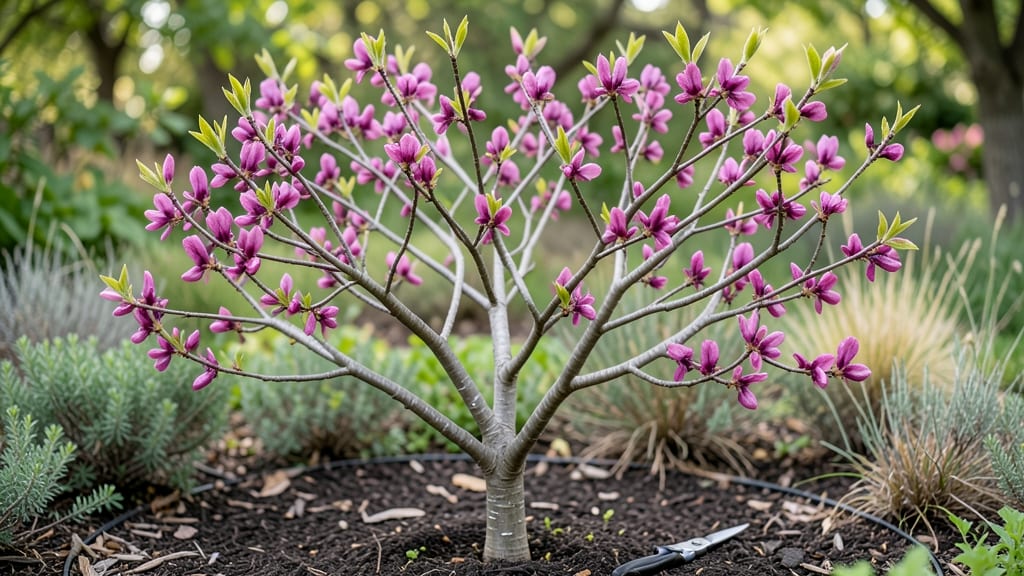
When redbud trees burst into pink-purple clouds, my neighborhood transforms into a springtime dream. 🌸 These early bloomers announce warmer days with their delicate flowers, but their magic depends on smart care—especially pruning after flowering. I’ve learned the three simple cuts that keep my tree thriving for decades.
The secret isn’t complicated: prune right after blooms fade, remove dead branches first, then shape lightly. Redbuds flower on old wood, so timing matters—wait until flowers drop before touching those branches.
My tree now blooms so heavily it rivals a magnolia, and the process takes less than 20 minutes with the right tools.
You’ll end up with a tree that puts on a show every spring, its branches heavy with blossoms and its leaves turning golden in fall. The best part? These trees handle drought once established, making them low-maintenance stars for any yard. Here’s how to keep yours looking its best.
Works in zones 4-9, from city sidewalks to rural fields. Whether you’ve got a young sapling or a mature giant, these tricks adapt easily. Let’s get that tree ready for next year’s show.
📚 In This Guide
- What you need
- Instructions
- Tips and common mistakes
- Wrapping up and next steps
What you need
- ● Pruning shears: Bypass pruners (for small branches, ¼”–½” thick)
- ● Loppers: For medium branches (½”–2” thick)
- ● Pruning saw: For thick branches (2”+ diameter)
- ● Disinfectant: 70% isopropyl alcohol or bleach solution (1 part bleach to 9 parts water)
- ○ Garden gloves: Heavy-duty, cut-resistant (optional but recommended!)
- ○ Pruning sealant: (Optional) For larger cuts to prevent disease
- ● Timing: Prune after flowering (late spring/early summer) or dormant season (winter).
- ● Weather check: Choose a dry, overcast day to minimize stress on the tree.
- ○ Safety gear: Safety glasses (optional, for debris protection).
- ● Tree health: Ensure your redbud is free of pests/diseases before pruning.
How to encourage vibrant redbud tree blooms
Here's how I coax the best springtime display from these stunning trees.
🌱 Step 1: Prune for Light Penetration in Late Winter
Timing matters most here. I prune my redbuds in late February to early March—just as buds begin swelling but before any leaves appear. This ensures the tree directs energy toward flower production rather than leaf growth. Use clean, sharp pruners to remove dead, crossing, or diseased branches first, cutting back to the branch collar where the branch meets the trunk.
Next, thin the canopy by removing 10-20% of older branches—prioritize those growing inward or rubbing against others. You'll see sunlight begin to penetrate the center immediately. This isn't about drastic shaping; redbuds naturally have an open, airy form. Just open up the tree's interior so light reaches all branches. I look for branches with multiple flower clusters and make sure they're well-lit.
☀️ Step 2: Provide Ideal Light Conditions
Redbuds thrive in full sun to partial shade, but for maximum blooms, they need at least 6 hours of direct sunlight daily. If your tree is in a shaded spot, you'll notice fewer flowers and more foliage. I've seen trees in morning sun with afternoon shade produce stunning displays, but those in deep shade often struggle.
Watch for leggy growth or branches stretching toward light—this is your signal the tree needs more sun. If you can't move the tree, consider selective pruning to remove competing shade trees or shrubs nearby. The goal is to create an environment where the redbud gets consistent light without afternoon heat stress, which can scorch leaves.
✂️ Step 3: Lighten the Canopy After Flowering
Here's the trick most gardeners miss: after the spring bloom fades, I do a second light pruning in early summer. Remove any suckers at the base and thin out some of the new growth that crowded in during spring. This prevents the tree from putting too much energy into summer foliage at the expense of next year's flowers.
I focus on thinning out rather than topping—never cut back more than one-third of the branch length in a single season. You'll see the tree develop a more open structure, which improves air circulation and reduces disease risk. This second pruning also encourages the development of next year's flower buds, which form on branches that get good light exposure.
💧 Step 4: Maintain Proper Watering and Soil Conditions
Redbuds are drought-tolerant once established, but consistent moisture during their first two years encourages strong root development and better flowering. Water deeply once a week during dry spells, providing 1-2 inches of water each time. You'll know you're doing it right when water penetrates 6-8 inches deep into the soil.
I always check the soil moisture by digging 2 inches down—if it feels dry, it's time to water. Avoid overhead watering during bloom to prevent fungal issues. Instead, use a soaker hose or drip irrigation at the base. Well-draining soil with slightly acidic to neutral pH (6.0-7.0) gives the best results. If your soil is heavy clay, amend with 2-3 inches of compost annually to improve drainage.
Tips & tricks for vibrant redbud tree blooms
These simple tricks will help you transform your redbud into a springtime showstopper—without the guesswork.
Timing is Everything: The late February to early March window for Step 1 pruning is non-negotiable. I learned this the hard way after pruning too early one year and watching buds fail to develop. Look for swollen buds that haven't yet cracked open—this is your perfect cue. If you miss this timing, you'll either stimulate leaf growth instead of flowers or risk damage from late frosts.
Branch Selection Strategy: When thinning in Step 1, prioritize branches with existing flower clusters—these are your high-yield producers. I make a point to leave at least 3-4 strong branches per section of the tree, as redbuds produce flowers on last year's growth. Remove any branches growing directly upward ("water sprouts") or those rubbing against others, as these compete for energy and can damage the tree's structure.
Light Monitoring Trick: After pruning, test your tree's light exposure by observing shadows at different times of day. Place a white sheet or light-colored fabric under the tree at midday—if you see more than 20% of the area in shade, you'll need to do more thinning. Remember, redbuds need that consistent 6 hours of direct sunlight, but afternoon heat stress can scorch leaves, so morning sun with afternoon shade often works best.
Soil Test Shortcut: For Step 4's soil conditions, you don't need a full lab test. Simply mix equal parts soil and water in a jar, shake well, and let it settle. After 24 hours, the pH level will be indicated by the color of the liquid layer: blue-green (6.0-7.0) is ideal, while yellow (acidic) or red (alkaline) means you'll need to amend your soil. For quick fixes, sprinkle wood ash around the base to raise pH slightly or use coffee grounds to lower it.
Pro Tips for Redbud Tree Flowering
- These simple tricks will help you transform your redbud into a springtime showstopper—without the guesswork.
- Timing is Everything: The late February to early March window for Step 1 pruning is non-negotiable.
- Branch Selection Strategy: When thinning in Step 1, prioritize branches with existing flower clusters—these are your high-yield producers.
Frequently asked questions
Got questions about timing, care, or maximizing those stunning blooms? We’ve got you covered! Here are some of the most common queries about redbud tree flowering—plus practical answers to help you enjoy (and extend) the show.
When do redbud trees typically flower?
Redbuds are early spring stars! They usually burst into bloom before leaves appear, often between late February and early April—depending on your climate zone. Warmer southern regions may see flowers as early as January, while colder areas might wait until April. Pro tip: Watch for swollen buds in winter to predict peak bloom time.
Why aren’t my redbud flowers opening this year?
Missing blooms? Several factors could be at play:
- Late frost: Redbuds are frost-sensitive. A surprise freeze after buds swell can damage flowers.
- Over-fertilizing: Too much nitrogen promotes leafy growth over blooms. Use a low-nitrogen fertilizer designed for flowering trees.
- Age/stress: Young trees (under 3 years) or stressed trees may delay flowering. Ensure they’re planted in well-draining soil with full sun.
If the issue persists, check for pests like spider mites or fungal diseases (e.g., powdery mildew), which can weaken the tree.
How long do redbud flowers last?
Redbud flowers are fleeting but magical! The vibrant pink-to-purple blooms typically last 1–2 weeks, though some varieties (like ‘Raspberry Red’) may linger slightly longer. To extend the show, plant multiple redbuds with staggered bloom times or pair them with early-blooming companions like serviceberry or forsythia.
Should I prune my redbud tree before or after flowering?
Timing matters! Prune right after flowering (late spring) to avoid cutting off next year’s buds, which form on old wood. Never prune in late summer or fall—this can stimulate weak, late-season growth vulnerable to winter damage. For shaping, focus on removing dead, crossing, or diseased branches first.
Can I grow a redbud tree in a container or small yard?
Dwarf varieties like ‘Little Henry’ or ‘Cherokee Brave’ thrive in containers (use a 15–20 gallon pot) or tight spaces. Just ensure:
- Full sun (6+ hours daily).
- Well-draining soil (mix in compost or sand).
- Regular watering (containers dry out faster!).
Container redbuds may flower slightly later but still deliver that show-stopping spring color!
Wrapping up and next steps
The redbud tree’s flowering is a breathtaking sign of spring, and with the right pruning tricks, you can keep your tree thriving for years to come! 🌸 From shaping its growth to encouraging vibrant blooms, these simple steps make maintenance a breeze.
Now that you’re armed with the know-how, there’s no better time to roll up your sleeves and give your tree some TLC—your future springtime show will thank you!
Ready to take action? Pick a calm day, grab your tools, and start pruning today! Your redbud will reward you with stunning pink blossoms that brighten up every season. Happy gardening! 🌿✨