
Flowers
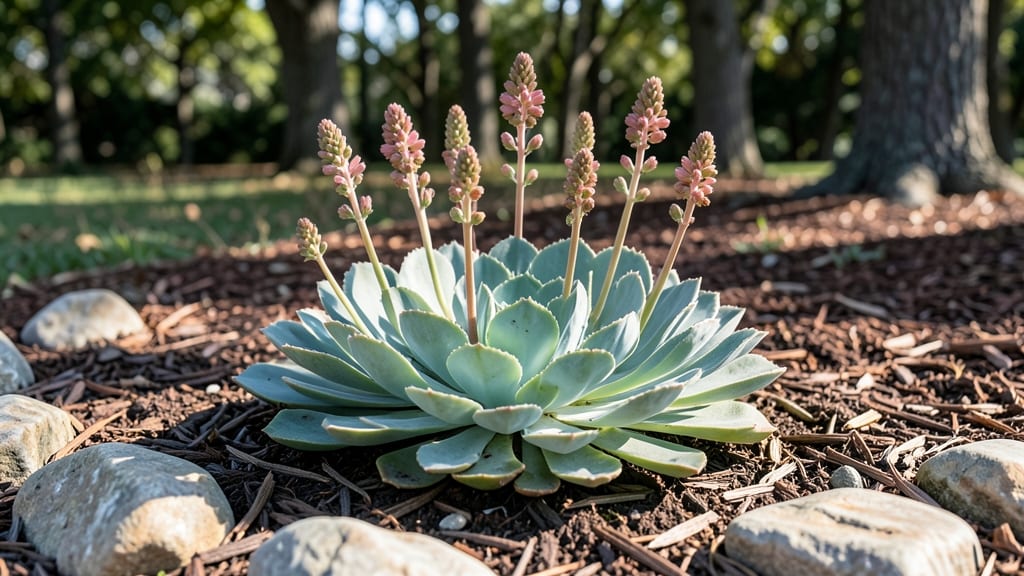
A rocky flower bed doesn't have to mean dull, lifeless gaps between stones—it can be a thriving, textured garden that blooms year-round with the right approach. I transformed my own rocky slope into a cottage-garden oasis by focusing on plants that love well-draining soil and rocks as natural mulch.
The key? Choosing the perfect plants that thrive in these conditions without needing constant care.
You'll need a mix of drought-tolerant perennials, low-growing ground covers, and rocks in various sizes to create visual interest. Start with a 2-3 inch layer of gravel for drainage, then add a lightweight soil mix that rocks won't smother.
My favorite plants include sedum, creeping thyme, and ornamental grasses—all of which spread easily and handle rocky conditions like pros. The result? A garden that looks intentional, not neglected.
What you'll end up with is a low-maintenance garden that stays vibrant through all four seasons. The rocks keep weeds down naturally, and the right plant choices mean you'll have blooms from spring through fall with minimal watering.
Plus, the textured contrast of rocks and foliage creates a striking visual impact that's perfect for slopes, borders, or even container gardens. Ready to turn those rocks into a showstopper?
This design works for small urban spaces or large rural properties—just adjust the rock sizes and plant quantities to fit your scale. The principles stay the same: prioritize drainage, choose the right plants, and let the rocks do the heavy lifting.
Here's how to make it happen without breaking a sweat.
📚 In This Guide
- What you need
- Instructions
- Tips and common mistakes
- Wrapping up and next steps
What you need
- ● Rocks & Gravel: 3–4 inches of sharp-edged river rocks (1–3" diameter) or decorative gravel (½–1" size) for drainage and texture. Aim for 5–10 bags (coverage depends on bed size).
- ● Soil: Well-draining cactus/succulent mix (avoid heavy garden soil). Use 2–3 bags (1–2 cubic feet each) for a 4’x4’ bed.
- ● Drought-Tolerant Plants: Perennials: Sedum, lavender, or Russian sage (3–5 plants).
- ● Annuals: Portulaca (moss rose) or ice plants (5–10 plants for color).
- ● Ground Cover: Thyme or creeping phlox (1 flat or 10 plants).
- ○ Mulch (Optional): Coarse bark mulch (1 bag) to suppress weeds and retain moisture.
- ● Garden shovel or spade
- ● Wheelbarrow (for hauling rocks/soil)
- ● Garden gloves & knee pads
- ● Rake (for leveling rocks)
- ● Hose with spray nozzle (for watering)
- ○ Optional: Landscape fabric (to block weeds), edging stones (for defined borders), or a tamper (to compact layers).
- ● Sunny location (6+ hours of direct sun daily).
- ● Well-draining soil (amend with sand if clay-heavy).
- ● Clear the area of weeds/grass (use glyphosate 1–2 weeks ahead if needed).
- ● Check local frost dates to time planting (spring or fall for best results).
How to design a low-maintenance rocky flower bed
This approach delivers bold seasonal interest while cutting back on watering and weeding.
Choose the Right Rocks and Base Layer
Start with a sturdy foundation using flat, durable stones like fieldstone, granite, or slate. The key is selecting rocks that complement your landscape while allowing water to drain freely. I recommend using 3-6 inch diameter stones for the base layer—these create stable footing while leaving room for plants to establish roots between gaps.
Spread a 2-3 inch layer of coarse gravel beneath the rocks to prevent soil compaction and improve drainage. This gravel layer also discourages weeds from pushing up through the stonework. For a natural look, select gravel that matches the color palette of your rocks and surrounding soil.
Select Drought-Tolerant Plants for Texture and Color
Rock gardens thrive with plants that have shallow root systems and thrive in well-draining conditions. I recommend mixing succulents, ornamental grasses, and hardy perennials for year-round interest. For example, pair sedum with lavender and Russian sage—these plants require minimal water once established and provide striking foliage and bloom cycles.
Plant in clusters of 3-5 plants per variety to create natural groupings. Space them 6-12 inches apart, depending on their mature size. Use a hand trowel to dig small holes just deep enough to cover the root ball, then fill with the surrounding soil. Avoid overwatering immediately after planting—this encourages root growth into the rocky soil.
Layer Mulch and Rocks for a Natural Look
After planting, spread a 1-2 inch layer of coarse mulch (such as decomposed granite or pine bark) over the soil surface. This helps retain moisture while suppressing weeds. Choose mulch that blends with the rock colors—lighter mulch works well with neutral stones, while darker mulch complements earthy tones.
Arrange the remaining rocks around and between plants, leaving enough space for foliage to spread. Use larger rocks as focal points and smaller ones to fill gaps. Press them gently into the soil to ensure stability, but avoid compacting the ground beneath them. A slightly uneven arrangement looks more natural than perfectly aligned stones.
Water and Maintain for Long-Term Success
Water deeply once a week during the first growing season to help plants establish roots in the rocky soil. After that, reduce watering to every 2-3 weeks, depending on rainfall. Rocky beds dry out faster than traditional gardens, so check the soil 1-2 inches deep—if it feels dry, it’s time to water.
Minimal maintenance is the goal, but occasional tasks keep the bed looking its best. Remove weeds as they appear, especially in the first year, and trim back overgrown plants in late winter to encourage fresh growth. Fertilize lightly in early spring with a slow-release, balanced fertilizer to support flowering without encouraging excessive foliage.
Tips & tricks for perfect rocky flower bed design
Creating a stunning rocky flower bed that thrives with minimal effort requires attention to detail—and these pro strategies will help you avoid common pitfalls while maximizing visual impact.
Rock Selection Strategy: When choosing your 3-6 inch diameter stones in Step 1, prioritize flat, irregularly shaped rocks over perfectly round ones. Flat stones create stable seating for plants while allowing water to drain through gaps, while rounded rocks can trap moisture against plant roots. I always look for stones with natural indentations—these become perfect spots for smaller plants to nestle into. Between us, the most stable beds use a mix of sizes: larger rocks as anchors and smaller ones to fill gaps.
Plant Placement Psychology: In Step 2, when arranging your clusters of 3-5 plants, place taller varieties like Russian sage at the back of the bed and shorter ones like sedum toward the front. This creates natural depth perception that makes the space appear larger. I've found that spacing plants 6-12 inches apart actually creates more visual interest than tightly packed arrangements—it mimics how plants grow naturally in wild landscapes. The key is to leave enough room for foliage to spread without competing for space.
Mulch Color Harmony: Your 1-2 inch mulch layer in Step 3 deserves special attention. Darker mulches like pine bark create dramatic contrast against light-colored rocks, while lighter mulches blend seamlessly with neutral stone palettes. Pro tip: I always save a small bag of mulch to touch up the bed throughout the year—this prevents soil erosion between rocks and maintains that freshly installed look. The mulch should never exceed 2 inches thick, or it can suffocate plant roots.
Watering Technique: The once-weekly watering in Step 4 requires a specific approach. Instead of light sprinkling, water deeply until moisture reaches 2 inches down—this encourages roots to grow deeper into the rocky soil. I use a soaker hose buried slightly below the mulch surface for even distribution, which prevents water from pooling around plant stems. The first year is critical: overwatering here leads to root rot, while underwatering causes plants to struggle in the rocky environment.
Pro Tips for Rocky Flower Bed
- Creating a stunning rocky flower bed that thrives with minimal effort requires attention to detail—and these pro strategies will help you avoid common pitfalls while maximizing visual impact.
- Rock Selection Strategy: When choosing your 3-6 inch diameter stones in Step 1, prioritize flat, irregularly shaped rocks over perfectly round ones.
- Plant Placement Psychology: In Step 2, when arranging your clusters of 3-5 plants, place taller varieties like Russian sage at the back of the bed and shorter ones like sedum toward the front.
Frequently asked questions
What’s the best soil mix for a rocky flower bed?
A well-draining blend is key! Use a mix of 60% inorganic gravel or crushed stone (like granite or lava rock) and 40% organic matter (compost, coconut coir, or potting soil). Avoid heavy clay—it traps moisture and suffocates roots. Pro tip: Add perlite or sand to boost drainage further!
When is the ideal time to plant in a rocky flower bed?
Spring (after the last frost) or early fall are your best bets. Rocky beds warm up faster than soil, so cool-season plants (like pansies or violas) thrive in fall, while heat-lovers (like lavender or sedum) do well in spring. Avoid planting in summer—rocks can scorch tender roots!
How often should I water a rocky flower bed?
Less frequently than traditional beds! Water deeply 2–3 times per week in summer (or when the top 2 inches of soil feel dry) and taper to once a week in cooler months. Rocks retain heat, so water in early morning to prevent evaporation. Drip irrigation works best—it delivers water right to roots without wasting it.
Can I use succulents or cacti in a rocky flower bed?
They’re perfect for rocky beds because they love drought and well-draining conditions. Pair them with sedum, hens-and-chicks, or ice plants for a low-maintenance, desert-inspired look. Just avoid overwatering—succulents hate soggy roots!
What if my rocky flower bed attracts pests like ants or slugs?
Rocks can create hiding spots for pests, but don’t worry—prevention is easy! Spread diatomaceous earth around the base (it’s non-toxic to plants), use copper barriers for slugs, or introduce beneficial nematodes. Keep the bed weed-free too—pests love overgrown areas!
How can I add color year-round in a rocky bed?
Layer plants with different bloom times! Try:
- Spring: Tulips, daffodils, or crocuses
- Summer: Petunias, lantana, or black-eyed Susans
- Fall: Mums, asters, or ornamental grasses
- Winter: Hellebores, winter jasmine, or evergreen shrubs
Wrapping up and next steps
Transforming a rocky flower bed into a vibrant, low-maintenance garden is easier than you think!
With the right plants, soil prep, and design tricks, you’ll enjoy year-round color without the fuss. 🌸 Whether you’re a seasoned gardener or just starting, this approach proves that even "tough" spaces can bloom beautifully.
Ready to take the next step? Start small—pick one corner of your yard, gather your supplies, and dive in! Before you know it, your rocky patch will be a stunning, self-sustaining oasis that turns heads (and maybe even inspires your neighbors). Happy gardening! 🌿