
Flowers
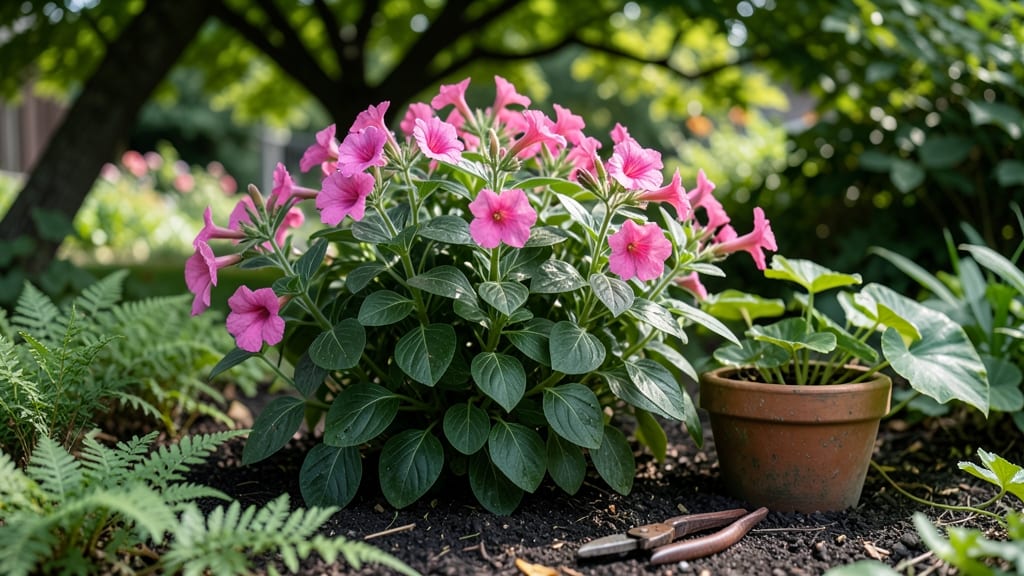
Florida’s shade gardens can burst with fragrance and color—no direct sun required. 🌿 I’ve spent years testing shade-loving blooms here, and these native picks thrive even under palm fronds or oak canopies, where heat and humidity would kill most flowers.
The key is choosing plants that love Florida’s damp air and sandy soil while delivering that intoxicating perfume all year.
Think impatiens for bright splashes of red and white, caladiums for heart-shaped leaves in jewel tones, and plumbago for sky-blue cascades that hummingbirds adore.
These work in partial shade to deep shade, from 4+ hours of dappled light to full afternoon shade, and they handle Florida’s occasional dry spells better than imported varieties. The secret? Pair them with 3-4 inches of mulch to keep roots cool and moisture locked in.
You’ll end up with a garden that smells like a Florida spring morning—jasmine-like sweetness, citrusy zing, and that earthy freshness after rain. These flowers also attract pollinators while keeping pests at bay, so your shaded spots become lively hubs, not forgotten corners.
Plus, they’re low-maintenance: water once a week in dry spells, deadhead spent blooms, and watch them thrive.
Works for patios, woodland gardens, or under large trees—just adjust spacing based on mature size. The same principles apply whether you’re filling a 6-inch pot or a 10-foot understory. Let’s make your shady spots the most fragrant part of the yard!
📚 In This Guide
- What you need
- Instructions
- Tips and common mistakes
- Wrapping up and next steps
What you need
- ● Shade-tolerant flower varieties: 3–5 plants per type (e.g., Impatiens, Fuchsia, Caladium, Begonia, or Coleus for Florida-friendly shade). Opt for native Florida species like Shrimp Plant (Justicia brandegeana) or Firecracker Plant (Russelia equisetiformis) for low-maintenance beauty.
- ● High-quality potting soil: 2–3 bags (50 lbs each) of peat-free, organic potting mix with added perlite or vermiculite for drainage. Avoid garden soil—it compacts and suffocates roots!
- ● Containers or garden beds: Containers: 10–12-inch pots (1–2 per plant) with drainage holes. Terracotta or fabric grow bags work best for airflow.
- ● Garden beds: Amend existing soil with 2–3 inches of compost and a slow-release fertilizer (10-10-10 ratio) for nutrient-rich growth.
- ● Mulch: 1–2 bags of pine bark fines or shredded leaves (3–4 inches deep) to retain moisture and regulate soil temperature.
- ● Hand trowel or transplanting spade (for digging small holes).
- ● Garden gloves (to protect hands from thorns or soil-borne pathogens).
- ● Watering can or hose with a gentle spray nozzle (avoid overhead watering to prevent fungal diseases).
- ● Pruning shears (for trimming dead leaves or shaping plants).
- ○ pH test kit (optional) – Florida’s soil is often acidic; aim for a pH of 6.0–6.5 for most shade flowers.
- ● Location scouting: Choose a spot with 2–6 hours of dappled shade (e.g., under oak trees or near north-facing walls). Avoid deep, dark shade—most flowers still need some light! 💡
- ● Watering schedule: Shade flowers need consistent moisture—water deeply 2–3 times per week (daily during Florida’s hot, humid summers).
- ● Fertilizer plan: Use a balanced liquid fertilizer (like fish emulsion) every 4–6 weeks during growing season (spring–fall).
- ● Pest watch: Keep an eye out for aphids or whiteflies—spray with neem oil if needed.
Step-by-Step guide to planting shade-loving Florida flowers
Florida's humid climate demands shade-tolerant blooms that thrive without direct sun.
🌱 Step 1: Select the Right Shade-Tolerant Varieties
Choose native Florida species like impatiens, ferns, or caladiums—these handle humidity and low light beautifully. I always opt for pre-established nursery plants because they're already adapted to Florida's soil and climate. Avoid sun-lovers like marigolds or sunflowers, which will wilt in dappled shade.
Look for plants with glossy leaves or dark foliage—these traits often indicate good shade tolerance. The first true leaves on seedlings should appear within 2-3 weeks of transplanting, signaling successful adaptation. If you're unsure, ask your nursery for "low-light" or "partial shade" labels.
🪴 Step 2: Prepare the Planting Site
Test your soil first—Florida's sandy soils drain too quickly, so amend with 2-3 inches of organic compost to retain moisture. I like to work in a handful of peat moss for extra water retention, especially in raised beds. Avoid compacting the soil when amending; just mix it in gently with a garden fork.
Choose a location with filtered light—think dappled shade from trees or east-facing spots where morning sun barely reaches. You'll know you've picked the right spot when existing shade plants thrive there. Mark the area with stakes to avoid overdigging later.
☀️ Step 3: Plant with Proper Spacing and Mulch
Dig holes twice as wide as the root ball but only as deep as the container. Gently remove plants from pots and tease apart any circling roots with your fingers. Place each plant in its hole and backfill with native soil, pressing lightly to eliminate air pockets.
Space plants 12-18 inches apart depending on mature size—closer for ground covers like sweet potato vine, wider for shrubs like abelia. Water deeply after planting to settle the soil and encourage root contact. I always add 2-3 inches of mulch (like pine straw or shredded bark) to suppress weeds and retain moisture.
💧 Step 4: Water and Maintain Moisture
Water newly planted shade flowers every 2-3 days until they establish roots, about 4-6 weeks. You'll know they're settled when new growth appears consistently. After establishment, water 1-2 times weekly, depending on rainfall—Florida's humidity means less evaporation, but sandy soil still dries fast.
Check soil moisture by sticking your finger 1 inch deep—if it feels dry, water thoroughly. Avoid overhead sprinkling, which can promote fungal diseases in humid climates. Instead, water at the base with a soaker hose or drip irrigation for targeted moisture.
✂️ Step 5: Prune and Fertilize for Continuous Bloom
Deadhead spent blooms weekly to encourage new flowers—this is especially important for impatiens and begonias. I use clean, sharp shears to cut just above the next set of leaves, which stimulates bushier growth. Never prune more than 1/3 of the plant at once to avoid stress.
Fertilize lightly every 6-8 weeks with a balanced 10-10-10 formula diluted to half strength. Over-fertilizing in shade leads to lush foliage but few flowers. Look for dark green leaves and new blooms within 3-4 weeks of feeding—this confirms you're on the right track.
Tips & tricks for perfect shade gardens in Florida
Creating a thriving shade garden in Florida's humidity takes a few key strategies that go beyond basic planting. Here's what I've learned from years of working with these delicate but resilient plants.
Soil Preparation Secret: Florida's sandy soil drains too quickly for shade plants, so the 2-3 inches of organic compost mentioned in Step 2 is non-negotiable. I take it a step further by mixing in 1 part coconut coir to the compost for extra moisture retention—this creates a sponge-like texture that holds water without becoming soggy. The key is to work this into the top 6 inches of soil, not just the surface layer. For raised beds, I actually build the entire bed with a 50/50 mix of native soil and compost to ensure consistent moisture throughout.
Plant Selection Insight: When choosing varieties in Step 1, pay special attention to the undersides of leaves—if they're light-colored or have visible hairs, the plant is likely more tolerant of Florida's humidity. I've found that caladiums with marbled leaves and impatiens with glossy foliage handle our climate best. Pro tip: Ask your nursery about "tropical shade plants"—these are specifically bred to handle our heat and humidity cycles. The 2-3 week window for first leaves is your best indicator of success, but I also watch for plants that show no signs of leaf curl or yellowing after 10 days in their new location.
Watering Strategy: The every 2-3 days watering schedule in Step 4 works, but timing matters just as much. I water my shade gardens in the early morning (between 6-8 AM) to prevent fungal issues from overnight humidity. For the first 4-6 weeks after planting, I actually set up a simple drip irrigation system on a timer—this ensures consistent moisture without the risk of overwatering. Once established, I switch to deep watering every 3-4 days during dry spells, letting the water penetrate 4-6 inches deep to encourage deep root growth. The 1-inch deep finger test is perfect, but I also look for plants that perk up noticeably after watering as a visual cue.
Mulch Maintenance: That 2-3 inches of mulch in Step 3 is fantastic for moisture retention, but don't let it become compacted or waterlogged. I refresh my mulch every 3-4 months by spreading a fresh layer over the existing one rather than removing it completely. For extra protection against Florida's fungal diseases, I use pine straw mulch which naturally repels some pathogens. The key is to keep the mulch 2 inches away from plant stems to prevent rot—this creates an air gap that helps prevent moisture buildup at the base.
Pro Tips for Shade Flowers Florida
- Creating a thriving shade garden in Florida's humidity takes a few key strategies that go beyond basic planting.
- Soil Preparation Secret: Florida's sandy soil drains too quickly for shade plants, so the 2-3 inches of organic compost mentioned in Step 2 is non-negotiable.
- Plant Selection Insight: When choosing varieties in Step 1, pay special attention to the undersides of leaves—if they're light-colored or have visible hairs, the plant is likely more tolerant of Florida's humidity.
Frequently asked questions
Got questions about growing shade-loving flowers in Florida?
You’re not alone! Here are answers to the most common queries to help you create a fragrant, sun-free garden oasis.
Can shade flowers still thrive in Florida’s humidity?
Many Florida-friendly shade flowers—like impatiens, begonias, and caladiums—are native to tropical or subtropical climates and love humidity. Just ensure good airflow to prevent fungal issues (like powdery mildew) and water at the base to avoid wetting leaves.
When is the best time to plant shade flowers in Florida?
For most shade-loving flowers, spring (March–May) and early fall (September–October) are ideal. Avoid extreme heat (summer) or cold snaps (winter), which can stress plants. Bulbs like cannas can even be planted year-round in warmer zones, but tender perennials (like fuchsias) may need winter protection.
What are the best low-maintenance shade flowers for Florida?
If you want fragrance without fuss, try:
- Sweet almond bush (Cestrum) – Fragrant, drought-tolerant, and thrives in partial shade.
- Angel’s trumpet (Brugmansia) – Night-blooming, fragrant, but needs space (can be invasive).
- Caladiums – Stunning foliage, shade-tolerant, and come in vibrant colors.
- Hosta – Hardy, low-maintenance, and great for texture.
Why are my shade flowers wilting or turning yellow?
Common culprits include:
- Overwatering – Shade gardens stay damp; ensure pots have drainage holes and soil isn’t soggy.
- Nutrient deficiency – Feed with a balanced fertilizer (like 10-10-10) every 6–8 weeks.
- Pests – Check for aphids, slugs, or fungal spots (treat with neem oil or copper fungicide).
- Too much shade – Some flowers (like impatiens) need bright indirect light; thin nearby trees if needed.
Can I grow shade flowers in containers?
Yes! Containers are perfect for Florida’s shade gardens, especially if you rent or have limited space. Use well-draining potting mix and choose compact varieties like:
- Dwarf gardenias (fragrant and heat-tolerant).
- Trailing impatiens (great for hanging baskets).
- Miniature caladiums (adds color to small pots).
Wrapping up and next steps
Transforming your Florida garden into a fragrant, sun-free oasis is easier—and more rewarding—than you think! 🌸 From the delicate blooms of Gardenia to the bold charm of Plumbago, these shade-loving flowers prove that beauty and fragrance thrive even in dappled light.
Whether you're a seasoned gardener or just starting, your next step is simple: pick a favorite, grab your tools, and let nature’s perfume fill your space year-round.
Ready to dive in? Review the essentials or clarify any doubts—then roll up your sleeves and create a garden that blooms with joy (and scent!) in every season.