
Lawn
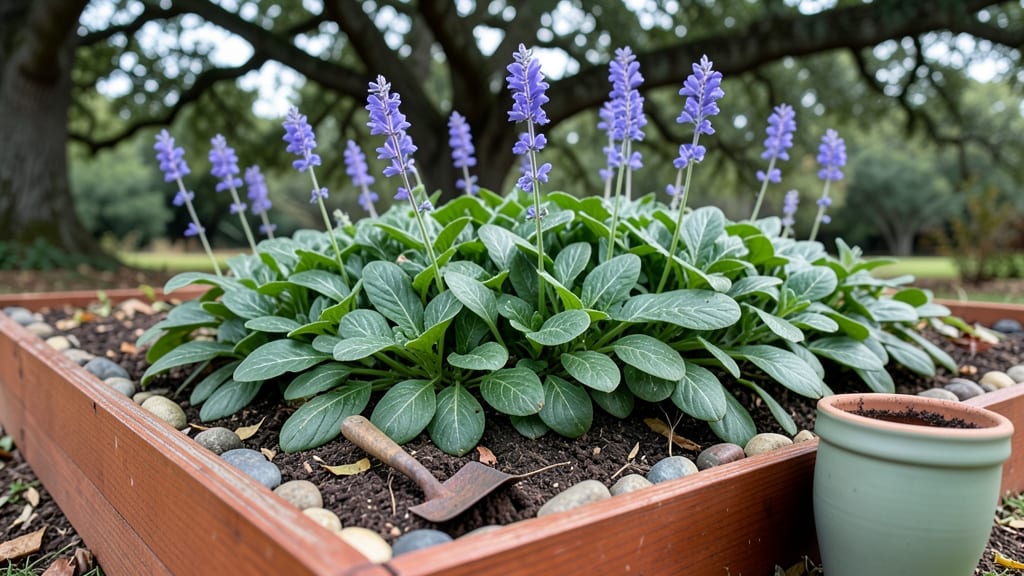
Those small purple flowers growing in your lawn aren’t just weeds—they’re nature’s way of telling you your turf needs attention, and I’ve spent years pulling clover, wild violets, and creeping Charlie by hand. watching them spread despite your best efforts.
The good news? You don’t have to resort to harsh chemicals to reclaim your lawn.
First, identify what you’re dealing with—clover thrives in compacted soil, violets love shade, and creeping Charlie spreads aggressively through runners. Once you know the enemy, you can choose your battle: smothering with thick grass, hand-pulling when soil is moist, or even embracing them as part of a low-maintenance meadow.
Organic options like corn gluten meal or vinegar sprays work too, but timing matters.
What you’ll end up with is a lawn that either looks intentional (wildflower-friendly) or finally free of those stubborn purple invaders. The key is consistency—tackle them before they go to seed, and you’ll see real progress in just a few weeks. Ready to take back your yard without toxic sprays?
Whether you’re going full lawn restoration or leaning into a more natural look, the right approach depends on your goals. Let’s figure out which path works best for your space and your patience level.
📚 In This Guide
- What you need
- Instructions
- Tips and common mistakes
- Wrapping up and next steps
What you need
- ● Hand trowel or weeding tool – A sturdy, ergonomic tool with a narrow head for precision (e.g., Fiskars X27 or similar).
- ● Garden gloves – Heavy-duty, waterproof gloves (e.g., Workrite or Glovework) to protect your hands from dirt and prickles.
- ○ Garden kneeler/pad – For comfort during close-up work (optional but highly recommended!).
- ● Bucket or trash bag – A 5-gallon bucket or heavy-duty contractor bag (13-gallon) for debris.
- ● Spray bottle – 16 oz, filled with vinegar (5% acetic acid), dish soap (1 tsp), and water (for natural weed killer).
- ● Labeling tags or markers – Small plant tags or a permanent marker to label relocated wildflowers (if saving them).
- ● Magnifying glass or phone with macro lens – To closely inspect flower structures (e.g., leaf shape, stem texture).
- ● Garden hose with adjustable nozzle – For rinsing off tools or loosening soil.
- ● Compost bin or potting soil – If you’re transplanting wildflowers to a garden bed.
- ● Natural mulch (straw or wood chips) – To suppress future weed growth in treated areas.
- ● Plant identification app – Like iNaturalist or PictureThis to confirm if your purple blooms are weeds or desirable species.
How to identify and remove those stubborn purple lawn flowers
These little purple blooms might look pretty, but they’re likely weeds stealing nutrients from your grass. Here’s how to spot them and get rid of them for good.
Confirm the Flowers Are Actually Weeds
Before you pull anything, take a closer look at those purple flowers. Many common lawn weeds—like henbit, chickweed, or violet—bloom in shades of purple, but not all are harmful. Henbit, for example, thrives in cool weather and spreads quickly, while violets are often considered harmless or even beneficial.
Check the leaf shape and growth pattern: henbit has scalloped leaves and grows in dense mats, while violets have heart-shaped leaves and a more upright habit. If the flowers are accompanied by thin, wiry stems and a rapid spread, they’re likely weeds you want to remove.
Pull or Dig Out the Weeds by Hand
For small patches, hand-pulling is the most effective and chemical-free method. Wait until after rain or water the lawn thoroughly—this makes the soil softer and easier to work with. Grasp the weed at its base, just below the soil line, and pull firmly upward. Resist the urge to yank; a gentle but steady tug prevents breaking the roots.
If the weed resists, use a trowel or garden fork to loosen the soil around it before pulling. This works best for deep-rooted weeds like dandelions or creeping charlie. Remove as much of the root as possible—even small fragments can regrow. Dispose of the weeds in the trash, not the compost, to prevent regrowth.
Prevent Regrowth with Proper Lawn Care
Weeds return because they exploit weak spots in your lawn. Start by mowing your grass at the recommended height for your type—usually 2-3 inches—to shade out weeds. A thick, healthy lawn leaves little room for invaders. Over-seed bare or thin patches in early fall with a high-quality grass seed blend suited to your climate.
Improve soil health by aerating compacted areas in the spring or fall. This allows water, air, and nutrients to reach grass roots, giving them a competitive edge over weeds. A light layer of compost can also help, but avoid thick mulch, which can smother grass and encourage weed seeds.
Apply Natural Weed Control (Optional)
For stubborn weeds, a vinegar-based spray can work as a natural herbicide. Mix 1 gallon of white vinegar, 1 cup of salt, and 1 tablespoon of dish soap in a spray bottle. Apply on a dry, sunny day to avoid damaging nearby grass. The solution kills weeds by dehydrating them, but it’s non-selective, so use it carefully around desirable plants.
Alternatively, spread corn gluten meal in early spring as a pre-emergent weed preventer. It blocks weed seeds from germinating while feeding your lawn. Apply 20 pounds per 1,000 square feet and water it in thoroughly. Reapply in fall for continued protection.
Tips & tricks for perfect purple flower removal
Real talk: those pretty purple blooms might be weeds stealing your lawn's nutrients. Here's how to tackle them like a pro.
Identification is Key: Don't grab and pull—first identify! Henbit spreads aggressively with scalloped leaves and wiry stems, while violets have heart-shaped leaves and are usually harmless. Look for rapid spread patterns—this tells you whether you're dealing with an invasive weed or just a pretty wildflower.
Timing Matters: The best time to pull weeds is after rain or thorough watering. The soil becomes softer, making it easier to grasp and remove the entire root system. I've learned this the hard way—trying to pull weeds from dry soil often leaves fragments behind that regrow. Water first, then attack!
Root Removal Technique: For stubborn weeds, use a trowel to loosen the soil around the base before pulling. This prevents breaking roots, which can lead to regrowth. I've seen people yank too hard and end up with more weeds than they started with—don't make that mistake!
Prevention Strategy: The key to long-term success is maintaining a healthy lawn. Mow at the recommended height (usually 2-3 inches) to shade out weeds, and aerate compacted areas in spring or fall. I've seen lawns transform completely after just one season of proper care—it's amazing what a little attention can do!
Pro Tips for Small Purple Flowers Growing In Lawn
- Real talk: those pretty purple blooms might be weeds stealing your lawn's nutrients.
- Identification is Key: Don't grab and pull—first identify!
- Timing Matters: The best time to pull weeds is after rain or thorough watering.
Frequently asked questions
Got questions about those unexpected small purple flowers popping up in your lawn? You’re not alone! Here are some of the most common concerns—and straightforward answers to help you tackle them like a pro.
Are these small purple flowers actually weeds, or could they be wildflowers?
Many small purple blooms, like henbit or chickweed, are weeds that thrive in lawns. However, some—like clover or violet—are harmless wildflowers that even boost soil health. Check their growth habit: Wildflowers often have broader leaves and grow in clusters, while weeds like purple deadnettle spread aggressively. If unsure, snap a photo and compare it to a plant ID app.
When is the best time to remove small purple weeds from my lawn?
Timing matters! Pull weeds before they seed (usually late spring to early summer) to prevent new growth. For perennial weeds like creeping charlie, tackle them in fall when they’re less aggressive. Pro tip: Water the area first—soil loosens, making weeds easier to uproot. Avoid pulling when the ground is frozen or waterlogged!
What’s the most effective natural way to kill these weeds without chemicals?
Skip the harsh stuff! Try these eco-friendly methods:
- Vinegar spray: Mix 1 gallon of white vinegar + 1 oz. dish soap. Spray directly on weeds (avoid desirable plants—it’ll kill them too!).
- Corn gluten meal: Sprinkle this organic pre-emergent in early spring to block weed seeds.
- Hand-pulling: Use a weeding tool on dry days for stubborn roots.
For stubborn patches, repeat treatments weekly until weeds fade. Patience is key!
Will these purple flowers come back next year if I don’t treat them now?
Absolutely—if left unchecked, many weeds like dandelions or ground ivy return stronger. Annual weeds (e.g., henbit) die back in winter but reseed prolifically. Perennial weeds (e.g., creeping charlie) spread via roots. Act now: Remove them before they establish deeper systems or release seeds. A little effort now saves hours (and frustration) later!
Can I overseed my lawn right after pulling these weeds?
Not so fast! Wait 2–4 weeks after weeding to let the soil recover. If you used vinegar or salt, flush the area with water to neutralize it. Prep your lawn first:
- Rake out debris.
- Test soil pH (ideal: 6.0–7.0).
- Apply compost or fertilizer to nourish new grass seeds.
Choose drought-resistant grass like fine fescue to outcompete weeds long-term.
Bonus Tip: Prevent future purple invaders!
Keep your lawn thick and healthy—weeds hate competition! Mow high (3–4 inches), water deeply but infrequently, and fertilize seasonally. A dense turf leaves no room for weeds to take root.
Wrapping up and next steps
Discovering small purple flowers popping up in your lawn can be frustrating, but with the right knowledge, you can turn it into an opportunity to revitalize your outdoor space naturally! 🌱 Whether they’re clover, violets, or creeping charlie, identifying and addressing them early keeps your lawn lush and healthy. Don’t let weeds win—take action today!
Ready to reclaim your lawn? Start by inspecting affected areas and applying the natural solutions you’ve learned. For stubborn patches, consider re-seeding or improving soil health—small steps lead to big results! 🌟