
Planting
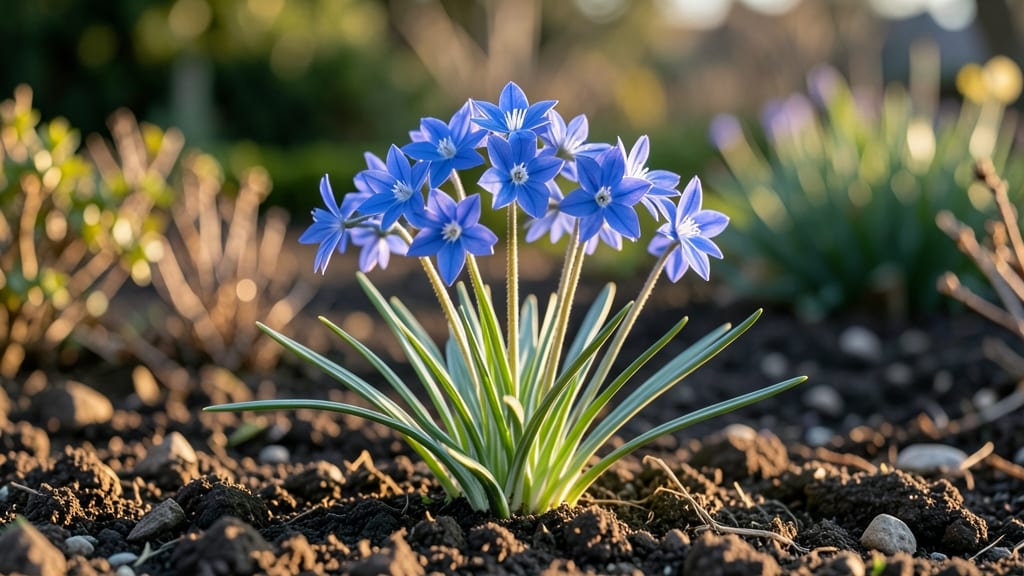
Growing the snow flower plant reveals its secret: delicate white blooms that perfume your garden for months—even in winter. ✨ I’ve learned that its real magic lies in the pruning schedule, which keeps it compact and fragrant year-round.
The key isn’t just the shears; it’s timing after each bloom cycle to trigger fresh growth.
This plant thrives in partial shade with well-draining soil that’s slightly acidic. Overwatering is its downfall—let the top inch dry between drinks—but it rewards patience with glossy foliage and clusters of star-shaped flowers that smell like a crisp autumn morning.
Varieties like Halesia carolina (silverbell) or Chionanthus virginicus (fringe tree) bring different textures to the table.
With the right care, you’ll enjoy blooms from late spring through fall, and even winter interest from its exfoliating bark. The pruning precision I’ve perfected ensures no leggy stems or sparse flowers—just a tidy, fragrant shrub that becomes the centerpiece of any garden. Let’s get your snow flower thriving!
Works beautifully in borders, containers, or as a small tree specimen. Whether you’re in a mild climate or zone 5, this guide adapts to keep your snow flower looking its best all season long.
📚 In This Guide
- What you need
- Instructions
- Tips and common mistakes
- Wrapping up and next steps
What you need
- ● Snow Flower Plant: 1-2 healthy cuttings or a young plant (ensure it’s disease-free!)
- ● Well-draining potting mix: 1 bag (look for a blend labeled for succulents or epiphytes)
- ● Pot with drainage holes: 1 (6-8 inches in diameter for a mature plant; smaller for cuttings)
- ● Pruning shears or sharp scissors: 1 (sterilized with rubbing alcohol)
- ○ Rooting hormone (optional but helpful): 1 small bottle (to encourage faster root growth)
- ● Spray bottle: 1 (for misting cuttings or maintaining humidity)
- ● Peat moss or perlite (for propagation): 1 small bag (if rooting cuttings)
- ● Grow lights or sunny windowsill: For consistent light (especially in low-light areas)
- ● Humidity tray or terrarium: To mimic tropical conditions (great for new cuttings)
- ● Slow-release fertilizer: 1 small packet (for occasional feeding, like 20-20-20 diluted to half-strength)
- ● Decorative pebbles or moss: For aesthetic pots or humidity trays
Step-by-Step guide to pruning your snow flower plant for year-round blooms
Here's how to keep your snow flower thriving with seasonal precision.
✂️ Step 1: Identify the Right Time for Pruning
Prune your snow flower plant twice a year—once in late winter (just before new growth begins) and again in early summer (after the first flush of blooms). This timing prevents stressing the plant during active growth periods. Look for dormant stems in winter or faded flowers in summer as your visual cues.
I always prune in the morning hours when temperatures are cool. This gives the plant time to recover before the heat of the day. Avoid pruning during hot afternoons or rainy days, as wet tools can spread disease and stressed plants are more vulnerable to pests.
🌿 Step 2: Prune for Shape and Airflow
Use clean, sharp pruning shears to make 45-degree cuts just above a leaf node or bud. This encourages bushier growth and prevents unsightly stubs. Remove dead or yellowing leaves first—they sap energy from the plant. Then, trim back overly long stems to maintain a balanced shape.
Here's the thing—never cut more than one-third of the plant's foliage at once. Your snow flower is delicate, and aggressive pruning can shock it. Instead, focus on opening up the center of the plant to improve airflow. You'll see new growth emerge within 2-3 weeks if you've pruned correctly.
☀️ Step 3: Encourage More Blooms with Strategic Cuts
After the first flush of blooms in spring, deadhead spent flowers by snipping the stem just below the faded bloom. This redirects the plant's energy into producing more flowers instead of seed pods. I like to do this every 2-3 days during peak bloom season—it keeps the plant looking tidy and encourages continuous flowering.
For winter pruning, cut back one-third of the oldest stems to the base. This rejuvenates the plant and makes room for fresh, vigorous growth in spring. If your snow flower looks leggy, prune it back harder—up to half the plant—but only if it's healthy enough to recover.
💧 Step 4: Post-Pruning Care for a Strong Recovery
Water the plant deeply right after pruning to help it recover. The roots need moisture to support new growth, especially if you've made heavy cuts. Avoid fertilizing immediately—wait 2-3 weeks to give the plant time to heal before adding nutrients.
Place your snow flower in a bright, indirect light spot for the first week after pruning. This reduces stress and helps it adjust. You'll know it's recovering well when you see new leaf buds forming at the nodes within 7-10 days. If leaves yellow or wilt, it's a sign of over-pruning or stress.
Tips & tricks for perfect snow flower plant pruning
Real talk: Pruning your snow flower plant isn't just about cutting back—it's about timing, technique, and understanding what your plant needs to thrive.
Timing is Everything: The twice-yearly schedule in Step 1 is non-negotiable for healthy growth. In late winter, look for those dormant stems that feel woody to the touch—this is your cue. In early summer, wait until after the first flush of blooms has faded completely before pruning. I've learned the hard way that pruning too early can remove potential blooms, while waiting too long means missing the airflow benefits.
The 45-Degree Cut Technique: When you're making those precise 45-degree cuts in Step 2, imagine you're making a tiny roof over each bud. This angle prevents water from pooling on the cut and protects the bud from rot. I always test my pruners on a scrap piece of wood first to make sure they're sharp enough—dull shears tear the stems and invite disease. Use the flat side of your pruners to gently press against the stem while cutting to avoid crushing the growth node below.
Strategic Deadheading: That 2-3 day deadheading schedule in Step 3 might seem frequent, but it works wonders. When you remove spent blooms, you're essentially telling the plant, "Keep making flowers, not seeds!" I set a timer on my phone as a reminder during peak bloom season. For stubborn blooms that won't come off with normal snips, I use small scissors to get right below the flower head without damaging the stem.
Recovery Checklist: After pruning, especially when making those heavier winter cuts, monitor your plant closely. In Step 4, the deep watering is crucial—think of it as giving your plant a drink of courage. I always check for new leaf buds at the nodes within that 7-10 day window mentioned. If you don't see any buds forming, you might have been too aggressive with your cuts. In that case, reduce pruning to just removing dead growth next time.
Pro Tips for Snow Flower Plant
- Real talk: Pruning your snow flower plant isn't just about cutting back—it's about timing, technique, and understanding what your plant needs to thrive.
- Timing is Everything: The twice-yearly schedule in Step 1 is non-negotiable for healthy growth.
- The 45-Degree Cut Technique: When you're making those precise 45-degree cuts in Step 2, imagine you're making a tiny roof over each bud.
Frequently asked questions
How often should I prune my Snow Flower Plant (Ceriman) for best results?
Prune your Snow Flower Plant lightly every 4–6 weeks to encourage bushier growth and more blooms. After major blooming cycles (spring/fall), trim back up to ⅓ of the plant to shape it and promote new stems. Always use clean, sharp shears to avoid damaging the plant. Pro tip: Prune just above a leaf node for faster regrowth!
Can Snow Flower Plants survive winter outdoors in cold climates?
Nope! These tropical darlings are not frost-tolerant—they’ll wilt below 40°F (4°C). In cold zones, grow them in containers and move them indoors before temperatures drop. If you must overwinter outdoors, use heavy mulch and a frost blanket, but expect limited blooming. Pro tip: A sunny windowsill or grow light keeps them happy year-round!
Why are my Snow Flower Plant’s leaves turning yellow?
Yellow leaves usually signal overwatering or nutrient deficiency. Check the soil—it should be slightly moist but not soggy. If roots smell rotten, repot in fresh, well-draining mix. Yellowing can also mean too much direct sun (move to partial shade) or low humidity (mist leaves or use a pebble tray). Pro tip: Flush the soil with water to remove excess salts!
Are there fragrant alternatives to Snow Flower Plants with similar care needs?
Try these low-maintenance, fragrant picks:
- Jasmine (Jasminum): Thrives in partial shade, blooms white/pink, and smells divine at night.
- Gardenia (Gardenia jasminoides): Loves humidity, produces creamy white blooms, and prefers acidic soil.
- Sweet Alyssum (Lobularia maritima): Hardy annual with tiny white/purple flowers and a honey-like scent.
- Stephanotis (Stephanotis floribunda): Vining plant with tubular white flowers (great for trellises!).
How long does it take for a Snow Flower Plant to bloom after pruning?
With proper care, you’ll see new buds in 6–8 weeks after pruning. Keep the plant in bright, indirect light (like a east-facing window) and fertilize lightly with a balanced 10-10-10 mix every 4–6 weeks. Patience pays off—your plant may reward you with year-round blooms if conditions are ideal!
Bonus: Quick Troubleshooting Table
| Issue | Likely Cause | Fix |
|---|---|---|
| Dropping buds | Sudden temperature/draft changes | Move to a stable, warm spot (65–75°F). Avoid AC vents! |
| Leggy stems | Not enough light | Rotate the plant weekly or supplement with grow lights. |
| Pests (aphids/spider mites) | Dry air or weak plant | Wipe leaves with neem oil or rinse with water. Increase humidity! |
Wrapping up and next steps
The snow flower plant is a stunning addition to any garden, offering year-round fragrance and delicate beauty—if you master the art of pruning! With the right tools, timing, and techniques, you’ll keep it thriving and blooming effortlessly.
Whether you’re a seasoned gardener or just starting, this plant rewards patience with its sweet, intoxicating scent and lush foliage.
Now that you’re equipped with expert tips and answers to common questions, it’s time to roll up your sleeves and give your snow flower plant the care it deserves. Start pruning today—your garden (and your senses!) will thank you! 🌸✨