
Planting
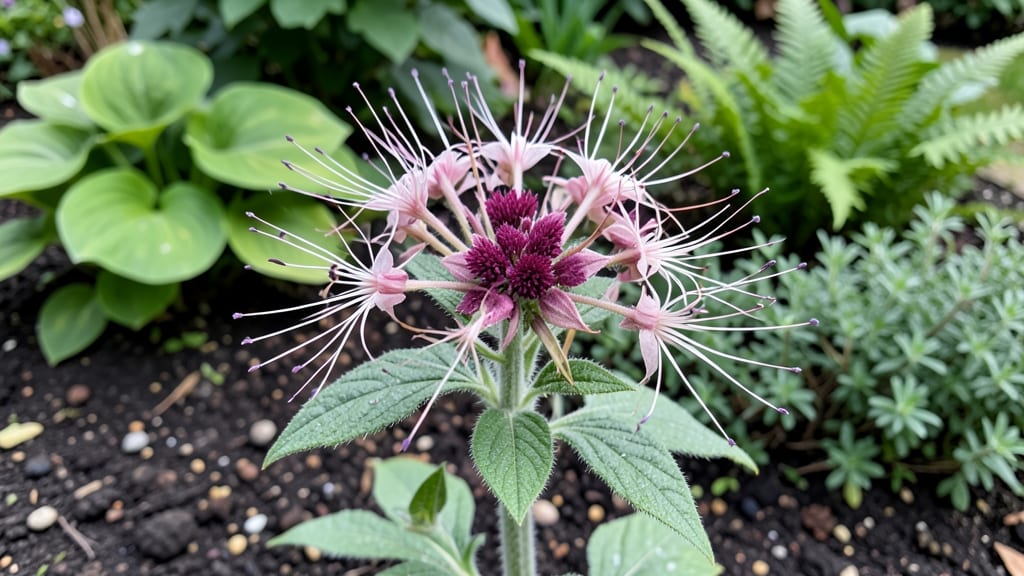
The spider flower plant (Cleome hassleriana) turns summer gardens into whimsical pink clouds with its towering, airy blooms and dramatic seed pods.
I fell for it the first time I saw one swaying in a heatwave—it thrives when most flowers wilt, and the more you deadhead, the more it produces. That first flush of pink spikes feels like a reward for doing almost nothing.
This plant is shockingly easy to grow once you know its secrets: full sun, well-draining soil, and occasional watering. It handles drought like a champ, making it perfect for hot climates or forgetful gardeners.
Start seeds indoors 6-8 weeks before last frost or sow directly after soil warms, and watch those spiky stems reach 3-5 feet tall in just a few months. The key? Don’t fuss over it—it rewards neglect with nonstop blooms.
By midsummer, you’ll have a dramatic floral display that hummingbirds adore and neighbors will envy. The flowers fade to seed pods that add rustic texture, while the foliage stays lush even in 90°F+ heat.
Prune lightly after blooming to encourage a second flush, and save those pods for next year’s seeds—nature’s free plant starter. It’s the kind of plant that makes gardening feel effortless.
Works in borders, containers, or as a backdrop for shorter perennials. Just give it space—those stems don’t like being crowded. Here’s how to make yours thrive from seed to seed pod.
📚 In This Guide
- What you need
- Instructions
- Tips and common mistakes
- Wrapping up and next steps
What you need
- ● Spider flower seeds: 10-20 seeds (or 1-2 seed packets for a fuller look). Choose heirloom or dwarf varieties if space is limited.
- ● Well-draining potting mix: 5-10 gallons, depending on pot size (avoid heavy clay soil—mix in perlite or sand for aeration).
- ● Containers or garden bed: Containers: 5-10 gallon pots (with drainage holes) for each plant or cluster.
- ● Garden bed: Full sun spot (6+ hours daily) with loose, fertile soil.
- ● Organic fertilizer: Balanced 10-10-10 or slow-release granules (1 tbsp per plant at planting).
- ● Watering can or hose: With a gentle spray nozzle (avoid soaking the soil—these plants hate soggy roots!).
- ○ Gloves (optional): For handling seeds or soil (some gardeners prefer seed-starting trays for early growth).
- ● Pruning shears: To trim spent blooms and encourage bushier growth (sterilize blades with rubbing alcohol).
- ○ Mulch (optional): Straw or shredded bark to retain moisture and suppress weeds.
- ○ Support stakes (optional): Tall varieties may need lightweight bamboo stakes if they flop in windy areas.
- ○ Sunlight meter (optional): To confirm your planting spot gets enough light (spider flowers thrive in full sun!).
How to cultivate a thriving spider flower canopy
Here's the foolproof approach to growing these heat-loving perennials into a lush, flowering spectacle.
🌱 Step 1: Select the Perfect Planting Location
Spider flowers (Cleome hassleriana) demand full sun exposure—at least 6-8 hours of direct sunlight daily. Choose a site that receives morning sun and afternoon shade if you live in extremely hot climates, as the foliage can scorch under relentless midday rays. The plant's natural habitat is open, sunny meadows, so mimic those conditions by avoiding crowded garden beds where air circulation suffers.
Test your site by observing how other sun-loving plants perform there. If marigolds or zinnias thrive, your spider flowers will too. The soil should drain quickly but retain some moisture—amend heavy clay with 2-3 inches of compost to improve structure. I always work in a 5-1 inch layer of compost before planting to give roots a nutrient boost right from the start.
☀️ Step 2: Prepare Soil and Plant at the Right Time
Spider flowers establish best when planted after the last frost date in your region, typically mid-to-late spring. The soil temperature should be consistently above 60°F—you can check this with a soil thermometer or simply wait until you can comfortably keep your hand in the soil for 10 seconds without discomfort. Cold soil slows root development and makes plants vulnerable to rot.
Dig a hole twice as wide as the root ball but only as deep as the container the plant came in. This prevents burying the stem too deeply, which can cause stem rot. Gently remove the plant from its container and loosen any circling roots with your fingers. Place it in the hole so the top of the root ball sits level with the surrounding soil—never mound soil against the stem.
💧 Step 3: Establish Proper Watering Routine
Here's the thing—spider flowers are drought-tolerant once established, but they need consistent moisture during their first 4-6 weeks to develop strong roots. Water deeply 2-3 times per week, providing about 1 gallon per plant each time. The key is to soak the root zone completely, encouraging roots to grow downward rather than staying shallow.
Check moisture by sticking your finger 2 inches into the soil. If it feels dry at that depth, it's time to water. Avoid wetting the foliage, especially in the evening, as this invites fungal diseases. I use a soaker hose positioned at the base of plants to deliver water directly to the roots without disturbing the soil surface.
✂️ Step 4: Prune for Bushier Growth and Extended Bloom
Pinch back the top sets of leaves when plants reach 12-18 inches tall to encourage branching. This simple step transforms leggy seedlings into bushy, multi-stemmed plants that produce far more flowers. Use clean, sharp pruners and make cuts just above a leaf node where new growth will emerge. Remove only the top 2-3 inches of growth—you're not trying to stunt the plant, just redirect its energy.
Deadhead spent flowers regularly by snipping the entire flower stem back to the nearest leaf. This prevents seed formation and encourages the plant to produce continuous blooms throughout the growing season. I deadhead every 7-10 days during peak flowering, which typically lasts from mid-summer until frost. The more you remove, the more the plant will reward you with fresh blossoms.
🪴 Step 5: Overwintering for Multi-Year Growth
In colder climates (zones 7 and below), spider flowers are typically grown as annuals, but with proper care, they can overwinter as short-lived perennials. After the first frost blackens the foliage, cut back stems to 4-6 inches tall and apply a 3-inch layer of mulch around the base. This protects the crown from freezing temperatures and insulates the soil.
In spring, remove the mulch when new growth appears, usually around late winter to early spring. Water lightly to help the plant wake up, and you'll often see fresh growth emerging within 2-3 weeks. While these plants may not live beyond 2-3 years, proper overwintering care gives you a head start each season and can produce earlier, more vigorous blooms.
Tips & tricks for perfect spider flower cultivation
These essential strategies will help you transform your spider flowers from delicate seedlings into a vibrant, heat-resistant floral display that lasts all season.
Light Management: While spider flowers thrive on full sun, I've found that in regions with intense afternoon heat, providing some afternoon shade during their first two weeks helps prevent leaf scorch. Use shade cloth rated for 30-50% coverage if your area experiences temperatures consistently above 95°F. The plants will quickly outgrow this need once established, but that initial protection makes all the difference in their survival rate.
Soil Preparation Insight: The 5-1 inch layer of compost mentioned in Step 1 isn't just about nutrients—it's about creating the perfect soil texture. I recommend mixing in perlite or coarse sand if your native soil is particularly dense. This improves drainage while maintaining moisture retention, which is crucial during those first critical 4-6 weeks when roots are developing. Think of it as giving your spider flowers a well-aerated foundation to grow into.
Pruning Technique: When pinching back those top sets of leaves at 12-18 inches tall, I've learned to make the cut just above a set of leaves that's facing outward rather than inward. This encourages new growth to emerge in a more outward direction, creating that bushier, fuller canopy we're all after. It's a small detail, but it makes a noticeable difference in how compact and flower-filled your plants become.
Watering Timing: The 2-3 times per week watering schedule works beautifully, but I've found the best time to water is actually in the early morning. This gives the foliage plenty of time to dry completely before evening, which significantly reduces the risk of fungal diseases. The 1 gallon per plant measurement is perfect—just be sure to water slowly to allow absorption rather than letting it run off the surface.
Pro Tips for Spider Flower Plant
- These essential strategies will help you transform your spider flowers from delicate seedlings into a vibrant, heat-resistant floral display that lasts all season.
- Light Management: While spider flowers thrive on full sun, I've found that in regions with intense afternoon heat, providing some afternoon shade during their first two weeks helps prevent leaf scorch.
- Soil Preparation Insight: The 5-1 inch layer of compost mentioned in Step 1 isn't just about nutrients—it's about creating the perfect soil texture.
Frequently asked questions
Got questions about growing and caring for your spider flower plant (Cleome hassleriana)? Here are some of the most common ones—and their answers—to help you keep your bold pink blooms thriving!
How fast does a spider flower plant grow?
A spider flower plant is a fast grower! From seed, you can expect to see sprouts in 7–14 days, and mature plants (3–5 feet tall) in just 60–90 days under ideal conditions. For bigger blooms, pinch back young plants to encourage bushier growth. Pro tip: Plant seeds directly in the ground after the last frost for the quickest results!
When is the best time to plant spider flowers?
Spider flowers are warm-season lovers—plant them after the last frost when soil temps are above 50°F (10°C). Start seeds indoors 4–6 weeks before your last frost date if you’re in a cooler climate. They thrive in full sun (6+ hours daily) and can’t handle frost, so wait until spring!
Why aren’t my spider flowers blooming?
If your plant is tall but no flowers appear, check these fixes:
- Not enough sun: Spider flowers need full sun—move to a sunnier spot.
- Over-fertilizing: Too much nitrogen = leafy growth, not blooms. Use a low-nitrogen fertilizer or none at all.
- Deadheading needed: Snip spent blooms to encourage more flowers.
- Stress: Check for pests (aphids, spider mites) or underwatering.
Can spider flowers grow in containers?
Yes! Spider flowers adapt well to containers as long as the pot is at least 12–18 inches deep with drainage holes. Use a lightweight potting mix and place the container in full sun. Just be prepared to stake or cage them—they can get top-heavy and flop over!
Are spider flowers toxic to pets or humans?
Good news: Spider flowers are non-toxic to both cats and dogs (and humans!). However, while they’re safe, some pets may chew on the leaves. If you notice your pet nibbling, consider placing the plant where they can’t reach it.
How do I overwinter spider flower plants?
Spider flowers are annuals in most climates, but if you’re in a mild winter zone (USDA zones 9–11), they may reseed themselves or survive with light frost protection. In colder areas, save seeds or treat them as annuals. Pro tip: Let some flowers go to seed—you’ll get free plants next year!
What are some good alternatives to spider flowers?
If spider flowers aren’t your style, try these heat-loving, drought-tolerant bloomers:
- Lantana – Drought-resistant, long-blooming, and butterfly-friendly.
- Zinnia – Easy to grow, cut-and-come-again blooms.
- Portulaca (Moss Rose) – Thrives in poor soil and intense heat.
- Salvia – Tall spikes with vibrant colors and hummingbird appeal.
Wrapping up and next steps
The spider flower plant isn’t just a stunning addition to your garden—it’s a resilient, heat-loving superstar that rewards you with vibrant pink blooms and easy-care charm. Whether you’re a seasoned gardener or just starting, this plant proves that beauty and simplicity go hand in hand.
Ready to transform your outdoor space? Grab your gloves, pick a sunny spot, and get planting! 🌸
- Next step: Start with a healthy spider flower plant (or seeds!) and watch your garden bloom with bold, fiery pink canopies.
- Pro tip: Share your progress with fellow plant lovers—inspiration spreads faster together! 🌿