
Flowers
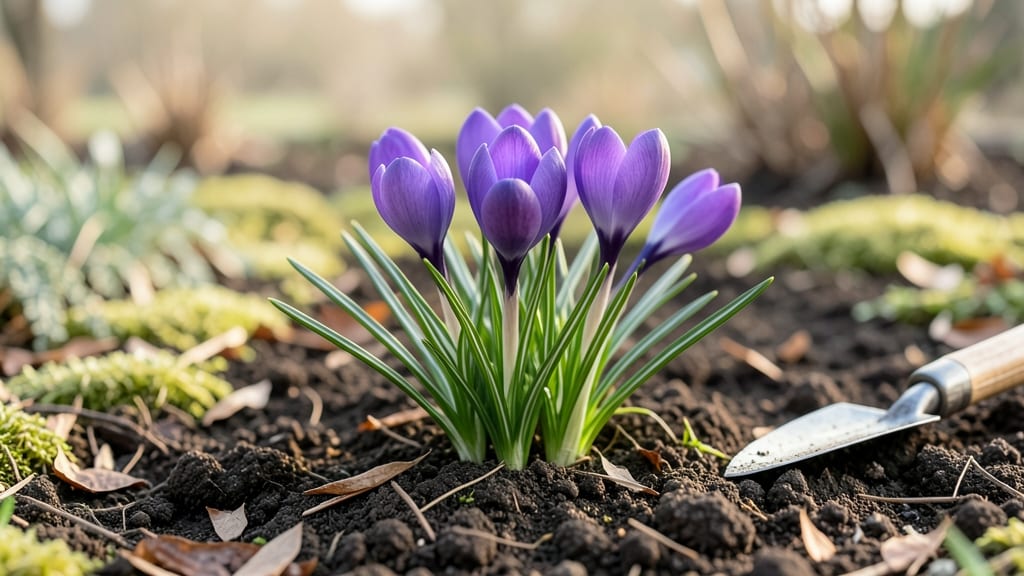
When those bold purple spires push through snow-packed soil, you know spring has arrived. 🌱 Spring crocus flowers are the unsung heroes of early gardens, blooming weeks before tulips or daffodils—often while the ground is still cold.
Their hardy nature makes them perfect for gardeners eager to welcome color after winter's gray monotony.
Planting them in late summer or early fall gives roots time to establish before winter, while their shallow needs mean they thrive in poor soil or even cracks in pavement.
Just 4-6 hours of sunlight daily keeps them happy, and they pair beautifully with hellebores or winter pansies for a seamless transition from dormancy to bloom.
By late winter, you'll see those first vibrant purple cups breaking through, signaling it's time to prep the rest of your garden. Their early blooms also attract pollinators, giving bees a much-needed jumpstart after hibernation.
The secret? Plant in clusters for maximum impact, and avoid overwatering—they prefer dry conditions once established.
Whether you're a first-time gardener or a seasoned pro, spring crocus are the easiest way to turn a dull corner into a burst of life. Their timing and care make them the perfect bridge between winter and the full garden season ahead.
📚 In This Guide
- What you need
- Instructions
- Tips and common mistakes
- Wrapping up and next steps
What you need
- ● Spring crocus bulbs: Choose Crocus vernus (Dutch crocus) or Crocus tommasinianus (tommasini crocus) for vibrant purple blooms. Buy 10–20 bulbs per square foot for a lush carpet effect.
- ● Well-draining soil: Amend heavy clay soil with 1–2 inches of compost or sand to prevent bulb rot.
- ● Garden trowel or bulb planter: A 3–4 inch shovel works best for digging holes.
- ○ Garden gloves: Optional but recommended to protect your hands from sharp soil.
- ● Measuring tape or ruler: For digging holes 3x deeper than the bulb’s height (typically 3–4 inches).
- ○ Mulch (optional): A light layer of straw or shredded leaves (1 inch) to retain moisture and deter weeds.
- ● Watering can with a fine rose: For gentle watering after planting (avoid soaking the bulbs).
- ○ Fertilizer (optional): A balanced, low-nitrogen fertilizer (5-10-10) at planting time—use ½ teaspoon per bulb.
- ● A sunny to partially shaded spot (6+ hours of sunlight for best blooms).
- ● Fall planting timing: Crocus bulbs thrive when planted in September–October (6–8 weeks before frost).
- ● Drainage test: Ensure your garden area isn’t soggy—water should drain within 1–2 hours.
Step-by-Step guide to planting and caring for spring crocus
Here's how to coax those bold purple blooms through your garden soil before most other flowers even think about waking up.
🌱 Step 1: Plant Corms in Fall for Spring Blooms
Timing is everything with crocus—plant them in late fall, about 6-8 weeks before your first hard frost. Choose a spot with full sun to partial shade (they tolerate light shade better than full shade). Dig holes 3-4 inches deep—crocus corms need this depth to overwinter safely.
Space corms 3-4 inches apart in rows if planting multiple. I like to plant them in clusters of 3-5 for a natural look. Tap the corms gently into place so they sit upright—pointy end up—and cover with soil. Water lightly after planting to settle the soil around them. Here's the thing—don't overwater now. You're just getting them established for winter dormancy.
☀️ Step 2: Provide Winter Protection and Early Spring Light
Crocus need a cold period to bloom properly, so no extra mulch or covering unless your winters are unusually harsh. In zones with extreme cold, add a 2-3 inch layer of straw mulch after the ground freezes to prevent heaving. This protects the corms without smothering them.
Once spring arrives, watch for green shoots breaking through the soil—usually in late winter to early spring. This is your signal that the corms have survived winter. At this point, they need bright light to encourage blooming. If your garden gets afternoon shade, consider moving potted crocus to a sunnier spot temporarily. You'll see the first purple spires appear in 3-4 weeks after shoots emerge.
💧 Step 3: Water and Feed for Maximum Blooms
Water crocus sparingly during their active growth phase. They have thick, fleshy corms that store moisture, so overwatering is more dangerous than underwatering. Give them ½ inch of water per week, delivered directly to the soil (not the leaves). You'll know you've got it right when the soil feels slightly moist but not soggy 1 inch below the surface.
Feed with a balanced 10-10-10 fertilizer when the first blooms appear. Sprinkle ¼ teaspoon per plant around the base and water lightly to incorporate. This gives them a boost for next year's blooms. Real talk: Crocus are low-maintenance, but this extra step ensures you'll get bold, vibrant blooms year after year.
✂️ Step 4: Deadhead and Prepare for Next Season
After blooming, let the foliage die back naturally—don't cut it until it turns completely brown. The leaves photosynthesize and store energy in the corms for next year's flowers. This usually takes 6-8 weeks after blooming. You'll know it's time to cut when the leaves are crispy and brown, not just yellow.
Trim the dead foliage down to 1 inch above the soil with clean shears. This keeps the garden tidy while allowing the corms to recharge. In late summer, apply a 2-3 inch layer of compost around the planting area. This improves soil structure and provides nutrients for next fall's planting. I always mark crocus beds with small stakes so I don't accidentally disturb them during summer gardening.
Tips & tricks for perfect spring crocus blooms
These little secrets will help you turn your fall planting into a stunning spring display of purple spires.
Timing is Everything: The 6-8 week window before your first hard frost is non-negotiable for successful crocus planting. Check your local frost dates and mark your calendar—planting too early means the corms might sprout before winter sets in, while planting too late risks them not getting enough cold exposure to bloom properly. I always set a reminder for this exact timeframe so I don't miss the window.
Corms Need Proper Orientation: That pointy end must go up! Crocus corms have a natural orientation that determines whether they'll sprout or rot. When planting in Step 1, make sure each corm sits with its pointed tip facing upward. If you accidentally plant them upside down, they won't bloom—though they might still grow foliage. A quick visual check before covering with soil saves you from this common mistake.
Light Boost for Shady Gardens: In Step 2, if your garden gets afternoon shade, consider using reflective surfaces like white garden markers or even a temporary move to a sunnier spot. Crocus need bright light to trigger blooming, especially after those green shoots appear. I've seen dramatic differences in bloom production just by moving potted crocus to a sunnier location for a few weeks before their expected bloom time.
Watering Wisdom: The ½ inch per week guideline in Step 3 is perfect, but timing matters too. Water in the morning so the soil has time to dry slightly before evening. Wet foliage at night can encourage fungal issues, and crocus corms store moisture well—so they're more drought-tolerant than you might think. The key is keeping the soil consistently moist but never soggy at that 1-inch depth.
Pro Tips for Spring Crocus Flower
- These little secrets will help you turn your fall planting into a stunning spring display of purple spires.
- Timing is Everything: The 6-8 week window before your first hard frost is non-negotiable for successful crocus planting.
- Corms Need Proper Orientation: That pointy end must go up!
Frequently asked questions
Got questions about spring crocus flowers?
You’re not alone! Here are answers to the most common queries about these early bloomers—from planting tips to troubleshooting tricks.
When is the best time to plant spring crocus bulbs?
Plant them in fall (4–6 weeks before the first hard frost) for a spring surprise. Aim for well-draining soil and a depth of 3–4 inches, with the pointed end up. Early planting ensures they’ll naturalize and return year after year!
Why aren’t my crocus flowers blooming this year?
Crocus may skip blooming if they’re too deep in the soil, overcrowded, or lack sunlight. Check their depth (they need shallow roots!) and ensure they get at least 6 hours of sun. Patience helps—some bulbs take 2–3 years to fully establish.
Can I grow spring crocus in containers or pots?
Use well-draining pots (with drainage holes) and plant bulbs close together. Add a layer of gravel at the bottom to prevent rot. Move pots to a sunny spot in spring, then store them in a cool, dry place over summer.
Are spring crocus flowers toxic to pets or children?
Yes, crocus bulbs (especially autumn crocus) contain colchicine, a toxin harmful to pets and kids if ingested. Spring crocus (like Crocus vernus) is non-toxic, but always supervise curious pets or little hands around gardens!
What can I plant with spring crocus for a stunning combo?
Pair them with heaths, dwarf daffodils, or periwinkle for early-season color. They also look gorgeous under deciduous trees (where sunlight is dappled) or alongside gravel paths for a natural, low-maintenance look.
Wrapping up and next steps
Spring crocus flowers are more than just cheerful harbingers of spring—they’re resilient, versatile, and effortlessly stunning. Whether you’re growing them for their vibrant purple spires, early pollinator support, or low-maintenance charm, these flowers prove that beauty doesn’t require complexity.
Now that you’re armed with tips and answers, why not plant a few this season? Grab your gloves, pick a sunny spot, and let nature’s tiny masterpieces brighten your world—one bloom at a time! 🌸