
Planting
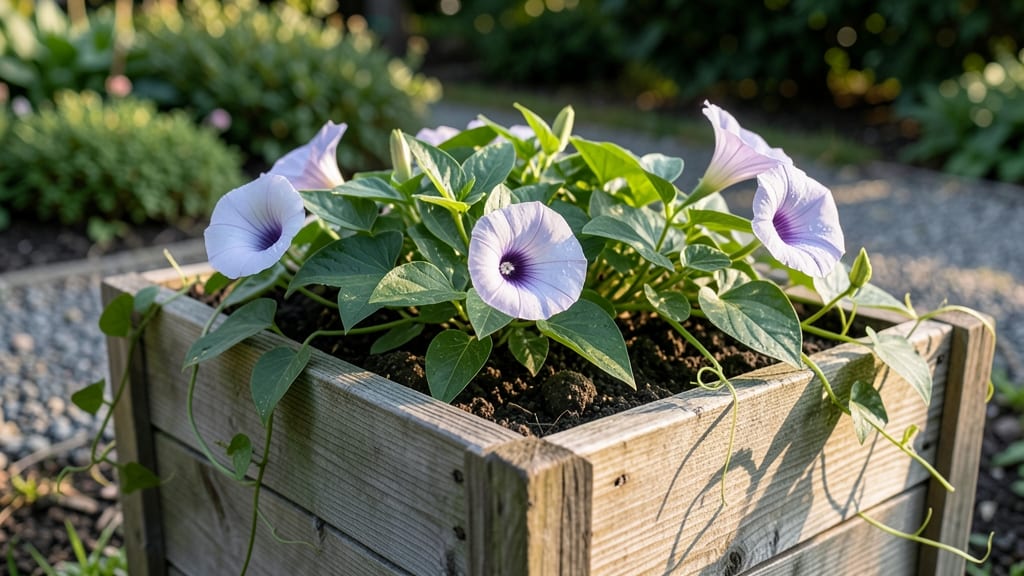
The star flower plant’s dramatic purple spires make it a container gardener’s secret weapon—especially when you learn how to coax those showstopping blooms year after year. 🌿 I’ve grown mine in everything from hanging baskets to window boxes, and the key isn’t just pretty pots—it’s matching the plant’s love of bright light, well-draining soil, and consistent moisture without soggy roots.
You’ll need morning sun exposure (at least 4-6 hours) and a mix of potting soil with perlite or sand to keep roots happy. Water when the top inch feels dry, but avoid letting it sit in water—root rot is the silent killer of these beauties.
Propagation’s easy too: just pinch off healthy stems, dip in rooting hormone, and place in moist soil.
By midsummer, you’ll have towering cascades of star-shaped blooms that attract hummingbirds and keep flowering until frost. The foliage stays lush and green, even in heat waves, as long as you deadhead spent blooms regularly. Containers keep them tidy and mobile—perfect for patios or balconies.
Winter care’s simple: move pots indoors near a sunny window or trim back growth by half to encourage fresh spring shoots. No fancy equipment needed—just a little attention to light and water. Ready to grow yours?
📚 In This Guide
- What you need
- Instructions
- Tips and common mistakes
- Wrapping up and next steps
What you need
- ● Star flower plant (Ipomoea batatas) – 1-3 tubers or rooted cuttings (ensure they’re disease-free and firm to the touch).
- ● Container – 1-2 large pots (12"+ diameter) with drainage holes or a raised bed (if planting outdoors).
- ● Potting mix – 2-3 bags of well-draining, nutrient-rich soil (look for a mix labeled for tropical plants or container gardening).
- ● Slow-release fertilizer – 1 packet (10-10-10 or organic options like composted manure).
- ● Mulch – 1 bag of organic mulch (e.g., straw or shredded bark) to retain moisture.
- ● Gloves – 1 pair (to protect your hands from soil and thorns).
- ● Trowel or small shovel – 1 (for planting and soil adjustments).
- ● Watering can or hose with a gentle spray nozzle – 1 (star flowers love hydration!).
- ○ Support structure (optional) – Trellis, stakes, or a small cage (if you want to train vines vertically).
- ○ Plant labels (optional) – 1-2 (to track varieties if experimenting with colors!).
- ● A sunny spot – At least 6+ hours of direct sunlight daily (partial shade works in hot climates).
- ● Warmth – Star flowers thrive in temperatures between 70°F–90°F (21°C–32°C) (avoid frost!).
- ● Patience – Tubers take 4–6 weeks to sprout and 3–4 months to bloom fully.
Step-by-step guide to growing star flower plant in containers
Here's how to coax those striking purple blooms into containers with minimal fuss.
🌱 Step 1: Choose the Right Container and Soil Mix
The star flower (Ixora coccinea) thrives in 6-8 inch deep containers with drainage holes—unglazed terra cotta works best. I avoid plastic because it traps moisture and encourages root rot. Fill the pot with a well-draining potting mix (equal parts peat moss, perlite, and coco coir) to prevent soggy roots.
Tap the container gently after filling to settle the mix without compacting it. The surface should feel slightly firm but still crumbly. If your mix feels dense, stir in an extra 20% perlite to improve aeration. Star flowers hate wet feet, so this step is critical—don’t skip it.
☀️ Step 2: Position for Bright, Indirect Light
Place your container in bright, indirect light for the first week after planting. Star flowers love sun but can scorch if exposed too quickly. A south- or east-facing window with sheer curtains works perfectly. If you notice leaves curling or turning yellow, the light is too harsh—move it back a few feet.
After two weeks, gradually introduce morning sunlight for 2-3 hours daily. You’ll see new growth within 3-4 weeks when positioned correctly. Avoid deep shade—star flowers need at least 6 hours of filtered light to bloom consistently. If your space is dim, supplement with a grow light 12 inches away for 8 hours daily.
💧 Step 3: Water Deeply and Maintain Consistent Moisture
Water your star flower when the top 1-2 inches of soil feel dry to the touch. Stick your finger in—if it comes out clean, it’s time. I water deeply until liquid runs from the drainage hole, then empty the saucer to prevent root rot. Overwatering is the #1 killer of container-grown star flowers.
Mist the leaves weekly to recreate humidity, especially in dry climates. You’ll know moisture is right when the soil feels damp but not soggy. Star flowers are drought-tolerant once established, but they reward consistent care with bold, continuous blooms from spring to fall.
✂️ Step 4: Prune and Fertilize for Bushier Growth
Pinch back leggy stems by one-third in early spring to encourage bushier growth. Use clean, sharp scissors and cut just above a leaf node. This step is key—star flowers grow wild if unchecked, and pruning keeps them compact and flowering heavily.
Feed every 4-6 weeks with a balanced liquid fertilizer (10-10-10) diluted to half-strength. You’ll see new leaves and buds within 2-3 weeks of fertilizing. Avoid over-fertilizing—yellow leaves or slow growth means you’ve overdone it. Flush the soil with water after each feeding to prevent salt buildup.
🪴 Step 5: Overwinter for Next Season’s Blooms
Move your star flower indoors before temperatures drop below 50°F. Place it near a bright window or under grow lights. Reduce watering to every 10-14 days—the plant enters dormancy naturally. Prune again in late winter to shape the plant before spring growth resumes.
Here’s the thing—star flowers are tropical and need warmth to rebloom. If you keep it in a cool, dark corner, it’ll struggle. A warm, sunny windowsill (60-70°F) is ideal. With proper overwintering, you’ll have another season of vibrant purple spires come spring.
Tips & tricks for thriving star flower plants in containers
Here's what I've learned after years of growing these vibrant tropical beauties—small details make all the difference.
Container Material Matters: While terra cotta is ideal, avoid glazed ceramic containers—they don't breathe as well. If you must use plastic, add extra perlite (up to 30%) to your mix and check soil moisture more frequently. I've seen star flowers in plastic pots develop root rot within weeks because the material traps excess moisture. The key is keeping roots aerated and preventing soggy conditions.
Light Transition Strategy: When gradually introducing morning sunlight (those 2-3 hours), start with just 1 hour on day one, then add 30 minutes each subsequent day. This prevents leaf scorch that can happen when going from bright indirect to direct sun too quickly. Watch for subtle color changes—leaves should stay deep green, not yellow or brown. The 3-4 week growth timeline assumes this gradual transition.
Fertilizer Timing Secret: The 4-6 week feeding schedule works best when timed with new growth. I fertilize right after pruning in early spring, then again in early summer before the heat sets in. This timing gives the plant nutrients when it's actively growing rather than during dormancy. Always flush the soil after fertilizing—this prevents salt buildup that can burn roots over time.
Overwintering Hack: If your indoor space drops below 60°F at night, move your star flower to a warmer spot during the day and back to cooler temps at night. This mimics tropical nighttime cooling and actually encourages more vigorous blooming next season. The 10-14 day watering schedule assumes cooler indoor temperatures—reduce to every 2 weeks if your home stays above 70°F consistently.
Pro Tips for Star Flower Plant
- Here's what I've learned after years of growing these vibrant tropical beauties—small details make all the difference.
- Container Material Matters: While terra cotta is ideal, avoid glazed ceramic containers—they don't breathe as well.
- Light Transition Strategy: When gradually introducing morning sunlight (those 2-3 hours), start with just 1 hour on day one, then add 30 minutes each subsequent day.
Frequently asked questions
Got questions about growing star flower plants? You’re not alone!
Here are some of the most common inquiries—plus quick, practical answers to help you nurture these stunning purple beauties with confidence.
How often should I water my star flower plant?
Star flowers (Ornithogalum thyrsoides) prefer moderate moisture but hate soggy roots. Water when the top 1–2 inches of soil feel dry—typically once a week in warm weather, less in winter. Overwatering causes root rot, so ensure pots have drainage holes!
When is the best time to plant star flowers?
Plant them in early spring or fall when temperatures are mild (50–75°F). Avoid extreme heat or frost, as they’re sensitive to both. For containers, you can plant anytime, but spring gives them time to establish roots before summer blooms.
Can star flowers grow in shade?
While they tolerate partial shade, they thrive best in full sun (6+ hours daily). In shady spots, they may produce fewer blooms or flop over. If shade is unavoidable, choose a bright, indirect location (like near a north-facing window) for healthier growth.
What pests commonly attack star flowers, and how do I treat them?
Watch for aphids, spider mites, or slugs. For mild infestations, spray with neem oil or insecticidal soap. Remove slugs by hand at night or use organic barriers like diatomaceous earth. Keep plants healthy with balanced fertilizer to deter pests!
Do star flowers come back every year, or are they annuals?
In mild climates (Zones 7–10), they’re perennial and return yearly. In colder areas, treat them as tender perennials—dig up tubers in fall, store in dry sand, and replant in spring. With care, they’ll reward you with year-after-year blooms!
Wrapping up and next steps
The star flower plant (Ornithogalum thyrsoides) is a stunning, low-maintenance gem that brings bold purple spires to your garden—even in containers! With its easy care needs and striking appearance, it’s perfect for adding drama without the fuss.
Whether you’re a beginner or a seasoned gardener, this plant rewards patience with vibrant blooms that brighten any space.
Ready to grow your own? Start small—pick a sunny spot, grab a pot, and let these starry blooms shine. Your garden (and Instagram feed) will thank you! 🌸✨