
Flowers
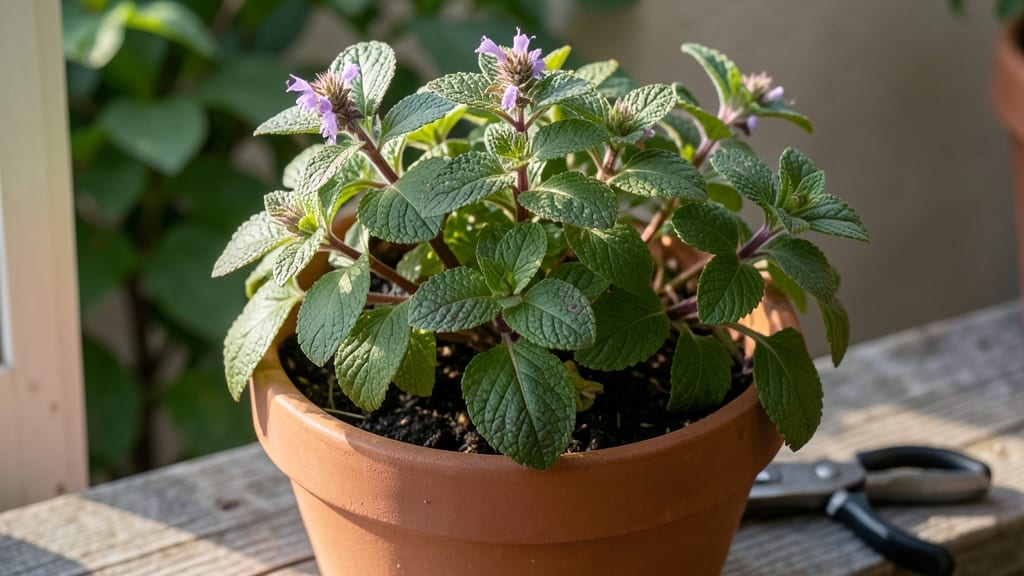
The fragrant strawberry mint flowers I planted last spring turned my shady corner into a pollinator paradise—soft pink blooms that smell like candy and keep bees buzzing from May until frost. 🌿 Their velvety leaves and delicate flowers create a dreamy, almost edible canopy that begs to be touched, and the best part?
They thrive where most plants refuse to grow.
This isn’t just another ground cover—it’s a textured, fragrant statement plant that works in containers, hanging baskets, or as a living border. Pair it with lavender for a purple-pink dream duo, or tuck it near hostas to brighten shady spots.
The flowers attract hummingbirds too, making it a year-round star in any garden design.
Imagine a spillover effect of pink blooms framing your patio or cascading over a trellis—it’s effortless beauty that multiplies with every passing season. The scent lingers in the air on warm evenings, and the plants spread gently, filling gaps without taking over.
Perfect for cottage gardens, modern herb borders, or even as a living mulch between perennials. Whether you’re designing a pollinator haven or just want fragrant, low-maintenance charm, strawberry mint delivers—with zero fuss.
📚 In This Guide
- What you need
- Instructions
- Tips and common mistakes
- Wrapping up and next steps
What you need
- ● Strawberry mint plants (Mentha × piperita 'Strawberry') – 3–5 plants (or seeds, if starting from scratch). Choose healthy, disease-free specimens from a reputable nursery.
- ● Well-draining soil – A mix of potting soil (for containers) or native soil amended with compost (for in-ground planting). Aim for a pH of 6.0–7.0.
- ● Sunlight access – A location with partial shade to full sun (4–6 hours of sunlight daily). Strawberry mint thrives in cooler climates but tolerates some heat.
- ● Watering can or hose – For consistent moisture (strawberry mint loves 1–1.5 inches of water weekly).
- ● Organic fertilizer – A balanced 10-10-10 or fish emulsion (apply every 4–6 weeks during growing season).
- ● Garden gloves – To protect your hands while handling plants or soil.
- ● Trowel or hand shovel – For planting and transplanting.
- ● Pruning shears – To trim back overgrowth and encourage bushier growth.
- ○ Mulch (optional but recommended) – Shredded bark or straw to retain moisture and suppress weeds.
- ○ Container or raised bed (optional) – If planting in pots, choose 12–18 inch deep containers with drainage holes.
- ● 🌡️ Temperature matters: Strawberry mint prefers 60–75°F and may go dormant in extreme heat.
- ● ✨ Pollinator boost: Plant near bee balm, lavender, or catmint to create a fragrant pollinator paradise!
- ● 🔄 Renewal hack: Divide mature plants every 2–3 years to keep them vigorous.
How to cultivate a thriving strawberry mint flower display
Here’s the method I’ve refined over years to create a lush, fragrant strawberry mint canopy that hums with pollinators.
🌱 Step 1: Select the Perfect Planting Site
Strawberry mint thrives in partial shade to full sun, but too much direct afternoon sun can scorch its delicate leaves. I choose a spot that gets morning sunlight and dappled shade—think under a tall tree or on a north-facing patio. The soil should drain well, but it also tolerates moisture, making it ideal for rain gardens or near water features.
Test your soil’s drainage by digging a 6-inch hole and filling it with water. If it drains within 30 minutes, your site is perfect. If it pools longer, amending with 2-3 inches of compost will help. Strawberry mint spreads aggressively, so contain it in a 12-inch-deep planter or mark a 2-foot-diameter circle in the ground to control its growth.
💧 Step 2: Plant and Establish Roots
Plant 4-6 strawberry mint plants in a cluster, spacing them 8-10 inches apart. Dig holes just deep enough to cover the roots but leave the crown (where stems meet roots) above soil level—burying it too deep causes rot. Gently firm the soil around each plant to eliminate air pockets, then water deeply until the soil is saturated 4 inches down.
Here’s the thing—strawberry mint establishes quickly, but it hates dry soil. Mulch with 2 inches of shredded bark to retain moisture and suppress weeds. Watch for new growth within 2 weeks—that’s your signal the roots are settling in. If leaves yellow, you’re overwatering; if they wilt, the soil’s too dry.
☀️ Step 3: Prune for Bushiness and Flowers
Pinch back the top 2-3 inches of new growth when stems reach 6 inches tall. This forces the plant to branch out, creating a fuller, more fragrant canopy. Repeat every 4-6 weeks during the growing season to encourage continuous blooms. Strawberry mint flowers best in late spring to early summer, but with pruning, it can rebloom into fall.
When flowers appear, deadhead spent blooms by snipping them off at the base. This redirects energy to new growth instead of seed production. Leave a few flowers if you want to attract pollinators—bees and butterflies adore strawberry mint’s sweet fragrance. Just don’t let them go to seed unless you’re okay with the plant spreading uncontrollably.
✂️ Step 4: Harvest and Maintain Year-Round
Harvest leaves and flowers in the morning after dew dries for peak fragrance. Snip stems just above a leaf node to encourage regrowth. Use harvested stems in floral arrangements, teas, or as a culinary garnish—their strawberry-like aroma is unmistakable. In fall, cut back stems to 4 inches tall to protect the plant from winter dieback.
Strawberry mint is hardy in USDA Zones 5-9, but in colder climates, mulch heavily with 4-6 inches of straw before frost. In warmer zones, it may regrow from the roots in spring. Divide clumps every 2-3 years to rejuvenate growth—dig up the plant, separate the roots, and replant sections in fresh soil.
Tips & tricks for perfect strawberry mint flower displays
These subtle adjustments will transform your strawberry mint from a modest patch to a fragrant, pollinator-magnet canopy.
Location Strategy: The morning sun and dappled shade combo in Step 1 is critical—think of it as the plant's "goldilocks zone." If you're in a hotter climate (Zones 8-9), prioritize afternoon shade to prevent leaf scorch. I've seen plants in full sun wilt dramatically by mid-afternoon, while those with filtered light thrive all season. Consider placing near deciduous trees that provide natural shade in summer but allow winter sun.
Root Care Secret: When planting in Step 2, I always press my finger into the soil around the roots to check for firmness—it should feel like a well-packed dirt road, not loose sand. This eliminates air pockets that can strangle new roots. For container growing, use a planter with drainage holes and elevate it slightly to prevent waterlogging, which causes root rot. The 4-inch saturation depth is your target—stick your finger in after watering to verify.
Pruning Precision: That 6-inch stem height in Step 3 is your cue to pinch, but here's the pro move: use clean, sharp scissors or pruning shears to make cuts at a 45-degree angle just above a leaf node. This prevents water from pooling on the cut and reduces disease risk. For maximum bushiness, pinch every 4-6 weeks—but if you miss a cycle, don't panic. The plant will still bloom, just with slightly fewer stems.
Winter Protection: The 4-6 inches of straw mulch in colder zones is non-negotiable, but here's how to do it right: Rake back any fallen leaves first (they can harbor pests), then spread the straw evenly over the crown. In USDA Zone 5, I've even wrapped containers in burlap for extra insulation. The goal is to maintain a consistent 20-30°F soil temperature—this prevents freeze-thaw cycles that damage roots.
Pro Tips for Strawberry Mint Flowers
- These subtle adjustments will transform your strawberry mint from a modest patch to a fragrant, pollinator-magnet canopy.
- Location Strategy: The morning sun and dappled shade combo in Step 1 is critical—think of it as the plant's "goldilocks zone."
- Root Care Secret: When planting in Step 2, I always press my finger into the soil around the roots to check for firmness—it should feel like a well-packed dirt road, not loose sand.
Frequently asked questions
Got questions about growing and enjoying strawberry mint flowers?
Here are some of the most common inquiries—plus quick, practical answers to help you cultivate a fragrant, pollinator-friendly garden with ease.
How do I keep strawberry mint flowers from spreading too aggressively?
Strawberry mint is a vigorous spreader, so containment is key! Plant it in containers or heavy-duty fabric pots to limit root spread. If in-ground, install a root barrier (like buried plastic or metal edging) at least 12 inches deep. Prune back stems by one-third mid-season to encourage bushier growth and slow sprawl. Pro tip: Harvest leaves and flowers regularly—they’ll focus energy on regrowth instead of spreading!
When is the best time to plant strawberry mint flowers for year-round blooms?
For continuous blooms, plant in early spring (after the last frost) or late summer (6–8 weeks before your first fall frost). Strawberry mint thrives in USDA Zones 3–10 and is perennial in warmer climates, but in colder areas, treat it as an annual or overwinter pots indoors. Bonus: It’s frost-tolerant—light frosts won’t harm it, but heavy freezes may kill the plant.
Why aren’t bees visiting my strawberry mint flowers?
Bees love strawberry mint, but a few factors might deter them:
- Timing: Plant in full sun (6+ hours/day)—shady spots reduce nectar production.
- Pesticides: Avoid chemical sprays; opt for neem oil or soapy water sprays instead.
- Water stress: Keep soil evenly moist (but not soggy) to encourage blooming.
- Lack of diversity: Plant near other pollinator-friendly flowers (like lavender or coneflowers) to create a "bee buffet."
Can I use strawberry mint flowers in teas or cocktails like regular mint?
The leaves and flowers are edible and pack a sweeter, fruitier flavor than peppermint. Use them fresh in
- Iced teas (steep 10–15 leaves/flowers per cup for 5–10 mins).
- Cocktails (muddle with lime and vodka for a strawberry-mint mojito twist).
- Salads (torn leaves add a bright, citrusy kick).
What are some low-maintenance alternatives to strawberry mint for pollinators?
If strawberry mint’s spread is too much to handle, try these beautiful, bee-friendly alternatives with similar fragrance and ease:
- Pennyroyal (Mentha pulegium) – Compact, drought-tolerant, and deer-resistant.
- Lavender (Lavandula) – Drought-loving, aromatic, and attracts bees and butterflies.
- Catmint (Nepeta) – Perennial, long-blooming, and resistant to most pests.
- Anise Hyssop (Agastache foeniculum) – Fragrant, purple blooms, and edible leaves.
Wrapping up and next steps
Incorporating strawberry mint flowers into your garden isn’t just about adding beauty—it’s a fragrant, pollinator-friendly power move! 🌿 These hardy perennials thrive with minimal fuss, offering year-round interest and a sweet aroma that’ll make your outdoor space feel like a retreat.
Whether you’re a seasoned gardener or just starting, their versatility makes them a must-try.
Ready to take the next step? Start small—plant a few in a pot or along a sunny path, then expand as you see their magic unfold. Share your blooming progress or tag us in your garden pics; we’d love to see your strawberry mint paradise! 🌸