
Propagation
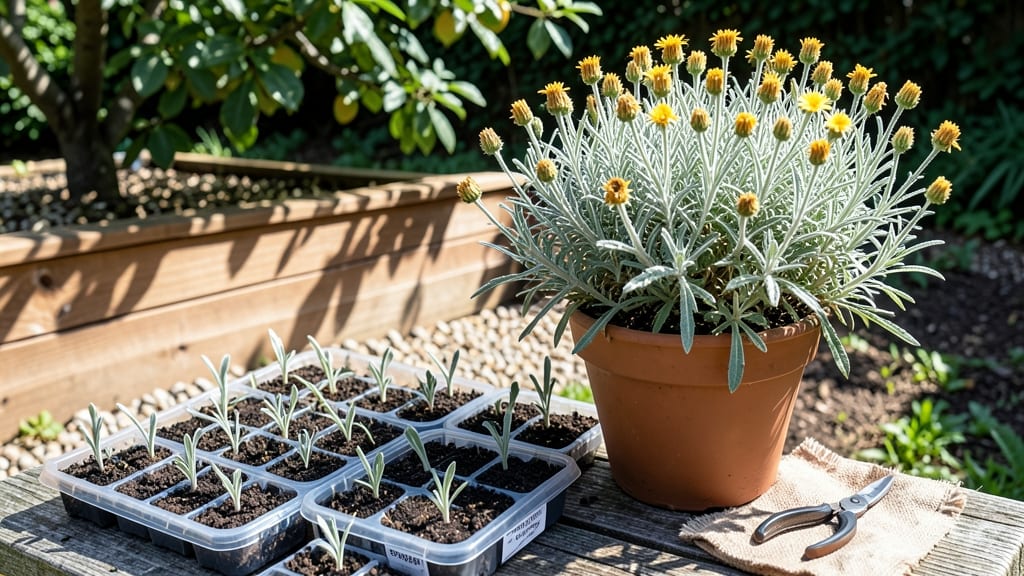
Growing strawflowers from seed unlocks a world of paper-like blooms that last months in vases—no refrigeration needed. 🌸 I’ve grown them from seed every year, and the first time I saw those delicate, papery flowers dry naturally on the stem, I was hooked.
They’re perfect for beginners because they’re drought-tolerant and thrive in poor soil, yet they still deliver that showstopping, almost unreal beauty.
The secret to success starts with timing: sow seeds indoors 8-10 weeks before your last frost, or directly outside after soil warms to 60°F. Strawflower seeds are tiny but tough—just press them lightly into moist, well-draining soil and keep them warm.
Germination takes 10-14 days, and once seedlings pop up, they grow fast, reaching transplant size in just 4-6 weeks. That means you’ll have blooms by early summer if you start early.
What makes strawflowers special is how they keep giving. Cut them fresh for arrangements, and they’ll last 2-3 weeks in a vase—longer if you dry them. The flowers also attract pollinators all season, and their drought tolerance means they’ll keep blooming even when other plants wilt.
By midsummer, you’ll have a garden full of these low-maintenance, high-impact blooms that double as dried flowers.
Whether you’re growing them for fresh bouquets or long-lasting dried arrangements, strawflowers are a foolproof choice. They adapt to containers, borders, or wildflower meadows, and their vibrant colors—from sunny yellows to deep purples—bring a cheerful, almost whimsical touch to any garden. Ready to grow yours?
📚 In This Guide
- What you need
- Instructions
- Tips and common mistakes
- Wrapping up and next steps
What you need
- ● Strawflower seeds: Choose high-quality, non-GMO seeds (e.g., Helichrysum bracteatum). A small pack (50–100 seeds) is perfect for beginners.
- ● Seed-starting mix: A lightweight, well-draining seedling mix (avoid garden soil—it’s too dense!). A 10–12 quart bag covers most starter trays.
- ● Containers: Seed trays with cell inserts (72–200 cells) for individual seedlings.
- ● OR small pots (2–3 inches wide) if starting indoors.
- ● Grow lights or sunny windowsill: Strawflowers need 6–8 hours of light daily. A full-spectrum LED grow light (12–18 inches above seedlings) works well.
- ● Watering can or spray bottle: A gentle spray keeps seeds moist without disturbing them.
- ● Plant labels: Mark seeds by date (strawflowers germinate in 10–21 days!).
- ● Heat mat: Speeds up germination (keep soil at 70–75°F).
- ● Fertilizer: A balanced liquid fertilizer (5-5-5 or 10-10-10) diluted to half-strength for young plants.
- ● Transplanting tools: Small hand trowel and biodegradable pots for easier moving.
- ● Pruning shears: For shaping mature plants and encouraging bushier growth.
- ● Drying rack: If you plan to preserve flowers—a mesh screen or wire rack works great!
Step-by-Step guide to growing strawflowers from seed
Brighten your garden with these resilient, long-lasting blooms—here’s how to coax them from seed to showstopper.
🌱 Step 1: Start Seeds Indoors for Early Blooms
Strawflowers (Helichrysum bracteatum) thrive when started indoors 8-10 weeks before your last frost date. Fill biodegradable seedling pots (3-inch diameter) with sterile seed-starting mix—never garden soil, which can harbor damping-off pathogens. Moisten the mix until it’s damp but not soggy, then press it down gently to remove air pockets.
Sow seeds ¼ inch deep, spacing them ½ inch apart in each pot. I tap the seed packet lightly to release one seed at a time—overcrowding leads to weak, leggy seedlings. Cover the pots with a clear plastic dome or wrap them in plastic wrap to retain humidity. Place them in a warm spot (70-75°F) like on top of a refrigerator or under a seedling heat mat. Germination takes 10-14 days, but don’t rush it—consistent warmth is key.
Once seedlings emerge, remove the dome immediately. Strawflowers hate damp foliage, which invites fungal diseases. Water from the bottom by placing pots in a shallow tray of water for 10 minutes, then drain excess. You’ll know moisture is right when the soil surface looks slightly damp but not glistening.
☀️ Step 2: Provide Bright Light and Prevent Leggy Growth
Strawflowers need full sun (6+ hours daily) to grow strong and compact. A south-facing window rarely provides enough intensity, so I use a full-spectrum LED grow light positioned 2-4 inches above the seedlings. Raise the light as they grow to maintain that gap—too close burns tender leaves, while too far makes them stretch leggy.
Leggy seedlings (thin stems with leaves spaced far apart) are a red flag. If you spot this, move the light closer immediately. Strong seedlings have thick stems, deep green color, and leaves spaced 1 inch apart. Rotate pots a quarter turn daily so they grow upright instead of leaning toward the light.
Fertilize lightly 2 weeks after germination with a balanced liquid fertilizer (10-10-10) diluted to half strength. Strawflowers are sensitive to over-fertilizing—stick to every 3-4 weeks once they’re established. Yellowing leaves? You’re overdoing it. Brown edges? They need more humidity (mist leaves lightly in the morning).
🪴 Step 3: Harden Off and Transplant Outdoors
Two weeks before your last frost date, start hardening off seedlings by placing them outside in a sheltered, shaded spot for 1-2 hours the first day. Gradually increase outdoor time by 1 hour daily over 10-14 days, slowly introducing more sun and wind. Strawflowers are drought-tolerant once mature, but young plants need this gradual adjustment to avoid shock.
Transplant seedlings outdoors after all danger of frost when nighttime temperatures stay above 50°F. Choose a sunny spot with well-draining soil—strawflowers despise soggy roots. Space plants 12-18 inches apart in rows 18 inches apart to allow airflow and prevent mildew. Dig holes slightly deeper than the seedling pots to encourage root growth.
Water deeply at the base after transplanting to settle the soil around roots. Avoid wetting leaves—this reduces fungal risks. Mulch with 1 inch of straw or shredded bark to retain moisture and suppress weeds. Strawflowers establish quickly, so you’ll see new growth within 2 weeks if conditions are right.
✂️ Step 4: Deadhead and Maintain for Long-Lasting Blooms
Strawflowers reward deadheading with prolonged blooming. Snip spent blooms back to the first set of healthy leaves using clean, sharp pruners. I do this every 2-3 weeks during the growing season—it encourages bushier growth and more flowers. Wear gloves if you’re sensitive to pollen; strawflowers release it heavily when blooms fade.
These plants are drought-tolerant once established, but they’ll reward consistent care with vibrant, long-lasting blooms. Water deeply once a week during dry spells, aiming for 1 inch of water per week. You’ll know they’re thirsty when leaves start wilting slightly in the afternoon—this is normal and corrects with a good soak.
Fertilize once more in early summer with a low-nitrogen, high-phosphorus formula (5-10-10) to boost flowering. Avoid high-nitrogen feeds—those promote leafy growth at the expense of blooms. In fall, cut back plants by ⅓ to encourage a tidy shape and prepare for next year’s growth.
Tips & tricks for perfect strawflower growth from seed
Here's what I've learned after growing strawflowers for years—the small details that make all the difference between healthy seedlings and disappointment.
Germination Environment: The 70-75°F warmth requirement is non-negotiable for strawflower seeds. I've tried using regular kitchen counters and found they're often too cool—especially in spring when you're most likely starting seeds. If your home stays below 70°F, invest in a seedling heat mat. Place it under your pots and you'll see germination within the 10-14 day window consistently. The key is maintaining that warmth without letting the soil get soggy—dampness at this stage causes more failures than temperature alone.
Light Positioning: When using grow lights in Step 2, I've found the 2-4 inch distance works best when measured from the top of the seedlings, not the light itself. As they grow, I raise the light incrementally—about 1/4 inch every 3-4 days—to maintain that distance. Watch for the leaves touching the light (they'll look singed) or stretching too far (leggy growth). The ideal light setup creates seedlings with leaves spaced 1 inch apart and stems that feel sturdy when gently pinched. This visual cue tells me the light is positioned perfectly.
Transplanting Timing: That 50°F nighttime temperature threshold for transplanting is crucial, but I've learned to add one extra check: daytime temperatures should be consistently above 60°F. Cold mornings after warm days can shock plants even when nights stay above 50°F. I also recommend transplanting on a cloudy day if possible—it gives plants a gentler introduction to full sun. The slightly deeper planting you'll do encourages roots to grow downward where moisture is more stable, which is especially important during the first two weeks after transplanting when they establish themselves.
Deadheading Strategy: The 2-3 week deadheading schedule works best when you do it in the morning after dew has dried but before the heat of the day. I've found that using clean, sharp pruners dipped in rubbing alcohol between cuts prevents disease transmission between plants. When cutting back to the first set of healthy leaves, look for leaves that are vibrant green and free of brown edges—these are your indicators of healthy growth. This practice isn't just about appearance; it redirects the plant's energy toward producing more blooms rather than seed heads, which is why you'll see continued flowering throughout the season.
Pro Tips for Strawflowers From Seed
- Here's what I've learned after growing strawflowers for years—the small details that make all the difference between healthy seedlings and disappointment.
- Germination Environment: The 70-75°F warmth requirement is non-negotiable for strawflower seeds.
- Light Positioning: When using grow lights in Step 2, I've found the 2-4 inch distance works best when measured from the top of the seedlings, not the light itself.
Frequently asked questions
Got questions about growing strawflowers from seed? You’re not alone—these bright beauties are full of surprises! Here are answers to the most common queries to help you cultivate confidence (and stunning blooms).
How long does it take for strawflower seeds to germinate?
Strawflower seeds typically sprout in 7–21 days when kept in warm (65–75°F), moist soil. For faster results, pre-soak seeds for 24 hours or use a heat mat. Patience is key—some seeds may take longer, especially in cooler conditions. Pro tip: Keep soil consistently damp (not soggy) to avoid damping-off.
Can I grow strawflowers from seed indoors, or do they need outdoor conditions?
Start seeds indoors 6–8 weeks before your last frost using grow lights (14–16 hours/day). Once seedlings have 2–3 true leaves, transplant them outdoors after all frost risk has passed. Strawflowers thrive in full sun (6+ hours/day), so move them to a sunny spot ASAP.
Why aren’t my strawflower seedlings growing tall or flowering?
Slow growth or no blooms often stem from light deprivation, overcrowding, or poor nutrition. Ensure seedlings get bright light (or grow lights) and thin them to 12–18 inches apart once transplanted. Feed with a balanced fertilizer (10-10-10) every 4–6 weeks. Bonus: Strawflowers love well-draining soil—amend heavy soil with compost or perlite.
Are strawflowers annuals or perennials, and will they self-seed?
Strawflowers are annuals in most climates but may self-seed in warm regions (Zones 8–11). Deadhead spent blooms to encourage more flowers, and leave some seed heads if you want next year’s crop. In cooler areas, treat them as annuals and replant seeds yearly for continuous color.
Can I dry strawflower blooms for long-lasting arrangements?
Yes! Strawflowers are perfect for drying—their papery petals hold shape beautifully. Harvest fully opened blooms, hang them upside down in a dark, dry place for 2–3 weeks, or use a dehydrator (160°F for 2–3 hours). Once dry, store in an airtight container for years of rustic charm.
Wrapping up and next steps
Growing strawflowers from seed is a rewarding journey that brings year-round color and joy to your garden—with minimal effort!
Whether you're a seasoned gardener or a beginner, these hardy blooms prove that beauty and resilience go hand in hand. 🌸 Now that you’re equipped with the right tips and tricks, it’s time to roll up your sleeves and watch your garden transform.
Ready to take the next step? Start by planting those seeds today—your future blooms (and happy garden) will thank you!