
Flowers
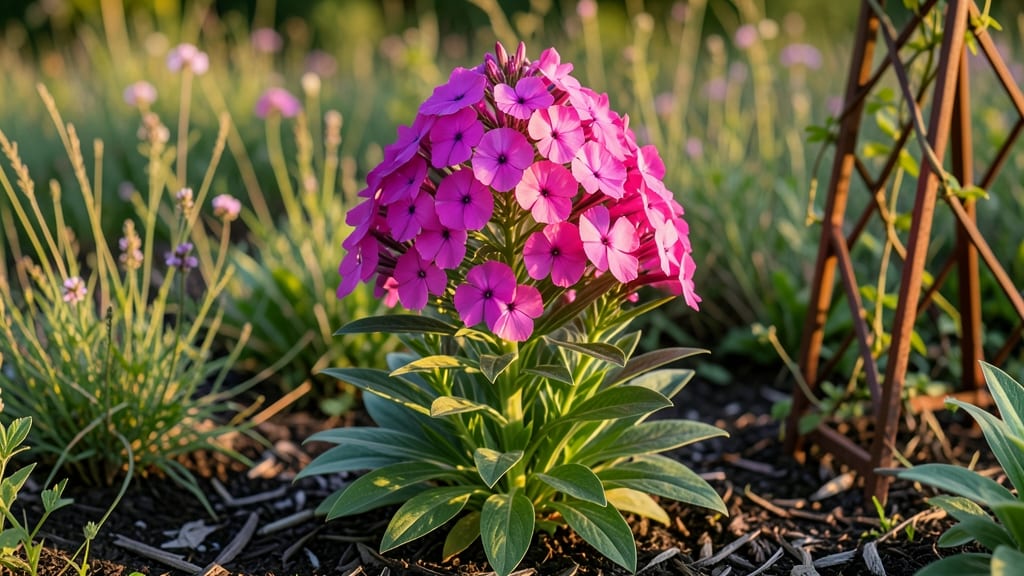
Summer phlox flowers burst into vibrant pink, purple, and white blooms that last from June through frost—if you know the secret to keeping them flowering all season. 🌸 I’ve grown phlox for years, and the difference between a plant that fades by July and one that thrives until fall comes down to three simple trimming hacks that reset growth and encourage nonstop blooms.
The key is treating phlox like a self-renewing machine, not a one-time flower. Start with well-draining soil and full sun, but skip the fancy fertilizers—phlox thrives on neglect once established.
Water deeply once a week (more in extreme heat), and you’ll avoid the leggy, sparse growth that frustrates so many gardeners. The real magic happens when you prune correctly: cut back by one-third after the first flush of blooms, then deadhead spent flowers regularly.
By mid-summer, you’ll have a bushy, nearly indestructible plant covered in fresh blooms—no wilting stems or gaps. The flowers even attract butterflies and hummingbirds, turning your garden into a living magnet for pollinators.
And the best part? These same techniques work for perennial phlox varieties, so you’ll enjoy them year after year with minimal effort.
Whether you’re a beginner or a seasoned gardener, these hacks cut down on guesswork and double your blooms. The first trim is the hardest part—after that, it’s all about consistency and confidence. Let’s get those shears out and turn your phlox into the star of the summer garden!
📚 In This Guide
- What you need
- Instructions
- Tips and common mistakes
- Wrapping up and next steps
What you need
- ● Pruning shears: Sharp, clean bypass pruners (avoid anvil-style to prevent crushing stems).
- ● Gloves: Heavy-duty gardening gloves (to protect against thorns and dirt).
- ● Watering can or hose: With a gentle spray nozzle (for post-trimming hydration).
- ● Compost or mulch: 2–3 gallons (to replenish soil nutrients after trimming).
- ○ Fertilizer (optional but recommended): Balanced 10-10-10 granular fertilizer (½ cup per 10 sq ft).
- ● OR slow-release organic fertilizer (like fish emulsion).
- ● Knee pads: For comfort during close-up trimming.
- ● Garden twine or plant ties: (To support tall phlox stems if needed).
- ● Disinfectant (70% isopropyl alcohol or bleach solution): For sterilizing pruners between cuts.
- ● Pruning saw: (For thick, woody stems—rare but helpful for mature phlox).
- ● Stake and stakes: 4–6 stakes (3–4 ft tall) if staking is needed for windy areas.
- ● Established summer phlox plants (at least 1–2 years old for best results).
- ● Access to partial sun to full sun (6+ hours of sunlight daily).
- ● Well-draining soil (amend with compost if soil is heavy or clay-like).
- ● Patience! Phlox thrives with consistent care—no rush!
How to keep summer phlox blooming all season with strategic trimming
Here’s the simple system I’ve used for years to turn one planting into months of vibrant blooms.
✂️ Step 1: Deadhead Regularly for Continuous Flowers
Start by pinching off spent blooms the moment they fade—this prevents seed formation and redirects the plant’s energy into fresh buds. Use clean, sharp pruners or your fingers to remove the entire flower stem down to the first set of healthy leaves. You’ll notice new side shoots forming within a week, signaling the plant is already preparing its next round of blooms.
I deadhead every 2-3 days during peak bloom season (June through August). The key is consistency—skipping even a few days lets spent flowers go to seed, which weakens the plant’s ability to produce more blooms. Watch for buds that haven’t yet opened; these are your next wave of color, so protect them by avoiding heavy pruning nearby.
🌿 Step 2: Light Pruning After First Flush of Blooms
Once the first major bloom cycle winds down (usually around mid-July), give your phlox a light trim to encourage a second flush. Cut back stems by about one-third of their height, but leave at least 4-6 inches of growth. This removes tired stems while preserving the plant’s energy reserves.
Timing matters here: wait until at least 50% of the first blooms have faded before pruning. You’ll see fresh, compact growth emerge within 7-10 days, followed by a second wave of flowers that lasts through early fall. Avoid pruning too late in the season—you want the plant to establish new growth before cooler temperatures slow it down.
☀️ Step 3: Late-Season Pruning for Next Year’s Growth
In late fall, after the first frost blackens the foliage, cut back the entire plant by half its height. This removes dead material and prevents disease from overwintering in the garden. Use clean pruners to make 45-degree cuts just above a set of leaves or buds. The goal is to leave the plant looking tidy but still with enough structure to regrow in spring.
This final trim is your insurance policy for next summer’s blooms. Phlox is hardy in USDA zones 3-9, but even in warmer climates, a late-season cut helps the plant store energy for early spring regrowth. Mulch around the base with 2-3 inches of organic mulch after pruning to protect roots from winter temperature swings.
⏰ Step 4: Spring Maintenance for Year-Round Color
In early spring, before new growth appears, do a final check for any dead or damaged stems and trim them away. You’ll see fresh green shoots emerging from the base within 2-3 weeks—this is your cue that the plant is waking up. Avoid heavy pruning now; your goal is to encourage the plant to bloom as early as possible.
Here’s the thing—phlox thrives on routine. Stick to this schedule, and you’ll enjoy continuous blooms from early summer through fall, with minimal effort. The secret isn’t complicated: deadhead early, prune mid-season, and tidy up in fall. That’s all it takes to turn one planting into a year-round showstopper.
Tips & tricks for perfect summer phlox maintenance
These simple, game-changing strategies will help you extend your phlox's bloom time with minimal effort.
Precision Deadheading: In Step 1, when you're removing spent blooms, always cut just above the first set of healthy leaves—not where the flower meets the stem. This ensures new buds form at the correct nodes, maximizing regrowth. I've seen phlox plants double their bloom volume by making this small adjustment, as it prevents wasted energy on seed production.
Timing Your Mid-Season Trim: The 7-10 day window mentioned in Step 2 is critical—this gives your phlox time to recover before cooler fall temperatures arrive. If you notice new growth appearing within 5 days, your plant is ready for its second flush. Watch for the buds to swell slightly before they open; this is your visual cue that the plant is preparing for another bloom cycle.
Late-Season Protection: After your fall pruning in Step 3, don't skip the 2-3 inches of organic mulch around the base. This insulating layer helps regulate soil temperature, protecting roots from winter temperature swings that can stress the plant. I've found that mulched phlox emerges 2-3 weeks earlier in spring compared to unmulched plants.
Spring Awakening: When you see those first green shoots in Step 4, resist the urge to prune heavily. The plant needs all its energy focused on establishing new growth. A light trim to remove only dead material is all you need—this early season maintenance prevents shock and encourages the plant to bloom earlier in the summer.
Pro Tips for Summer Phlox Flowers
- These simple, game-changing strategies will help you extend your phlox's bloom time with minimal effort.
- Precision Deadheading: In Step 1, when you're removing spent blooms, always cut just above the first set of healthy l...
- Timing Your Mid-Season Trim: The 7-10 day window mentioned in Step 2 is critical—this gives your phlox time to recove...
Frequently asked questions
Got questions about keeping your summer phlox flowers thriving? Here are answers to the most common ones—so you can enjoy those vibrant blooms all season long!
When is the best time to plant summer phlox?
Plant summer phlox in early spring (after the last frost) or early fall for the best results. This gives roots time to establish before extreme summer heat. If you’re transplanting, water deeply and mulch to retain moisture—phlox hates dry soil!
Why aren’t my summer phlox flowers blooming?
Overly rich soil or lack of sunlight (they need 6+ hours daily) can stunt blooms. Deadhead spent flowers regularly to encourage new growth, and avoid heavy fertilizer—phlox prefers leaner soil. Pro tip: If blooms are sparse, try dividing clumps every 3-4 years to rejuvenate them!
Can I grow summer phlox in containers?
Use a well-draining potting mix and a container at least 12 inches deep. Choose compact varieties like ‘David’ or ‘Lipstick’ for pots. Place in full sun to partial shade, and water consistently—containers dry out faster than garden beds.
How do I prevent summer phlox from flopping over?
Floppy stems often mean overcrowding or weak stems. Stake tall varieties (like ‘Blue Paradise’) with bamboo stakes or tomato cages. Thin plants in spring to improve airflow, and avoid heavy morning dew by watering in the early morning.
Are summer phlox flowers deer- or rabbit-resistant?
Unfortunately, no! Deer and rabbits love phlox. Protect young plants with chicken wire cages or repellents like garlic spray. Once established, they’re less appealing, but vigilance is key—especially in high-traffic garden areas.
Wrapping up and next steps
Summer phlox flowers are a joyful burst of color that can brighten your garden from spring to frost—with just a little care! By mastering the three easy trimming hacks (deadheading, shaping, and late-season pruning), you’ll keep your phlox blooming longer and healthier.
Whether you’re a seasoned gardener or just starting, these tips make maintenance a breeze.
Ready to transform your garden? Grab your shears and get trimming! 🌸 For extra inspiration, explore phlox color combinations or companion plants to elevate your summer display. Happy gardening!