
Planting
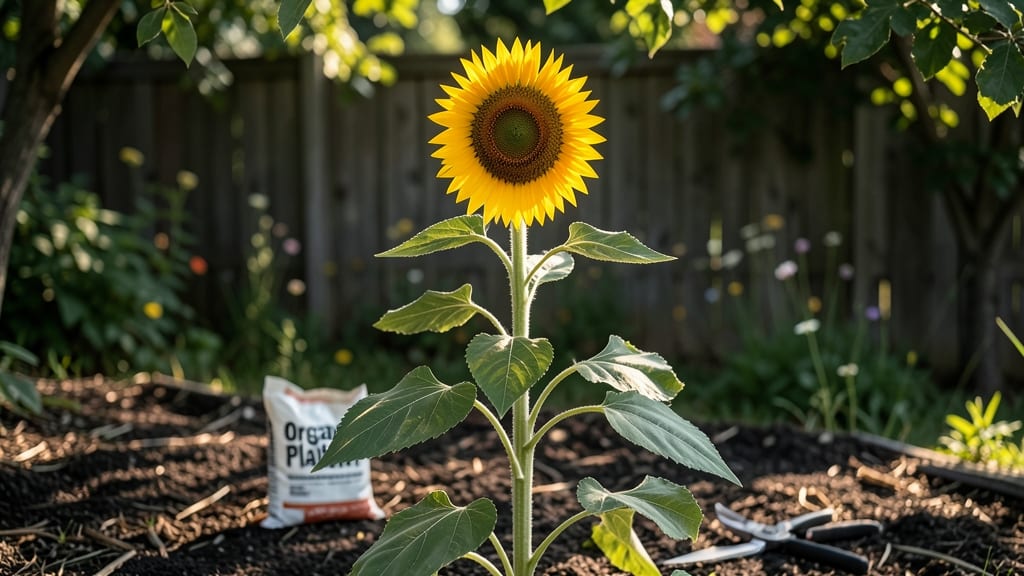
Growing sunflower plants from seed delivers that unbeatable moment when a tiny sprout becomes a towering golden giant. 🌻 I’ve watched my own sunflowers go from 6-inch seedlings to 10-foot giants in just 10 weeks, and the secret lies in three simple steps—soil, spacing, and sunlight—that even beginners can nail.
The payoff isn’t just the height; it’s the way they transform a garden into a sun-drenched celebration by midsummer.
You’ll need just three supplies: fast-draining potting mix or well-amended garden soil, sunflower seeds (choose dwarf varieties for containers or giant types for open ground), and a sunny spot with at least 6 hours of direct sunlight daily.
The spacing rule is non-negotiable: 12–18 inches apart for standard varieties, 24+ inches for giants—crowding leads to leggy, weak stems that flop before they bloom. Watering is simple too: deep soaks twice a week once established, but never let them sit in soggy soil.
What you’ll end up with is a garden that feels like a sunlit masterpiece, complete with velvety petals, edible seeds, and stems sturdy enough for bouquets or even light shade in hot afternoons. The best part?
Sunflowers are self-sufficient once planted—they thrive with minimal fuss, resist most pests, and attract pollinators like magnets. By late summer, you’ll be harvesting seeds for next year’s crop or pressing blooms into art.
This method works in containers, raised beds, or open ground, and even urban balconies can grow dwarf varieties. Whether you’re a first-time gardener or a seasoned pro, sunflowers deliver foolproof results—just follow the three steps, and let the sun do the rest.
Ready to grow your own golden giants?
📚 In This Guide
- What you need
- Instructions
- Tips and common mistakes
- Wrapping up and next steps
What you need
- ● Sunflower seeds: 10–20 seeds (choose a variety like Mammoth or Autumn Beauty for best results).
- ● Planting containers or garden bed: For containers: 5–10 gallon pots (1–2 per seedling) with drainage holes.
- ● For garden beds: Well-draining soil in a sunny spot (6+ hours of sunlight daily).
- ● Potting soil or garden soil: 1–2 bags of high-quality, well-draining soil (mix in compost for nutrients).
- ● Watering can or hose: With a gentle spray nozzle for seedlings.
- ○ Planting tray (optional for indoor starts): 1 shallow tray with cell inserts.
- ● Garden gloves: 1 pair (to protect hands while handling soil/seeds).
- ● Trowel or small shovel: For transplanting seedlings.
- ● Fertilizer: Balanced 10-10-10 or organic compost tea (1–2 applications during growth).
- ○ Stakes or cages (optional): 3–4 ft tall (for tall varieties like Mammoth).
- ○ Mulch (optional): Straw or wood chips to retain moisture and suppress weeds.
Step-by-step guide to growing sunflowers from seed
Here's how I grow sunflowers every year—tall, sturdy, and blooming like clockwork.
🌱 Step 1: Choose and Plant Your Seeds Directly
Sunflowers grow best when planted directly in the ground, so skip the indoor starting. Select a sunny spot with well-draining soil—sunflowers despise soggy roots. Dig a hole about 1 inch deep and drop 2-3 seeds per spot, spacing them 6 inches apart in rows 18-24 inches apart. I like to plant them in clusters of 3-4 for a fuller look later.
Cover the seeds lightly with soil, then water gently but deeply. The soil should feel damp 1 inch below the surface—not soggy, just moist. Press down lightly to ensure good seed-to-soil contact. Here's the thing—sunflowers don't like being moved, so planting them where they'll stay saves stress and transplant shock.
☀️ Step 2: Provide Consistent Care for Strong Stems
Sunflowers need full sun—at least 6-8 hours daily—to grow tall and sturdy. If you're in a cooler climate, start seeds 2-3 weeks before your last frost date so they have enough time to mature. Water deeply once a week, aiming for 1 inch of water per week, unless it rains. Let the top 2 inches of soil dry out between waterings—overwatering causes weak stems that flop under their own weight.
Watch for first true leaves—those are the second set that appear after the initial seed leaves. Once they emerge, thin your plants to the strongest seedling per spot, cutting the others at the base with clean scissors. This gives remaining plants room to grow without competing for nutrients. Fertilize lightly with a balanced 10-10-10 formula when plants reach 12 inches tall to encourage strong flowering.
✂️ Step 3: Support and Enjoy Your Towering Beauties
As your sunflowers grow, you'll notice they need support—especially if you're growing taller varieties like 'Mammoth' or 'Russian Giant'. Install stakes or cages when plants reach 3-4 feet tall, tying them loosely with soft twine or fabric strips. Avoid wire or anything that can cut into the stems. I like to check the ties every 2-3 days to ensure they're not too tight as the stems thicken.
The real magic happens when the buds form. Watch for the first flower buds to appear at the top of the stem—this is your cue that blooming is near. Once the buds are fully open, enjoy the show! Cut flowers in the morning for the longest vase life, and leave some to attract pollinators. If you want seeds for next year, let a few flowers mature fully, then harvest the seed heads once they turn brown and dry.
Tips & tricks for perfect sunflower growth
Here's what I've learned over years of growing sunflowers—simple secrets that make all the difference.
Soil Preparation Secret: Before planting, mix in a handful of compost into each planting hole. Sunflowers are heavy feeders, and this gives them an instant nutrient boost right where they need it most. I also like to add a sprinkle of bone meal to encourage strong root development—just follow the package instructions for amounts. The first few weeks are critical for root establishment, so don't skip this step.
Thinning Technique: When thinning to your strongest seedling, do it on a dry morning when the soil is firm. This prevents pulling up the entire plant by accident. Use clean scissors to snip at the base rather than pulling—this reduces stress on the remaining plant. I've found that thinning to exactly 6 inches apart (as specified) gives each plant enough room to develop that iconic sturdy stem without competition.
Watering Wisdom: The "1 inch per week" guideline works best when measured with a rain gauge. If you don't have one, try the old spoon test: dig a small hole near your plants, place a spoon at the bottom, then cover it with soil. After watering, check if the soil feels moist 1 inch down. Overwatering is the #1 cause of weak stems—too much moisture softens the soil and makes plants lean or even collapse under their own weight.
Support System Strategy: For varieties over 5 feet tall, install your stakes or cages at planting time rather than waiting until they reach 3-4 feet. This gives you a head start on support before the plant gets too top-heavy. I use bamboo stakes because they're lightweight, biodegradable, and strong enough to handle sunflowers' rapid growth. The key is to tie them loosely—tight ties can girdle the stem as it thickens.
Pro Tips for Sun Flower Plant
- Here's what I've learned over years of growing sunflowers—simple secrets that make all the difference.
- Soil Preparation Secret: Before planting, mix in a handful of compost into each planting hole.
- Thinning Technique: When thinning to your strongest seedling, do it on a dry morning when the soil is firm.
Frequently asked questions
Got questions about growing sunflowers? You’re not alone! Here are some of the most common queries—and straightforward answers—to help you cultivate towering, golden blooms with ease.
How long does it take for a sunflower to grow from seed?
Sunflowers are fast growers! From seed to full bloom, expect 80–120 days, depending on the variety. Dwarf varieties may take as little as 60 days, while giant sunflowers can stretch the timeline to 150 days. Plant seeds 1/2 inch deep in well-drained soil, and keep them consistently moist until germination (usually 7–14 days).
Can sunflowers grow in containers? What size pot should I use?
Sunflowers thrive in containers if given enough space. For dwarf varieties (3–4 ft tall), a 5-gallon pot works well. For tall varieties (6–12 ft), opt for a 15–20 gallon container with at least 12–18 inches of depth. Ensure pots have drainage holes and use a balanced fertilizer every 2–3 weeks to support rapid growth.
What are the most common sunflower pests, and how do I prevent them?
Sunflowers are generally low-maintenance, but watch for aphids, cucumber beetles, and sunflower moths. To deter pests:
- Handpick large insects early in the morning.
- Use neem oil or insecticidal soap for aphids.
- Plant marigolds or basil nearby as natural repellents.
- Apply row covers when flowers first appear to block moths.
Rotating crops yearly also reduces long-term pest issues.
Do sunflowers need full sun? What if my garden only gets partial shade?
Sunflowers love full sun (6–8+ hours daily), but they’ll still grow in partial shade (4–6 hours), though blooms may be smaller. If your garden is shady:
- Choose dwarf or bush varieties like ‘Teddy Bear’ or ‘Moulin Rouge.’
- Place pots in the sunniest spot you have, even if it’s just a balcony.
- Avoid deep shade—sunflowers need at least 4 hours of direct light to thrive.
Pro tip: If leaves turn pale, your sunflower is begging for more light!
Can I grow sunflowers indoors? What’s the best way?
Sunflowers can grow indoors, but they’ll need bright, artificial light (like a grow bulb or LED panel) for 12–16 hours daily. Use a large container (15+ gallons) with well-draining soil and fertilize weekly. Watch for leggy growth—rotate the pot daily to prevent leaning. If you’re after seeds, hand-pollinate with a small brush to ensure fertilization. Warning: Indoors, they may not reach their full height but will still produce stunning blooms!
Wrapping up and next steps
Growing a sunflower from seed is a rewarding journey that brings joy, beauty, and even delicious rewards! 🌻 Whether you’re a beginner or a seasoned gardener, these towering beauties thrive with just a little patience and care.
Now that you know the key steps—from selecting seeds to nurturing your plant—it’s time to roll up your sleeves and get planting!
Ready to turn your garden into a sunflower paradise? Start today by picking your favorite seeds, finding the perfect spot, and watch as your hard work blooms into a stunning centerpiece. Happy growing! 🌱