
Container Gardens
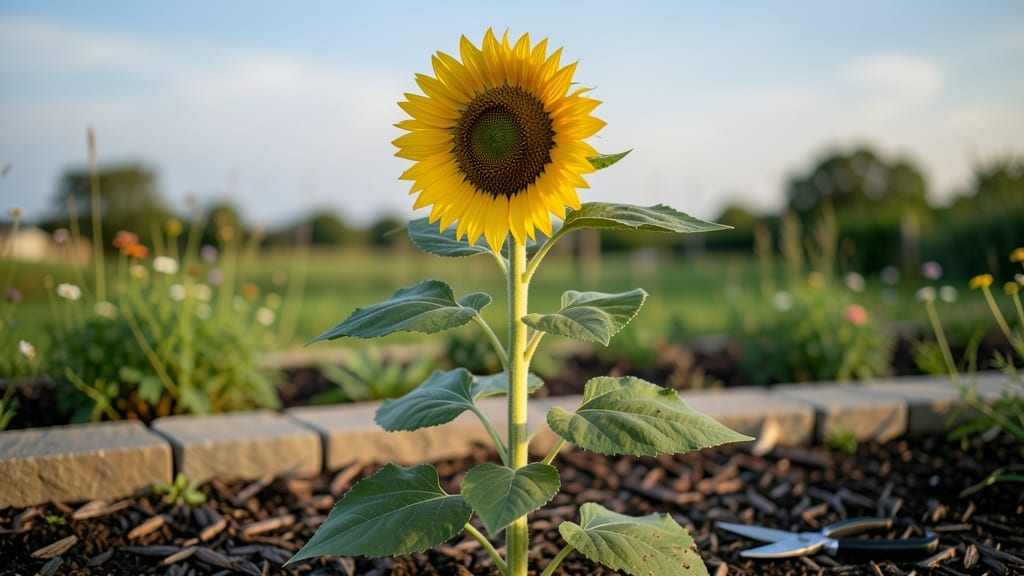
A sunflower potted plant turns your balcony or patio into a sun-drenched vertical garden that hums with pollinators. 🌻 I’ve watched these towering beauties transform overlooked corners into showstopping displays—all while keeping roots contained.
The key isn’t just the right container size (hint: at least 12 inches deep), but matching their thirsty roots to soil that drains fast enough to prevent rot.
Sunflowers thrive on full sun (6+ hours daily) and soil that’s rich but not soggy—think half potting mix, half compost with a handful of perlite for aeration. Water deeply when the top inch feels dry, but never let them sit in saucers of standing water.
My first potted sunflowers nearly toppled over, so I now stake them early with 3-foot bamboo stakes tied loosely to avoid crushing stems as they grow.
By midsummer, you’ll have 6-foot-tall pollinator magnets blooming nonstop, their golden faces tracking the sun like tiny suns themselves. The real magic? Sunflowers in pots produce more flowers per plant than their in-ground cousins, thanks to focused nutrients and no competition.
Plus, you can move them to chase sunlight or protect them from late-season storms.
Even in small spaces, sunflowers deliver dramatic results with minimal fuss. The trick is choosing dwarf varieties like ‘Moulin Rouge’ (3–4 feet) for tight patios or letting ‘Russian Giant’ stretch its legs in larger containers.
Just watch for aphids—spray off early clusters with soapy water—and you’ll enjoy sunflowers that outshine store-bought bouquets every time.
📚 In This Guide
- What you need
- Instructions
- Tips and common mistakes
- Wrapping up and next steps
What you need
- ● Sunflower seeds: Choose dwarf varieties (12–36 inches tall) for pots, like 'Teddy Bear' or 'Moulin Rouge'. Buy 3–5 seeds per pot (thin to 1–2 strongest seedlings).
- ● Containers: Minimum 12-inch diameter and 12-inch depth (bigger pots = taller sunflowers!).
- ● Drainage holes are a must—no exceptions!
- ● Lightweight materials like fabric grow bags or plastic/terracotta pots work well.
- ● Potting mix: 1–2 bags of high-quality well-draining mix (e.g., 60% potting soil + 40% perlite/sand or coconut coir). Avoid garden soil—it compacts and suffocates roots!
- ● Fertilizer: Slow-release granular fertilizer (10-10-10 or 5-10-10, 1 tbsp per pot at planting).
- ● Liquid fertilizer (balanced or high-phosphorus, like 10-20-10, for blooming).
- ● Tools: Trowel or small shovel
- ● Measuring cup (for soil/fertilizer)
- ● Watering can with a rose attachment (gentle watering = happy roots!)
- ○ Gloves (optional but highly recommended for seed handling)
- ● Stakes or cages: Tall varieties (36+ inches) may need bamboo stakes or tomato cages for support.
- ● Mulch: 1–2 inches of straw or shredded leaves to retain moisture and suppress weeds.
- ● Epsom salt: 1 tbsp per gallon of water (monthly) for greener foliage and stronger stems.
- ● Succession planting seeds: Buy extra seeds to stagger planting for continuous blooms!
- ● Decorative elements: Painted pots, pebbles, or solar-powered lights to elevate your container garden.
Step-by-step guide for growing towering sunflowers in containers
Here's how to coax those dramatic sunflower stems into containers while keeping roots happy.
🪴 Step 1: Choose the Right Containers and Soil Mix
Sunflowers need deep containers—at least 18 inches tall and 12 inches wide per plant to accommodate their massive taproots. I use 5-gallon fabric grow bags for each of my four plants because they allow roots to breathe and expand naturally. Avoid plastic pots that trap heat and suffocate roots.
Fill the bottom third with fast-draining material—I use crushed gravel—to prevent soggy roots. Then add a sterile potting mix enriched with compost (I blend 50% potting soil, 30% compost, and 20% perlite). This light, airy mix prevents compaction that would strangle those hungry roots.
🌱 Step 2: Plant Seeds at the Correct Depth and Spacing
Sunflower seeds are large—about 1 inch long—so plant them 1 inch deep and 6 inches apart in the container. I like to pre-soak seeds for 12 hours in lukewarm water to kickstart germination. This ensures even sprouting rather than patchy emergence.
Here's the thing—don't crowd. Even though you're using containers, sunflowers need space to avoid competing for nutrients. If you're growing four plants per container, space them in a square pattern to maximize airflow. Water gently after planting until the soil is evenly moist to 2 inches deep.
☀️ Step 3: Provide Full Sun and Consistent Moisture
Sunflowers thrive in full sun—6-8 hours daily—but containers dry out faster than garden beds. I place my pots on elevated stands to improve drainage and move them to south-facing positions where they get unfiltered light. If you notice leaves yellowing at the edges, it's a sign of underwatering or overwatering—both are deadly for sunflowers.
Water deeply every 2-3 days until water runs out the drainage holes. The key is consistency—sunflowers hate moisture stress. I check soil moisture by sticking my finger 2 inches deep; if it feels dry, it's time to water. Mulch the surface with 1 inch of straw to retain moisture and deter weeds.
✂️ Step 4: Support Stems and Prune for Stronger Growth
As stems approach 3 feet tall, they'll need sturdy support. I use 3-foot bamboo stakes driven 4 inches deep beside each plant and tie stems loosely with soft plant ties every 12 inches. This prevents snapping in wind or rain. Avoid tight ties—they'll girdle the stem as it thickens.
When your sunflowers hit 4 feet, pinch off the top bud if you want bushier growth with multiple blooms. This isn't necessary for height, but it encourages secondary stems that produce extra flowers. Watch for aphids on new growth—spray with neem oil if you spot clusters of sticky insects.
🌿 Step 5: Harvest Seeds and Extend the Season
When flower heads turn brown and papery, it's time to harvest seeds. I cut the entire head, hang it upside down in a dry, dark place, and wait 2-3 weeks for seeds to dry completely. Shake the head occasionally to release mature seeds into a bucket. Store them in a paper bag in the freezer for next year's planting.
To extend your sunflower's life, cut back stems to 6 inches after flowering and fertilize lightly with balanced 10-10-10. Many varieties will produce a second round of blooms if given enough light and water. Just don't expect the same dramatic height—they'll focus on flowers over stem growth.
Tips & tricks for growing towering sunflowers in containers
Let me share the insights I've gathered from years of growing sunflowers in containers—these little tweaks make all the difference between a sad, stunted plant and a showstopper that draws every pollinator in the neighborhood.
Container Depth Matters: Those 18-inch-tall containers aren't arbitrary—I learned this the hard way after watching sunflowers flop over when their roots hit the bottom of shallow pots. Fabric grow bags are my secret weapon because they expand as roots grow, preventing that suffocating pressure. If you're limited to standard pots, go for the largest size available and add an extra 2 inches of depth by layering gravel at the bottom. The roots will thank you by reaching deeper for nutrients.
Germination Hack: That 12-hour pre-soak for seeds is non-negotiable if you want even germination. I've tried planting dry seeds, and you'll end up with patchy sprouts that compete for sunlight. Fill a shallow dish with lukewarm water, place seeds in a single layer, and cover with a damp paper towel. Check after 8 hours—if they've swollen slightly, they're ready. Pro tip: Use a spray bottle to keep seeds moist during germination rather than drowning them in water.
Sunlight Strategy: The 6-8 hours of daily sun is your minimum, but here's what nobody tells you—sunflowers actually appreciate morning sun and afternoon shade in hot climates. If your containers are in full afternoon sun, watch for leaves curling or turning white. Move them to a spot where they get morning light first, then shift to full sun as temperatures moderate. This prevents sunburn while still giving them the energy they need to grow tall.
Support System: Those 3-foot bamboo stakes should go in at planting time, not when your sunflower is already leaning. Drive them 4 inches deep and place them 2 inches from the stem. As the plant grows, tie it loosely every 12 inches using soft plant ties—tight ties will cut into the stem as it thickens. I like to use old t-shirts cut into strips for ties because they're gentle and biodegradable. This prevents the classic "sunflower flop" while allowing natural movement.
Pro Tips for Sunflower Potted Plant
- Container Depth Matters: Those 18-inch-tall containers aren't arbitrary—I learned this the hard way after watching sunflowers flop over when their roots hit the bottom of shallow pots.
- Germination Hack: That 12-hour pre-soak for seeds is non-negotiable if you want even germination.
Frequently asked questions
Got questions about growing sunflowers in pots? You’re not alone! Here are some of the most common queries—plus quick, actionable answers to help your sunflowers thrive in containers.
How deep should the pot be for a sunflower potted plant?
Sunflowers need 12–18 inches of depth to support their roots and sturdy stems. A shallow pot (under 12") will stunt growth—opt for deep containers (like 5-gallon buckets) or add extra soil mix if repurposing smaller pots. Pro tip: Use a pot 3–4 inches wider than the plant’s base for stability.
When is the best time to plant sunflowers in pots?
Wait until after the last frost (spring) when soil temps hit 50°F+. Sunflowers are frost-sensitive but love warmth! For fall blooms, plant 6–8 weeks before your first frost date. Hot tip: Start seeds indoors 2–3 weeks early if your zone has a short growing season.
Why are my sunflower leaves turning yellow in a pot?
Yellowing leaves usually mean overwatering or poor drainage. Sunflowers hate soggy roots—let the top 1–2 inches of soil dry out between waterings. Check for:
- Drainage holes (non-negotiable!)
- Well-draining soil (mix potting soil with perlite or sand)
- No standing water in the saucer
Can I grow dwarf sunflowers in pots instead of tall varieties?
Dwarf varieties (like ‘Teddy Bear’ or ‘Moulin Rouge’) are perfect for pots—they top out at 2–4 feet and need smaller containers (8–12" deep). They’re also less prone to flopping in windy conditions. Bonus: Dwarfs bloom faster and attract just as many pollinators!
How do I keep pests away from my potted sunflowers?
Sunflowers are pest magnets (aphids, spider mites, and earwigs love them!), but you can deter them naturally:
- Neem oil spray (weekly preventative)
- Encourage ladybugs (plant marigolds nearby)
- Water in the morning to reduce humidity (pests thrive in dampness)
- Remove damaged leaves promptly
Wrapping up and next steps
Growing sunflower potted plants is a rewarding way to add height, color, and life to your container garden while supporting pollinators. With the right variety, soil, and care, you’ll enjoy vibrant blooms and a thriving green space—even in small areas!
Now that you’re equipped with the knowledge, grab your gloves and get planting—your garden (and bees!) will thank you.
💡 Next step: Pick your favorite sunflower variety from our guide and start prepping your pots today! Happy gardening! 🌱