
Trees
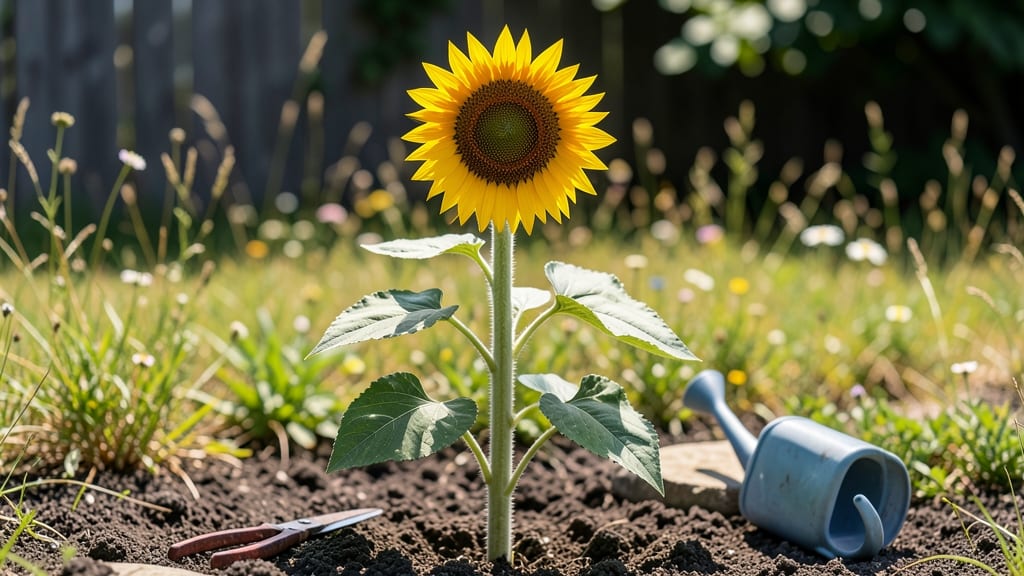
Documenting sunflower stages of growth pictures is like capturing a living time-lapse—each phase, from delicate sprouts to sun-drenched blooms, unfolds with breathtaking speed. 🌻 I’ve watched my own plants go from tiny sprouts to 10-foot giants in just three months, and the transformation is nothing short of magical—if you know where to look. what to expect at each step.
The journey starts with germination, where a seed pushes through the soil in 5-10 days if kept warm and moist. Then comes the seedling stage, with those first leaves unfurling into jagged, serrated shapes.
By week 4, you’ll spot the true leaves forming, signaling rapid growth ahead—this is when sunflowers drink up water and nutrients like there’s no tomorrow.
By week 6, the flower buds form, and by week 8, you’ll see the iconic blooms opening wide, their centers packed with seeds. The best part? Each stage gives you clues about what your plants need—more water here, a little support there—to reach their full, sun-drenched potential.
Whether you’re growing for cut flowers, birdseed, or just the joy of watching them rise, this visual guide makes every phase clear. Let’s dive into the details so you never miss a moment of their incredible journey.
📚 In This Guide
- What you need
- Instructions
- Tips and common mistakes
- Wrapping up and next steps
What you need
- ● Sunflower seeds: Choose heirloom or hybrid varieties (e.g., ‘Mammoth’ or ‘Teddy Bear’). Buy 1–5 packets (50–100 seeds per packet) for a full visual guide.
- ● Growing containers: Seedling trays (50+ cells) or
- ● Biodegradable pots (2–3 inches deep) for transplanting.
- ● Potting mix: Lightweight, well-draining blend (e.g., 50% peat moss + 50% perlite). A 5-gallon bag covers ~20 seedlings.
- ○ Garden soil (optional for direct sowing): Loamy, fertile soil with pH 6.0–7.5. Test kits ($10–$20) help if unsure.
- ● Watering can or spray bottle: Fine mist for seedlings; a 1-gallon can for mature plants.
- ● Fertilizer: Balanced 10-10-10 (start with seedlings) or
- ● Slow-release granules (e.g., Osmoote) for long-term growth.
- ● Stakes or cages: 3–5 ft tall (for tall varieties like ‘Russian Giant’). 3–5 stakes per plant.
- ○ Camera or smartphone: For documenting stages! A macro lens (optional) highlights details.
- ● Grow lights: LED bulbs (12–16 hrs/day) if indoor-starting seeds in cool climates.
- ● Mulch: Straw or wood chips to retain moisture and suppress weeds.
- ● Plant markers: Labels or popsicle sticks to track varieties and stages.
- ● Pruning shears: For shaping foliage or harvesting seeds later.
- ● Sunflower growth chart: Printable PDFs (free online!) to compare your plants’ progress.
How to identify sunflower growth stages visually
Tracking sunflower development is easier than you think—just watch for these key visual cues.
🌱 Step 1: Recognize Germination and First True Leaves
The journey begins when your seed sprouts its first tiny cotyledons—those initial leaves that look like small, rounded shields. These appear 7-14 days after planting, depending on soil warmth. They’re not true leaves but serve as the plant’s first energy source until the real leaves form.
Here’s the thing—don’t water from above once the seedling emerges. You’ll know moisture is right when the soil surface looks slightly damp but not glistening. Overwatering now can rot the delicate stem before it strengthens. Watch for the first true leaves (longer, narrower, and more pointed) to appear 10-14 days after germination. These mark the transition to the seedling stage and signal it’s time to thin crowded sprouts.
🌿 Step 2: Track Vegetative Growth to Stem Elongation
Once the seedling has 4-6 true leaves, it enters the vegetative growth stage, where the plant focuses on building a strong stem and leaf structure. You’ll notice the leaves grow larger and more complex, with jagged edges. This phase lasts 3-6 weeks and is critical for the plant’s future height and bloom.
Pay attention to the stem thickness—it should feel sturdy, not hollow or weak. If your sunflower starts leaning toward the light, it’s leggy and needs more sunlight or a support stake. At this point, the plant’s central stem will begin to dominate, and side shoots (if any) should be removed to direct energy upward.
☀️ Step 3: Spot the Bud Formation and Pre-Bloom Phase
The most exciting shift happens when the bud forms at the top of the stem. You’ll see a small, fuzzy, green bump that looks like a tiny artichoke. This bud signals the pre-bloom stage, which occurs 4-8 weeks after the first true leaves appear. The bud will grow rapidly, sometimes expanding 1-2 inches per day under ideal conditions.
Real talk: if the bud feels soft or looks waterlogged, you’re overwatering. Sunflowers need deep watering 2-3 times per week (not daily) to avoid fungal issues. The bud will eventually split open, revealing the disk flowers inside—this is your cue that bloom is imminent.
✂️ Step 4: Observe Full Bloom and Post-Flowering Changes
When the sunflower fully blooms, its petals will unfurl completely, and the center disk will turn from green to yellow or brown, depending on the variety. This stage lasts 5-10 days, during which the flower attracts pollinators and produces seeds. The petals will start wilting at the edges first—don’t panic, this is normal.
After blooming, the disk flowers mature into seeds, and the petals drop off. The seed head will turn brown and dry, signaling it’s time to harvest. If you’re growing sunflowers for cut flowers, snip the stem just below the bloom when the petals are fully open but before they wilt. For seed production, leave the head on the plant until it’s fully dry and the back of the seed head turns brown.
Tips & tricks for perfect sunflower growth tracking
Common pitfalls—and how to sidestep every one—when monitoring sunflower development from seed to bloom.
Visual Cues for Early Stages: The cotyledons in Step 1 appear as two rounded shields, not oval leaves. If yours look irregular or yellowing, check for overwatering—the soil should feel damp but not soggy. I've seen seedlings collapse when watered from above, so always use a gentle watering can or drip system at the base. The transition to true leaves (longer, pointed) at 10-14 days is your first clear sign of healthy progress.
Leggy Stem Prevention: In Step 2, that "leggy" warning isn't just about looks—it's about structural integrity. If your sunflower leans dramatically, it's struggling to support its own weight. I've had plants snap under their own weight during storms. Install support stakes early (before the 4-6 leaf stage) and remove side shoots immediately—they drain energy from the main stem. Think of it as pruning for strength.
Bud Development Watch: The bud in Step 3 grows faster than you'd expect—sometimes 1-2 inches per day under ideal conditions. Here's what nobody tells you: if the bud feels soft or looks waterlogged, you're overwatering. Sunflowers need deep watering 2-3 times per week, not daily. I've seen buds split prematurely from excess moisture, ruining the bloom. The key is to water deeply but infrequently, letting the soil dry slightly between sessions.
Harvest Timing Secrets: For cut flowers, that "fully open but before they wilt" window in Step 4 is crucial. I've learned the hard way that waiting too long makes stems woody and shortens vase life. The best time is when petals are fully unfurled but still firm to the touch. For seed production, wait until the back of the seed head turns completely brown—this ensures maximum seed development. Don't rush it; patience here pays off with higher germination rates.
Pro Tips for Sunflower Stages Of Growth Pictures
- Common pitfalls—and how to sidestep every one—when monitoring sunflower development from seed to bloom.
- Visual Cues for Early Stages: The cotyledons in Step 1 appear as two rounded shields, not oval leaves. If yours look ...
- Leggy Stem Prevention: In Step 2, that "leggy" warning isn't just about looks—it's about structural integrity. If you...
Frequently asked questions
about sunflower growth stages—because every gardener deserves a little clarity!How long does it take for sunflowers to reach full bloom from seed?
Most sunflower varieties bloom 80–120 days after planting, depending on the type. Dwarf varieties (like ‘Teddy Bear’) may bloom in 60–70 days, while giant varieties (like ‘Mammoth’) can take up to 140 days. Check your seed packet for specifics!
Why are my sunflower leaves turning yellow or brown?
Yellowing leaves often signal overwatering or nutrient deficiency (like nitrogen or magnesium). Brown edges? Underwatering or heat stress might be the culprit. Ensure well-draining soil and water deeply 1–2 times per week (adjust for rain).
Can I speed up sunflower growth?
Sunflowers thrive in full sun (6+ hours/day) and warm soil (70°F+). Use black plastic mulch to warm roots early, or plant after the last frost. Fertilize lightly with 5-10-10 at planting, but avoid overdoing it—sunflowers prefer lean soil!
What if my sunflower seedling looks weak or leggy?
Leggy seedlings need more light! Move them to a sunnier spot or use a grow light for 12–16 hours/day. Thin seedlings to 12–24 inches apart (depending on variety) to reduce competition. Avoid transplant shock by hardening off seedlings first.
How do I know when sunflowers are ready to harvest?
For seeds: Wait until the back of the flower head turns yellow/brown and the petals droop. Harvest by cutting heads and drying them upside-down in a dark, dry place for 2–3 weeks. For greens: Pick young leaves (like chard) when 12–18 inches tall—they’re tender and delicious!
Wrapping up and next steps
Watching your sunflower grow from a tiny seedling to a towering bloom is a rewarding journey! 🌻 By recognizing each stage of growth—from germination to seed formation—you’ll gain confidence in nurturing these cheerful giants.
Whether you’re a gardening newbie or a seasoned green thumb, every phase offers a chance to learn and celebrate nature’s progress.
Ready to take the next step? Plant a seed today and document its transformation with photos—your sunflower’s growth story will inspire others! 🌱