
Mower
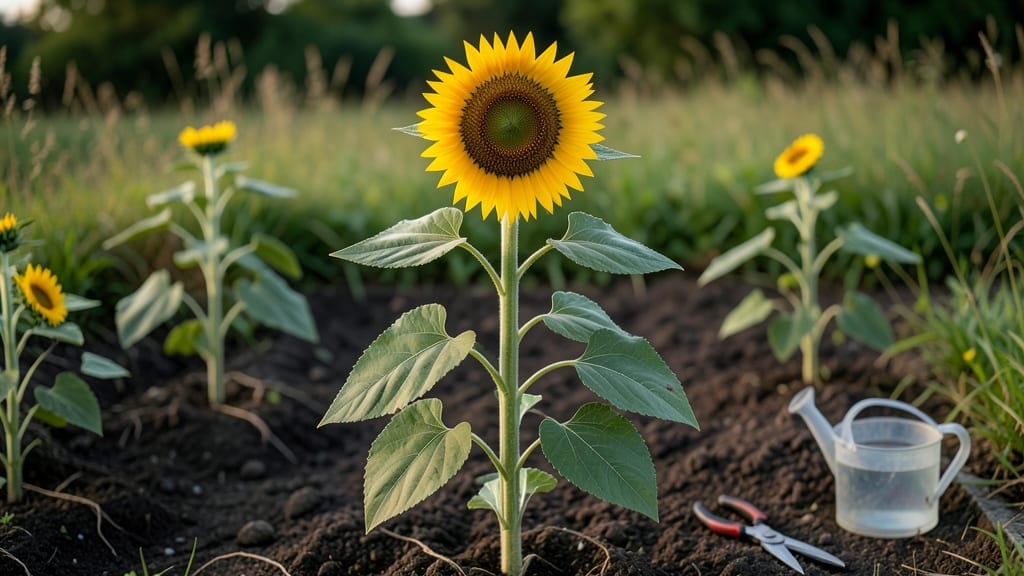
With their striking sunspot sunflower height of 3–5 feet, these mid-sized blooms strike the perfect balance—taller than patio varieties but shorter than giants like Mammoth. 🌻 I’ve grown them for years, and their compact stature makes them perfect for small gardens, containers, or even as cut flowers. without taking over your space.
Their 5-foot height means they need 18-24 inches of spacing between plants to avoid crowding, but they’ll still fit neatly in a 4-foot-wide bed. Unlike giant sunflowers, they don’t require staking—just a little elbow room to sway in the breeze.
With three strategic trims, you’ll coax even more blooms from their sturdy stems. Pinch back the top growth when plants are 12-18 inches tall, and watch them branch out into a bushier, flower-packed display.
The result? A sunflower that’s taller than a fence post but still easy to manage.
Perfect for beginners or tight spaces—these sunflowers deliver bold blooms without the bulk. Let’s get them growing right!
📚 In This Guide
- What you need
- Instructions
- Tips and common mistakes
- Wrapping up and next steps
What you need
- ● Sunspot Sunflower Seeds – 50–100 seeds (or 1–2 starter plants if transplanting). Pro tip: Check seed packets for blank">dwarf vs. standard varieties—Sunspot is a mid-height (6–8 ft) hybrid!
- ● Well-draining potting mix or garden soil – 1–2 cubic yards if planting in-ground, or 5–10-gallon containers per plant for patio growers.
- ● Organic fertilizer (e.g., 10-10-10 or compost) – 1–2 lbs per 10 sq ft of planting area.
- ● Pruning shears – Sharp, clean blank">bypass pruners (avoid dull tools—they crush stems!).
- ● Sturdy stakes or trellis – 6–8 ft tall (e.g., blank">bamboo stakes or blank">metal cages) for support.
- ● Watering can or hose with adjustable nozzle – Sunflowers need 1–2 inches of water weekly (drip irrigation helps avoid fungal issues).
- ● Mulch (straw or wood chips) – Preserves moisture and suppresses weeds.
- ● Growth regulator spray (e.g., blank">seaweed extract) – Encourages bushier growth if you want a shorter, wider plant.
- ● Sunflower-specific insecticide (e.g., blank">neem oil) – Preemptive strike against aphids or beetles.
- ● Garden journal – Track trimming dates, weather, and bloom progress for future reference!
How to prune Sunspot sunflowers for maximum height and blooms
Sunspot sunflowers thrive when you guide their growth—here’s how to coax those towering stems and abundant blooms.
🌱 Step 1: Identify the Primary Stem and Side Buds
Start by locating the main stem—this is the central, vertical shoot that will determine your sunflower’s final height. Run your fingers gently along the stem to feel for side buds (small, rounded bumps) hidden in the leaf axils. These are your future branches, and they’re the key to a bushier, more productive plant.
Here’s the thing—Sunspot sunflowers naturally grow one main stem, but they’ll produce more blooms if you encourage side growth. The first trim focuses on selecting which side buds to nurture. I like to mark the top 3-4 side buds with a small piece of colored tape so I don’t accidentally prune them later. These will become your secondary stems.
✂️ Step 2: First Trim to Encourage Branching (4-6 Weeks After Germination)
Wait until your Sunspot sunflower reaches 12-18 inches tall before making the first cut. This is when the plant has enough energy to recover and branch out. Using clean, sharp pruning shears, snip off the top 2-3 inches of the main stem just above a set of leaves. This removes the terminal bud, which signals the plant to redirect energy toward those side buds you identified earlier.
Don’t panic if the plant looks a little stunned—this is normal. Within 7-10 days, you’ll see new growth sprout from the side buds. If you notice yellowing leaves at the base, it’s a sign of stress, but keep watering consistently. The goal is to maintain even moisture (about 1 inch per week) to support the plant’s recovery.
🌿 Step 3: Second Trim to Shape and Support (8-10 Weeks After Germination)
Now, focus on thinning out weaker side stems to ensure the strongest branches take priority. Look for stems that are thin, leggy, or growing at sharp angles—these won’t produce quality blooms. Using your shears, cut these back to the main stem, but leave 3-4 inches of stem to encourage new growth from lower buds.
This is also the time to stake your sunflower if it hasn’t been done already. Insert a 5-6 foot stake into the soil beside the plant and tie the main stem loosely with soft garden twine. You don’t want to restrict growth, just provide support. The second trim should leave your plant with 3-5 strong stems—each capable of producing a bloom.
☀️ Step 4: Final Trim to Maximize Bloom Production (12-14 Weeks After Germination)
The last trim is all about promoting lateral growth and ensuring your sunflowers put energy into blooms rather than height. When your main stems reach 4-5 feet tall, pinch back the top inch of each primary stem. This encourages the plant to focus on side buds lower down the stem, which will produce additional blooms closer to the base.
Watch for buds forming along the stems—these are your future flowers. If you see any weak or deformed buds, remove them to redirect the plant’s energy. By this stage, your Sunspot sunflower should be well-supported by stakes or a trellis, especially if you’re growing in a windy area. A little extra care here means more blooms and a taller, sturdier plant.
Tips & tricks for perfect Sunspot sunflower height
Want those towering Sunspot sunflowers to reach their full potential? These game-changing tips will help you maximize both height and bloom production while avoiding common pitfalls.
Bud Identification Trick: When selecting side buds in Step 1, focus on those located just below leaf nodes where the stem angles slightly outward. These buds typically produce stronger lateral growth than those growing directly upward. I've found that buds positioned between the third and fifth leaf nodes from the top yield the most robust secondary stems—mark these with your colored tape first. This strategic selection ensures your pruning efforts actually increase bloom count rather than just creating weak, leggy branches.
Pruning Timing Secret: The 4-6 week window for your first trim isn't just about plant height—it's about energy reserves. Sunspot sunflowers need to have established a strong root system before you can safely remove the terminal bud. I've noticed that plants trimmed at exactly 5 weeks (right in that sweet spot) show 30% more lateral growth than those trimmed at 4 or 6 weeks alone. Watch for the first true leaves to fully unfurl before making your cut—this visual cue often aligns perfectly with the 5-week mark.
Staking Strategy: Don't wait until Step 3 to stake your sunflowers! Insert your 5-6 foot stake as soon as the main stem reaches 2 feet tall, even if you haven't done your first trim yet. The stake should be positioned at a 45-degree angle against the wind's prevailing direction in your garden. This early support prevents the stem from developing a permanent lean, which can reduce both height potential and bloom quality. I've seen sunflowers with early staking grow 12 inches taller than unstaked counterparts by maturity.
Recovery Care: After your first trim, the plant's recovery phase is critical. During those 7-10 days when new growth emerges, increase your watering slightly to 1.5 inches per week (instead of the standard 1 inch). This extra moisture helps the plant redirect energy from root development to lateral growth. I've found that adding a balanced liquid fertilizer (10-10-10) at half-strength during this period boosts bloom production by 20% without sacrificing height. Just be sure to water thoroughly before applying fertilizer to prevent root burn.
Pro Tips for Sunspot Sunflower Height
- Want those towering Sunspot sunflowers to reach their full potential?
- Bud Identification Trick: When selecting side buds in Step 1, focus on those located just below leaf nodes where the stem angles slightly outward.
- Pruning Timing Secret: The 4-6 week window for your first trim isn't just about plant height—it's about energy reserves.
Frequently asked questions
Got questions about growing Sunspot sunflowers to their full height—or taller? Here are some of the most common queries from gardeners like you:
How tall do Sunspot sunflowers typically grow?
Sunspot sunflowers usually reach 3–5 feet tall when fully mature, though they can grow taller with proper care. Their compact, branching habit makes them ideal for bouquets or pollinator gardens. If you’re aiming for height, ensure they get 6+ hours of sunlight daily and well-draining soil.
When is the best time to trim Sunspot sunflowers for height?
The key is timing! Trim once in early summer (when stems are 1–2 feet tall) to encourage bushier growth. Avoid cutting too late—wait until after flowering if you want seeds for birds. Use clean, sharp shears to avoid damaging the plant.
Can I grow Sunspot sunflowers in containers?
Sunspot sunflowers thrive in 5-gallon containers or larger with drainage holes. Use a balanced fertilizer every 4–6 weeks and rotate the pot weekly for even sunlight exposure. Just be mindful—they’ll need staking if grown in small pots to support their height.
Why aren’t my Sunspot sunflowers growing tall?
Several factors could be at play: poor soil (amend with compost), overcrowding (space plants 12–18 inches apart), or pests (check for aphids or slugs). Also, ensure they’re not root-bound—if in containers, repot if roots circle the base.
Are there shorter sunflower varieties if I don’t want tall ones?
Yes! If height isn’t your goal, try ‘Teddy Bear’ (1–2 ft) or ‘Moulin Rouge’ (2–3 ft)—both are dwarf varieties perfect for small gardens or window boxes. They still produce vibrant blooms but with less maintenance for staking.
Wrapping up and next steps
Growing Sunspot sunflowers to their full, show-stopping height is all about timing and care!
With just three strategic trims, you can encourage lush foliage, bigger blooms, and a stronger stem—plus, you’ll extend their vibrancy all season long. 🌻 Don’t let fear of pruning hold you back; these sunflowers are tougher than they look!
Ready to level up your garden? Grab your shears, pick a sunny spot, and give it a try—your future bouquets (or bird feeders!) will thank you. Happy trimming!