
Blooming
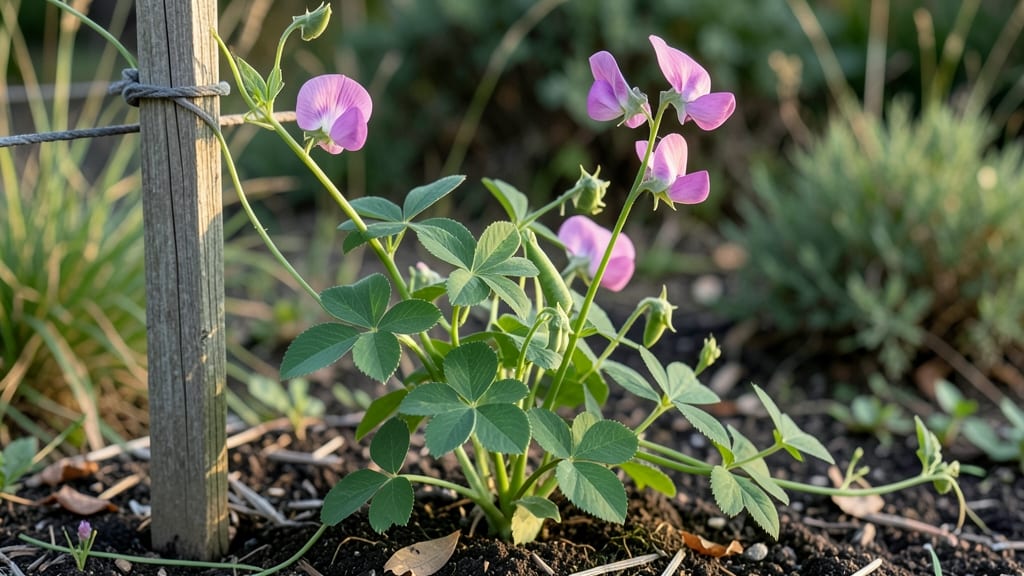
The demonstrative the fits best here: "The sweet pea flowering time arrives just 3-4 weeks after planting, transforming your garden into a fragrant, velvety canopy that hummingbirds can't resist." and the flowers kept coming in waves until frost.
The secret isn't just timing; it's understanding how your climate, variety, and care routine work together to stretch that flowering window.
Most gardeners plant sweet peas in early spring, but autumn varieties thrive in cooler climates, blooming right up until the first hard frost. In warmer zones, you might get two cycles if you plant early and late.
The key factors? Consistent moisture, sturdy trellises, and deadheading spent blooms—all of which I'll walk you through to keep your plants producing for weeks longer than the average garden.
What you'll end up with is a garden that smells like childhood memories—sweet, intoxicating, and impossible to ignore. The flowers arrive in cascades of color, with each new bloom opening like a gift.
Even in small spaces, these climbers create drama, and the fragrance lingers on your clothes long after you leave the garden.
Whether you're in a temperate zone with crisp springs or a tropical climate where heat can shorten blooms, these adjustments will ensure your sweet peas perform their best. Let's make sure your garden becomes that fragrant focal point everyone admires—and maybe even envies.
📚 In This Guide
- What you need
- Instructions
- Tips and common mistakes
- Wrapping up and next steps
What you need
- ● Sweet pea seeds: 10–20 seeds (varies by desired coverage; choose early-blooming varieties like 'Cupani' or 'Spencer' for faster results).
- ● Growing containers or garden bed: For containers: 1–2 deep pots (6+ inches) per plant, with drainage holes.
- ● For garden beds: Well-draining soil in a sunny spot (6+ hours of sunlight daily).
- ● Potting mix: 1 bag of high-quality, peat-free seed-starting mix (or garden soil amended with compost).
- ● Fertilizer: Balanced, water-soluble fertilizer (5-10-5 ratio) or organic options like fish emulsion.
- ● Support structure: 1–2 trellises, stakes, or cages (5–6 feet tall) per plant to encourage vertical growth.
- ● Watering can or hose: With a gentle spray nozzle for consistent moisture.
- ● Seed-starting trays with clear domes (for indoor sowing).
- ● Grow lights (if starting seeds indoors before last frost).
- ● Mulch (straw or shredded leaves) to retain soil moisture.
- ● Peat moss or perlite for improving drainage in heavy soils.
- ● Plant labels to track varieties and blooming progress.
How to time sweet pea blooms for a continuous fragrant display
Sweet peas thrive when you plan their care around their natural growth rhythm.
Plant at the Right Time for Seasonal Success
Sweet peas need cool weather to flower well—plant them 4-6 weeks before your last frost date in spring or 8-10 weeks before first frost in fall. For a summer-long display, stagger plantings every 2 weeks so blooms overlap. I always start with the earliest varieties first, then follow with mid- and late-season types.
Choose a spot with full sun to partial shade (morning sun, afternoon shade works best in hot climates). The soil should drain well—soggy roots lead to weak stems and fewer blooms. Amend heavy soil with compost before planting to improve aeration. You'll see the first true leaves emerge in 10-14 days—that's your cue to monitor for pests like slugs.
Support and Train Vines for Optimal Bloom Production
Sweet peas need strong support from day one. Install 5-6 foot tall trellises or stakes at planting time—vines grow aggressively and will collapse without support. I use bamboo canes tied with twine for a rustic look, but metal cages work too. Train the main stem along the support, gently weaving side shoots through the trellis as they grow.
Pinch off the first few flowers that appear until the vine reaches 3-4 feet tall. This may seem counterintuitive, but redirecting energy to vine growth results in stronger stems and more abundant blooms later. You'll notice the first buds form about 6-8 weeks after planting—that's when regular deadheading becomes critical.
Maintain Consistent Watering and Fertilizing
Sweet peas need 1-1.5 inches of water weekly, delivered at the base of the plant to keep foliage dry and prevent fungal diseases. Water in the early morning to allow leaves to dry before evening. You'll know you're doing it right when the soil feels moist but not soggy 2 inches below the surface. Overwatering causes root rot, while underwatering leads to weak stems that can't support blooms.
Feed with a balanced fertilizer (10-10-10) when buds first appear, then switch to a low-nitrogen, high-phosphorus formula (5-10-10) to encourage flowering. I make a habit of side-dressing with compost tea every 3 weeks to boost natural nutrients. Watch for yellowing leaves—this usually means too much nitrogen, which stunts flowers.
Deadhead and Extend the Bloom Season
Remove spent blooms daily by pinching off the flower stem just above the first set of leaves. This prevents seed pods from forming and redirects the plant's energy into producing new blooms. I use small pruning shears for efficiency, especially when vines are heavy with flowers. You'll see a surge of fresh buds within 3-5 days of consistent deadheading.
To prolong blooming, cut back one-third of the oldest growth after the first flush of flowers fades. This rejuvenates the plant and often triggers a second wave of blooms 4-6 weeks later. Harvest flowers in the early morning when they're fully open for the longest vase life. The fragrance peaks at this time too—perfect for cutting arrangements.
Tips & tricks for perfect sweet pea bloom timing
Timing is everything when it comes to coaxing sweet peas into their full fragrant display—here's what I've learned after years of trial and error.
Planting Precision: The 4-6 week window before last frost is non-negotiable for spring plantings. I've found that planting too early in warm soil causes seeds to rot, while waiting too long results in leggy, weak stems. For fall plantings, the 8-10 week rule before first frost gives roots time to establish before cold sets in. Mark your calendar and set reminders—those 2-week staggered plantings make all the difference for continuous blooms.
Support System Matters: Don't skimp on trellis height! Those 5-6 foot tall supports aren't just for looks—they allow vines to grow vertically where they get maximum sunlight and air circulation. I've seen sweet peas collapse under their own weight when using shorter supports. Install your trellises at planting time so roots can grow toward them naturally. The first true leaves appearing in 10-14 days is your signal to start training vines immediately.
Watering Wisdom: The 1-1.5 inches weekly measurement is crucial, but timing matters just as much. I water in the early morning because it gives foliage time to dry completely before evening. Wet leaves overnight create perfect conditions for fungal diseases. Stick your finger 2 inches into the soil—it should feel moist but not soggy. This moisture check prevents both overwatering (which causes root rot) and underwatering (which leads to weak stems).
Fertilizer Strategy: That switch from balanced 10-10-10 to low-nitrogen 5-10-10 when buds appear is key. Too much nitrogen at the wrong time will give you lush foliage but no flowers. I've made this mistake—my plants grew like jungles but produced almost no blooms. The 3-week compost tea schedule keeps nutrients flowing without overwhelming the plants. Watch for yellowing leaves as your early warning system for over-fertilizing.
Pro Tips for Sweet Pea Flowering Time
- Timing is everything when it comes to coaxing sweet peas into their full fragrant display—here's what I've learned after years of trial and error.
- Planting Precision: The 4-6 week window before last frost is non-negotiable for spring plantings.
- Support System Matters: Don't skimp on trellis height!
Frequently asked questions
Got questions about getting your sweet peas to bloom on time? Here are some of the most common concerns—and their answers—to help you grow a fragrant, flower-filled garden!
When will my sweet peas start flowering after planting?
Sweet peas typically bloom 8–12 weeks after planting seeds (or 6–8 weeks from transplanting). Early varieties like 'Cupani' may flower in as little as 60 days, while heirlooms like 'Spencer' take closer to 90–100 days. Cool weather (50–65°F) speeds up flowering, so plant in early spring or late summer for best results.
Why aren’t my sweet peas blooming yet?
If your plants are tall but flowerless, check these common culprits:
- Insufficient sunlight: Sweet peas need 6+ hours of direct sun daily. Move them to a sunnier spot or prune nearby shade-casters.
- Overcrowding: Thin seedlings to 4–6 inches apart to reduce competition for nutrients.
- Lack of support: Without a trellis or stake, vines may focus energy on climbing instead of blooming.
- Nutrient deficiency: Feed with a balanced fertilizer (10-10-10) or compost when vines reach 6 inches tall.
Do sweet peas bloom longer in hot or cold weather?
Sweet peas thrive in cool weather (50–65°F) and may stop blooming if temperatures rise above 75°F. For extended flowering:
- Plant in early spring or late summer to avoid peak heat.
- Provide afternoon shade in hot climates with lightweight shade cloth.
- Deadhead spent blooms to encourage continuous flowering.
Can I force sweet peas to bloom earlier?
While you can’t rush nature, you can optimize conditions for faster blooms:
- Start seeds indoors 6–8 weeks before last frost for an early jumpstart.
- Use cool-season fertilizers (high in phosphorus) to boost root and flower development.
- Choose dwarf varieties like 'Tom Thumb' (50–60 days to bloom) for quicker results.
- Avoid transplant shock by hardening off seedlings gradually before moving outdoors.
What’s the best way to prolong sweet pea blooms?
To enjoy flowers for weeks (or even months), follow this care routine:
- Deadhead regularly: Snip off faded blooms to redirect energy to new flowers.
- Water consistently: Keep soil evenly moist (not soggy) to prevent stress.
- Fertilize lightly: Use a low-nitrogen feed (like 5-10-10) every 3–4 weeks.
- Extend the season: In warm climates, plant a second crop in late summer for fall blooms.
Wrapping up and next steps
Understanding the sweet pea flowering time is your key to unlocking a fragrant, vibrant garden in just three weeks! With the right variety, timing, and care, you’ll enjoy a burst of color and scent—whether you’re a seasoned gardener or just starting out. 🌸
Ready to transform your space? Plant your sweet peas today and track their progress with our timeline. Before you know it, you’ll be surrounded by blooms that’ll make your garden the envy of the neighborhood!