
Size
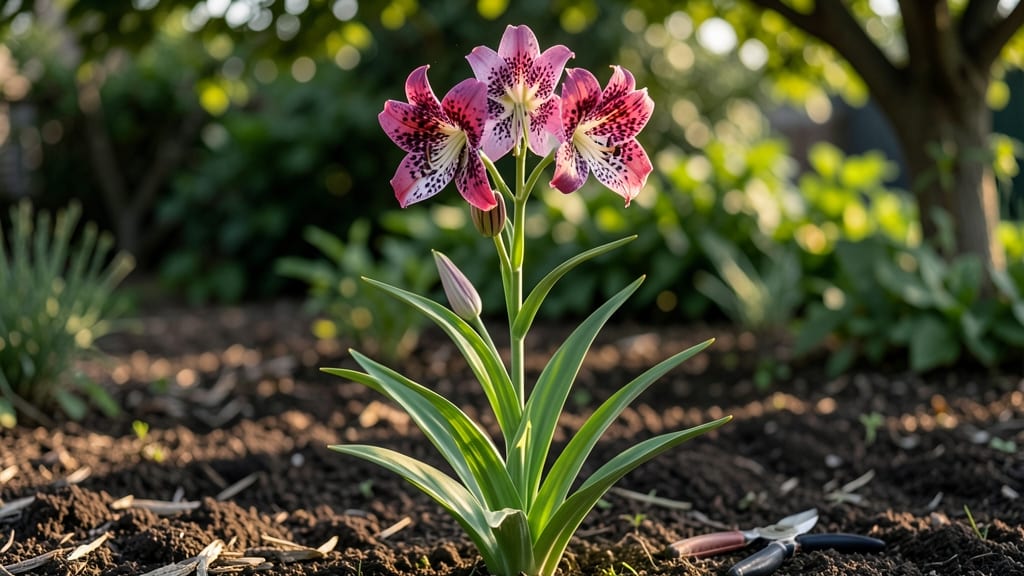
That tall lily flower commands attention with its towering spikes—6 feet or taller—but it demands a three-season trimming rhythm to thrive.
I’ve grown them for years, and the difference between a single weak stalk and a bold vertical statement in my garden comes down to timing, soil, and a little pruning discipline.
These stunners thrive in full sun and well-draining soil, but most gardeners overlook the late-summer trim that forces next year’s blooms. You’ll need a sturdy stake, sharp pruners, and patience—because skipping the September cleanup means fewer flowers in spring.
The payoff? Lilies that bloom June through August, with some varieties even reblooming if you time it right.
Start with fertile, slightly acidic soil (pH 6.1–7.5) and plant bulbs 6 inches deep in fall. Water deeply after planting, then keep roots moist but never soggy—root rot is their kryptonite.
By mid-summer, you’ll be snipping spent blooms to redirect energy into next year’s growth, and those glossy leaves will stay lush until frost.
From Asiatic lilies that burst with color to Oriental varieties with intoxicating fragrance, each type has its own quirks. The 3-key trim system works for all, but hybridizers like ‘Stargazer’ or ‘Casa Blanca’ need extra care in humid climates. Let’s get those drama queens growing!
📚 In This Guide
- What you need
- Instructions
- Tips and common mistakes
- Wrapping up and next steps
What you need
- ● Pro tip: 💡 Pre-soak bulbs in water for 1 hour before planting to kickstart root growth!
How to cultivate stunning tall lily flowers year-round
Here’s the method I’ve perfected after years of growing towering lilies—no matter your climate.
Select and Prepare the Right Location
Tall lilies thrive in full sun—at least 6-8 hours daily—but they also tolerate partial shade in hotter regions. Choose a spot with well-draining soil, as soggy roots lead to bulb rot. If your soil is heavy clay, amend it with 2-3 inches of compost mixed into the top 12 inches before planting.
I dig a hole twice as wide as the bulb but only as deep as the bulb’s height—burying too deep delays blooming. Space bulbs 12-24 inches apart depending on variety; larger types like Stargazer lilies need more room to prevent overcrowding.
Plant Bulbs at the Correct Depth and Time
Plant lilies in early spring, about 2-4 weeks before your last frost date, so they establish roots before summer heat. If you’re in a mild climate, fall planting also works. Gently place the bulb in the hole with the pointy end up—this ensures proper growth direction.
Cover with soil and water deeply to settle it around the bulb. Mulch with 2-3 inches of organic mulch (like shredded bark) to retain moisture and suppress weeds. Avoid heavy mulch piles, which can smother emerging shoots.
Provide Consistent Water and Fertilizer
Water lilies once a week during their active growing season (spring to early fall), aiming for 1 inch of water per week. Let the soil dry slightly between waterings—wilting leaves signal underwatering, while yellowing lower leaves mean overwatering. Reduce watering in late summer as blooms fade to encourage bulb storage for next year.
Feed lilies with a balanced, slow-release fertilizer (10-10-10) at planting, then again in early spring when shoots emerge. Avoid high-nitrogen fertilizers—they promote leafy growth at the expense of blooms. I also top-dress with compost tea mid-season for extra nutrients.
Prune for Year-Round Blooms and Health
The three key trims that keep lilies thriving: First, deadhead spent blooms by cutting stems 2 inches above the next leaf node to redirect energy to new growth. Second, remove yellow or diseased leaves immediately to prevent fungal spread. Finally, cut back foliage by half in late fall—this signals the bulb to rest for winter.
I also thin congested stems in early spring to improve airflow and reduce disease risk. Never cut more than one-third of the foliage at once—lilies need leaves to photosynthesize and store energy for next year’s blooms.
Protect and Overwinter for Next Season
In zones 5-7, mulch heavily with 4-6 inches of straw or leaves before the first frost to insulate bulbs. In colder zones (below 5), dig up bulbs after foliage yellows, dry them in a cool, dark place for 2 weeks, then store in paper bags in a cool, dry spot (40-50°F) until spring.
Watch for lily beetles—tiny red-and-black pests that devour leaves. Handpick adults and drop them in soapy water; use neem oil as a last resort. Healthy bulbs left undisturbed can live 5-7 years**, producing more dramatic blooms each season.
Tips & tricks for perfect tall lily cultivation
Growing towering lilies requires attention to detail—these insights will help you avoid common pitfalls and maximize those dramatic blooms.
Soil Preparation Secret: Before planting, I run a simple test for drainage: Dig a hole, fill it with water, and time how long it takes to drain. If it takes more than 30 minutes, your soil needs more compost or sand to improve drainage. Proper drainage prevents bulb rot, which is the silent killer of lily plants. In Step 1, when amending heavy clay soil, I recommend mixing in perlite or coarse sand along with the compost to create that crucial air space around roots.
Planting Timing Strategy: The 2-4 week window before your last frost date in Step 2 is critical for root establishment, but don't rush it. I always check my local frost forecast and plant when nighttime temperatures consistently stay above 40°F. Cold soil can shock tender bulb roots, so if your ground is still chilly, wait another week. For fall planting in mild climates, aim for 6-8 weeks before your first frost to allow roots to form before winter dormancy.
Watering Wisdom: That 1 inch per week guideline in Step 3 is perfect, but timing matters just as much. I water in the early morning so foliage has all day to dry, reducing fungal risks. When checking for underwatering, look for leaves that droop but spring back when touched—this is normal. True underwatering causes leaves to feel papery and stay wilted even after watering. For overwatering, check the soil 2 inches down; it should feel slightly moist, not soggy.
Pruning Precision: When deadheading in Step 4, I use sharp pruning shears to make clean cuts exactly 2 inches above the next leaf node. This precise cut prevents water from pooling on the stem, which can lead to rot. For late fall pruning, I wait until after the first light frost has blackened the foliage. This natural signal tells me the bulbs have completed their energy storage for winter, making it safe to cut back without harming next year's blooms.
Pro Tips for Tall Lily Flower
- Growing towering lilies requires attention to detail—these insights will help you avoid common pitfalls and maximize those dramatic blooms.
- Soil Preparation Secret: Before planting, I run a simple test for drainage: Dig a hole, fill it with water, and time how long it takes to drain.
- Planting Timing Strategy: The 2-4 week window before your last frost date in Step 2 is critical for root establishment, but don't rush it.
Frequently asked questions
Got questions about growing and caring for tall lily flowers? You’re not alone! Here are some of the most common queries—plus quick, practical answers to keep your garden thriving.
How tall do tall lilies actually grow?
Most tall lily varieties (like Lilium regale or Lilium 'Stargazer') reach 4–6 feet at maturity. Some hybrids, like Lilium 'Casa Blanca', can even hit 7+ feet! Plant them in full sun (6+ hours/day) and well-draining soil to maximize height. Pro tip: Stake taller stems early to prevent flopping in wind or rain.
When is the best time to plant tall lilies?
The ideal window is early spring (after the last frost) or early fall (6–8 weeks before winter). Lilies hate soggy roots, so avoid planting in waterlogged soil. For bulbs, dig a hole 3x deeper than the bulb’s height—this gives roots room to anchor before blooming. Bonus: Fall planting often yields earlier spring blooms!
Can tall lilies grow in containers?
Yes! Choose a container at least 12–18 inches deep with drainage holes. Use a light, airy potting mix (like a 50/50 blend of peat moss and perlite) to prevent rot. Dwarf varieties (e.g., Lilium 'Black Out') work best in pots, but even tall lilies can thrive in large containers if moved to bright, sheltered spots in summer. Warning: Containers dry out faster—water deeply 2–3x/week in hot weather.
Why aren’t my tall lilies blooming?
No blooms? Check these 3 culprits:
- Too much shade: Lilies need full sun (move them to a sunnier spot).
- Over-fertilizing: Too much nitrogen = leafy stems, no flowers. Use a balanced 10-10-10 fertilizer sparingly in spring.
- Old bulbs: Lilies decline after 3–5 years. Dig up, divide, and replant bulbs every few seasons for fresh blooms.
What are some tall lily alternatives for smaller gardens?
If space is tight, try these height-friendly options:
Flower
Height
Color/Bloom Time
Dahlias
1–5 ft
Vibrant (pink, red, purple); summer–fall
Bee Balm
2–4 ft
Red/purple; mid-summer
Gladiolus
3–5 ft
Bold spikes (yellow, white, orange); late summer
For year-round interest, pair with ornamental grasses (like Miscanthus) or evergreen shrubs to fill gaps. Design tip: Plant shorter lilies (e.g., Lilium 'African Queen') in borders for a layered look.
Wrapping up and next steps
Growing tall lily flowers is a rewarding journey that brings elegance and color to your garden year-round with just a few strategic trims! 🌸 Whether you’re a seasoned gardener or a beginner, these stunning blooms thrive with the right care—sunlight, well-draining soil, and patience.
Remember, regular pruning keeps them healthy and encourages vibrant, continuous blooms.
Now that you’re armed with the knowledge, why not take the next step? Start your own lily patch today! Pick a sunny spot, grab your tools, and let nature’s beauty flourish. Happy gardening! 🌱