
Flowers
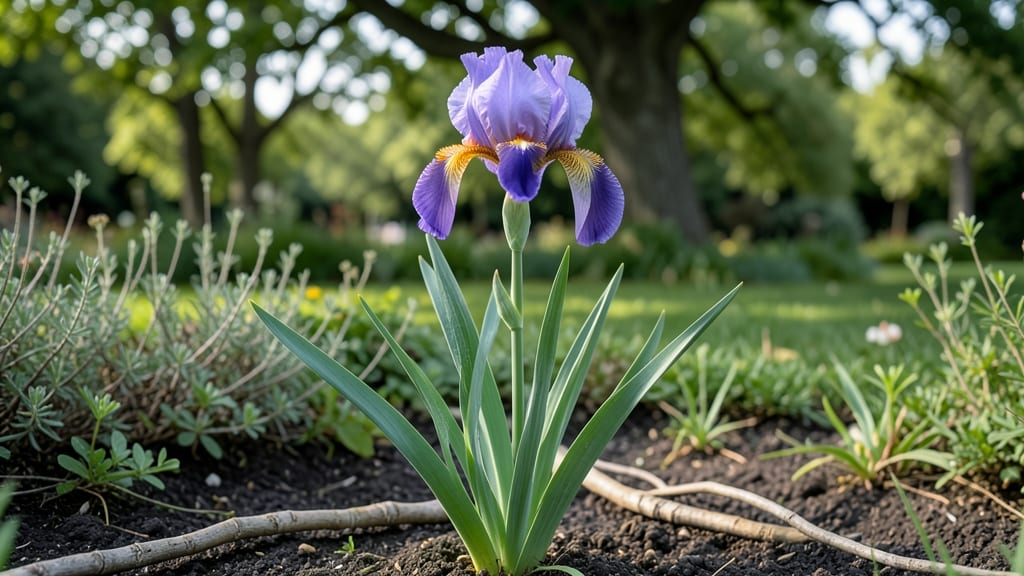
Growing Tennessee flower iris in your shade garden delivers bold purple drama that outshines most blooms. 🌿 This native beauty thrives where others struggle, its sword-like foliage and striking flowers lighting up partial shade spots that other plants avoid.
My first batch took root in a dappled woodland area where hostas faded by summer—now it's the star attraction every May.
The secret lies in its adaptability: moist, well-draining soil and morning sun with afternoon shade create perfect conditions, while its deep roots tolerate Tennessee's humid summers better than fussy imports. Plant rhizomes in early spring when soil reaches 60°F, spacing them 12-18 inches apart for dramatic clusters.
The first blooms appear within 6-8 weeks, and each plant multiplies over time.
What makes this iris special is its low-maintenance resilience. Once established, it needs minimal care—just occasional watering during droughts and division every 3-4 years to keep blooms vigorous.
The flowers attract hummingbirds and butterflies, while the foliage stays lush and green even in heat waves. By late summer, the seed pods add textural interest before winter.
Perfect for Tennessee gardens, woodlands, or shaded borders, this iris thrives in zones 4-9 and handles clay soil better than most. The only challenge? Resisting the urge to deadhead—those dried blooms feed next year's flowers. Ready to transform your shady spots into a purple paradise?
📚 In This Guide
- What you need
- Instructions
- Tips and common mistakes
- Wrapping up and next steps
What you need
- ● Pro tip: 💡 If your soil is heavy clay, mix in sand or grit to improve drainage—irises will reward you with vibrant, long-lasting blooms!
How to plant and care for Tennessee flower iris in shade gardens
These striking irises bring deep purple drama to shaded spots where others falter.
🌱 Step 1: Choose the Right Location and Soil
Tennessee flower irises thrive in partial to full shade with 6-8 hours of filtered light daily. Look for spots under tall trees where dappled sunlight moves across the ground—this mimics their native woodland understory. Avoid deep, dense shade where leaves stay dark green year-round; irises need some light to develop their signature bold color.
Amend the soil with 2-3 inches of compost before planting to improve drainage, which these irises demand. Tennessee irises hate soggy roots, so if your soil stays wet after rain, raise the planting area by mounding native soil or planting in a slightly elevated bed. A simple soil test will tell you if your clay-heavy soil needs extra organic matter—these irises prefer loamy, well-draining conditions.
🪴 Step 2: Plant Rhizomes at the Correct Depth and Spacing
Plant rhizomes in early spring or fall when soil temperatures are between 50-65°F. The tops of the rhizomes should sit just above soil level—never buried. I like to make a small mound of soil and place the rhizome on top, then fan out the roots before covering lightly. If buried too deep, they’ll rot; if too shallow, they’ll dry out.
Space rhizomes 12-18 inches apart in all directions to allow for future growth. These irises develop wide, dramatic foliage, so crowding leads to competition for nutrients and weaker blooms. After planting, water deeply to settle the soil around the roots, but avoid creating a puddle. You’ll know it’s right when water drains away within 10-15 minutes—no standing water.
☀️ Step 3: Water and Fertilize for Strong Growth
Keep the soil evenly moist but not soggy for the first 4-6 weeks after planting. Water deeply 2-3 times per week until new growth appears, then taper to once weekly during dry spells. Tennessee irises are drought-tolerant once established, but their first year needs consistent moisture to develop a strong root system. You’ll see healthy growth when leaves emerge bright green and upright, not yellow or floppy.
Apply a balanced, slow-release fertilizer (like 10-10-10) in early spring as new shoots appear. I like to sprinkle a handful around the base and lightly scratch it into the top inch of soil. Avoid high-nitrogen fertilizers—they promote leafy growth at the expense of blooms. These irises reward patience with bold, velvety purple flowers that appear in late spring to early summer, typically 6-8 weeks after planting.
✂️ Step 4: Prune and Divide for Long-Term Health
Deadhead spent blooms by cutting the stem back to the nearest leaf after flowering to encourage a second flush of blooms later in the season. This also keeps the plant looking tidy and prevents self-seeding, which can lead to overcrowding. Wait until late summer or early fall to cut back the foliage—leave the leaves until they yellow naturally to feed the rhizomes for next year’s growth.
Every 3-4 years, divide clumps in early spring when new shoots appear. Dig up the rhizomes, separate the sections with a clean knife, and replant the healthiest pieces. Discard any rhizomes that look soft, mushy, or have blackened spots—these are signs of rot. You’ll know you’ve done it right when each new planting has at least 3-4 fan-like leaves and a healthy rhizome base.
Tips & tricks for perfect Tennessee flower iris planting
These insider secrets will help your shade-loving irises thrive and deliver those stunning purple blooms year after year.
Lighting Secret: If you're working with dense shade, create your own filtered light effect by placing a sheer white fabric over the area for a few hours each morning. This mimics the dappled sunlight Tennessee irises love and can make all the difference in developing those signature deep purple hues. Think of it as giving your plants a gentle wake-up call each day.
Soil Preparation Pro Tip: For the 2-3 inches of compost called for in Step 1, I recommend using a mix of well-aged compost and coarse sand (about 20% sand). This creates the perfect drainage while still maintaining moisture retention. The sand prevents compaction that can lead to those dreaded soggy roots, while the compost provides essential nutrients. Spread it evenly over your planting area before adding your irises.
Planting Depth Visual Cue: When positioning your rhizomes just above soil level in Step 2, imagine you're placing a small coin on top of each rhizome. That's about how much should be exposed. This visual helps ensure you're not burying them too deeply (which causes rot) or leaving them too exposed (which leads to drying). The coin test works every time and eliminates guesswork.
Watering Timing Strategy: For that critical 10-15 minute drainage test after planting, set a timer and pour water around the base of each plant. When the water has completely disappeared from the surface and the soil below feels damp but not saturated, you've achieved perfect moisture balance. This simple test prevents both underwatering and overwatering during the crucial establishment period.
Pro Tips for Tennessee Flower Iris
- These insider secrets will help your shade-loving irises thrive and deliver those stunning purple blooms year after year.
- Lighting Secret: If you're working with dense shade, create your own filtered light effect by placing a sheer white fabric over the area for a few hours each morning.
- Soil Preparation Pro Tip: For the 2-3 inches of compost called for in Step 1, I recommend using a mix of well-aged compost and coarse sand (about 20% sand).
Frequently asked questions
Got questions about growing Tennessee Flower Iris in your shade garden? You’re not alone!
Here are answers to the most common queries—from planting tips to troubleshooting—so you can enjoy these bold purple beauties with confidence.
When is the best time to plant Tennessee Flower Iris?
The ideal window is early spring (March–April) or fall (September–October) in Tennessee’s climate. Planting in spring lets roots establish before summer heat, while fall gives them time to settle before winter dormancy. Avoid planting in extreme heat or frost—roots need consistent moisture to thrive!
How often should I water Tennessee Flower Iris?
These irises are drought-tolerant once established (after 2–3 years), but young plants need 1–2 inches of water weekly, especially during dry spells. Water at the base, not the leaves, to prevent fungal issues. Mulch lightly with shredded bark to retain moisture—just keep it 2–3 inches away from the rhizomes to avoid rot.
Can Tennessee Flower Iris grow in full shade?
Yes! Unlike many irises, this variety thrives in partial to full shade (2–6 hours of sunlight daily). It’s perfect for wooded gardens or under tall trees. However, avoid deep, soggy shade—ensure soil drains well to prevent rhizome rot. If leaves look pale, gradually acclimate plants to slightly more light over a few weeks.
Why aren’t my Tennessee Flower Iris blooms opening?
Bloom issues often stem from overcrowded rhizomes or poor light/nutrients. Dig up clumps every 3–4 years to divide and replant. Ensure they get at least 4 hours of morning sun and feed with a balanced, low-nitrogen fertilizer (10-10-10) in early spring. If blooms form but stay closed, check for thrips (tiny pests) and treat with neem oil if needed.
What are some shade-loving alternatives if Tennessee Flower Iris isn’t for me?
If you love bold foliage and low-maintenance plants, try:
- Hosta – Varieties like ‘Blue Angel’ offer lush leaves and occasional blooms.
- Astilbe – Feathery plumes in pink, white, or red; thrives in moist shade.
- Hellebore (Lenten Rose) – Winter-blooming with delicate flowers.
- Ferns (e.g., Japanese Painted Fern) – Textural contrast with minimal care.
Wrapping up and next steps
The Tennessee Flower Iris is a stunning, low-maintenance gem that brings bold purple drama to shade gardens—proving that even the darkest corners can bloom with beauty! 🌿 Whether you're a seasoned gardener or just starting, this iris is your ticket to vibrant, resilient foliage with minimal fuss.
Ready to transform your garden? Start by choosing the perfect spot, gathering your supplies, and planting with confidence!
Pro tip: Share your progress with fellow gardening enthusiasts—inspiration grows when we connect! 🌸