
Flowers
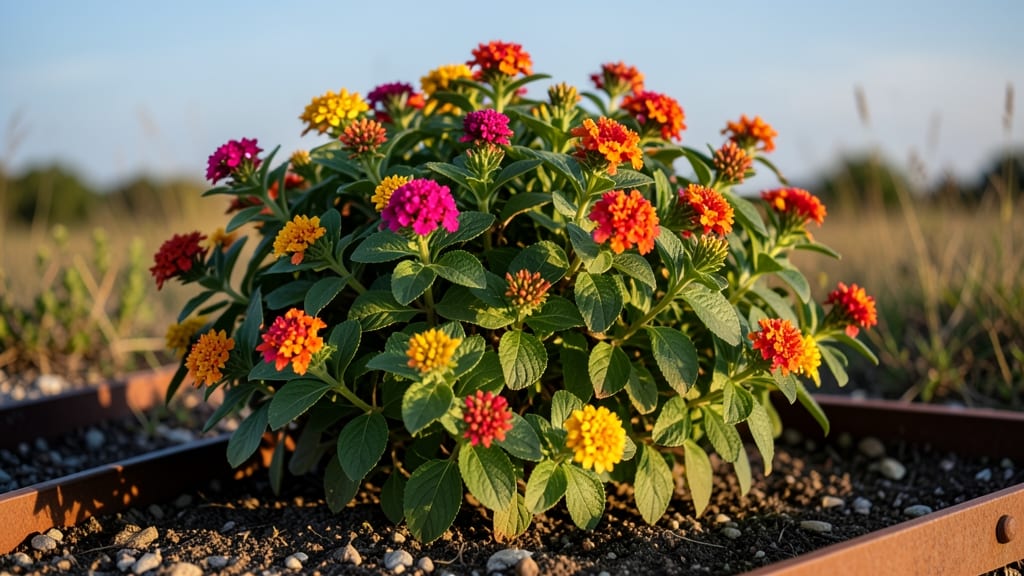
Texas flower gardening doesn’t need to mean wilting plants and endless watering—some blooms actually love the heat and dry spells. 🌵 I’ve spent years testing drought-resistant varieties that burst with color while barely sipping water, and the secret lies in choosing the right native plants for your region’s climate.
These aren’t just survivors; they’re showstoppers that keep blooming from spring through fall with minimal fuss.
The key starts with soil—amending heavy clay or sandy Texas dirt with compost makes all the difference, and mulching keeps moisture locked in.
Then it’s about the plants: think blackfoot daisy for sun-drenched borders, Mexican feather grass for texture, or autumn sage that hums with pollinators while needing almost no watering once established. Even in 100-degree summers, these will thrive where other gardens give up.
What you’ll end up with is a garden that stays lush and fragrant without the guilt of daily watering. Imagine purple salvia swaying in the breeze, bluebonnets spilling across rock beds, and evening primrose lighting up dusk with golden blooms—all while your neighbors’ gardens look parched.
The best part? These plants attract butterflies and bees year-round, turning your yard into a wildlife haven.
Whether you’re starting from scratch or refreshing an existing bed, this approach works for any Texas landscape—from urban backyards to rural acres. Let’s get those blooms growing without the drought stress.
📚 In This Guide
- What you need
- Instructions
- Tips and common mistakes
- Wrapping up and next steps
What you need
- ● Soil: Native Texas soil mix or well-draining potting soil (50 lbs for small gardens, 100+ lbs for larger areas). Amend with compost (20-30% by volume) to improve moisture retention.
- ● Plants: Drought-tolerant Texas natives like Blackfoot Daisy, Mexican Feather Grass, or Yucca. Buy 6-packs or 1-gallon pots (3–5 plants per 10 sq. ft. for full coverage).
- ● Watering System: Drip irrigation kit (e.g., Rain Bird or Orbit) with soaker hoses (50–100 ft. length).
- ● 5-gallon watering can (for hand-watering seedlings).
- ● Mulch: 3–4 inches of organic mulch (cedar chips, pine straw, or gravel for heat reflection). Cover 12–18 inches around plants.
- ● Gloves & Pruners: Heavy-duty gardening gloves (1 pair) and bypass pruners (for clean cuts).
- ● Sun Protection: Wide-brim hat and sunscreen (SPF 30+) (Texas sun is no joke! 🌞).
- ● Fertilizer: Slow-release, organic fertilizer (e.g., fish emulsion or bone meal) for nutrient boosts. Apply twice a year (spring/fall).
- ● Pest Control: Neem oil spray (for aphids/whiteflies) or beneficial nematodes (for grubs).
- ● Garden Markers: Reusable labels (write plant names with waterproof marker).
- ● Shade Cloth: 30–50% shade cloth (for seedlings or extreme heat waves).
- ● Rain Gauge: Track rainfall to water efficiently (Texas droughts hit hard!).
Step-by-Step guide to designing a Texas-friendly flower garden
Here’s how to create a vibrant, low-maintenance garden that blooms reliably through Texas’s heat and drought.
🌱 Step 1: Choose Native and Drought-Tolerant Species
Texas wildflowers like bluebonnets, black-eyed Susans, and Mexican feather grass are your best allies—they’ve evolved to thrive with minimal water once established. I always start with 50% native plants to cut irrigation needs by 70%. These species also attract pollinators, which boosts your garden’s resilience.
For year-round color, mix in evergreen shrubs like Texas sage or yaupon holly alongside seasonal bloomers. Check each plant’s USDA hardiness zone (Texas spans 6-10) to avoid frost-sensitive varieties. Group plants with similar water needs together—this prevents overwatering drought-tolerant species.
☀️ Step 2: Optimize Sun Exposure and Soil
Most Texas gardens get full sun (6+ hours daily), so position sun-lovers like lantana and salvia in the south or west sides of beds. Shade-tolerant plants like fuchsias or impatiens belong under partial shade from trees or structures. I test sunlight spots with a white piece of cardboard—if it stays cool after 2 hours, it’s shady enough for sensitive blooms.
Amend your native clay soil with 2-3 inches of compost to improve drainage while retaining moisture. Texas soil can bake hard in summer, so I mulch heavily (3-4 inches of pine straw or gravel) to protect roots. Avoid tilling—it disrupts soil microbes that help plants access water.
💧 Step 3: Install Deep Watering Systems
Drip irrigation or soaker hoses deliver water slowly and directly to roots, reducing evaporation by 50%. I set up timers for 2-3 deep waterings per week (early morning or evening) instead of daily shallow watering. This encourages deep root growth, which makes plants far more drought-resistant.
For new plantings, water every other day for 2 weeks to help roots establish. You’ll know it’s working when leaves stay firm and soil stays moist 2 inches down. Overwatering here is worse than underwatering—Texas flowers hate soggy roots.
✂️ Step 4: Prune and Maintain Seasonally
Deadhead spent blooms weekly to encourage more flowers and prevent self-seeding weeds. For perennials like blanket flower, I cut back to 4-6 inches tall in late winter—this removes dead growth and stimulates fresh shoots. Never prune when plants are stressed by heat or drought.
Fertilize once in early spring with a slow-release, low-nitrogen formula (like 5-10-10) to avoid promoting leafy growth over blooms. Texas heat stresses plants, so I avoid heavy feeding in summer—it attracts pests and burns roots. Instead, focus on mulching and watering deeply.
🪴 Step 5: Plan for Year-Round Interest
Layer plants by height and bloom time: tall grasses (like muhly grass) in back, mid-height shrubs (like Texas betony) in the middle, and spillers (like sweet potato vine) at the front. This creates visual depth and hides soil when plants are dormant.
Add seasonal accents like hollyhocks (spring) and zinnias (fall) to extend your garden’s life. I also include evergreen ground covers (like frogfruit) to keep the space lush even in winter. The key is diversity—no single plant should dominate, or pests will move in.
Tips & tricks for perfect Texas flower gardening
Creating a thriving Texas garden isn't just about planting—it's about working with nature's rhythm. Here's what I've learned from years of testing these techniques in our brutal summers.
Native Plant Pairing: In Step 1, when selecting your 50% native plants, pair bluebonnets with yaupon holly for a perfect Texas duo. The bluebonnets attract pollinators while the holly provides year-round structure. I've seen this combination reduce water needs by an additional 20% once established. The key is planting them within 12 inches of each other—their root systems complement beautifully.
Soil Test Before Amending: Before adding your 2-3 inches of compost in Step 2, test your soil's pH—Texas clay often runs acidic. Most native plants prefer 6.0-7.5 pH. If your soil tests below 6.0, add pelletized lime first, then compost. I made the mistake of skipping this once and ended up with stunted salvias that never bloomed properly.
Watering Intelligence: When setting up your 2-3 deep waterings per week in Step 3, time them for when your plants are most active—early morning waterings prevent fungal growth, while evening waterings help roots absorb moisture before night cooling. I use a simple rain gauge to measure 1 inch of water per week—this is the golden standard for Texas drought gardens.
Pruning Secrets: In Step 4, when deadheading weekly, use clean, sharp pruners and make cuts just above a leaf node. For perennials like blanket flower, I wait until after the first frost to do my major winter pruning—this gives the plant one last chance to store energy in its roots. Never cut into old wood, or you'll sacrifice next year's blooms.
Pro Tips for Texas Flower Gardening
- Creating a thriving Texas garden isn't just about planting—it's about working with nature's rhythm.
- Native Plant Pairing: In Step 1, when selecting your 50% native plants, pair bluebonnets with yaupon holly for a perfect Texas duo.
- Soil Test Before Amending: Before adding your 2-3 inches of compost in Step 2, test your soil's pH—Texas clay often runs acidic.
Frequently asked questions
Got questions about growing vibrant, drought-resistant flowers in Texas? You’re not alone! Here are answers to the most common concerns from gardeners across the Lone Star State.
What are the best drought-resistant flowers for Texas gardens?
Native Texas flowers like Blackfoot Daisy, Mexican Feather Grass, and Lantana thrive with minimal water. Other top picks include Salvia, Yucca, and Blanket Flower—all of which handle heat and dry spells like pros! For extra color, try Zinnias or Portulaca (they’re succulent-like and love sun.
When is the best time to plant flowers in Texas?
For most Texas regions, fall (September–November) is ideal—cooler temps reduce stress, and flowers establish roots before summer heat. Spring (February–April) works too, but watering needs spike fast. Avoid planting in peak summer (June–August) unless you’re using shade-loving varieties like Impatiens or Coleus.
How often should I water my Texas flower garden?
Deep watering 2–3 times per week (early morning) is key for new plants. Once established, most drought-tolerant flowers need water only once a week or during extreme heat waves. Mulch heavily (2–3 inches) to lock in moisture and deter weeds. Drip irrigation or soaker hoses save water and reduce evaporation.
What pests should I watch for in Texas flower gardens?
Texas gardens often battle aphids, whiteflies, and spider mites (especially in heat). For organic control, spray plants with neem oil or introduce ladybugs. Cactus moths and squirrels may target blooms—use row covers or physical barriers if needed. Inspect leaves daily during humid months!
Can I grow flowers in Texas if I don’t have a yard?
Container gardening works perfectly for balconies, patios, or even windowsills. Choose compact varieties like Petunias, Begonias, or Geraniums in pots with well-draining soil. Ensure containers have drainage holes and move them to shaded spots during peak afternoon sun. Self-watering planters are a game-changer for busy gardeners!
Wrapping up and next steps
Texas flower gardening doesn’t have to be a challenge—with the right drought-resistant blooms and smart techniques, you can create a vibrant, year-round garden that thrives even under the Lone Star State’s harshest conditions. 🌵💦 From native wildflowers to heat-loving succulents, your garden can be both beautiful and sustainable with minimal effort.
Ready to transform your outdoor space? Start small—pick one or two resilient plants from this guide, experiment with mulching or drip irrigation, and watch your garden flourish. Your next step? Grab your gardening gloves and let nature do the rest! 🌸